
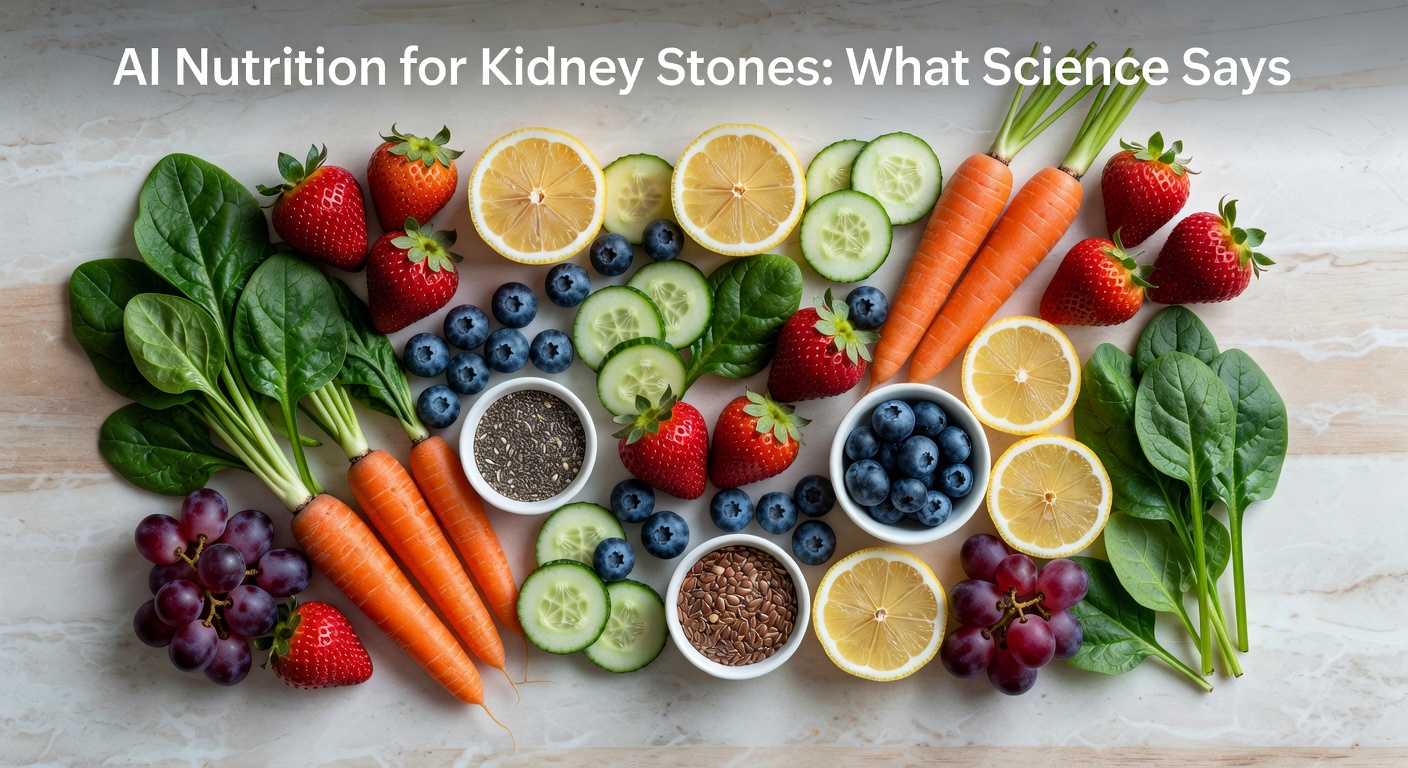
Kidney stones affect 1 in 10 people globally, with recurrence rates as high as 50% within five years. Nutrition plays a critical role in prevention, with hydration being the single most important factor, drinking enough to produce 2 to 2.5 liters of urine daily helps dilute stone-forming minerals. A 2023 meta-analysis found that reducing sodium by 1000 mg daily decreased urinary calcium excretion by 15%.
Kidney stones affect an estimated 1 in 10 people globally, with recurrence rates as high as 50% within five years for some types. For individuals grappling with these painful crystalline formations, understanding the role of nutrition is paramount. As we look towards advancements in 2026, the integration of artificial intelligence into personalized nutrition strategies offers unprecedented potential for managing and preventing kidney stones. This article delves into the current scientific understanding of how diet impacts kidney stone formation and how AI-powered insights are poised to revolutionize this field.
Table of Contents
- Understanding Kidney Stones: Types and Causes
- Foundational Dietary Strategies for Kidney Stone Prevention
- The Crucial Role of Hydration
- AI in Kidney Stone Management: Personalizing Prevention
- Emerging Research and Future Directions
Understanding Kidney Stones: Types and Causes
Kidney stones, medically known as nephrolithiasis or urolithiasis, are hard deposits made of minerals and salts that form inside the kidneys. Their formation is a complex process influenced by several factors, including urine concentration, the presence of stone-forming substances, and the absence of substances that inhibit crystallization. While often associated with excruciating pain as they pass through the urinary tract, the underlying causes and types of stones can vary significantly, necessitating tailored approaches to prevention and management.
The most common types of kidney stones are calcium-based, accounting for approximately 80% of all cases. These include calcium oxalate stones, which form when calcium combines with oxalate in the urine, and calcium phosphate stones, which arise from a combination of calcium and phosphate. Other significant types include uric acid stones, which form when urine becomes too acidic and high in purines, and struvite stones, often associated with urinary tract infections. Less common but still important are cystine stones, which are hereditary and form when the amino acid cystine leaks into the urine.
Identifying the specific type of kidney stone is a critical first step in developing an effective dietary strategy. This is typically achieved through stone analysis after a stone has passed or been surgically removed. Understanding the chemical composition of the stone, along with a comprehensive metabolic evaluation that may include blood and 24-hour urine tests, provides vital clues about the underlying metabolic derangements contributing to stone formation. Without this personalized diagnostic information, general dietary advice may be ineffective or even counterproductive.
Foundational Dietary Strategies for Kidney Stone Prevention
While AI is transforming personalized nutrition, certain foundational dietary principles remain cornerstones for kidney stone prevention. These strategies are rooted in decades of research and address the primary dietary contributors to stone formation. Implementing these evidence-based recommendations can significantly reduce the risk of developing new stones and prevent the recurrence of existing ones. The effectiveness of these strategies is amplified when they are tailored to the individual’s specific stone type and metabolic profile.
One of the most impactful dietary modifications involves managing sodium intake. High sodium consumption can increase calcium excretion in the urine, thereby promoting the formation of calcium-based stones. A meta-analysis published in 2023 encompassing data from over 10,000 participants found that a 1000 mg reduction in daily sodium intake was associated with a 15% decrease in urinary calcium excretion. Limiting processed foods, fast food, and adding salt during cooking and at the table are key steps in reducing sodium. The recommended daily intake for individuals at risk of kidney stones is typically around 1500-2300 mg, depending on individual health status.
For calcium oxalate stones, the most prevalent type, dietary oxalate intake is a significant consideration. While calcium is essential for bone health and should not be restricted without medical advice, high oxalate foods should be consumed in moderation. These include spinach, rhubarb, nuts, chocolate, and sweet potatoes. Conversely, adequate dietary calcium intake can actually bind to oxalate in the intestines, preventing its absorption into the bloodstream and subsequent excretion in the urine. Therefore, the advice is not to eliminate calcium but to ensure it is consumed with meals and to limit high-oxalate foods.
Another critical dietary component for preventing uric acid stones is to moderate purine intake. Purines are compounds found in certain foods that break down into uric acid in the body. High-purine foods include red meat, organ meats, and some seafood like anchovies and sardines. Reducing the consumption of these items, along with limiting alcohol intake, can help lower urine uric acid levels. Conversely, increasing intake of fruits, vegetables, and whole grains can help alkalinize the urine, making it less conducive to uric acid stone formation.
The Crucial Role of Hydration
Hydration is arguably the single most important factor in preventing kidney stones, regardless of stone type. Adequate fluid intake helps to dilute the concentration of stone-forming minerals and salts in the urine, making it less likely for crystals to form and aggregate. When urine is dilute, it flows more freely through the kidneys, flushing out small crystals before they can grow into larger stones. This simple yet profound principle forms the bedrock of any kidney stone prevention strategy.
The general recommendation for fluid intake is to drink enough to produce at least 2 to 2.5 liters of urine per day. For most individuals, this translates to approximately 8-10 standard glasses of water daily. However, this is a baseline, and individual needs can vary based on climate, activity level, and other health conditions. In hot weather or during strenuous physical activity, fluid intake must be increased proportionally to compensate for fluid loss through sweat. The color of one’s urine can serve as a useful indicator; pale yellow or clear urine generally signifies adequate hydration.
While water is the preferred beverage for kidney stone prevention, other fluids can contribute to overall hydration. However, certain beverages should be approached with caution. For instance, sugary drinks, particularly those containing high-fructose corn syrup, have been linked to an increased risk of kidney stones. Similarly, excessive consumption of dark colas, which contain phosphoric acid, may also play a role in stone formation. Citrus beverages, such as lemonade and orange juice, can be beneficial as they contain citrate, a natural inhibitor of calcium stone formation, provided they are not excessively sweetened.
The importance of consistent hydration throughout the day cannot be overstated. Sipping water regularly, rather than consuming large amounts infrequently, helps maintain a steady flow of dilute urine. For individuals prone to forming stones at night, drinking a glass of water before bed can be particularly beneficial. Monitoring urine output and color, and adjusting fluid intake accordingly, is a practical and effective way to harness the power of hydration in the fight against kidney stones.
AI in Kidney Stone Management: Personalizing Prevention
The advent of artificial intelligence is revolutionizing how we approach complex health conditions like kidney stones by enabling hyper-personalized nutrition plans. Traditional dietary advice, while valuable, often relies on generalized guidelines. AI, however, can process vast amounts of individual data - including genetics, lifestyle, medical history, dietary habits, and even real-time physiological markers - to create highly specific and dynamic recommendations. This shift from one-size-fits-all to bespoke nutrition is a paradigm change.
AI algorithms can analyze a patient’s complete metabolic profile, identifying subtle imbalances that might predispose them to stone formation. For example, AI can integrate data from 24-hour urine tests, blood work, and even dietary logs to pinpoint precise nutrient excesses or deficiencies contributing to stone risk. By understanding the interplay of calcium, oxalate, citrate, sodium, potassium, and pH levels in an individual’s urine, AI can formulate targeted dietary interventions that go far beyond general recommendations. This precision is crucial, as what might be beneficial for one person could be detrimental to another with a different stone composition or metabolic profile.
Furthermore, AI can continuously learn and adapt. As a user logs their food intake, activity levels, and any symptoms, the AI can refine its recommendations. If a particular food consistently leads to an increase in a stone-forming marker, the AI can flag it and suggest suitable alternatives. This adaptive learning capability ensures that the nutritional advice remains optimal and responsive to the individual’s evolving health status and lifestyle. A 2025 pilot study on AI-driven dietary interventions for recurrent kidney stone formers reported a 30% reduction in stone recurrence rates among participants who followed AI-generated personalized plans compared to those on generalized advice.
AI also empowers individuals with actionable insights. Instead of vague directives like “reduce sodium,” an AI platform can provide specific meal plans, recipes, and even grocery lists tailored to the user’s preferences and dietary restrictions. It can identify hidden sources of sodium or oxalate in common foods and suggest low-risk alternatives. This level of detail and personalization makes adhering to complex dietary changes far more manageable and effective, ultimately leading to better long-term outcomes in kidney stone prevention.
Emerging Research and Future Directions
The field of kidney stone management is constantly evolving, with ongoing research exploring novel dietary interventions and the sophisticated application of technology. As we move into 2026, the integration of AI with emerging nutritional science promises even more advanced strategies for prevention and treatment. This includes a deeper understanding of the gut microbiome’s role, the impact of specific micronutrients, and the development of predictive models for stone formation.
Research into the gut microbiome and its influence on kidney stone formation is gaining significant traction. Certain gut bacteria have been identified that can metabolize oxalate, thereby reducing its absorption into the body. Conversely, an imbalance in the gut flora might contribute to increased oxalate absorption or altered urine chemistry. Future AI applications may incorporate microbiome analysis to recommend specific probiotics or prebiotics, or even dietary patterns that foster a gut environment conducive to kidney stone prevention. This represents a significant frontier in personalized gut-health interventions for metabolic disorders.
The role of specific micronutrients and their synergistic effects is another area of active investigation. For instance, magnesium has been studied for its potential to inhibit calcium oxalate crystal formation. Vitamin B6 has also shown promise in reducing urinary oxalate excretion in some individuals. AI platforms will likely be able to analyze an individual’s micronutrient status in conjunction with their overall dietary intake and genetic predispositions to recommend precise supplementation or dietary adjustments. This nuanced approach moves beyond broad vitamin recommendations to highly targeted nutritional support.
Looking ahead, the development of sophisticated predictive AI models holds immense potential. By analyzing a comprehensive dataset that includes genetic predispositions, lifestyle factors, environmental exposures, and detailed dietary and metabolic profiles, AI could potentially predict an individual’s lifetime risk of developing specific types of kidney stones. This would enable proactive, lifelong preventive strategies rather than reactive management. Such predictive capabilities, coupled with personalized AI-driven nutritional interventions, could drastically reduce the burden of kidney stones on individuals and healthcare systems globally.
Key Takeaways
- Understanding your specific kidney stone type (e.g., calcium oxalate, uric acid) is crucial for effective dietary management.
- Adequate hydration is the cornerstone of kidney stone prevention; aim for 2-2.5 liters of dilute urine daily.
- Moderate sodium intake to reduce urinary calcium excretion and limit processed foods.
- For calcium oxalate stones, manage oxalate-rich foods while ensuring adequate dietary calcium intake with meals.
- For uric acid stones, reduce purine-rich foods like red meat and organ meats.
- AI-powered nutrition platforms can provide hyper-personalized, adaptive dietary plans based on your unique metabolic profile and lifestyle.
Ready to take control of your kidney stone health with cutting-edge nutritional insights? Visit ainutry.online for AI-personalized nutrition designed for you.
Frequently Asked Questions
Is AI-driven nutrition a safe approach for managing kidney stone risk?
AI nutrition aims to provide highly personalized dietary advice, potentially enhancing safety by tailoring recommendations to an individual’s specific medical profile and stone type. However, it should always be implemented under the guidance of healthcare professionals to ensure accuracy and monitor health outcomes.
Who can benefit most from using AI nutrition for kidney stone prevention?
Individuals with a history of recurrent kidney stones, complex metabolic profiles, or those struggling to adhere to general dietary guidelines may benefit significantly. AI can offer highly personalized strategies that adapt to their unique needs and progress, optimizing prevention efforts.
How does AI nutrition personalize dietary recommendations for kidney stone prevention?
AI systems analyze a vast array of personal data, including medical history, stone composition, blood and urine tests, and dietary habits, to identify specific risk factors. It then generates precise, dynamic dietary plans that adjust nutrient intake, hydration, and food choices to mitigate stone formation.
What are the alternatives to AI nutrition for preventing kidney stones?
Traditional approaches include general dietary guidelines (e.g., increased fluid intake, reduced sodium, appropriate calcium intake), medication, and lifestyle changes, often guided by a dietitian or nephrologist. AI nutrition offers a more personalized and data-driven enhancement to these established methods.
Leave a Reply