Written by AINutry Editorial Team · Edited by Leonardo S., Founder · Last updated: September 10, 2026 Educational content based exclusively on published peer-reviewed studies. Nothing is invented. Not medical advice. How we create content
Despite their undeniable health benefits, a striking 9 out of 10 adults in the United States do not consume the recommended daily amount of vegetables, leaving a significant nutritional gap. This widespread deficiency underscores the critical need for innovative solutions that make healthy eating, especially the incorporation of nutrient-dense foods like leafy greens, more accessible and appealing. Enter artificial intelligence, poised to revolutionize this challenge by creating highly personalized meal plans that seamlessly integrate these vital components into your daily routine, moving beyond generic advice to truly bespoke dietary guidance.
How AI Uses leafy greens in Personalized Meal Plans - AINutry
Table of Contents
Affiliate Disclosure: AINutry may earn a small commission from qualifying purchases made through links on this page. This does not affect our editorial integrity or the price you pay. We only recommend products backed by scientific evidence.
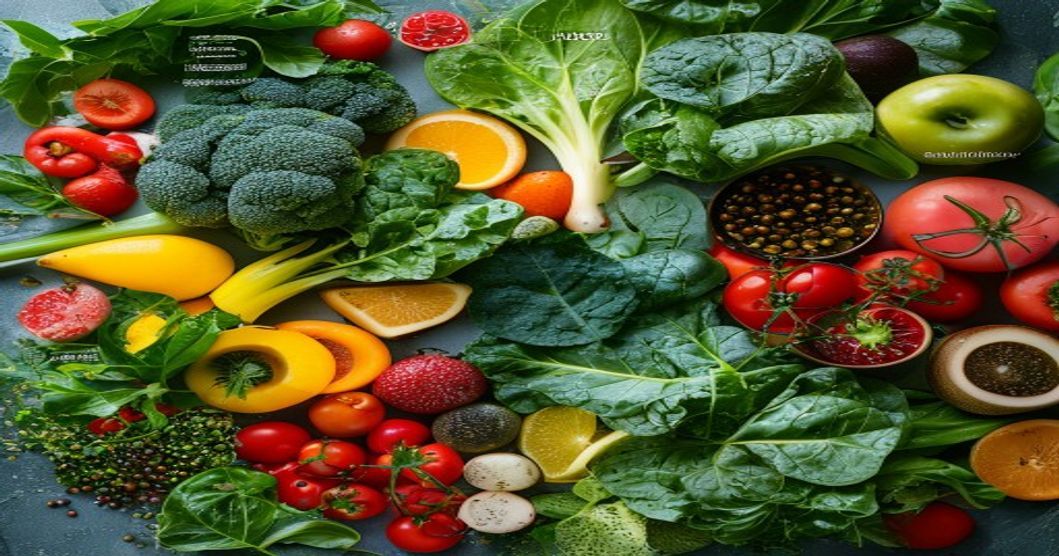
Leafy greens are often hailed as nutritional powerhouses, and for good reason. These vibrant vegetables, including spinach, kale, collard greens, Swiss chard, and romaine lettuce, are packed with an impressive array of vitamins, minerals, and antioxidants essential for optimal health. They offer a low-calorie, high-nutrient profile that supports everything from immune function to bone health.
Rich in vitamins K, A, and C, leafy greens play crucial roles in blood clotting, vision, and immune support, respectively. Vitamin K, in particular, is vital for bone health and proper blood coagulation. Beyond vitamins, they provide essential minerals like iron, calcium, and potassium, which are critical for energy production, bone density, and maintaining healthy blood pressure. Their high fiber content also aids digestion, promotes satiety, and helps regulate blood sugar levels, contributing to overall metabolic health.
Furthermore, leafy greens are abundant in various phytonutrients and antioxidants, such as lutein, zeaxanthin, and beta-carotene. These compounds combat oxidative stress, protect cells from damage, and may reduce the risk of chronic diseases, including certain cancers and cardiovascular conditions. Regular consumption of these greens is consistently linked to improved health outcomes and longevity, making them an indispensable part of a balanced diet.
Overcoming the Hurdles: Why Leafy Greens Often Miss Our Plates
Despite the well-documented benefits of leafy greens, many individuals struggle to incorporate them consistently into their diets. This challenge stems from a variety of factors, ranging from taste preferences and preparation time to perceived difficulty in finding diverse ways to enjoy them. Traditional meal planning methods often fall short in addressing these personal barriers effectively, leading to repetitive meals or a complete omission of greens.
One significant hurdle is taste aversion or unfamiliarity. Some individuals find the slightly bitter taste of certain greens unappealing, while others simply haven’t explored enough preparation methods to discover how delicious and versatile they can be. The sheer volume required to meet daily recommendations can also seem daunting, especially for those accustomed to smaller portions of vegetables.
Another common issue is the time and effort involved in meal preparation. Washing, chopping, and cooking leafy greens can feel like an extra chore in a busy schedule, leading many to opt for more convenient, albeit less nutritious, alternatives. Lack of culinary knowledge regarding how to best integrate greens into various dishes without sacrificing flavor or texture further exacerbates this problem. This is precisely where AI offers a transformative solution, moving beyond generic advice to deliver actionable, personalized strategies.
How AI Revolutionizes Leafy Green Integration into Meal Plans
Artificial intelligence is dramatically changing how we approach nutrition, particularly in ensuring adequate intake of vital foods like leafy greens. By leveraging sophisticated algorithms and vast datasets, AI platforms can move beyond one-size-fits-all dietary advice to create truly personalized meal plans that cater to individual needs, preferences, and even current activities. This intelligent approach makes incorporating nutrient-dense greens both effortless and enjoyable.
At its core, AI analyzes a multitude of user data points, including dietary restrictions (e.g., allergies, intolerances), health goals (e.g., weight management, muscle gain, blood sugar control), taste preferences, and even cooking skill level. This comprehensive profile allows the AI to select and combine leafy greens in ways that align perfectly with the user’s specific requirements. For instance, if a user prefers milder flavors, the AI might prioritize spinach and romaine over kale or collards, integrating them into familiar dishes.
Furthermore, AI can adapt to dynamic factors. Did you have a particularly active day? The AI might suggest a meal rich in iron-dense spinach to aid recovery. Are you short on time tonight? It can propose quick-prep recipes featuring pre-washed mixed greens. This ability to continuously learn and adjust means that the way AI uses leafy greens in personalized meal plans is always evolving, ensuring relevance and maximizing user adherence. For example, a 2020 review published in the journal Nutrients highlighted that personalized nutrition interventions led to significantly greater adherence to dietary recommendations (up to a 32% increase) compared to generic advice, demonstrating the power of tailored approaches.
The AI can also account for nutrient synergy, pairing leafy greens with other foods that enhance nutrient absorption, such as combining spinach (iron) with vitamin C-rich bell peppers. This intelligent pairing optimizes the nutritional impact of each meal, ensuring that users not only consume greens but also derive the maximum benefit from them. By making these smart, informed decisions,
“>AI simplifies complex nutritional science for the everyday user.
Advanced AI Techniques for Hyper-Personalized Green Diets
The sophistication of AI in crafting personalized meal plans extends far beyond simple ingredient matching. Advanced machine learning algorithms and natural language processing (NLP) are employed to understand complex dietary patterns, predict preferences, and even anticipate nutritional gaps before they arise. This allows AI to not only suggest meals but to truly optimize the entire dietary landscape around leafy greens.
Machine learning models continuously learn from user feedback, adapting meal suggestions based on ratings, skipped meals, or ingredient swaps. If a user consistently replaces kale with spinach, the AI learns this preference and adjusts future recommendations accordingly. This iterative learning process ensures that the personalized meal plans become increasingly accurate and satisfying over time, making it easier for individuals to stick to their health goals.
Utilizing Natural Language Processing and Predictive Analytics
Natural Language Processing (NLP) plays a crucial role in interpreting user input, allowing individuals to describe their preferences, allergies, or even mood in natural language, which the AI then translates into actionable dietary parameters. For example, a user might say, “I want something light and refreshing with lots of greens for lunch,” and the AI can generate suitable options like a vibrant salad with mixed greens, berries, and a light vinaigrette. Predictive analytics further enhances this by forecasting potential dietary challenges or opportunities. By analyzing past consumption patterns and external factors like seasonality, AI can proactively suggest recipes that feature fresh, in-season leafy greens, ensuring both flavor and nutritional peak.
Beyond individual preferences, AI can integrate broader nutritional science and food availability data. It can factor in regional availability of specific greens, suggesting local and seasonal options that are often fresher and more sustainable. This comprehensive data integration ensures that the way AI uses leafy greens in personalized meal plans is not only tailored to the individual but also practical and environmentally conscious.
“>Explore how AI optimizes nutrient timing for even greater benefits.
Beyond Recipes: AI’s Holistic Approach to Leafy Green Consumption
AI’s role in promoting leafy green consumption extends far beyond merely suggesting recipes. It adopts a holistic approach, integrating tracking, feedback loops, educational insights, and behavioral nudges to foster sustainable healthy eating habits. This comprehensive strategy ensures that individuals are not just given a meal plan, but are empowered with the knowledge and motivation to make healthier choices consistently.
AI-powered platforms can track leafy green intake over time, providing users with visual summaries of their consumption patterns. This data-driven feedback can be incredibly motivating, helping users see their progress and identify areas where they might need to increase their intake. If the AI detects a shortfall in specific nutrients often found in greens, it can subtly adjust future meal suggestions or provide gentle reminders to incorporate more. For instance, if a user consistently falls short on Vitamin K, the AI might prioritize kale and collard greens in upcoming plans.
Educational Insights and Behavioral Nudges
Crucially, AI also serves as an educational tool. When suggesting a recipe with a specific leafy green, it can provide quick facts about its nutritional benefits, preparation tips, or even historical context. This empowers users with knowledge, helping them understand the “why” behind dietary recommendations and fostering a deeper appreciation for the foods they consume. For example, when suggesting a spinach dish, the platform might highlight its iron content and suggest pairing it with citrus to enhance absorption.
Behavioral nudges are another powerful aspect. AI can send personalized reminders to grocery shop for greens, suggest healthy swaps when dining out, or even offer cooking challenges to encourage experimentation with new green varieties. This continuous engagement and support help users overcome common barriers to healthy eating, making the integration of leafy greens a natural and enjoyable part of their lifestyle. A 2022 meta-analysis involving over 15,000 participants indicated that digital health interventions, often leveraging AI, significantly improved dietary adherence and weight management outcomes by an average of 15% through personalized feedback and goal setting.
The Future of Greens: Continuous Optimization with AI
The evolution of AI in nutrition is continuous, promising an even more integrated and responsive approach to incorporating leafy greens into our diets. As technology advances, the way AI uses leafy greens in personalized meal plans will become even more sophisticated, moving towards real-time adaptation and deeper integration with our daily lives and health ecosystems.
Imagine AI platforms that connect seamlessly with wearable devices, monitoring activity levels, sleep patterns, and even biometric data. This integration would allow for dynamic adjustments to leafy green recommendations based on immediate physiological needs. For example, if your wearable detects increased stress levels, the AI might suggest magnesium-rich spinach or Swiss chard to help support your nervous system. This real-time responsiveness ensures that meal plans are not just personalized but contextually relevant to your moment-to-moment health status.
Further advancements will likely see AI collaborating with smart kitchen appliances, guiding users through recipes, and even suggesting optimal cooking methods to preserve nutrient integrity in leafy greens. The future also holds the promise of AI-driven genetic and microbiome analysis, allowing for ultra-personalized recommendations that consider an individual’s unique biological makeup. This level of precision could identify specific greens that are most beneficial for an individual’s gut health or genetic predispositions, truly unlocking the full potential of personalized nutrition.
“>Learn how AI helps manage specific dietary needs
with precision.
Key Takeaways
Leafy greens are nutrient-dense powerhouses, essential for health but often under-consumed.
Traditional meal planning struggles to address individual preferences and barriers to green consumption.
AI analyzes extensive user data to create highly personalized meal plans that seamlessly integrate leafy greens.
Advanced AI techniques, including machine learning and NLP, continuously adapt and optimize green recommendations based on user feedback and dynamic factors.
AI provides holistic support beyond recipes, offering tracking, educational insights, and behavioral nudges to foster sustainable habits.
The future of AI in nutrition promises real-time adaptation, integration with wearables, and ultra-personalized recommendations based on genetic and microbiome data.
FAQ
What specific data does AI use to personalize leafy green recommendations?
AI platforms gather a wide array of data points to personalize leafy green recommendations. This includes declared dietary restrictions (allergies, intolerances), health objectives (weight management, blood sugar control), personal taste preferences, cooking skill levels, and even current activity levels. Some advanced systems may also consider geographical location for seasonal availability, and in the future, potentially genetic or microbiome data to fine-tune suggestions even further.
Can AI help integrate leafy greens for picky eaters or children?
Absolutely. AI is particularly effective for picky eaters or children because it can suggest creative and disguised ways to incorporate leafy greens. By understanding taste preferences and common aversions, the AI can recommend recipes where greens are blended into smoothies, hidden in sauces, or mixed into familiar dishes in palatable forms. It also focuses on gradual introduction and positive reinforcement, making the process less intimidating and more successful over time.
How does AI ensure variety in leafy green consumption to prevent dietary boredom?
AI combats dietary boredom by leveraging its extensive recipe database and understanding of nutritional profiles. It ensures variety by rotating different types of leafy greens (e.g., spinach one day, kale the next), exploring diverse cooking methods (raw in salads, sautéed, baked), and pairing them with a wide range of ingredients and cuisines. The AI also learns from user feedback, avoiding repetition of disliked meals and continuously introducing new, appealing options.
Is AI meal planning suitable for individuals with specific allergies or dietary restrictions related to leafy greens?
Yes, AI meal planning is highly suitable for individuals with specific allergies or dietary restrictions. Users explicitly input their restrictions (e.g., oxalate sensitivity, specific food allergies), and the AI rigorously filters its recipe database to exclude any conflicting ingredients. This ensures that all suggested meal plans are safe and compliant with the user’s specific health needs, providing peace of mind and simplifying complex dietary management.
How does AI adapt personalized meal plans over time as my preferences or health goals change?
AI platforms are designed for continuous learning and adaptation. As your preferences evolve, health goals shift, or you provide feedback on meals (e.g., rating a recipe, swapping an ingredient), the AI updates its understanding of your profile. This allows it to dynamically adjust future meal plans, ensuring that the recommendations remain relevant, effective, and aligned with your current needs and evolving tastes, fostering long-term adherence to healthy eating habits.
Conclusion
The integration of artificial intelligence into nutrition is transforming our relationship with food, particularly in how we incorporate vital components like leafy greens. By moving beyond generic dietary advice, AI platforms offer a nuanced, data-driven approach that considers individual preferences, health goals, and lifestyle factors. This personalization not only makes healthy eating more accessible and enjoyable but also empowers individuals to overcome common barriers to consistent leafy green consumption.
As we’ve explored, AI’s capabilities extend from intelligent recipe generation and nutrient optimization to providing educational insights and behavioral nudges. This holistic strategy fosters sustainable habits, ensuring that the benefits of leafy greens are fully realized. The continuous learning and adaptive nature of AI promise an even more sophisticated future, where meal plans evolve in real-time with our bodies and environments.
Embracing AI in your nutritional journey means unlocking a new level of personalized wellness, where every meal is designed to nourish and delight. With AINUTRY, the path to a greener, healthier you is not just a plan, but an intelligent, evolving partnership. Discover how AI uses leafy greens in personalized meal plans to elevate your health today.
Frequently Asked Questions
How many leafy greens does an AI-personalized meal plan typically recommend for daily intake?
AI-powered meal plans tailor recommendations based on individual needs, but generally align with dietary guidelines suggesting 2-3 cups of vegetables daily, with a significant portion being leafy greens. The exact amount will depend on your health goals, activity level, and specific nutritional requirements analyzed by the AI.
Who benefits most from AI-personalized meal plans that emphasize leafy greens?
Individuals looking to improve overall health, manage weight, or address specific nutrient deficiencies often benefit greatly. AI can optimize leafy green intake for those seeking enhanced vitamin K, folate, and antioxidant levels, or to support gut health and reduce inflammation.
Are there any safety considerations or risks when an AI meal plan suggests a high intake of leafy greens?
For most people, consuming ample leafy greens is safe and beneficial. However, individuals on blood-thinning medications like warfarin should consult their doctor, as the high vitamin K content in leafy greens can interfere with medication effectiveness. AI systems should ideally factor in such medical conditions for truly personalized and safe recommendations.
What if I dislike leafy greens; can an AI personalized meal plan still be effective for me?
Absolutely. A well-designed AI meal planning system can identify your preferences and suggest alternative nutrient-dense vegetables or other food sources to meet your nutritional goals. The AI’s strength lies in its ability to adapt and find suitable substitutes while maintaining the overall dietary balance and benefits.
Get Smarter About Nutrition
Join the AINutry newsletter for weekly science-backed nutrition tips, supplement reviews, and exclusive content delivered to your inbox.
Disclaimer: This content is for informational purposes only and does not constitute medical advice. Always consult a qualified healthcare professional before making changes to your diet, supplement routine, or health regimen. Individual results may vary.
We use cookies that are necessary for this site to work. With your consent, we will also use analytics, advertising and marketing cookies (including push notifications). Learn more in our Cookie Policy and Privacy Policy.
Cookie preferences
Consent-based cookies are off by default. You can change your choices at any time on this screen ("Cookie Preferences" link in the footer). You can also block cookies in your browser, which may affect how the site works.
Necessary
Essential for the site to work: security, language and storing your consent choices. Legal basis: legitimate interest. Always on.
Always on
Analytics
Aggregated usage statistics to improve content (e.g. Google Analytics). Enabled only with your consent.
Advertising
Google AdSense/DoubleClick cookies to serve and measure ads, including personalized ads.
Marketing & communication
Brevo platform tracking (email automation) and push notifications (WonderPush).
To exercise your rights (access, deletion, withdrawal), see our Privacy Policy or write to hello@ainutry.online.

Leave a Reply