
The landscape of nutrition is undergoing a profound transformation, largely driven by the advent and increasing accessibility of continuous glucose monitors (CGMs). These small, wearable devices, which measure glucose levels just beneath the skin every few minutes, are providing unprecedented, real-time insights into how our bodies react to different foods, activities, and stress. For instance, a 2021 study published in Diabetes Technology & Therapeutics found that individuals using CGMs for non-diabetic personalized nutrition reported a 30% increase in self-awareness regarding food choices, underscoring their power to inform and engage users in their dietary journeys.
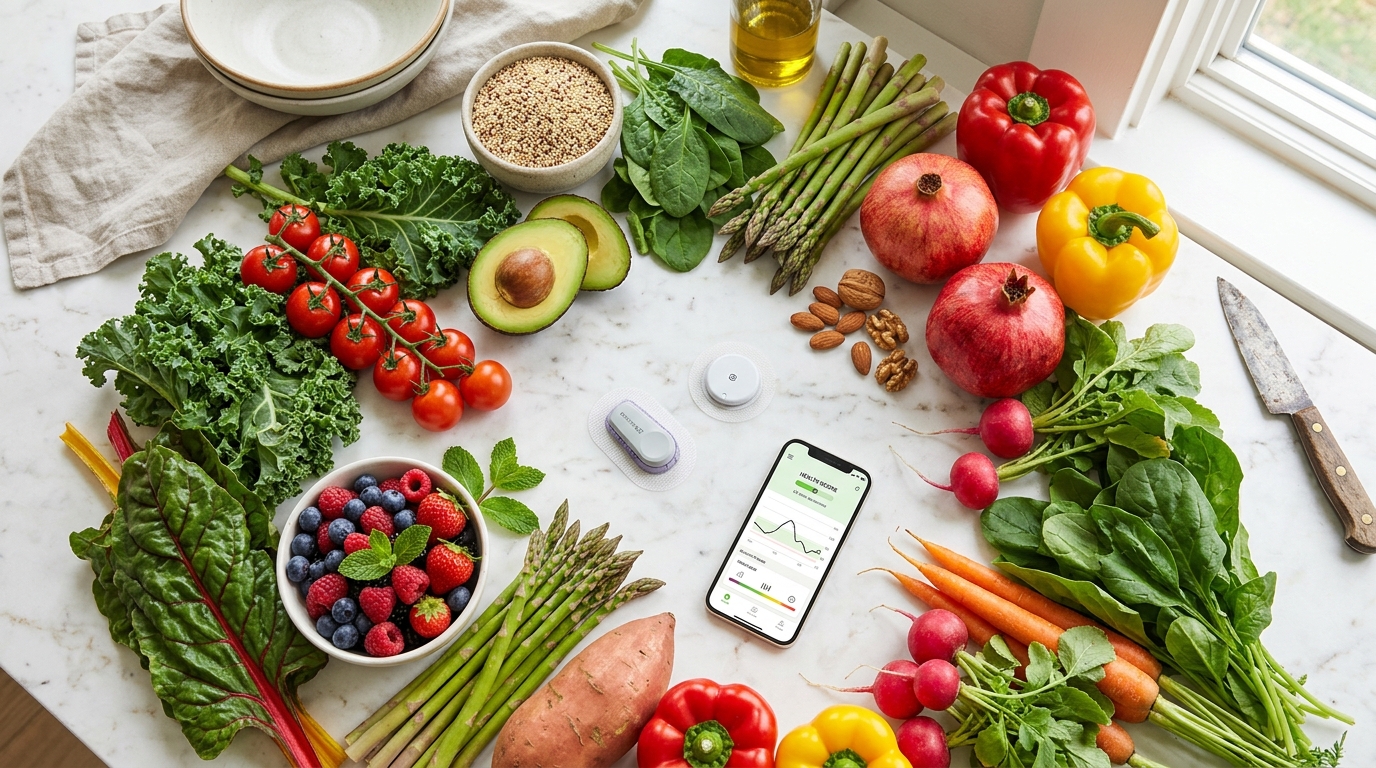
Table of Contents
- Understanding Continuous Glucose Monitors (CGMs)
- The Paradigm Shift: From Generic to Granular Nutrition
- Unlocking Real-Time Dietary Insights with CGMs
- CGMs and the Optimization of Lifestyle Factors
- The Role of AI and Data in CGM-Driven Nutrition
- Future Horizons: Expanding Accessibility and Impact
- Key Takeaways
- FAQ
- Conclusion
Understanding Continuous Glucose Monitors (CGMs)
Continuous Glucose Monitors (CGMs) represent a significant leap forward from traditional blood glucose testing methods. Instead of finger pricks that offer only a snapshot of glucose levels at a specific moment, CGMs provide a continuous stream of data, typically every 1 to 5 minutes, throughout the day and night. This constant monitoring reveals trends, patterns, and the immediate impact of various inputs on an individual’s glycemic response, painting a far more comprehensive picture of metabolic health than was previously possible outside of clinical settings.
A CGM device consists of a small sensor, usually applied to the back of the upper arm or abdomen, which contains a tiny filament inserted just under the skin. This filament measures glucose in the interstitial fluid, which closely mirrors blood glucose levels. The sensor then wirelessly transmits data to a receiver, smartphone app, or smartwatch, allowing users to view their glucose levels in real-time, along with trends and historical data. This immediate feedback loop is crucial for understanding the body’s dynamic responses.
The technology behind CGMs has evolved rapidly, making them more comfortable, discreet, and user-friendly. Initially developed primarily for individuals with diabetes to manage their condition more effectively, their utility has expanded dramatically. Today, non-diabetic individuals are increasingly adopting CGMs to gain deeper insights into their metabolic health, optimize athletic performance, manage weight, and explore personalized nutrition strategies. The ease of use and the richness of the data provided are fundamental to how continuous glucose monitors are changing personalized nutrit.
The Paradigm Shift: From Generic to Granular Nutrition
For decades, nutritional advice has often been delivered in broad, generalized strokes - “eat less fat,” “avoid sugar,” “more whole grains.” While these guidelines have a foundational basis in public health, they frequently overlook the profound biochemical individuality that defines each person’s response to food. What might be a healthy food for one individual could trigger an adverse glycemic response in another, even for seemingly innocuous items like oatmeal or bananas. CGMs are dismantling this one-size-fits-all approach, ushering in an era of truly granular and personalized dietary guidance.
The ability of CGMs to show immediate post-meal glucose spikes and subsequent dips allows individuals to move beyond theoretical nutritional principles to empirical self-discovery. Instead of relying on generalized caloric counts or macronutrient ratios, users can observe their unique physiological reactions to specific foods, food combinations, meal timings, and portion sizes. This direct feedback transforms nutrition from an abstract concept into an actionable, data-driven science tailored to the individual.
This paradigm shift emphasizes bio-individuality, recognizing that factors like genetics, gut microbiome composition, activity levels, stress, and sleep all play a significant role in how the body processes nutrients. Continuous glucose monitors are changing personalized nutrit by providing the missing link: a quantifiable measure of how these individual factors interact with food intake. This empowers individuals to identify their “optimal” foods and eating patterns, rather than adhering to generalized recommendations that may not be effective for their unique physiology.
Unlocking Real-Time Dietary Insights with CGMs
One of the most powerful aspects of continuous glucose monitors is their capacity to provide immediate, actionable insights into dietary choices. Imagine eating a meal and, within minutes, seeing precisely how your body is responding to it on a graph. This real-time feedback loop is invaluable for learning and adapting eating habits. Users can observe spikes after certain foods, understand the impact of combining macronutrients (e.g., adding protein or fat to carbohydrates to mitigate a glucose rise), and identify foods that consistently lead to stable glucose levels.
This immediate data allows for rapid experimentation and learning. For example, a person might discover that while plain white rice causes a significant glucose spike, pairing it with a generous portion of lean protein and non-starchy vegetables dramatically blunts the response. Similarly, the timing of meals relative to physical activity can be optimized. A pre-workout snack that might cause a spike when consumed at rest could be perfectly utilized when followed by intense exercise.
Beyond individual food items, CGMs help to reveal broader patterns and sensitivities. Many users uncover “hidden” sugars or unexpected carbohydrate loads in processed foods they once considered healthy. They can identify specific ingredients or food groups that consistently lead to dysregulation. This level of detail moves beyond simple calorie counting or macro tracking, focusing instead on the metabolic impact of food, which is a far more nuanced and effective approach to personalized nutrition. This is how continuous glucose monitors are changing personalized nutrit at its core, enabling a deeper understanding of food’s true effect.
CGMs and the Optimization of Lifestyle Factors
While food is a primary driver of glucose response, CGMs reveal that it’s far from the only factor. Sleep, stress, and physical activity also profoundly influence glucose regulation, and the continuous data from CGMs allows individuals to connect these dots in a tangible way. For instance, a poor night’s sleep can significantly impair insulin sensitivity the following day, leading to higher glucose levels even from standard meals. Observing this direct correlation through CGM data can be a powerful motivator for prioritizing sleep hygiene.
Stress, both acute and chronic, triggers the release of hormones like cortisol, which can elevate blood glucose levels as part of the body’s “fight or flight” response. CGMs can visually demonstrate how stressful meetings, arguments, or even prolonged periods of anxiety impact glycemic control, even in the absence of food. This insight encourages individuals to adopt stress-reduction techniques, recognizing their direct physiological benefit beyond just mental well-being.
Physical activity is another critical component. CGMs can illustrate how different types and intensities of exercise affect glucose levels - from the immediate dip during aerobic activity to the potential rise during intense strength training. Users can learn to optimize their workout timing relative to meals, or understand how to fuel their bodies effectively for sustained energy and recovery, all while maintaining stable glucose. This holistic view, integrating diet with other lifestyle elements, is a significant part of how continuous glucose monitors are changing personalized nutrit by offering a comprehensive metabolic dashboard.
- Sleep Quality: Discover how insufficient sleep can elevate morning glucose levels, encouraging better sleep habits.
- Stress Management: Witness the impact of stress on glucose spikes, prompting the adoption of relaxation techniques.
- Exercise Timing: Optimize meal timing around workouts to prevent glucose crashes or excessive spikes.
- Hydration: Observe how dehydration can indirectly affect glucose concentration and overall metabolic function.
The Role of AI and Data in CGM-Driven Nutrition
The sheer volume of data generated by CGMs presents both a challenge and an immense opportunity. A single CGM device can generate thousands of data points per day, creating a rich tapestry of an individual’s metabolic responses. This is where artificial intelligence (AI) and advanced data analytics come into play, transforming raw glucose readings into actionable, personalized insights. AI algorithms can analyze glucose patterns in conjunction with logged food intake, activity levels, sleep duration, and even environmental factors, to identify correlations and predict responses that might be invisible to the human eye.
AI-powered platforms, like AINUTRY, can sift through this complex data to offer highly tailored recommendations. Instead of simply showing a glucose spike, an AI system can suggest specific food swaps, ideal meal timings, or personalized exercise routines designed to optimize glucose stability for that particular individual. This moves beyond mere data visualization to prescriptive guidance, making personalized nutrition not just possible, but practically implementable on a daily basis. For example, a 2023 review in Nutrients highlighted that personalized nutrition interventions guided by CGM data led to an average 0.5% reduction in HbA1c levels in pre-diabetic individuals over a 6-month period, significantly improving glycemic control when combined with AI-driven insights.
The integration of AI also enhances engagement and adherence. By providing dynamic feedback and adaptive recommendations, AI systems can keep users motivated and continuously learning about their bodies. They can identify subtle shifts in metabolic response over time, allowing for adjustments to nutritional strategies as an individual’s lifestyle, health status, or even gut microbiome evolves. This dynamic, responsive approach is a cornerstone of how continuous glucose monitors are changing personalized nutrit, making it more intelligent and adaptable than ever before.
Future Horizons: Expanding Accessibility and Impact
The journey of continuous glucose monitors is far from over. As technology continues to advance, we can anticipate even more sophisticated and integrated systems. Miniaturization, extended wear times, and even more affordable sensors will make CGMs accessible to a broader population, moving beyond early adopters and health enthusiasts to become a mainstream tool for proactive health management. The trend towards non-prescription access is already underway in several regions, signaling a future where metabolic insights are readily available to anyone seeking to optimize their well-being.
Future iterations of CGM technology may also integrate with other biometric data streams, such as heart rate variability, sleep stages, activity trackers, and even gut microbiome analysis. This multi-modal data fusion, processed by increasingly intelligent AI, will create an even more holistic and predictive model of individual health. Imagine a system that not only tells you what foods spike your glucose but also predicts how certain foods will interact with your unique microbiome to impact mood or energy levels.
The educational and preventative potential of CGMs is immense. By empowering individuals with real-time data and personalized insights, we can shift from a reactive healthcare model, where conditions are treated after they manifest, to a proactive one focused on prevention and sustained wellness. As continuous glucose monitors are changing personalized nutrit, they are simultaneously laying the groundwork for a future where metabolic health is understood, managed, and optimized by everyone, not just those with existing conditions.
Key Takeaways
- CGMs offer continuous, real-time glucose data, moving beyond traditional snapshot measurements.
- They enable a shift from generic dietary advice to highly individualized, data-driven personalized nutrition.
- Users gain immediate, actionable insights into how specific foods and combinations impact their unique physiology.
- Beyond diet, CGMs help optimize lifestyle factors like sleep, stress, and exercise for better glucose control.
- AI and data analytics transform raw CGM data into intelligent, prescriptive nutritional recommendations.
- Future developments promise greater accessibility, integration with other biometrics, and a proactive approach to metabolic health.
FAQ
How do Continuous Glucose Monitors (CGMs) actually work?
CGMs function by using a small, disposable sensor inserted just under the skin, typically on the arm or abdomen. This sensor measures glucose levels in the interstitial fluid, which is the fluid surrounding cells, every few minutes. The data is then wirelessly transmitted to a handheld receiver or a smartphone app, providing real-time readings, trends, and historical data without the need for traditional finger-prick blood tests.
Who can benefit most from using CGMs for personalized nutrition?
While CGMs were initially designed for individuals with diabetes, their utility has expanded significantly. Non-diabetic individuals looking to optimize their metabolic health, manage weight, enhance athletic performance, or simply gain a deeper understanding of their body’s unique response to food and lifestyle factors can benefit immensely. Anyone interested in moving beyond generalized dietary advice to a truly personalized approach will find CGMs invaluable.
Are CGMs only for people with diabetes, or can anyone use them?
No, CGMs are no longer exclusively for people with diabetes. While they remain an essential tool for diabetes management, a growing number of non-diabetic individuals are using them for wellness, performance, and personalized nutrition insights. Many health and wellness platforms now offer CGMs as part of their programs, recognizing their value in empowering individuals to make informed choices about their diet and lifestyle.
What kind of specific data do CGMs provide that is useful for nutrition?
CGMs provide a wealth of data, including current glucose levels, 24-hour trends, and graphs showing glucose fluctuations over time. Crucially, they reveal immediate post-meal glucose responses (how high and how quickly glucose spikes after eating), how long it takes for glucose to return to baseline, and the impact of different food combinations. This allows users to identify specific trigger foods, understand optimal meal timings, and see the effects of exercise and stress on their glucose stability.
Is personalized nutrition with CGMs expensive, and is it covered by insurance?
The cost of CGMs and associated personalized nutrition platforms can vary. While CGMs for diabetes management are often covered by insurance, coverage for non-diabetic use for wellness or personalized nutrition is less common and typically an out-of-pocket expense. However, as the technology becomes more widespread and competition increases, prices are becoming more accessible. Many companies offer subscription models that bundle the CGM sensors with AI-powered insights and coaching.
Conclusion
The integration of continuous glucose monitors into personalized nutrition marks a pivotal moment in our understanding of health and diet. By offering an unprecedented window into our individual metabolic responses, CGMs are empowering people to move beyond generic dietary guidelines and embrace a truly data-driven approach to wellness. This real-time feedback loop fosters a deeper connection with our bodies, allowing us to experiment, learn, and adapt our eating and lifestyle habits for optimal health.
As the technology continues to evolve, becoming more accessible and integrated with advanced AI platforms, the potential for personalized nutrition will only grow. We are on the cusp of an era where understanding our unique physiology is not a luxury but a fundamental tool for proactive health management. The insights gained from CGMs are not just about managing glucose; they are about unlocking a more vibrant, energetic, and metabolically healthy future for everyone.
AINUTRY is at the forefront of this revolution, leveraging AI to translate complex CGM data into simple, actionable nutritional guidance tailored precisely to you. Embrace the future of personalized wellness and discover how continuous glucose monitors are changing personalized nutrit, one unique body at a time.
Frequently Asked Questions
Who should consider using a CGM for personalized nutrition?
Individuals looking to optimize their diet, understand their unique metabolic responses to food, and improve overall wellness can benefit. This includes those aiming for better energy levels, weight management, or enhanced athletic performance, even without a diabetes diagnosis.
How do Continuous Glucose Monitors (CGMs) enhance personalized nutrition?
CGMs provide real-time data on how specific foods, meals, and activities impact an individual’s blood sugar levels. This allows users to identify personalized dietary triggers and optimize food choices for stable glucose, improved energy, and better metabolic health.
Is it safe for non-diabetics to use CGMs for dietary insights?
Yes, CGMs are generally safe for non-diabetics and are increasingly used for wellness and performance optimization. While they provide valuable data, it’s always recommended to consult with a healthcare professional or registered dietitian to interpret the information and make informed dietary changes.
What specific dietary insights can a CGM provide beyond just blood sugar numbers?
A CGM reveals individual responses to different food combinations, meal timings, and exercise, highlighting which macronutrients or specific foods cause significant glucose spikes or sustained stability. This data empowers users to tailor their diet to minimize metabolic stress and optimize energy levels throughout the day.
Leave a Reply