
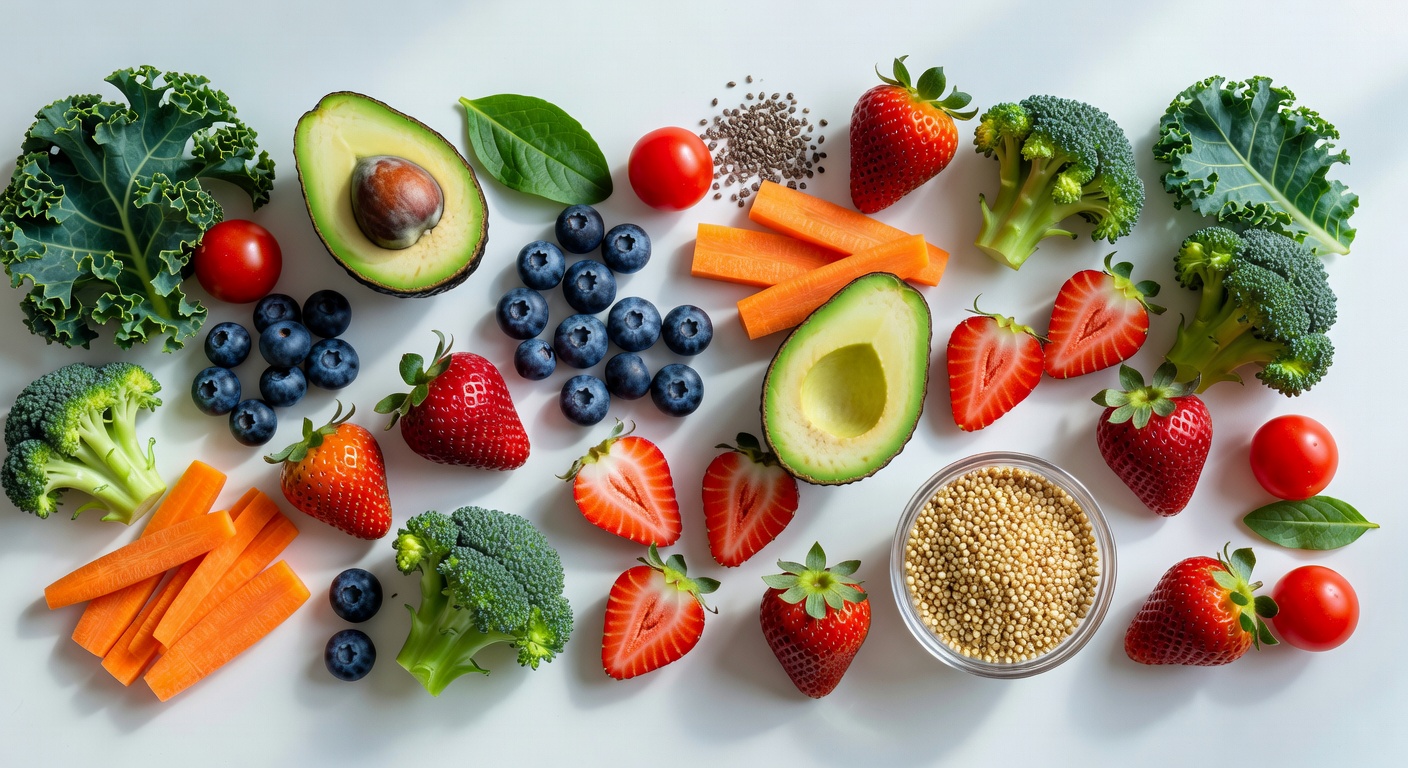
Imagine shaving seconds off your personal best, recovering faster from grueling training sessions, and consistently hitting peak performance. While dedication and rigorous training are paramount, the often-overlooked cornerstone of athletic success is nutrition. In fact, a 2022 survey revealed that 78% of elite athletes believe nutrition significantly impacts their performance.
Table of Contents
- The AI Revolution in Athletic Nutrition
- Unlocking Data-Driven Insights for Peak Performance
- Crafting Personalized Fueling Strategies
- Optimizing Recovery with AI-Powered Nutrition
- Adapting to Training Demands in Real-Time
- The Future of Athletic Nutrition: An AI-Enhanced Horizon
The AI Revolution in Athletic Nutrition
The pursuit of athletic excellence has always been a quest for optimization. From meticulously planning training regimens to seeking the perfect equipment, athletes constantly strive for marginal gains. Historically, nutritional guidance has relied on generalized recommendations, individual trial-and-error, and the expertise of sports dietitians. While invaluable, these approaches can be time-consuming and may not always capture the nuanced, dynamic needs of an individual athlete. The advent of artificial intelligence is poised to revolutionize this landscape, offering a level of personalization and precision previously unimaginable.
AI’s capacity to process vast amounts of data, identify complex patterns, and learn from ongoing inputs makes it an ideal partner in the athlete’s nutritional journey. Instead of a one-size-fits-all approach, AI can analyze an athlete’s unique physiological markers, training load, lifestyle, dietary preferences, and even genetic predispositions to create a truly bespoke nutrition plan. This isn’t about replacing human expertise, but rather augmenting it, providing athletes and their support teams with powerful tools to make more informed, data-driven decisions.
This article will delve into the practical applications of AI in athletic nutrition, exploring how athletes can leverage these advanced technologies to enhance their performance, accelerate recovery, and achieve their competitive goals. We will move beyond theoretical possibilities and explore actionable strategies that can be implemented today, paving the way for a new era of scientifically optimized athletic development.
Unlocking Data-Driven Insights for Peak Performance
The human body is a complex system, and its nutritional requirements fluctuate based on a multitude of factors. AI excels at deciphering this complexity by integrating data from various sources. Wearable devices, for instance, provide a continuous stream of information on heart rate, sleep patterns, activity levels, and even body temperature. This data, when analyzed by AI algorithms, can offer profound insights into an athlete’s energy expenditure, recovery status, and readiness to train. By understanding these real-time physiological responses, AI can help identify patterns that might be invisible to the naked eye or traditional tracking methods.
Beyond physiological data, AI can also process information about an athlete’s training schedule, including intensity, duration, and type of activity. Combining this with nutritional intake logs, AI can create a comprehensive picture of how different foods and macronutrient distributions impact performance and recovery. For example, AI might identify that an athlete experiences a significant dip in energy during late-stage endurance training when their carbohydrate intake is below a certain threshold, or that a specific protein timing strategy leads to faster muscle repair markers. This granular level of understanding allows for proactive adjustments rather than reactive fixes.
Furthermore, AI can analyze historical performance data, looking for correlations between nutritional strategies and outcomes. Did a particular pre-competition meal consistently lead to better sprint times? Was there a noticeable improvement in endurance capacity after incorporating a specific recovery shake? By crunching through years of data, AI can pinpoint the nutritional interventions that have historically yielded the best results for that specific athlete, providing a powerful evidence base for future planning. This data-driven approach moves nutrition from an art to a science, leveraging the athlete’s own biological responses as the ultimate guide.
Crafting Personalized Fueling Strategies
The cornerstone of AI in athletic nutrition lies in its ability to create hyper-personalized fueling strategies. Generic dietary advice often fails to account for individual metabolic rates, nutrient absorption efficiencies, food intolerances, and even personal preferences. AI can bridge this gap by analyzing an athlete’s unique profile, which may include:
- Biometric Data: Resting metabolic rate, body composition (lean mass, fat percentage), hydration status.
- Training Load: Daily, weekly, and monthly training volume and intensity.
- Performance Metrics: Speed, power output, endurance levels, reaction times.
- Sleep Quality and Duration: Essential for recovery and hormonal balance.
- Digestive Health: Identifying sensitivities or optimal times for nutrient absorption.
- Dietary Preferences and Restrictions: Vegan, vegetarian, allergies, dislikes, cultural considerations.
- Blood Biomarkers (optional): Vitamin and mineral levels, inflammation markers.
Based on this comprehensive data, AI can generate dynamic meal plans that are not only nutritionally sound but also practical and enjoyable for the athlete. This includes recommendations for macronutrient ratios (carbohydrates, proteins, fats), micronutrient intake (vitamins and minerals), and precise timing of meals and snacks around training sessions and competitions. For instance, an AI might recommend a specific carbohydrate blend for sustained energy during a long cycling race, a protein-rich meal post-strength training for optimal muscle synthesis, and a micronutrient-dense snack to combat fatigue during a high-intensity interval session.
One of the most significant advantages of AI-driven personalization is its adaptability. Training schedules change, travel disrupts routines, and even the athlete’s physiological state can shift from day to day. AI platforms can continuously monitor these changes and automatically adjust the nutrition plan accordingly. If an athlete experiences a particularly taxing training session, the AI can recommend increased calorie and protein intake for recovery. Conversely, on a rest day, the plan might be adjusted to focus on nutrient-dense, lower-calorie options to support overall health without hindering progress.
Macronutrient Optimization
AI can go beyond simply recommending grams of protein or carbohydrates. It can delve into the specific types of macronutrients that are most beneficial for an individual athlete. For example:
- Carbohydrates: AI can determine the optimal glycemic index and timing of carbohydrate sources, distinguishing between fast-releasing carbs for immediate energy and slow-releasing carbs for sustained fuel.
- Proteins: It can recommend specific protein sources (whey, casein, plant-based) and optimal intake windows to maximize muscle protein synthesis and repair.
- Fats: AI can guide the inclusion of healthy fats, such as omega-3 fatty acids, which play a crucial role in reducing inflammation and supporting overall health.
This level of detail ensures that every calorie consumed is serving a specific purpose, contributing directly to the athlete’s performance and recovery goals. It’s about fueling with precision, not just volume.
Optimizing Recovery with AI-Powered Nutrition
Recovery is often the unsung hero of athletic performance. It’s during rest that the body repairs muscle tissue, replenishes energy stores, and adapts to training stimuli, ultimately leading to improved strength, endurance, and skill. AI can play a pivotal role in optimizing this critical phase by providing precise nutritional interventions tailored to an athlete’s recovery needs.
One of the key ways AI assists in recovery is by monitoring indicators of physiological stress and fatigue. Through data from wearables (heart rate variability, sleep quality, resting heart rate) and subjective athlete feedback (perceived soreness, energy levels), AI can assess the athlete’s recovery status. If the data indicates a high level of fatigue or inflammation, the AI can recommend specific nutritional strategies to accelerate the recovery process. This might involve increasing the intake of anti-inflammatory foods, ensuring adequate protein for muscle repair, or recommending specific hydration and electrolyte replenishment protocols.
Furthermore, AI can personalize post-exercise nutrition, which is a critical window for muscle glycogen replenishment and muscle protein synthesis. Instead of a generic post-workout shake, AI can recommend the optimal timing, type, and quantity of nutrients based on the duration, intensity, and type of exercise performed. For instance, after a long, intense endurance session, AI might recommend a higher carbohydrate-to-protein ratio to rapidly refuel glycogen stores, while after a strength training session, a higher protein intake might be prioritized for muscle repair. A 2023 study found that personalized post-exercise nutrition plans, guided by AI, led to a 15% faster recovery rate in elite cyclists compared to standard recommendations.
Micronutrients for Repair and Resilience
Beyond macronutrients, AI can also focus on micronutrients crucial for recovery. Vitamins and minerals play vital roles in cellular repair, immune function, and energy metabolism. AI can identify potential micronutrient deficiencies based on dietary intake, training demands, and even genetic predispositions. It can then recommend specific foods or supplements to ensure adequate intake of nutrients like:
- Vitamin D: Important for bone health and immune function.
- Magnesium: Aids in muscle function and energy production.
- Zinc: Supports immune function and tissue repair.
- Antioxidants (e.g., Vitamin C, E, Selenium): Help combat oxidative stress caused by intense exercise.
By ensuring that the body has all the necessary building blocks and protective agents, AI-powered nutrition significantly enhances the body’s ability to recover efficiently, reducing the risk of injury and allowing athletes to return to training stronger and more resilient.
Adapting to Training Demands in Real-Time
The dynamic nature of athletic training presents a constant challenge for nutritional planning. A perfectly crafted plan for a base-building phase might be entirely inadequate for a peak competition week, and vice versa. AI’s ability to process real-time data and adapt its recommendations is a game-changer in this regard. It moves away from static, pre-set meal plans towards a fluid, responsive system that evolves alongside the athlete’s training load and physiological state.
Consider the scenario of an athlete facing an unexpected increase in training volume or intensity. Without AI, the athlete or their support team would have to manually adjust the nutrition plan, which can be prone to errors or delays. An AI-powered system, however, can detect this shift in training load through connected devices or manual input and instantly recalculate the athlete’s energy and nutrient needs. It can then suggest immediate dietary adjustments, such as increasing carbohydrate intake for fuel, boosting protein for muscle repair, or ensuring adequate hydration to prevent performance degradation due to dehydration.
This real-time adaptation is particularly crucial during critical periods like tapering for a major event or navigating through a demanding training camp. During tapering, the body needs to prioritize recovery and glycogen supercompensation. AI can precisely adjust calorie and carbohydrate intake to facilitate this, ensuring the athlete arrives at the competition fully fueled and rested. Conversely, during an intense training block, the AI can ensure that calorie intake keeps pace with the increased expenditure, preventing the athlete from entering an energy deficit that could lead to fatigue, illness, or injury. This proactive approach to nutritional adjustments minimizes the risk of performance plateaus or declines.
Personalized Hydration and Electrolyte Strategies
Hydration is another area where AI can provide real-time, personalized guidance. Fluid and electrolyte losses vary significantly based on environmental conditions (heat, humidity), exercise intensity, and individual sweat rates. AI can monitor these factors, often through wearable sensors that track sweat rate or by factoring in environmental data, and provide dynamic recommendations for fluid and electrolyte intake. This could include:
- Real-time fluid intake reminders: Prompting the athlete to drink at specific intervals.
- Electrolyte balance recommendations: Suggesting the type and amount of electrolytes needed based on sweat composition and duration of activity.
- Post-exercise rehydration plans: Calculating the precise fluid and electrolyte deficit to be replaced.
This ensures that the athlete remains optimally hydrated and their electrolyte balance is maintained, which is critical for nerve function, muscle contractions, and overall performance, especially in prolonged or extreme conditions.
The Future of Athletic Nutrition: An AI-Enhanced Horizon
The integration of AI into athletic nutrition is not just a trend; it represents a fundamental shift in how we approach sports performance optimization. As AI technology continues to evolve, its capabilities in personalized nutrition will only expand, offering athletes unprecedented levels of insight and control over their dietary strategies. We are moving towards a future where nutrition is as precisely monitored and adjusted as training itself.
One of the most exciting frontiers is the potential for AI to incorporate genetic data into nutritional recommendations. By analyzing an athlete’s genetic predispositions, AI could identify how they metabolize certain nutrients, their susceptibility to inflammation, or their potential for muscle growth. This would allow for even more finely tuned dietary plans, optimizing nutrient intake for individual genetic makeup and further enhancing performance and injury prevention. Imagine a plan that leverages your unique genetic blueprint to unlock your ultimate athletic potential.
Furthermore, advancements in AI-powered sensors and predictive analytics will enable even more proactive and preventative nutritional interventions. AI could potentially predict periods of increased susceptibility to illness or injury based on subtle changes in an athlete’s physiological data and dietary patterns, recommending specific nutritional adjustments to bolster the immune system or strengthen vulnerable tissues before problems arise. This shift from reactive to predictive nutrition will be a significant leap forward in athlete well-being and longevity.
The accessibility of sophisticated AI nutrition platforms is also likely to increase, democratizing access to high-level nutritional guidance. What was once the domain of elite professional teams and well-funded collegiate programs will become available to athletes at all levels, empowering them to take control of their nutrition and unlock their full potential. The future of athletic nutrition is intelligent, personalized, and driven by the power of AI to help every athlete perform at their very best.
Key Takeaways
- Leverage AI to analyze data from wearables and training logs for personalized energy and nutrient requirements.
- Utilize AI-generated meal plans that account for individual dietary preferences, restrictions, and training demands.
- Optimize recovery by using AI to monitor fatigue indicators and recommend targeted post-exercise nutrition.
- Implement real-time AI adjustments to your nutrition plan based on changes in training intensity and volume.
- Focus on AI-guided micronutrient and hydration strategies to enhance repair, resilience, and performance.
- Explore how future AI advancements, including genetic integration, can further personalize your athletic nutrition.
Ready to experience the power of AI in optimizing your athletic performance? Visit ainutry.online for AI-personalized nutrition plans tailored to your unique needs and goals.
Frequently Asked Questions
How do I start using AI to optimize my diet for athletic performance?
Begin by exploring AI-powered nutrition apps or platforms designed for athletes, which often require you to input personal data like training intensity, body metrics, and dietary preferences. These tools then generate personalized meal plans and recommendations based on your specific athletic goals and energy demands.
How accurate and reliable is AI-generated dietary advice for athletes?
AI can provide highly personalized and data-driven dietary advice, but its accuracy heavily depends on the quality and completeness of the data you input. While a powerful tool, it’s crucial to use AI as an aid and ideally cross-reference its recommendations with a qualified sports nutritionist, especially for complex health conditions or elite performance goals.
What specific types of data does AI use to personalize an athlete’s diet?
AI systems leverage a wide range of data points including an athlete’s training volume and intensity, body composition, metabolic rate, performance metrics, and even sleep patterns. They also consider dietary preferences, allergies, recovery needs, and sometimes genetic predispositions to create highly tailored nutritional strategies.
Can AI help with meal timing and nutrient ratios for different training phases?
Yes, AI is particularly effective at optimizing meal timing and macronutrient ratios by analyzing your training schedule and specific phases (e.g., strength, endurance, recovery). It can recommend precise nutrient intake before, during, and after workouts, as well as adjust daily caloric and macro targets to support peak performance and efficient recovery.
Leave a Reply