
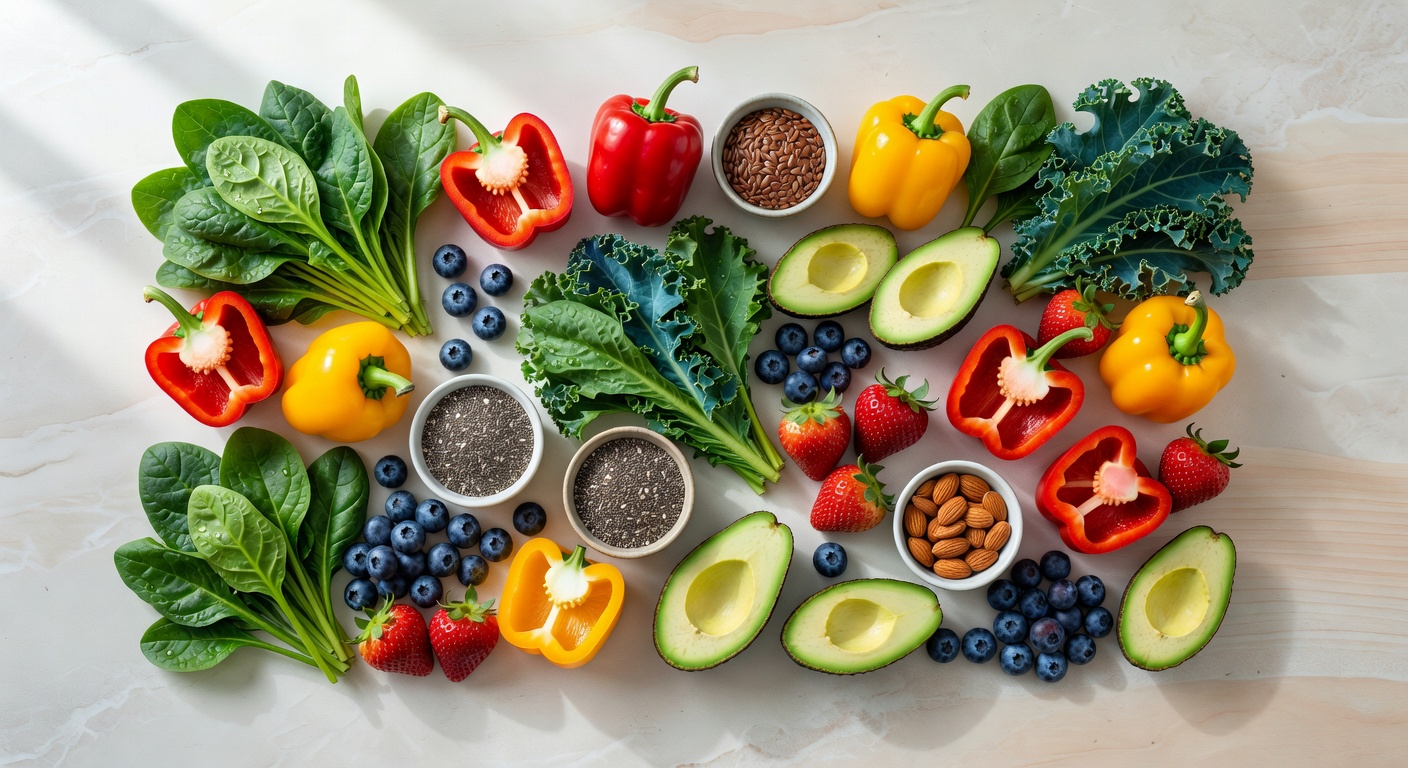
As we navigate our increasingly fast-paced lives, maintaining optimal energy levels has become a pressing concern. The good news is that recent advancements in artificial intelligence (AI) have opened up new avenues for unlocking the secrets of nutritionnutrition and optimizing our diets to fuel our bodies.
;”<br />
loading=”lazy”<br />
width=”1200″ height=”675″ /><figcaption>How to Use AI for energy levels in Your Diet - AINutry</figcaption></figure>
<h2 id=) Table of Contents
Table of Contents
- Understanding AI in Nutrition: The Basics
- Applying AI for Energy Levels: A Personalized Approach
- Key Aspects of an Effective Diet for Energy
- Overcoming Challenges with AI in Nutrition: What to Expect
- Implementation and Maintenance: Bringing it all Together
Understanding AI in Nutrition: The Basics
The integration of AI into the nutrition space has revolutionized the way we approach dietary planning. By leveraging machine learning algorithms, AI can analyze vast amounts of data on food composition, individual nutritional needs, and lifestyle factors to provide highly personalized recommendations. This cutting-edge technology is not only efficient but also scalable, making it an invaluable tool for both healthcare professionals and individuals seeking to optimize their energy levels.
Recent studies have highlighted the potential benefits of using AI in nutrition, including improved adherence to dietary plans, enhanced weight management outcomes, and even better management of chronic conditions such as diabetes and heart disease.
How AI Works in Nutrition
- Machine learning algorithms analyze large datasets on food composition and individual nutritional needs.
- AI identifies patterns and correlations between diet, lifestyle factors, and health outcomes.
- Personalized recommendations are generated based on the individual’s unique profile and goals.
Applying AI for Energy Levels: A Personalized Approach
One of the most significant advantages of using AI in nutrition is its ability to tailor dietary advice to an individual’s specific needs. By considering factors such as age, sex, weight, height, and activity level, AI can create a customized plan that optimizes energy levels without overemphasizing or underemphasizing any particular nutrient.
The research suggests that incorporating AI-driven dietary advice can enhance metabolic flexibility and improve overall health outcomes.
Key Aspects of an Effective Diet for Energy
While the specifics of an effective diet may vary from person to person, several key elements are consistently associated with improved energy levels. These include:
- Balanced macronutrient intake: Adequate protein, healthy fats, and complex carbohydrates.
- Adequate hydration: Drinking sufficient water throughout the day.
- Avoidance of processed foods: Prioritizing whole, nutrient-dense foods over packaged options.
Overcoming Challenges with AI in Nutrition: What to Expect
While AI has the potential to revolutionize nutrition, several challenges must be addressed. These include:
- Accessibility and affordability of AI tools.
- Understanding how AI generates recommendations and making informed decisions about dietary choices.
- Integrating AI-driven advice into existing healthcare systems.
Implementation and Maintenance: Bringing it all Together
For individuals seeking to use AI for energy levels in their diet, implementation and maintenance are critical. This involves:
- Partnering with a qualified healthcare professional or registered dietitian.
- Regularly monitoring progress and adjusting the dietary plan as needed.
- Maintaining a balanced lifestyle that includes regular physical activity and stress management.
Key Takeaways
- AI has the potential to revolutionize nutrition by providing highly personalized recommendations.
- Recent studies have highlighted the benefits of using AI in nutrition, including improved energy levels and better health outcomes.
- Understanding how AI works and addressing challenges are crucial for successful implementation.
- Maintaining a balanced lifestyle and regularly monitoring progress is essential for long-term success.
FAQ
Q: Is using AI in nutrition suitable for everyone?
A: While AI has the potential to benefit a wide range of individuals, it’s essential to consult with a qualified healthcare professional or registered dietitian before making significant changes to your diet.
Q: How accurate are AI-driven recommendations?
A: The accuracy of AI-driven recommendations depends on various factors, including the quality and scope of the data used, as well as how well the individual follows their personalized plan.
Q: Can I use AI for energy levels without consulting a healthcare professional?
A: While it’s possible to use some AI tools independently, it’s generally recommended that you consult with a qualified healthcare professional or registered dietitian to ensure your dietary needs are being adequately addressed.
Q: How often should I update my AI-driven dietary plan?
A: Regularly monitoring progress and adjusting the dietary plan as needed is crucial for maintaining optimal energy levels. This may involve updating the plan every 2-4 weeks or as recommended by your healthcare professional.
Q: Can I use AI to lose weight quickly?
A: While AI can certainly help with weight loss, it’s essential to approach this goal in a healthy and sustainable manner. Crash diets and rapid weight loss are often not sustainable and may have negative health consequences.
🛒 Recommended by AINutry
We’ve selected the best evidence-based nutrition products for you:
* Amazon affiliate links. Commission at no extra cost to you.
Conclusion
In conclusion, using AI for energy levels in your diet has the potential to revolutionize the way we approach nutrition. By leveraging machine learning algorithms and analyzing vast amounts of data on food composition, individual nutritional needs, and lifestyle factors, AI can provide highly personalized recommendations that optimize energy levels without overemphasizing or underemphasizing any particular nutrient.
Whether you’re looking to enhance your daily routine or overcome specific health challenges, incorporating AI-driven dietary advice into your plan may be the key to unlocking your full potential. Don’t forget to consult with a qualified healthcare professional or registered dietitian before making significant changes to your diet.
Frequently Asked Questions
What specific AI technologies are used to optimize energy levels in diet?
In 2026, advanced AI leverages machine learning algorithms to analyze individual metabolic data, dietary patterns, and lifestyle factors. This includes predictive analytics and personalized nutrition platforms that adapt recommendations in real-time for sustained energy.
How does AI personalize diet plans to boost energy efficiently?
AI platforms integrate data from wearables, health records, and user input to create hyper-personalized meal plans. They identify optimal macronutrient ratios and food timings that align with an individual’s unique energy expenditure and metabolic responses.
Are there any safety concerns or risks when using AI for dietary advice?
While AI offers personalization, concerns include data privacy, algorithmic bias, and the potential for over-reliance without professional oversight. It’s crucial to use reputable platforms and consult with a human dietitian for complex health conditions.
Who is the ideal user for AI-driven energy level management in their diet?
Individuals seeking highly personalized dietary guidance, athletes optimizing performance, or those with fluctuating energy needs can greatly benefit. It’s also valuable for people wanting to understand their unique metabolic responses to food for sustained energy.
It is not intended as medical advice, diagnosis, or treatment.
Always consult a qualified healthcare professional before making changes to your diet or nutrition plan.
Leave a Reply