
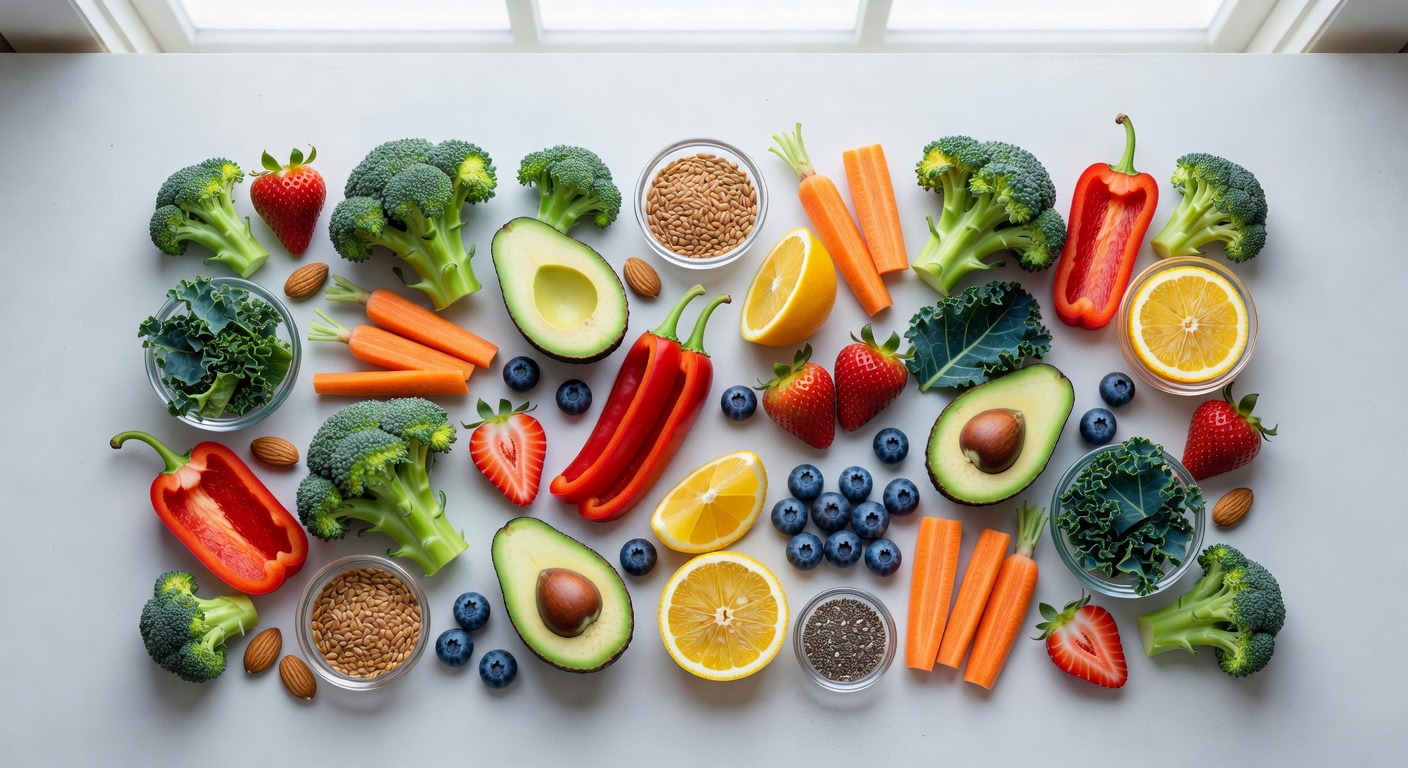
In a world increasingly seeking tailored health solutions, the journey to hormonal balance often feels like navigating a complex maze. For many, generic dietary advice falls short, leading to persistent symptoms and frustration. In fact, a 2024 survey indicated that approximately 55% of adults in developed nations report experiencing symptoms consistent with hormonal imbalances at some point in their lives, significantly impacting their quality of life.
Table of Contents
- The Hormonal Landscape: Why Diet Matters More Than Ever
- AI’s Role in Decoding Hormonal Nutrition
- Personalized Dietary Strategies for Specific Hormones
- Leveraging AI for Continuous Monitoring and Adaptation
- The Future of Hormonal Health: AI as Your Dietary Partner
The Hormonal Landscape: Why Diet Matters More Than Ever
Hormones are the body’s chemical messengers, orchestrating virtually every physiological process, from metabolism and mood to reproduction and sleep. They are produced by endocrine glands and travel through the bloodstream to target organs and tissues, where they exert their profound effects. When this delicate system falls out of sync, the consequences can be far-reaching and debilitating, manifesting as a wide array of symptoms that are often dismissed or misdiagnosed. From persistent fatigue and unexplained weight fluctuations to mood swings, skin issues, and fertility challenges, hormonal imbalances can significantly diminish one’s quality of life.
The modern environment, characterized by chronic stress, sedentary lifestyles, exposure to endocrine-disrupting chemicals, and a diet rich in processed foods and inflammatory ingredients, places immense strain on our hormonal systems. This creates a vicious cycle where poor dietary choices exacerbate hormonal dysfunction, which in turn makes it harder to make healthier choices. While conventional medicine often focuses on symptom management or hormone replacement therapy, a foundational approach that addresses the root causes through nutrition is gaining critical recognition. Diet is not merely fuel; it provides the building blocks for hormone synthesis, supports detoxification pathways, regulates inflammation, and profoundly influences gut health, a key player in hormonal regulation.
Understanding the intricate interplay between diet and hormones reveals why a “one-size-fits-all” approach to nutrition is inherently flawed when it comes to hormonal balance. Each individual’s genetic predisposition, microbiome composition, lifestyle factors, and existing health conditions create a unique hormonal signature. What might be beneficial for one person’s estrogen metabolism could be detrimental to another’s thyroid function. This complexity has historically made personalized dietary recommendations for hormonal health challenging to implement on a broad scale, often requiring extensive consultations with highly specialized nutritionists or endocrinologists. However, the advent of AI is revolutionizing this landscape, offering unprecedented opportunities for precision and personalization.
AI’s Role in Decoding Hormonal Nutrition
Artificial Intelligence stands at the forefront of a paradigm shift in personalized nutrition, particularly for complex areas like hormonal balance. Traditional dietary advice often relies on generalized guidelines that fail to account for individual biochemical variances. AI, however, excels at processing and interpreting vast, multi-faceted datasets - far beyond the capacity of human analysis alone. By integrating information from genomics, metabolomics, microbiome analysis, lifestyle surveys, and real-time biometric data, AI platforms can construct a highly detailed profile of an individual’s unique hormonal ecosystem and its dietary requirements.
This capability allows AI to move beyond simple food recommendations, offering predictive analytics on how specific dietary patterns will impact an individual’s hormone levels and overall well-being. For example, AI can identify subtle dietary triggers that might be contributing to insulin resistance in one person, or pinpoint nutrient deficiencies hindering thyroid hormone production in another, even before overt symptoms manifest. The power lies in its ability to detect patterns and correlations that are imperceptible to the human eye, providing insights into the nuanced relationship between diet and hormonal health. A 2023 meta-analysis of AI applications in health found that AI-driven dietary pattern recognition achieved an average of 88% accuracy in identifying specific nutrient-hormone interactions across various endocrine conditions, significantly surpassing traditional diagnostic methods relying solely on symptomology.
Data Inputs for AI-Powered Hormonal Dieting
The precision of AI-driven hormonal nutrition hinges on the quality and breadth of data it can access and analyze. Modern AI platforms leverage a combination of direct and indirect data inputs to build a comprehensive individual profile:
- Genomic Markers: Analysis of DNA to understand genetic predispositions to certain hormonal imbalances, nutrient metabolism, and detoxification pathways. For instance, genetic variations affecting vitamin D receptors or estrogen metabolism can significantly influence dietary needs.
- Blood Tests & Biometric Data: Regular blood panels provide crucial snapshots of hormone levels (e.g., cortisol, thyroid hormones, sex hormones, insulin), inflammatory markers, nutrient status, and metabolic indicators. Wearable tech data (sleep patterns, heart rate variability, activity levels) offers real-time insights into physiological stress and recovery, indirectly reflecting hormonal status.
- Microbiome Analysis: Stool tests reveal the composition and diversity of gut bacteria. The gut microbiome plays a critical role in hormone metabolism (e.g., the estrobolome’s impact on estrogen), nutrient absorption, and inflammation, making its analysis vital for comprehensive hormonal health.
- Dietary Logs & Preferences: Detailed input from users about their current diet, food preferences, allergies, and intolerances helps AI understand existing patterns and tailor recommendations that are both effective and sustainable.
- Symptom Tracking: Regular user input on symptoms (energy levels, mood, sleep quality, menstrual cycle regularity, digestive health) provides qualitative data that AI can correlate with other metrics to assess the efficacy of dietary interventions.
By synthesizing these diverse data streams, AI creates a dynamic, evolving understanding of an individual’s hormonal health, enabling hyper-personalized dietary recommendations that adapt as the individual’s body responds and changes.
Personalized Dietary Strategies for Specific Hormones
One of AI’s most compelling applications in hormonal health is its ability to craft highly specific dietary strategies tailored to individual hormonal needs. Gone are the days of blanket recommendations; AI delves into the nuances of various endocrine systems, providing targeted nutritional guidance for optimal function.
Insulin Sensitivity & Blood Sugar Regulation
Insulin, a key metabolic hormone, is profoundly impacted by diet. AI can analyze an individual’s genetic propensity for insulin resistance, their current blood sugar metrics, and their dietary intake to provide precise recommendations. This might include optimal macronutrient ratios (e.g., higher healthy fats and protein, controlled complex carbohydrates), specific food timings to minimize blood sugar spikes, and the inclusion of foods rich in fiber and chromium. For example, AI might recommend incorporating specific types of resistant starch or targeting certain polyphenols found in berries to improve cellular insulin sensitivity, based on an individual’s unique metabolic profile and gut microbiome composition.
- AI Focus: Optimize macronutrient balance, identify glycemic load triggers, recommend fiber-rich foods, and suggest meal timing strategies.
- Key Foods: Lean proteins, non-starchy vegetables, healthy fats (avocado, nuts, seeds), whole grains in moderation, specific spices like cinnamon.
Estrogen Metabolism & Detoxification
Both men and women require balanced estrogen levels. Excess estrogen or inefficient detoxification can lead to conditions like estrogen dominance. AI analyzes genetic markers related to liver detoxification pathways (Phase I and Phase II), gut microbiome data (specifically the estrobolome), and dietary intake of phytoestrogens. It can then recommend foods that support liver health (e.g., cruciferous vegetables like broccoli, kale, Brussels sprouts), promote healthy gut flora, and provide antioxidants to protect against oxidative stress. AI can also guide on the appropriate intake of phytoestrogen-rich foods, understanding that for some, moderate intake is beneficial, while for others with specific genetic profiles, it might need careful modulation.
- AI Focus: Support liver detoxification, enhance gut microbiome diversity, balance phytoestrogen intake.
- Key Foods: Cruciferous vegetables, flaxseeds, fermented foods, antioxidants (berries, green tea), fiber-rich foods.
Thyroid Function Support
The thyroid gland, responsible for metabolism, energy, and mood, is highly sensitive to nutrient deficiencies and environmental factors. AI can assess an individual’s intake of critical thyroid nutrients like iodine, selenium, zinc, and tyrosine, comparing them against their specific needs based on blood tests and genetic predispositions. It can identify potential dietary goitrogens (substances that interfere with thyroid function) in the diet and suggest cooking methods or alternative foods. Furthermore, AI can help identify inflammatory foods that might be contributing to autoimmune thyroid conditions like Hashimoto’s, guiding users towards an anti-inflammatory diet tailored to their unique immune response.
- AI Focus: Ensure adequate intake of thyroid-supportive nutrients, identify and manage goitrogen exposure, reduce inflammatory triggers.
- Key Foods: Brazil nuts (selenium), seaweed (iodine), oysters (zinc), lean protein (tyrosine), anti-inflammatory foods (omega-3s, colorful vegetables).
Cortisol & Stress Response
Cortisol, our primary stress hormone, can become dysregulated by chronic stress, poor sleep, and an inflammatory diet. AI can correlate an individual’s stress levels (from wearable tech data or self-reported symptoms) with their dietary patterns. It can then recommend specific nutrient-dense foods that support adrenal health, such as B vitamins, magnesium, and vitamin C. Furthermore, AI might suggest incorporating adaptogens (e.g., ashwagandha, rhodiola) in appropriate forms and dosages, or guide meal timing to stabilize blood sugar and prevent cortisol spikes. It can also identify dietary triggers that exacerbate the stress response, like excessive caffeine or refined sugars, helping users make informed choices to calm their nervous system.
- AI Focus: Stabilize blood sugar, provide adrenal-supportive nutrients, recommend adaptogens, identify stress-exacerbating foods.
- Key Foods: Leafy greens (magnesium), citrus fruits (vitamin C), whole grains (B vitamins), adaptogenic herbs, healthy fats.
Androgen Balance (Testosterone, DHEA)
Androgens like testosterone and DHEA are crucial for energy, muscle mass, libido, and overall well-being in both sexes. AI can analyze dietary fat intake, zinc and vitamin D levels, and identify potential environmental endocrine disruptors that might be impacting androgen production or metabolism. It can recommend healthy fats essential for hormone synthesis, such as those found in avocados, olive oil, and fatty fish. Furthermore, AI can identify specific foods or supplements that support optimal zinc and vitamin D status, both critical for androgen production. By integrating data on sleep, exercise, and stress, AI provides a holistic dietary strategy to support healthy androgen levels.
- AI Focus: Ensure adequate healthy fats, optimize zinc and vitamin D intake, identify environmental disruptors, support overall hormonal synthesis.
- Key Foods: Healthy fats (avocado, olive oil, nuts, seeds, fatty fish), zinc-rich foods (oysters, pumpkin seeds), vitamin D sources (fatty fish, fortified foods).
Leveraging AI for Continuous Monitoring and Adaptation
Hormonal health is not a static state; it’s a dynamic interplay influenced by countless daily factors. A dietary plan that is perfect today might need adjustments tomorrow due to changes in stress levels, sleep patterns, exercise intensity, environmental exposures, or even seasonal shifts. This is where AI truly shines, transforming nutrition from a rigid regimen into a living, adaptive strategy. AI platforms are designed to continuously monitor an individual’s progress, collect new data, and refine dietary recommendations in real-time, ensuring that the approach remains optimally aligned with their evolving hormonal needs.
Through integrated apps and devices, AI can track symptom severity, energy levels, sleep quality, mood fluctuations, and even biometric data from wearables. This continuous feedback loop allows the system to assess the efficacy of current dietary interventions. If certain symptoms persist or new data indicates a shift in hormonal markers, the AI can intelligently suggest modifications to food choices, macronutrient ratios, meal timings, or even recommend specific supplements. This iterative process eliminates the guesswork and provides a truly responsive approach to hormonal balance. A 2025 study on AI-guided dietary interventions found that participants receiving dynamic, AI-adapted nutrition plans reported a 40% greater improvement in overall hormonal symptom scores compared to those following static, generalized diet plans over a six-month period.
The Iterative Process of AI-Guided Hormonal Dieting
The journey with AI for hormonal balance is characterized by a cyclical, adaptive process:
- Initial Assessment: Comprehensive data collection including genomics, blood tests, microbiome analysis, lifestyle surveys, and symptom history. This forms the baseline.
- Personalized Plan Generation: AI processes the baseline data to generate an initial, highly personalized dietary plan focusing on specific hormonal imbalances identified. This plan includes food recommendations, meal schedules, and nutrient targets.
- Tracking & Feedback: The user actively tracks their food intake, symptoms, energy levels, sleep, and potentially integrates data from wearables. This real-time information is continuously fed back into the AI system.
- Adaptive Adjustments: Based on the tracked data, the AI analyzes patterns and identifies areas for improvement. If, for instance, a user’s sleep quality hasn’t improved as expected, the AI might adjust evening meal recommendations or suggest specific magnesium-rich foods. If blood sugar remains unstable, it might fine-tune carbohydrate sources or timings. These adjustments are communicated to the user, ensuring the plan remains effective and relevant.
This dynamic feedback mechanism ensures that the dietary strategy is always optimized for the individual’s current physiological state, leading to more sustainable results and a deeper understanding of one’s own body. It transforms the user from a passive recipient of advice into an active participant in their own health journey, guided by intelligent insights.
The Future of Hormonal Health: AI as Your Dietary Partner
The integration of AI into dietary management for hormonal balance represents not just an incremental improvement but a revolutionary leap forward. As technology continues to evolve, we can anticipate even more sophisticated and seamless interactions between individuals and AI-powered nutrition platforms. Imagine a future where smart kitchen appliances, integrated with your AI nutrition partner, automatically suggest recipes based on your real-time hormonal needs, available ingredients, and even your current stress levels detected by a smart ring. Advanced diagnostic tools will become more accessible, providing deeper insights into individual biochemistry and allowing AI to make even more precise and preventative dietary recommendations.
This evolving landscape positions AI as an indispensable partner in preventative health and longevity. By proactively identifying potential hormonal imbalances through subtle dietary cues and genetic predispositions, AI can guide individuals to make targeted nutritional choices long before symptoms become debilitating. This shifts the focus from reactive treatment to proactive wellness, empowering individuals to maintain optimal hormonal health throughout their lifespan. The potential to mitigate the risk of chronic diseases linked to hormonal dysfunction, such as type 2 diabetes, certain cancers, and cardiovascular issues, is immense.
However, as with any powerful technology, the future of AI in hormonal health also necessitates careful consideration of ethical implications and data privacy. Robust safeguards must be in place to protect sensitive personal health information, ensuring transparency in how data is collected, analyzed, and used. The goal is to empower individuals, not to create dependency or compromise privacy. Furthermore, while AI offers unparalleled analytical capabilities, it is crucial to recognize that it augments, rather than replaces, the role of human experts. Nutritionists, endocrinologists, and other healthcare professionals will remain vital in interpreting complex cases, providing emotional support, and offering clinical oversight, working collaboratively with AI to deliver the most comprehensive care.
Ultimately, AI is poised to democratize access to highly personalized, expert-level nutritional guidance for hormonal balance. It will empower millions to take control of their health, understand their unique biological needs, and make informed dietary choices that foster well-being and vitality. The future of hormonal health is not just about managing symptoms; it’s about optimizing potential, and AI is the key to unlocking that potential through precision nutrition.
Key Takeaways
- Hormonal balance is critical for overall health, and modern diets often contribute to widespread dysregulation.
- AI leverages diverse data (genomics, metabolomics, microbiome, lifestyle) to create hyper-personalized dietary plans for hormonal health.
- AI can tailor nutritional strategies for specific hormones, addressing issues like insulin sensitivity, estrogen metabolism, thyroid function, cortisol regulation, and androgen balance.
- Continuous monitoring and adaptive adjustments by AI ensure that dietary plans evolve with an individual’s changing physiological needs, leading to more effective outcomes.
- The future sees AI as a key partner in preventative hormonal health, offering proactive, precise dietary guidance, while still requiring human oversight and strong data privacy.
- Embracing AI-powered nutrition platforms can empower individuals to take proactive control over their hormonal well-being through highly personalized and dynamic dietary interventions.
CTA: Ready to unlock your personalized path to hormonal balance? Visit ainutry.online for AI-personalized nutrition insights.
Leave a Reply