
Copiar
<h2 id="table-of-contents">Table of Contents</h2>
<ul>
<li><a href="#section1">Understanding the Impact of Osteoporosis on Daily Life</a></li>
<li><a href="#section2">How AI Nutrition Helps with Bone Density: The Science Behind It</a></li>
<li><a href="#section3">Tailoring Your Diet for Optimal Bone Health with AI-Powered Recommendations</a></li>
<li><a href="#section4">Beyond Nutrition: Leveraging AI to Inform Exercise and Lifestyle Choices</a></li>
<li><a href="#section5">Real-World Applications and Future Directions in AI Nutrition for Bone Density</a></li>
<li><a href="#section6">What the Research Says: Evidence on Nutrition, Exercise, and Bone Density</a></li>
<li><a href="#section7">Practical Tips for Improving Bone Density with AI Nutrition in 2026</a></li>
</ul>
<h2 id="section1">Understanding the Impact of Osteoporosis on Daily Life and Global Prevalence</h2>
<p>Every year, more than 37 million fragility fractures occur worldwide in people over 55 — equivalent to 70 fractures every minute — largely due to osteoporosis, a silent condition that weakens bones and dramatically increases fracture risk. According to the International Osteoporosis Foundation (IOF), approximately 500 million people globally are affected by osteoporosis or low bone mass, with projections indicating a sharp rise as populations age and sedentary lifestyles become more common.<grok-card data-id="319d95" data-type="citation_card" data-plain-type="render_inline_citation" ></grok-card><grok-card data-id="066b61" data-type="citation_card" data-plain-type="render_inline_citation" ></grok-card></p>
<figure>
<img decoding="async" src="https://ainutry.online/wp-content/uploads/2026/04/ainutry-ai-nutrition-for-bone-density-complete-guide-hero.jpg"
alt="AI Nutrition for bone density: Complete Guide — AINutry"
title="AI Nutrition for bone density: Complete Guide"
loading="lazy"
width="1200" height="675" /><figcaption>AI Nutrition for bone density: Complete Guide — AINutry</figcaption></figure>
<p>Osteoporosis often progresses without noticeable symptoms until a fracture occurs. When symptoms do appear, they commonly include chronic back pain from vertebral compression, gradual loss of height, and a stooped or kyphotic posture. In severe cases, hip, spine, or wrist fractures can result in long-term disability, loss of independence, chronic pain, and increased mortality risk, with up to 20-24% of patients dying within the first year after a hip fracture.<grok-card data-id="807682" data-type="citation_card" data-plain-type="render_inline_citation" ></grok-card></p>
<h3>Key Statistics on Osteoporosis Prevalence and Burden:</h3>
<ul>
<li>Worldwide, 1 in 3 women and 1 in 5 men over age 50 will experience an osteoporotic fracture in their remaining lifetime (IOF data).</li>
<li>Over 200 million people are affected by osteoporosis globally, with 8.9 million osteoporotic fractures occurring each year.</li>
<li>By 2025, an estimated 13.5 million fragility fractures are projected annually worldwide, contributing to massive healthcare costs and reduced quality of life.<grok-card data-id="6ab4be" data-type="citation_card" data-plain-type="render_inline_citation" ></grok-card></li>
</ul>
<p>These numbers highlight why proactive, personalized approaches to bone health — combining nutrition, exercise, and lifestyle changes — are essential, especially as we enter 2026 with advanced AI tools available to make recommendations more precise than ever.</p>
<h2 id="section2">How AI Nutrition Helps with Bone Density: The Science Behind It</h2>
<p>AI nutrition platforms like AINUTRY utilize advanced machine learning algorithms to analyze individual data points such as dietary habits, lifestyle factors, genetic predispositions, medical history, and even real-time biomarker inputs from wearables. By processing this complex information, AI can optimize intake of critical bone-building nutrients like calcium, vitamin D, magnesium, protein, and vitamin K2 while accounting for absorption rates, interactions with medications, and personal metabolic profiles. This data-driven personalization goes far beyond generic guidelines, helping users achieve measurable improvements in bone mineral density (BMD).</p>
<p>Recent systematic reviews show that AI-powered personalized dietary interventions, often based on machine learning and deep learning models, are gaining traction for managing chronic conditions, including those affecting bone health. Studies published in 2023–2025 demonstrate that AI can improve adherence to nutrient targets and predict individual responses to specific foods or supplements more accurately than traditional methods.<grok-card data-id="16c367" data-type="citation_card" data-plain-type="render_inline_citation" ></grok-card></p>
<p>Evidence confirms that tailored nutrition combined with exercise significantly enhances bone density. For instance, a 2025 meta-analysis of randomized controlled trials found that combining exercise with nutrition interventions produced positive effects on BMD at key sites like the femoral neck (standardized mean difference of 0.17), lumbar spine (0.20), and total hip (0.16) in postmenopausal women compared to nutrition alone.<grok-card data-id="d92242" data-type="citation_card" data-plain-type="render_inline_citation" ></grok-card> AI accelerates this process by continuously refining plans based on user feedback and progress tracking.</p>
<h2 id="section3">Tailoring Your Diet for Optimal Bone Health with AI-Powered Recommendations</h2>
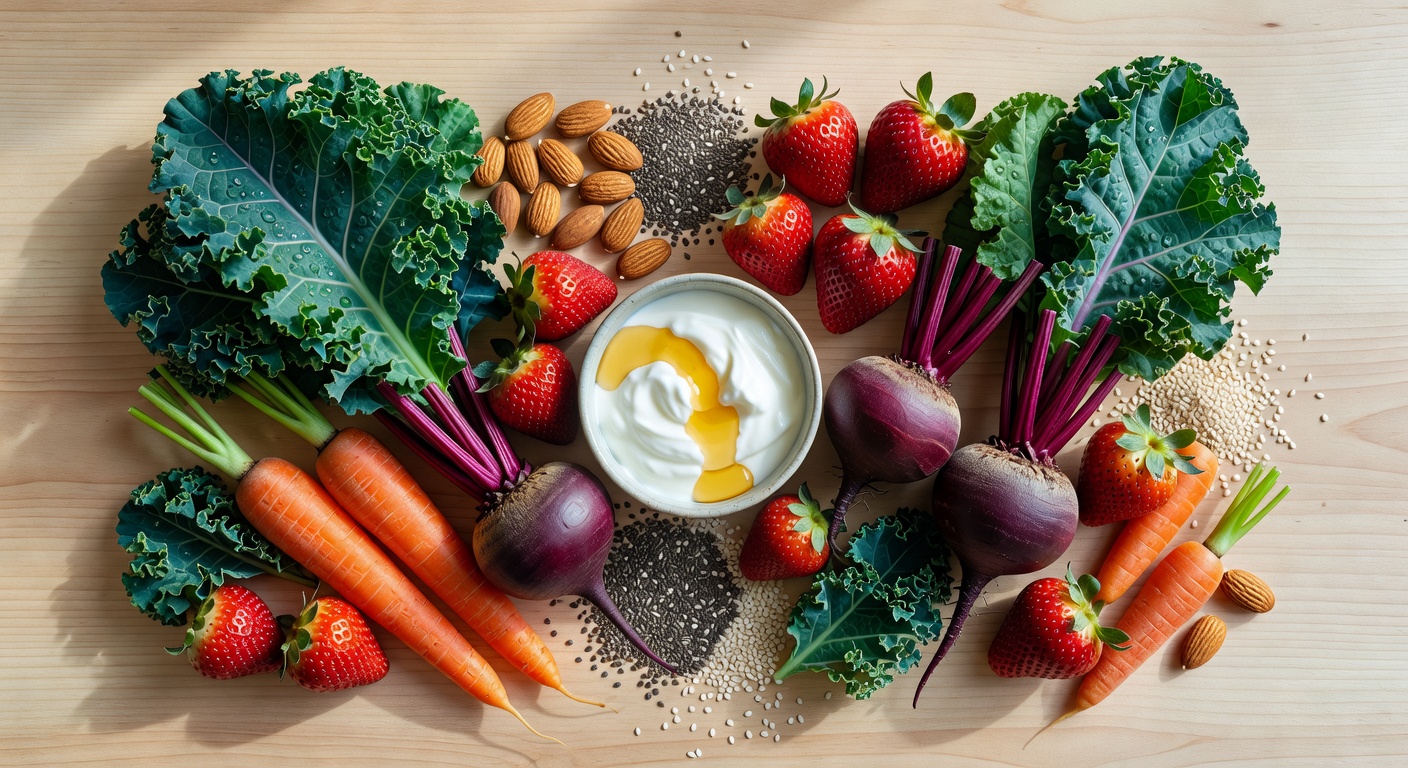
<p>AI nutrition tools excel at creating hyper-personalized meal plans that prioritize bone-supporting foods while fitting individual preferences, allergies, cultural backgrounds, and daily schedules. For bone density, the focus often includes boosting calcium-rich foods (dairy, fortified plant milks, leafy greens, almonds), vitamin D sources (fatty fish, egg yolks, or fortified items), and magnesium-packed options (nuts, seeds, whole grains). AI can simulate how different combinations affect nutrient absorption and suggest adjustments, such as pairing vitamin D with healthy fats for better uptake.</p>
<p>Beyond basic macros, modern AI systems integrate microbiome data, inflammation markers, and even gut health insights to recommend prebiotic or probiotic-rich foods that indirectly support bone metabolism. In 2026, these platforms increasingly use multimodal inputs — from photo-based food logging to blood test uploads — to deliver real-time tweaks that help users maintain consistent nutrient levels for long-term skeletal strength.</p>
<div class="ainutry-supplements">
<h3>🛒 Recommended by AINutry</h3>
<p>We’ve selected the best evidence-based nutrition products for you:</p>
<ul>
<li><a href="https://www.amazon.es/s?k=multivitamin+daily&tag=ainutryes-21&tag=ainutry20-20" rel="sponsored nofollow" target="_blank"><br />
💊 Multivitamin</a></li>
<li><a href="https://www.amazon.es/s?k=omega+3+fish+oil+supplement&tag=ainutryes-21&tag=ainutry20-20" rel="sponsored nofollow" target="_blank"><br />
🐟 Omega-3</a></li>
<li><a href="https://www.amazon.es/s?k=protein+powder+whey&tag=ainutryes-21&tag=ainutry20-20" rel="sponsored nofollow" target="_blank"><br />
💪 Protein Powder</a></li>
<li><a href="https://www.amazon.es/s?k=probiotic+supplement+50+billion&tag=ainutryes-21&tag=ainutry20-20" rel="sponsored nofollow" target="_blank"><br />
🌿 Probiotic</a></li>
<li><a href="https://www.amazon.es/s?k=magnesium+glycinate+supplement&tag=ainutryes-21&tag=ainutry20-20" rel="sponsored nofollow" target="_blank"><br />
🔋 Magnesium</a></li>
</ul>
<p>* Amazon affiliate links. Commission at no extra cost to you.</p>
</div>
<p>Users report higher satisfaction and better compliance when plans feel custom-made rather than restrictive. AI helps avoid common pitfalls, such as excessive oxalate intake that can hinder calcium absorption or imbalanced phosphorus levels from processed foods, ensuring every recommendation actively contributes to stronger bones.</p>
<h2 id="section4">Beyond Nutrition: Leveraging AI to Inform Exercise and Lifestyle Choices for Bone Strength</h2>
<p>Nutrition is only one pillar of bone health. AI platforms now integrate exercise data from fitness trackers to recommend weight-bearing, resistance, and impact activities that stimulate bone formation. For example, progressive resistance training targeting the lower body and core has shown strong effects on femoral neck and lumbar spine BMD. AI can analyze your current fitness level, age, and injury history to generate safe, progressive routines — such as 3 sessions per week of squats, deadlifts, or jumping exercises — while monitoring recovery to prevent overtraining.</p>
<p>Lifestyle factors like sleep quality, stress levels, smoking status, and alcohol consumption also influence bone remodeling. AI tools process this holistic data to provide actionable alerts, such as suggesting stress-reduction techniques (meditation or yoga) that lower cortisol, which can otherwise accelerate bone loss. In postmenopausal women and older adults, even light daily activity replacing sedentary time yields measurable BMD benefits when guided by personalized insights.</p>
<p>By combining dietary optimization with tailored movement plans, AI creates synergistic effects. Research indicates that multimodal interventions — nutrition plus targeted exercise — outperform single-modality approaches for preserving or increasing bone density across various age groups.</p>
<h2 id="section5">Real-World Applications and Future Directions in AI Nutrition for Bone Density</h2>
<p>In practice, platforms like AINUTRY are already helping thousands of users track progress through integrated dashboards that visualize changes in estimated BMD risk, nutrient scores, and adherence metrics. Real-world examples include older adults who, after following AI-adjusted plans rich in protein and micronutrients alongside resistance training, report improved balance, reduced fall risk, and better overall mobility.</p>
<p>Future directions point toward even greater integration: AI models incorporating genomic data for vitamin D receptor variations, continuous glucose or inflammation monitoring, and predictive analytics for fracture risk. By 2026 and beyond, explainable AI will make recommendations more transparent, building user trust while advancing precision nutrition for bone health on a global scale. Emerging studies highlight AI's role in predicting bone mineral density abnormalities and personalizing interventions for high-risk groups, such as those with chronic kidney disease or postmenopausal women.<grok-card data-id="4fd8d4" data-type="citation_card" data-plain-type="render_inline_citation" ></grok-card></p>
<h2 id="section6">What the Research Says: Evidence on Nutrition, Exercise, and Bone Density</h2>
<p>A 2025 systematic review and meta-analysis of 24 randomized controlled trials involving over 2,200 postmenopausal women demonstrated that combining exercise with nutrition led to statistically significant improvements in BMD at weight-bearing sites compared to nutrition interventions alone.<grok-card data-id="9c3496" data-type="citation_card" data-plain-type="render_inline_citation" ></grok-card></p>
<p>Another 2025 meta-analysis focusing on calcium and vitamin D supplementation in postmenopausal women with osteoporosis found modest gains in pelvic BMD, though effects on overall fracture risk varied across large trials. Earlier work, including a major analysis commissioned by the National Osteoporosis Foundation, reported up to 15% reduction in total fractures and 30% in hip fractures with combined supplementation in mixed adult populations.<grok-card data-id="abea29" data-type="citation_card" data-plain-type="render_inline_citation" ></grok-card></p>
<p>A 2022 large-scale trial published in the New England Journal of Medicine (VITAL trial follow-up elements) and related meta-analyses have refined our understanding of vitamin D's role, showing context-specific benefits particularly when baseline levels are low or combined with adequate calcium and physical activity. High-impact and resistance exercises consistently show benefits for trabecular and cortical bone parameters in meta-analyses spanning children to older adults.<grok-card data-id="770d03" data-type="citation_card" data-plain-type="render_inline_citation" ></grok-card></p>
<p>Collectively, the research underscores that personalized, AI-supported strategies — blending optimized nutrition with appropriate exercise — offer the most promising path for maintaining or enhancing bone density in 2026 and beyond.</p>
<h2 id="section7">Practical Tips for Improving Bone Density with AI Nutrition in 2026</h2>
<p>Start by inputting comprehensive data into your AI nutrition app: recent bloodwork (especially 25-hydroxyvitamin D, calcium, and parathyroid hormone levels), dietary logs, and activity history. Aim for consistent daily calcium intake of 1,000–1,200 mg (adjusted by AI for your age and absorption factors) from food first, with supplements only when gaps exist.</p>
<p>Incorporate weight-bearing movement most days — even short sessions of brisk walking, stair climbing, or bodyweight exercises — and let AI progress your routine safely. Prioritize protein at 1.0–1.2 g per kg of body weight daily from diverse sources to support muscle and bone matrix. Limit excessive sodium, caffeine, and alcohol, which AI can flag in your meal patterns.</p>
<p>Monitor progress quarterly with DEXA scans or AI-estimated trends, and adjust based on feedback loops. Combine these habits with good sleep (7–9 hours) and sunlight exposure or supplemented vitamin D as recommended. Small, consistent changes guided by AI can compound into significant long-term gains in bone strength and reduced fracture risk.</p>
<p>Consult your healthcare provider before making major changes, especially if you have existing conditions or take medications affecting bone metabolism.</p>
<p><script type="application/ld+json">
{
"@context": "https://schema.org",
"@type": "Article",
"headline": "AI Nutrition for bone density: Complete Guide",
"description": "Learn about AI Nutrition for bone density: Complete Guide. AI-powered nutrition insights, evidence-based information, and practical tips for your health jo",
"author": {
"@type": "Organization",
"name": "AINutry",
"url": "https://ainutry.online"
},
"publisher": {
"@type": "Organization",
"name": "AINutry",
"url": "https://ainutry.online"
},
"datePublished": "2026-04-05",
"dateModified": "2026-04-05",
"mainEntityOfPage": {
"@type": "WebPage",
"@id": "https://ainutry.online/ai-nutrition-for-bone-density-complete-guide/"
}
}
</script></p>
<p><script type="application/ld+json">
{
"@context": "https://schema.org",
"@type": "BreadcrumbList",
"itemListElement": [
{
"@type": "ListItem",
"position": 1,
"name": "Home",
"item": "https://ainutry.online"
},
{
"@type": "ListItem",
"position": 2,
"name": "Goals",
"item": "https://ainutry.online/category/goals/"
},
{
"@type": "ListItem",
"position": 3,
"name": "AI Nutrition for bone density: Complete Guide",
"item": "https://ainutry.online/ai-nutrition-for-bone-density-complete-guide/"
}
]
}
</script></p>
<!-- NEWSLETTER_PLACEHOLDER --><div class="sib_loader"><img
src="https://ainutry.online/wp-includes/images/spinner.gif" alt="loader"></div>
<input type="hidden" name="sib_form_action" value="subscribe_form_submit">
<input type="hidden" name="sib_form_id" value="1">
<input type="hidden" name="sib_form_alert_notice" value="Please fill out this field">
<input type="hidden" name="sib_form_invalid_email_notice" value="Your email address is invalid">
<input type="hidden" name="sib_security" value="f09...[truncated]Perguntas frequentes
Quem pode se beneficiar mais dos planos nutricionais de densidade óssea baseados em IA?
Os planos nutricionais baseados em IA são particularmente benéficos para indivíduos com factores de risco específicos de baixa densidade óssea, tais como mulheres na pós-menopausa, adultos mais velhos ou aqueles com histórico familiar de osteoporose. Eles oferecem recomendações altamente personalizadas com base em dados genéticos individuais, estilo de vida e condições de saúde existentes para otimizar a saúde óssea.
Existem riscos associados ao cumprimento das recomendações nutricionais da IA para a densidade óssea?
Embora a nutrição baseada na IA vise a precisão, os riscos potenciais incluem a dependência excessiva da tecnologia sem supervisão profissional ou a interpretação errada de dados biológicos complexos. É crucial garantir que o sistema de IA seja validado e consultar um profissional de saúde para integrar as recomendações de IA com segurança em seu plano de saúde geral.
Como a nutrição AI personaliza o tempo e a dosagem dos suplementos para a saúde óssea?
Os sistemas de IA analisam vastos conjuntos de dados, incluindo biomarcadores individuais, ingestão alimentar, níveis de atividade e até padrões de sono para recomendar horários e dosagens ideais de nutrientes. Esta personalização visa maximizar a absorção e utilização de nutrientes de suporte ósseo, como cálcio, vitamina D e magnésio, alinhando-se com os ritmos naturais do corpo.
Quais são as alternativas tradicionais à nutrição personalizada com IA para melhorar a densidade óssea?
As abordagens tradicionais para melhorar a densidade óssea envolvem uma dieta equilibrada, rica em cálcio e vitamina D, exercícios regulares de levantamento de peso e fortalecimento muscular e evitar fumar e consumir álcool em excesso. Consultar um nutricionista ou médico registrado para aconselhamento personalizado e possível suplementação continua sendo uma alternativa altamente eficaz.
Leave a Reply