
Copiar
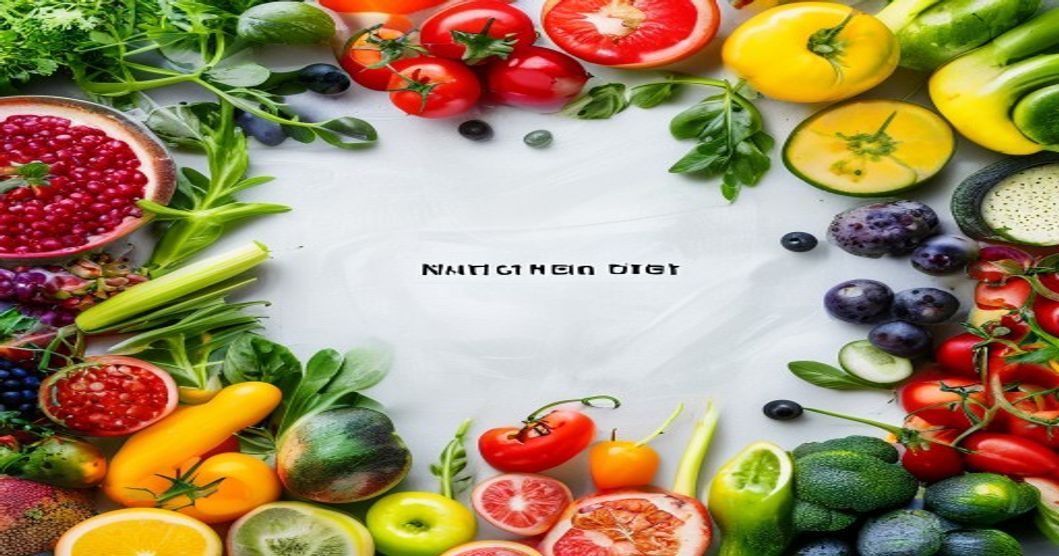
<figure class="ainutry-hero-figure"><img class="ainutry-hero-img" src="https://ainutry.online/wp-content/uploads/2026/04/ainutry-ai-nutrition-vs-paleo-diet-which-is-better-hero.jpg" alt="AI Nutrition vs paleo diet: Which Is Better? — AINutry" /><figcaption class="ainutry-hero-caption">AI Nutrition vs paleo diet: Which Is Better? — AINutry</figcaption></figure>
<script type="application/ld+json">
{
  "@context": "https://schema.org",
  "@type": "Article",
  "headline": "AI Nutrition vs paleo diet: Which Is Better?",
  "description": "Learn about AI Nutrition vs paleo diet: Which Is Better?. AI-powered nutrition insights, evidence-based information, and practical tips for your health jou",
  "image": [
    {
      "@type": "ImageObject",
      "url": "https://ainutry.online/wp-content/uploads/2025/06/ainutry-avatar.webp",
      "width": 1200,
      "height": 675
    }
  ],
  "author": {
    "@type": "Organization",
    "name": "AINutry Editorial Team",
    "url": "https://ainutry.online",
    "logo": {
      "@type": "ImageObject",
      "url": "https://ainutry.online/wp-content/uploads/2025/06/ainutry-avatar.webp"
    }
  },
  "publisher": {
    "@type": "Organization",
    "name": "AINutry",
    "url": "https://ainutry.online",
    "logo": {
      "@type": "ImageObject",
      "url": "https://ainutry.online/wp-content/uploads/2025/06/ainutry-avatar.webp",
      "width": 512,
      "height": 512
    }
  },
  "datePublished": "2026-04-20T07:15:48+00:00",
  "dateModified": "2026-04-20T07:15:48+00:00",
  "mainEntityOfPage": {
    "@type": "WebPage",
    "@id": "https://ainutry.online/ai-nutrition-vs-paleo-diet-which-is-better/"
  },
  "inLanguage": "en-US"
}
</script>
<script type="application/ld+json">
{
  "@context": "https://schema.org",
  "@type": "BreadcrumbList",
  "itemListElement": [
    {
      "@type": "ListItem",
      "position": 1,
      "name": "Home",
      "item": "https://ainutry.online"
    },
    {
      "@type": "ListItem",
      "position": 2,
      "name": "Comparisons",
      "item": "https://ainutry.online/category/comparisons/"
    },
    {
      "@type": "ListItem",
      "position": 3,
      "name": "AI Nutrition vs paleo diet: Which Is Better?",
      "item": "https://ainutry.online/ai-nutrition-vs-paleo-diet-which-is-better/"
    }
  ]
}
</script>

<h1>AI Nutrition vs Paleo Diet: Which Is Better?</h1>

<p>A 2022 meta-analysis published in the journal <em>Nutrients</em> found that the Paleo Diet achieved the highest overall SUCRA score of 67.2% for improving key markers of chronic disease—including inflammation, blood lipids, and glycemic control—outperforming the Mediterranean diet (57.4%) and DASH diet (62.4%). Yet in 2026, AI Nutrition platforms are transforming how people eat by analyzing genetics, gut microbiome data, continuous glucose monitoring, and lifestyle factors to create hyper-personalized meal plans that adapt in real time. This head-to-head comparison of AI Nutrition vs Paleo Diet explores which approach delivers better results for weight loss, long-term health, sustainability, and everyday practicality.</p>

<p>The rise of both trends reflects a growing desire for science-backed eating strategies amid rising obesity rates and chronic disease. The Paleo Diet draws inspiration from our hunter-gatherer ancestors, emphasizing whole foods while eliminating grains, dairy, legumes, and processed items. Meanwhile, AI Nutrition leverages machine learning algorithms to move beyond generic advice, offering dynamic recommendations tailored to your unique biology. As the AI-powered personalized nutrition market expands from $1.12 billion in 2024 to a projected $4.26 billion by 2032 at a CAGR of 18.19% (DataM Intelligence), millions are wondering: Is the ancient Paleo blueprint still superior, or does modern AI Nutrition provide a smarter, more effective path?</p>

<p>In this comprehensive guide, we break down the core principles, scientific evidence, pros and cons, and real-world applications of each. Whether you seek sustainable fat loss, better blood sugar control, or simply more energy, understanding AI Nutrition vs Paleo Diet will help you make an informed choice—or even combine the best of both for optimal results.</p>

<h2>Paleo Diet Explained: Ancient Principles for Modern Health and Weight Management</h2>

<p>The Paleo Diet, often called the “caveman diet,” is built on the idea that human genetics have changed little since the Paleolithic era. It prioritizes lean meats, fish, fruits, vegetables, nuts, and seeds while strictly avoiding grains, dairy products, legumes, refined sugars, and ultra-processed foods. Proponents argue this approach reduces inflammation and aligns with our evolutionary biology, leading to improved metabolic health.</p>

<p>Core rules are straightforward yet restrictive: eat only foods that could be hunted or gathered. This naturally boosts intake of fiber-rich produce, healthy fats from avocados and nuts, and high-quality proteins. Many followers report rapid initial weight loss due to the elimination of calorie-dense processed carbs and the natural satiety from protein and fat. However, long-term adherence can be challenging because of limited food variety and social dining constraints.</p>

<p>Despite its popularity, the Paleo Diet has faced criticism for potential nutrient gaps, particularly in calcium and vitamin D from excluded dairy, and fiber from whole grains and legumes. A 2025 systematic literature review of seven studies involving 880 participants with obesity found that those adhering to the Paleo Diet for eight weeks achieved an average weight reduction of 5.3 kilograms, along with improvements in fat mass and cardiometabolic risk factors—though benefits tended to diminish over longer periods due to lower adherence rates compared with Mediterranean or intermittent fasting protocols.</p>

<h2>AI Nutrition Explained: How Artificial Intelligence Creates Hyper-Personalized Diet Plans</h2>

<p>AI Nutrition represents the cutting edge of precision health, using advanced algorithms, machine learning, and vast datasets to generate individualized eating strategies. Platforms like AINutry analyze inputs ranging from DNA tests and microbiome sequencing to wearable glucose monitors, activity trackers, and even sleep patterns. The result? Meal plans that evolve daily based on your body’s real-time responses rather than rigid rules.</p>

<p>Unlike one-size-fits-all diets, AI Nutrition can predict how specific foods affect your blood sugar, inflammation markers, or energy levels. For instance, it might recommend sweet potatoes over white rice for one user while suggesting a different carb source for someone with different genetic markers. This data-driven customization helps overcome the guesswork that plagues traditional diets.</p>

<p>Recent research highlights impressive outcomes. AI-generated dietary interventions have achieved a 39% reduction in IBS symptom severity and up to a 72.7% diabetes remission rate in comparative studies, with six out of nine trials showing statistically superior clinical results versus standard advice. As adoption surges, the global AI in personalized nutrition market is exploding—projected to reach $8.04 billion by 2033 at a 23.77% CAGR—driven by accessible mobile apps and affordable at-home testing kits.</p>

<h2>AI Nutrition vs Paleo Diet: Key Differences, Similarities, and Head-to-Head Comparison</h2>

<p>Both AI Nutrition and the Paleo Diet emphasize whole, unprocessed foods and aim to reduce inflammation and stabilize blood sugar. However, their approaches diverge significantly in flexibility and personalization. The Paleo Diet follows fixed guidelines based on evolutionary theory, making it simple to follow but potentially mismatched to individual genetics or lifestyle. AI Nutrition, by contrast, adapts continuously, incorporating your unique data for greater precision.</p>

<p>In terms of weight loss, Paleo often delivers quick results through carb restriction and high satiety. AI Nutrition can match or exceed this by optimizing macros and timing around your personal metabolic responses, potentially leading to better long-term adherence. Sustainability is another differentiator: Paleo’s restrictive nature leads to higher dropout rates over time, while AI’s dynamic adjustments keep users engaged.</p>

<p>Nutrient completeness also varies. Paleo may fall short in certain minerals without careful planning, whereas AI Nutrition can flag and correct deficiencies proactively. Cost is a factor too—Paleo relies on premium produce and meats, while AI platforms involve subscription fees but reduce food waste through precise recommendations. Overall, AI Nutrition vs Paleo Diet often comes down to your preference for structure versus technology-driven customization.</p>

<h2>What the Research Says: Scientific Evidence on AI Nutrition vs Paleo Diet Effectiveness</h2>

<p>Scientific literature increasingly supports both approaches, but with different strengths. The 2022 meta-analysis in <em>Nutrients</em> ranked the Paleo Diet highest (SUCRA 67.2%) among popular diets for improving cardiometabolic markers, showing reductions in fasting insulin, total cholesterol, LDL cholesterol, triglycerides, body weight, BMI, and diastolic blood pressure. Cohort studies linked high Paleo adherence to 10% lower all-cause mortality, 10% reduced cancer mortality, and 16% lower coronary heart disease incidence.</p>

<p>Yet emerging AI Nutrition trials demonstrate comparable or superior outcomes through personalization. Randomized studies using AI-driven apps have reported greater improvements in LDL cholesterol, HbA1c, and waist circumference than standard counseling. One six-week AI intervention significantly increased microbiome diversity (Chao1 index from 220.4 to 241.5) and reduced waist circumference while lowering carbohydrate and protein intake without rigid elimination rules.</p>

<p>A 2025 scoping review of AI precision nutrition studies noted a surge in research since 2020, with strong performance in diabetes management, cardiovascular risk reduction, and behavioral adherence—improving user compliance by up to 32% over conventional methods. While Paleo excels in short-term weight loss (average 5.3 kg in eight weeks per the 2025 systematic review), AI Nutrition shows promise for sustained results by adapting to plateaus and individual variability. Long-term head-to-head data remain limited, but current evidence suggests AI Nutrition may offer an edge for those with complex health profiles or busy lifestyles.</p>

<h2>Practical Tips for Choosing or Combining AI Nutrition and Paleo Diet</h2>

<p>Deciding between AI Nutrition vs Paleo Diet—or blending them—depends on your goals, budget, and tech comfort. Start by assessing your needs: if you crave simplicity and enjoy meat-heavy meals, begin with Paleo for 4–6 weeks and track results. For data enthusiasts seeking maximum personalization, launch with an AI platform like AINutry to generate your baseline plan.</p>

<ul>
<li><strong>Track and test:</strong> Use a continuous glucose monitor or at-home microbiome kit before committing. AI Nutrition excels here by interpreting the data automatically.</li>
<li><strong>Hybrid approach:</strong> Follow Paleo food principles (no grains, dairy, or processed items) but let AI optimize portions, timing, and substitutions based on your biomarkers. This combines evolutionary wisdom with modern precision.</li>
<li><strong>Budget smart:</strong> Shop seasonal produce and bulk nuts for Paleo; leverage AI meal planners to minimize waste and suggest affordable swaps.</li>
<li><strong>Monitor adherence:</strong> Set weekly check-ins. If Paleo feels too restrictive after a month, switch to AI-generated variations that maintain whole-food focus.</li>
<li><strong>Supplement wisely:</strong> Both diets may benefit from targeted support—AI Nutrition can recommend exact vitamins based on your bloodwork.</li>
</ul>

<p>Try AINutry’s AI Nutrition platform today and use promo code <strong>ainutry20-20</strong> for an exclusive 20% discount on your personalized plan. Whether you choose pure Paleo, full AI guidance, or a smart hybrid, consistency and professional medical oversight remain key to success.</p>

<h2>Potential Drawbacks and Long-Term Considerations for AI Nutrition vs Paleo Diet</h2>

<p>No eating strategy is perfect. The Paleo Diet’s strict exclusions can lead to social challenges, higher grocery costs, and possible shortfalls in calcium, vitamin D, and certain B vitamins if not supplemented thoughtfully. Long-term studies show mixed results on bone health and gut microbiome diversity when grains and legumes are permanently removed.</p>

<p>AI Nutrition, while highly effective, depends on accurate input data and consistent app usage. Privacy concerns around health data sharing and the learning curve for interpreting AI insights are valid hurdles. Subscription costs may deter some users, though many platforms offer free trials. Neither approach replaces medical advice—especially for those with diagnosed conditions.</p>

<p>Ultimately, the “best” choice evolves with your life stage, genetics, and preferences. Regular health check-ups and periodic reassessment ensure your chosen path continues delivering results.</p>

<h2>Final Verdict: AI Nutrition vs Paleo Diet – Which Wins for You?</h2>

<p>Both AI Nutrition and the Paleo Diet offer powerful tools for better health, but they shine in different scenarios. Paleo provides a straightforward, ancestral framework proven to drive short-term metabolic improvements and weight loss. AI Nutrition delivers next-level personalization, adaptability, and data-backed precision that can enhance adherence and long-term outcomes for many users.</p>

<p>For most people in 2026, a hybrid strategy—Paleo-inspired whole foods guided by AI insights—may deliver the greatest benefits. Tools like AINutry make this seamless by turning complex science into simple, daily recommendations. The real winner isn’t one diet over the other; it’s the approach that fits your lifestyle and keeps you consistent.</p>

<p>Ready to optimize your nutrition? Explore AI-powered personalization with AINutry using code <strong>ainutry20-20</strong> and experience the future of eating today. Remember, sustainable change comes from informed choices supported by evidence and professional guidance.</p>

<!-- NEWSLETTER_PLACEHOLDER --></div>
<div class="ainutry-disclaimer"><strong>Disclaimer:</strong> This content is for informational purposes only and does not constitute medical advice. Always consult a qualified healthcare professional before making changes to your diet, supplement routine, or health regimen. Individual results may vary.</div>Perguntas frequentes
Quem tem maior probabilidade de se beneficiar de um plano AI Nutrition em comparação com uma dieta Paleo tradicional?
Indivíduos que buscam orientação dietética altamente personalizada com base em dados biométricos, genéticos e de estilo de vida exclusivos podem preferir a AI Nutrition. Em contraste, aqueles que procuram uma abordagem mais simples e baseada em alimentos integrais, enraizada em princípios alimentares ancestrais, podem achar a dieta Paleo mais adequada.
Quais são as potenciais deficiências nutricionais ou considerações de segurança ao seguir rigorosamente uma dieta Paleo?
Uma dieta Paleo rigorosa, ao eliminar grupos alimentares inteiros como grãos, legumes e laticínios, pode potencialmente levar a deficiências de cálcio, vitamina D e certas vitaminas B se não for cuidadosamente planejada. É crucial garantir a ingestão adequada destes nutrientes de fontes permitidas ou considerar a suplementação sob orientação profissional.
Como a AI Nutrition determina recomendações dietéticas personalizadas e que tipos de dados normalmente estão envolvidos?
A AI Nutrition aproveita vários pontos de dados, como genética individual, análise do microbioma intestinal, níveis de atividade, metas de saúde e feedback biométrico em tempo real para criar planos de refeições personalizados. Esta abordagem baseada em dados visa otimizar a ingestão de nutrientes e os resultados de saúde para o usuário específico.
Uma dieta Paleo pode ser adaptada de forma eficaz para o gerenciamento de condições crônicas de saúde específicas ou a AI Nutrition é uma alternativa superior?
Embora a ênfase da dieta Paleo em alimentos integrais e não processados possa ser benéfica para reduzir a inflamação e apoiar a saúde geral, as suas amplas restrições podem não ser ideais para todas as condições crónicas. A AI Nutrition, com a sua personalização precisa, pode potencialmente oferecer estratégias dietéticas mais direcionadas e adaptáveis para a gestão de problemas de saúde complexos, considerando biomarcadores individuais.
Quais são as principais diferenças nas restrições e subsídios de grupos alimentares entre um plano de Nutrição AI e a dieta Paleo?
A dieta Paleo exclui estritamente grãos, legumes, laticínios, açúcares refinados e alimentos processados, concentrando-se em carnes magras, peixes, frutas, vegetais, nozes e sementes. A AI Nutrition, por outro lado, pode não ter restrições universais, mas adapta recomendações alimentares com base em dados individuais, potencialmente permitindo ou restringindo alimentos específicos de forma diferente para cada utilizador, a fim de optimizar os seus marcadores de saúde únicos.
Leave a Reply