
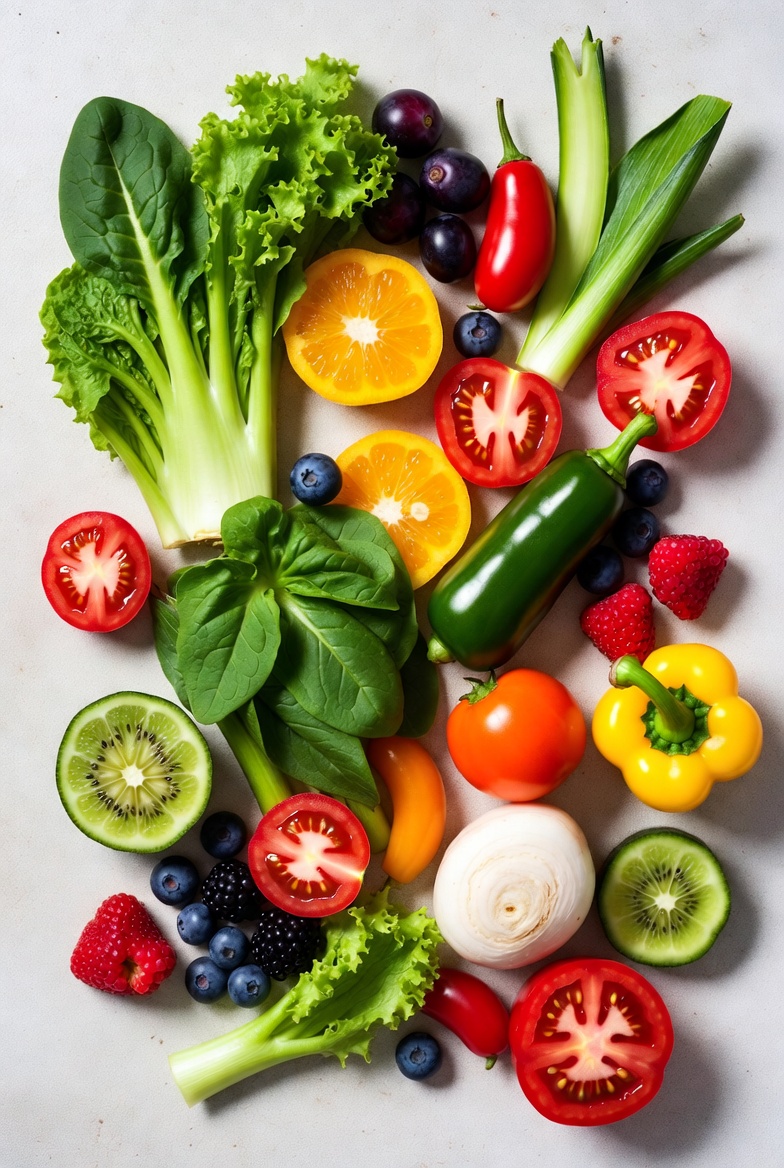
 diet-hero.jpg” alt=”Movido por IA Nutrition Em comparação com a dieta de alimentos crus — AInutry” />
Copiar
<h1>AI-Powered Nutrition Compared to Raw Food Diet</h1>
<p>Artificial intelligence (AI)-powered nutrition leverages machine learning algorithms, multi-omics data, and real-time physiological monitoring to generate individualized dietary recommendations tailored to genetic, microbiome, metabolic, and lifestyle profiles. In contrast, the raw food diet emphasizes the consumption of unprocessed, uncooked plant-based foods, predicated on the preservation of heat-sensitive enzymes and nutrients. Both approaches seek to optimize human health through dietary intervention, yet they differ fundamentally in methodology, evidence base, and clinical applicability. This article compares these paradigms using peer-reviewed data on nutritional outcomes, metabolic effects, and practical feasibility, highlighting strengths, limitations, and potential synergies.</p>
<h2>Foundations of AI-Powered Nutrition</h2>
<h3>Technological Mechanisms</h3>
<p>AI-driven systems integrate data from continuous glucose monitors, wearable sensors, genomic sequencing, and dietary logging applications to predict postprandial glycemic responses and recommend meals. Machine learning models, including deep generative networks and natural language processing, analyze vast datasets to align recommendations with established nutritional guidelines while accounting for individual variability (Papastratis et al., 2024). Scoping reviews indicate that over 75% of precision nutrition studies employing AI have been published since 2020, utilizing techniques such as computer vision for food recognition and federated learning for privacy-preserving personalization (Wu et al., 2025). These platforms enable dynamic adjustments, such as real-time macronutrient balancing, surpassing static dietary templates.</p>
<h3>Evidence of Efficacy</h3>
<p>Randomized controlled trials demonstrate superior outcomes with AI personalization compared to generic advice. In one multicenter study, AI-guided nutrition produced greater reductions in triglycerides (−0.13 mmol/L), body weight (−2.46 kg), waist circumference (−2.35 cm), and HbA1c relative to standard recommendations (Bermingham et al., 2024). A systematic review of AI-generated dietary interventions reported statistically significant improvements in glycemic control, metabolic health, and psychological well-being, with a 39% reduction in irritable bowel syndrome symptom severity and a 72.7% diabetes remission rate in intervention arms (Wang et al., 2025). Pilot data further show enhanced gut microbiome diversity after six weeks of AI-tailored programs, correlating with reduced diet-related inflammation markers (Rouskas et al., 2025).</p>
<h2>Principles and Evidence for the Raw Food Diet</h2>
<h3>Dietary Framework</h3>
<p>The raw food diet typically comprises 70–100% uncooked foods, predominantly fruits, vegetables, nuts, seeds, and sprouted grains, with minimal or no animal products. Proponents argue that heating above 40–48°C denatures enzymes and reduces bioavailability of heat-labile vitamins. Cross-sectional analyses reveal heterogeneous implementation, with strict adherents deriving median energy intakes as low as 5.6 MJ/day in women and 9.6 MJ/day in men, accompanied by elevated fiber consumption (Abraham et al., 2022).</p>
<h3>Observed Health Effects</h3>
<p>Long-term adherents exhibit favorable shifts in body composition, including lower BMI and body fat percentages compared to vegan and omnivorous controls. However, restrictive patterns frequently result in underweight status (19% of participants) and self-reported amenorrhea in women (Koebnick et al., 2005; Abraham et al., 2022). Reviews conclude that raw vegan diets exceeding 90% raw content cannot be recommended long-term owing to cumulative micronutrient shortfalls (Pahlavani et al., 2023).</p>
<h2>Nutritional Adequacy and Deficiencies</h2>
<h3>Macronutrients and Energy Intake</h3>
<p>AI systems achieve high macronutrient accuracy (87% alignment with guidelines) through iterative optimization but occasionally underestimate total energy by approximately 695 kcal/day in adolescent models, underscoring the need for clinician oversight (Papastratis et al., 2024). Conversely, raw food diets consistently deliver the lowest energy, protein, and carbohydrate intakes among plant-based cohorts, with median protein values below those of vegans and fat intakes as low as 31 g/day in women (Abraham et al., 2022). This caloric restriction drives rapid weight loss but risks sarcopenia and metabolic adaptation over time.</p>
<h3>Micronutrient Profiles</h3>
<p>AI platforms incorporate nutrient databases and user biomarkers to mitigate deficiencies proactively, recommending fortified foods or supplements when indicated. Raw food consumers, however, demonstrate systematic shortfalls: calcium (561–710 mg/day), iodine (49.6–78.9 µg/day), zinc, and vitamin D3 levels significantly below reference groups (Abraham et al., 2022). Vitamin B12 status is particularly compromised; without supplementation, median serum levels fall to 152 ng/L, with 50% of participants exhibiting homocysteine concentrations above 12 µmol/L (Abraham et al., 2022). Earlier data corroborate 38% functional B12 deficiency and elevated homocysteine in 51% of long-term adherents (Koebnick et al., 2005).</p>
<h2>Impacts on Metabolic and Cardiovascular Health</h2>
<h3>Lipid Profiles and Weight Management</h3>
<p>Both approaches influence lipid metabolism favorably yet through distinct pathways. Strict raw food consumption lowers total cholesterol, LDL cholesterol (negative trend with raw proportion, P=0.031), and triglycerides, with no participants showing elevated triglycerides (Koebnick et al., 2005). However, 46% develop low HDL cholesterol, correlating inversely with raw food percentage (P=0.018). AI-personalized nutrition yields comparable or superior weight loss and triglyceride reductions while preserving HDL through balanced macronutrient ratios and microbiome modulation (Bermingham et al., 2024; Wang et al., 2025).</p>
<h3>Glycemic Control and Gut Microbiome</h3>
<p>AI models excel in postprandial glucose prediction, achieving clinically meaningful HbA1c improvements and microbiome diversity gains within six weeks (Rouskas et al., 2025). Raw food diets, rich in fiber, support microbial fermentation but lack the precision to address individual dysbiosis; resultant energy deficits may impair microbial resilience. Systematic evidence indicates AI interventions outperform generic or restrictive diets in glycemic variability and inflammation reduction (Wu et al., 2025).</p>
<h2>Practical Implementation and Long-Term Sustainability</h2>
<h3>User Adherence and Accessibility</h3>
<p>AI applications enhance adherence via mobile interfaces, gamification, and cultural adaptation, with high Diet Quality Index-International scores (>70) across generated plans (Kaçar et al., 2025). Raw food regimens, however, face substantial barriers: limited food variety, extensive preparation time, and social incompatibility contribute to high dropout rates. Cost of specialized equipment and seasonal produce further restricts accessibility, particularly in non-urban settings.</p>
<h3>Safety Concerns and Integration Potential</h3>
<p>Raw diets carry microbial contamination risks and antinutrient exposure, exacerbating deficiencies without supplementation (Pahlavani et al., 2023). AI systems mitigate safety through evidence-based algorithms but require validation against clinical biomarkers to prevent hallucinated recommendations. Hybrid models—combining AI personalization with minimally processed whole foods—offer a pragmatic pathway, leveraging raw diet micronutrient density within algorithmically optimized frameworks.</p>
<h2>Conclusion</h2>
<p>AI-powered nutrition and the raw food diet represent contrasting strategies for dietary optimization: the former prioritizes data-driven precision and adaptability, while the latter emphasizes unprocessed simplicity. Empirical data favor AI approaches for sustained metabolic improvements, microbiome health, and deficiency prevention, whereas raw food diets confer short-term lipid and weight benefits at the expense of long-term nutritional adequacy. Future research should explore integrated protocols that harness AI to enhance raw food safety and completeness. Clinicians and public health practitioners must advocate evidence-based personalization over ideology, ensuring interventions align with individual physiology and lifestyle for optimal health outcomes.</p>
<h2>References</h2>
<ul>
<li>Abraham, K., Trefflich, I., Gauch, F., & Weikert, C. (2022). Nutritional Intake and Biomarker Status in Strict Raw Food Eaters. <em>Nutrients, 14</em>(9), 1725.</li>
<li>Bermingham, K. M., et al. (2024). Personalized nutrition advice using continuous glucose monitors outperforms general dietary advice in a randomized controlled trial. [ZOE/METHOD study].</li>
<li>Kaçar, H. K., et al. (2025). Diet Quality and Caloric Accuracy in AI-Generated Diet Plans. <em>Nutrients</em>.</li>
<li>Koebnick, C., Garcia, A. L., Dagnelie, P. C., Strassner, C., Lindemans, J., Katz, N., Leitzmann, C., & Hoffmann, I. (2005). Long-Term Consumption of a Raw Food Diet Is Associated with Favorable Serum LDL Cholesterol and Triglycerides but Also with Elevated Plasma Homocysteine and Low Serum HDL Cholesterol in Humans. <em>The Journal of Nutrition, 135</em>(10), 2372–2378.</li>
<li>Pahlavani, N., et al. (2023). The effects of a raw vegetarian diet from a clinical perspective. <em>Clinical Nutrition ESPEN</em>.</li>
<li>Papastratis, I., et al. (2024). AI nutrition recommendation using a deep generative network. <em>Scientific Reports</em>.</li>
<li>Rouskas, K., Guela, M., Pantoura, M., et al. (2025). The Influence of an AI-Driven Personalized Nutrition Program on the Human Gut Microbiome and Its Health Implications. <em>Nutrients, 17</em>(7), 1260.</li>
<li>Wang, X., et al. (2025). Artificial Intelligence Applications to Personalized Dietary Recommendations: A Systematic Review. <em>Healthcare, 13</em>(12), 1417.</li>
<li>Wu, X., et al. (2025). A Scoping Review of Artificial Intelligence for Precision Nutrition. <em>Advances in Nutrition, 16</em>(4), 100398.</li>
</ul>Perguntas frequentes
Quem pode se beneficiar mais com a nutrição alimentada por IA?
Indivíduos que buscam orientação dietética altamente personalizada para objetivos específicos de saúde, como controle de peso, desempenho atlético ou gerenciamento de certas condições, geralmente são os que mais se beneficiam. É ideal para quem aprecia insights baseados em dados e planos de refeições adaptáveis com base em dados biométricos e de estilo de vida exclusivos.
Quais são os potenciais riscos ou limitações para a saúde de uma dieta de alimentos crus?
Uma dieta de alimentos crus pode representar riscos como deficiências de nutrientes, especialmente B12, vitamina D, ferro e cálcio, se não for cuidadosamente planejada e complementada. Também pode ser um desafio satisfazer as necessidades calóricas, e certos indivíduos, como mulheres grávidas ou pessoas com sistema imunológico comprometido, podem enfrentar riscos aumentados com alimentos não cozidos.
A nutrição alimentada por IA é uma alternativa adequada para indivíduos que consideram uma dieta de alimentos crus?
Embora ambas as abordagens visem uma alimentação mais saudável, a nutrição alimentada pela IA oferece planos personalizados baseados em dados individuais, enquanto uma dieta de alimentos crus segue uma filosofia específica de alimentos não cozinhados. A nutrição baseada em IA pode ser uma alternativa para aqueles que buscam a otimização baseada em dados, sem as restrições estritas de alimentos crus, incorporando potencialmente uma variedade maior de alimentos.
Qual é o prazo ou compromisso típico exigido para um programa de nutrição baseado em IA?
O compromisso com um programa de nutrição alimentado por IA é normalmente contínuo, à medida que se adapta continuamente com base em novos dados e progressos. A configuração inicial pode envolver a coleta de dados por algumas semanas, seguida de monitoramento contínuo e ajustes para otimizar os resultados ao longo de meses ou até mais, dependendo dos objetivos individuais.
Leave a Reply