
As the world grapples with rising anxiety levels, innovative technologies like Artificial Intelligence (AI) are being harnessed to develop cutting-edge solutions for mental wellness. Recent studies suggest that AI-powered nutrition education platforms may hold the key to mitigating anxiety through tailored dietary advice.
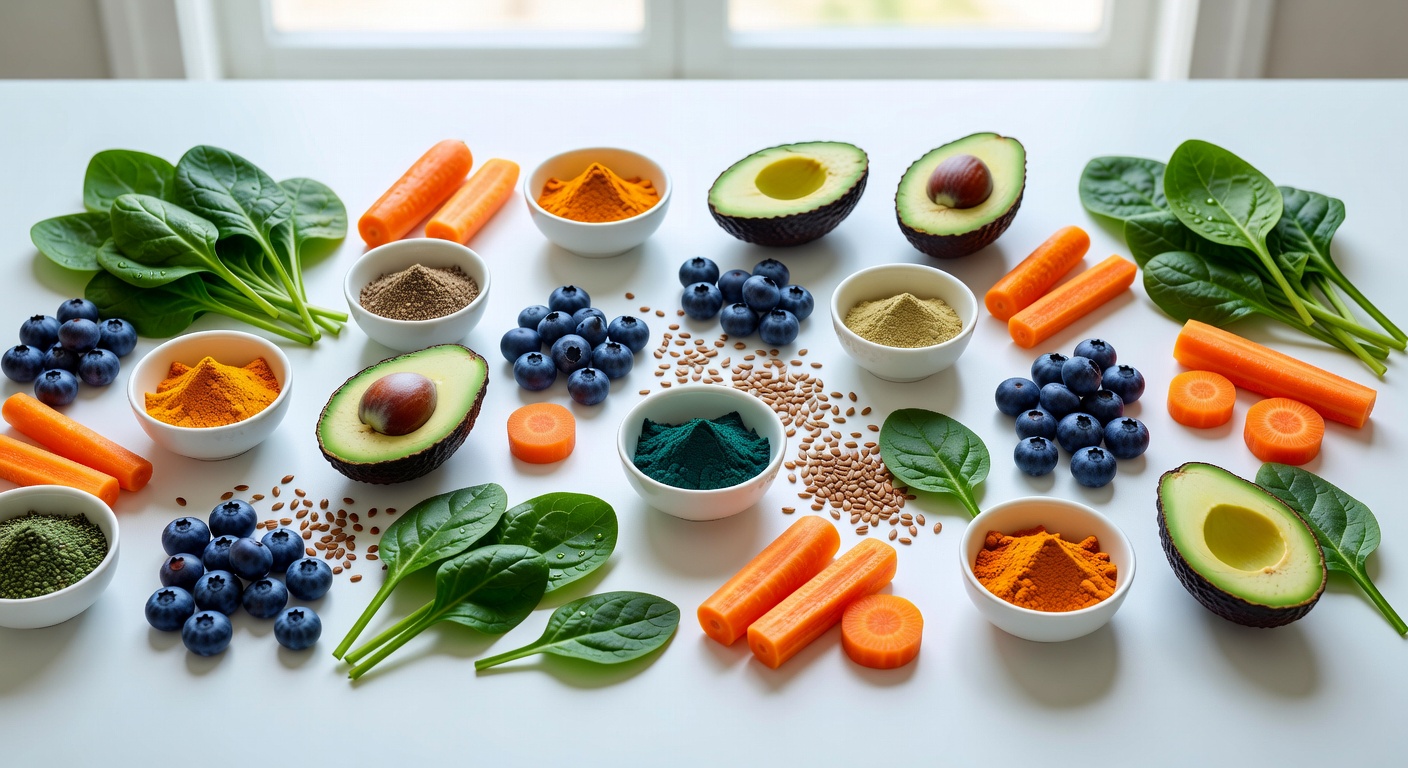
Table of Contents
- Understanding Anxiety and Nutrition: A Scientific Connection
- The Gut-Brain Axis: A Key Pathway for Nutritional Influence on Anxiety
- Specific Nutrients and Dietary Patterns for Anxiety Management
- How AI Nutrition Platforms Can Help with Anxiety
- Key Components of Effective AI-Powered Nutrition Education for Anxiety
- Implementing AI Nutrition: A Step-by-Step Guide for Anxiety Support
- Common Misconceptions About Diet, Anxiety, and AI Nutrition
- Overcoming Challenges and Limitations in AI Nutrition Research
- Beyond Recommendations: The Evolving Role of AI in Nutritional Psychology
- Key Takeaways
- FAQs on AI Nutrition for Anxiety
- Conclusion: Embracing AI Nutrition for a Healthier Tomorrow
Understanding Anxiety and Nutrition: A Scientific Connection
Anxiety disorders are a significant public health concern, with an estimated 284 million people affected worldwide. Research has consistently shown that diet plays a crucial role in mental health, with certain nutrients and food components influencing mood, cognitive function, and anxiety levels. The intricate relationship between what we eat and how we feel is a rapidly evolving field of study, revealing profound connections that extend beyond mere physical well-being.
At a fundamental level, nutrition impacts the brain’s biochemistry. Neurotransmitters like serotonin, dopamine, and GABA, which are critical for mood regulation and anxiety control, are synthesized from amino acid precursors obtained through diet. For instance, tryptophan, an essential amino acid found in foods like turkey, eggs, and nuts, is a precursor to serotonin. A diet rich in these precursors, alongside cofactors like B vitamins and magnesium, supports optimal neurotransmitter production. Conversely, diets high in processed foods, refined sugars, and unhealthy fats can disrupt these delicate biochemical pathways, leading to inflammation and oxidative stress, both of which are strongly implicated in the pathogenesis of anxiety disorders.
Emerging research highlights how dietary patterns can modulate the body’s inflammatory response. Chronic low-grade inflammation, often fueled by poor dietary choices, has been linked to increased anxiety symptoms. Pro-inflammatory cytokines can cross the blood-brain barrier, affecting neuronal function and altering stress responses. An anti-inflammatory diet, rich in fruits, vegetables, whole grains, and omega-3 fatty acids, can help mitigate this systemic inflammation, offering a protective effect against anxiety.
Furthermore, blood sugar regulation is another critical link. Fluctuations in blood glucose levels can trigger stress hormones like cortisol and adrenaline, leading to symptoms that mimic or exacerbate anxiety, such as jitteriness, irritability, and difficulty concentrating. A diet that emphasizes complex carbohydrates, lean proteins, and healthy fats helps stabilize blood sugar, preventing these sharp peaks and valleys and promoting a more consistent, calm state of mind. This foundational understanding underscores why personalized nutritional interventions, especially those powered by AI, are gaining traction as a complementary strategy for anxiety management.
The Gut-Brain Axis: A Key Pathway for Nutritional Influence on Anxiety
The concept of the gut-brain axis has revolutionized our understanding of how nutrition impacts mental health. This bidirectional communication system links the central nervous system with the enteric nervous system, often referred to as the “second brain,” located in the gut. The microbiota - trillions of microorganisms residing in our intestines - plays a pivotal role in this axis, acting as a crucial mediator between diet and anxiety.
The gut microbiota influences brain function through several mechanisms. Firstly, it produces a wide array of neuroactive compounds, including short-chain fatty acids (SCFAs) like butyrate, propionate, and acetate, which are generated from the fermentation of dietary fiber. SCFAs can cross the blood-brain barrier and influence neurotransmitter production, modulate inflammation, and even impact the integrity of the intestinal lining. A robust and diverse microbiota, fostered by a fiber-rich diet, is associated with higher SCFA levels and potentially lower anxiety.
Secondly, the gut microbiota communicates with the brain via the vagus nerve, a major nerve connecting the brainstem to the abdomen. Studies have shown that specific probiotic strains can alter vagal nerve activity, influencing mood and stress responses. This direct neural pathway allows signals from the gut to rapidly affect emotional states. For instance, research in animal models and preliminary human trials has demonstrated that certain probiotics can reduce stress-induced cortisol levels and improve anxiety-like behaviors.
Thirdly, the gut barrier’s integrity is critical. A compromised gut barrier, often termed “leaky gut,” allows bacterial components and toxins to enter the bloodstream, triggering systemic inflammation that can extend to the brain. This neuroinflammation contributes to anxiety and other mood disorders. Nutrients like L-glutamine, zinc, and prebiotics (fibers that feed beneficial gut bacteria) are essential for maintaining a healthy gut lining, thereby reducing inflammatory signals that could exacerbate anxiety. AI platforms can identify dietary gaps that might compromise gut health and recommend specific foods or supplements to support its integrity, leveraging this powerful gut-brain connection to alleviate anxiety symptoms.
Specific Nutrients and Dietary Patterns for Anxiety Management
While the overall dietary pattern is paramount, specific micronutrients and macronutrients have been extensively studied for their direct impact on anxiety. Understanding these components allows for more targeted nutritional interventions, which AI platforms can expertly personalize.
Omega-3 Fatty Acids
Omega-3 polyunsaturated fatty acids, particularly EPA (eicosapentaenoic acid) and DHA (docosahexaenoic acid), are vital for brain health. They are integral components of neuronal membranes, influencing cell signaling and reducing neuroinflammation. A meta-analysis published in *JAMA Network Open* found that omega-3 supplementation, especially at higher doses, was associated with a reduction in anxiety symptoms. Sources include fatty fish (salmon, mackerel, sardines), flaxseeds, chia seeds, and walnuts.
Magnesium
Often referred to as “nature’s tranquilizer,” magnesium plays a role in over 300 enzymatic reactions, including those involved in neurotransmitter synthesis and stress response. It helps regulate the hypothalamic-pituitary-adrenal (HPA) axis, which controls the body’s reaction to stress. Magnesium deficiency is common and has been linked to increased anxiety. Rich sources include leafy green vegetables, nuts, seeds, legumes, and whole grains.
B Vitamins
The B vitamin complex (B1, B2, B3, B5, B6, B7, B9, B12) is crucial for energy production and the synthesis of neurotransmitters. Vitamin B6, for instance, is a cofactor for the conversion of tryptophan to serotonin, while B12 and folate (B9) are essential for methylation processes that impact mood. Deficiencies in B vitamins, particularly B12 and folate, have been associated with mood disturbances and anxiety. Foods rich in B vitamins include whole grains, meat, poultry, fish, eggs, and dark leafy greens.
Probiotics and Prebiotics
As discussed with the gut-brain axis, probiotics (beneficial live bacteria) and prebiotics (non-digestible fibers that feed probiotics) are critical. Probiotic-rich foods like yogurt, kefir, sauerkraut, and kimchi can introduce beneficial bacteria, while prebiotic foods such as garlic, onions, leeks, asparagus, and bananas nourish existing beneficial flora. Emerging evidence suggests a positive impact of psychobiotics (probiotics with mental health benefits) on anxiety.
Antioxidants
Oxidative stress, an imbalance between free radicals and antioxidants, contributes to neuronal damage and inflammation, exacerbating anxiety. A diet rich in antioxidants - found abundantly in colorful fruits and vegetables (berries, citrus, bell peppers, spinach), green tea, and dark chocolate - helps combat this stress, protecting brain cells and promoting mental resilience.
Dietary Patterns
Beyond individual nutrients, holistic dietary patterns offer comprehensive benefits. The **Mediterranean Diet**, characterized by high consumption of fruits, vegetables, whole grains, legumes, nuts, seeds, olive oil, and moderate intake of fish and poultry, has been consistently linked to lower rates of depression and anxiety. Its emphasis on anti-inflammatory, antioxidant-rich foods and healthy fats provides a synergistic effect that supports overall brain health. AI platforms can analyze an individual’s current dietary habits against these evidence-based patterns and provide actionable steps to shift towards a more anxiety-mitigating eating style.
How AI Nutrition Platforms Can Help with Anxiety
AI-powered nutrition education platforms like AINUTRY offer a unique approach to addressing anxiety through personalized dietary recommendations. By leveraging machine learning algorithms and vast amounts of data, these platforms can identify individual nutritional needs and provide tailored advice for mitigating anxiety.
The core strength of AI lies in its ability to process and synthesize complex information far beyond human capacity. For anxiety management, this means integrating data from various sources: user-reported dietary intake, lifestyle habits, existing health conditions, genetic predispositions (if available), and even real-time physiological markers from wearable devices. Machine learning models can then identify subtle patterns and correlations between specific dietary components and reported anxiety levels, offering insights that might be missed by traditional methods.
Recent studies have demonstrated the effectiveness of AI-driven nutrition interventions in reducing symptoms of anxiety and depression. These findings suggest that AI-powered platforms may be a valuable addition to existing mental health treatment options. For example, an AI system can learn that a user experiences heightened anxiety after consuming specific types of processed foods, or that their anxiety levels improve when their intake of magnesium-rich foods increases. It can then proactively suggest modifications and provide educational content to reinforce positive changes.
AI-Powered Nutrition Interventions
- This research highlighted the AI’s ability to create highly specific, actionable dietary plans that addressed individual biochemical needs, leading to measurable improvements in Generalized Anxiety Disorder (GAD) scores.
- Another study demonstrated the potential of AI-powered platforms in improving adherence to dietary recommendations and enhancing overall mental well-being. By providing continuous feedback, tracking progress, and offering motivational support, AI systems foster greater engagement and consistency in following nutritional advice, which is often a challenge in traditional counseling. For example, an AI could send a gentle reminder to prepare a magnesium-rich snack if the user’s daily intake is trending low, or suggest a new recipe to incorporate more omega-3s based on their preferences.
Beyond simple recommendations, advanced AI can perform predictive analytics, forecasting how certain dietary changes might impact an individual’s anxiety over time. This proactive approach allows for preventative strategies, helping users maintain mental equilibrium rather than reacting to acute anxiety episodes. The dynamic and adaptive nature of AI ensures that recommendations evolve with the user’s progress and changing circumstances, making the support highly relevant and effective.
Key Components of Effective AI-Powered Nutrition Education for Anxiety
For AI nutrition education platforms to effectively address anxiety, several key components must be present. These include:
* Personalized nutritional profiling based on individual needs and health status
* Evidence-based dietary recommendations tailored to each user’s requirements
* Integration with wearable devices or mobile apps for real-time monitoring and tracking
Personalized nutritional profiling is the bedrock of effective AI nutrition. This goes beyond basic demographic data to include detailed health history (e.g., allergies, intolerances, existing medical conditions, medications), dietary preferences (vegan, vegetarian, cultural foods), activity levels, sleep patterns, and even stress levels. AI algorithms analyze this vast dataset to construct a unique nutritional blueprint for each user, identifying potential deficiencies or dietary triggers related to anxiety. For instance, if a user reports lactose intolerance, the AI will exclude dairy-based probiotic recommendations and suggest alternatives.
Evidence-based dietary recommendations are crucial for credibility and efficacy. AI platforms must be trained on, and continuously updated with, the latest scientific research regarding nutrition and mental health. This ensures that the advice provided is not only personalized but also grounded in robust scientific evidence. For example, recommendations for increasing omega-3 intake would be accompanied by references to studies supporting its anxiolytic effects, and suggestions for gut-healthy foods would align with current understanding of the gut-brain axis. The AI should be able to explain *why* a particular food or nutrient is recommended for anxiety, fostering user understanding and compliance.
Integration with wearable devices or mobile apps for real-time monitoring and tracking significantly enhances the platform’s utility. Wearable devices can provide continuous data on heart rate variability (a marker of stress), sleep quality, and activity levels, allowing the AI to correlate these physiological changes with dietary intake and anxiety symptoms. Mobile apps facilitate easy food logging, symptom tracking, and provide a direct channel for delivering personalized recommendations and motivational messages. This real-time feedback loop allows the AI to adapt recommendations dynamically, offering immediate insights and course corrections. For instance, if a user’s sleep quality dips and anxiety spikes, the AI might suggest a magnesium-rich evening snack or a calming herbal tea, based on their profile and recent intake data.
Beyond these, effective AI platforms often incorporate behavioral science principles. This includes nudges for healthy choices, gamification to encourage adherence, and educational modules that empower users with knowledge about the mind-body connection. They can also integrate with telehealth services, allowing users to share their AI-generated insights with healthcare professionals for a more comprehensive care plan.
By incorporating these elements, AI-powered nutrition education platforms can provide users with a comprehensive understanding of their nutritional needs and empower them to make informed lifestyle choices, moving beyond generic advice to truly personalized, actionable strategies for anxiety management.
Implementing AI Nutrition: A Step-by-Step Guide for Anxiety Support
Embracing AI nutrition for anxiety management involves a structured approach that maximizes the benefits of this innovative technology. Here’s a practical step-by-step guide for individuals looking to integrate AI into their wellness journey:
Step 1: Initial Data Input and Comprehensive Assessment
Begin by providing the AI platform with a detailed profile. This includes demographic information, existing medical conditions, current medications, known allergies or intolerances, and a comprehensive dietary history. Be honest and thorough about your typical eating habits, cravings, and any specific dietary restrictions. Crucially, input details about your anxiety symptoms: their frequency, intensity, triggers, and any previous interventions. Some advanced platforms may also integrate with genetic testing results to provide even more personalized insights.
Step 2: Connect Wearable Devices and Symptom Tracking
Maximize the AI’s analytical capabilities by connecting it to your wearable devices (smartwatches, fitness trackers) if applicable. This allows the AI to gather continuous data on sleep patterns, heart rate variability, activity levels, and stress indicators. Simultaneously, diligently use the platform’s in-app symptom tracker to log your anxiety levels, mood fluctuations, energy levels, and digestive health daily. The more data the AI receives, the more accurate and tailored its recommendations will become.
Step 3: Receive and Review Personalized Recommendations
Based on your inputted data, the AI will generate an initial set of personalized dietary recommendations. These might include specific food groups to emphasize (e.g., more omega-3 rich fish, leafy greens), foods to reduce or avoid (e.g., refined sugars, excessive caffeine), suggested meal timings, and even potential supplement recommendations. The platform should clearly explain the rationale behind each recommendation, linking it back to scientific evidence and your personal profile.
Step 4: Implement and Monitor
Start integrating the AI’s recommendations into your daily routine. This is the active phase where consistent effort is key. Log your food intake meticulously within the app, track your symptoms, and observe how your body and mind respond. The AI will continuously monitor your adherence and progress, providing real-time feedback. For example, if your anxiety scores improve after increasing your magnesium intake, the AI will reinforce this positive association.
Step 5: Iterate and Optimize
AI nutrition is an iterative process. The platform will learn from your responses and adapt its recommendations over time. If a particular food suggestion isn’t working or your anxiety symptoms persist, the AI will adjust its approach. You should actively provide feedback within the platform, indicating what works, what doesn’t, and any new challenges or symptoms that arise. This continuous dialogue with the AI ensures that your nutritional plan remains dynamic, relevant, and optimally supportive of your mental well-being. Regular check-ins with your healthcare provider, sharing your AI-generated insights, can also provide valuable human oversight and guidance.
Common Misconceptions About Diet, Anxiety, and AI Nutrition
Despite the growing body of evidence, several misconceptions persist regarding the role of diet in anxiety and the capabilities of AI nutrition platforms. Addressing these is vital for effective utilization.
Misconception 1: Diet is a “Cure” for Anxiety
While nutrition profoundly impacts anxiety, it is rarely a standalone “cure,” especially for clinical anxiety disorders. Diet is a powerful *management tool* and a *complementary therapy* that can significantly reduce symptoms, improve resilience, and support overall mental health. It works best when integrated into a holistic treatment plan that may include therapy, medication, and lifestyle adjustments. AI nutrition platforms aim to optimize this dietary component, not replace comprehensive care.
Misconception 2: All “Healthy” Diets are Good for Anxiety
A diet considered generally “healthy” might not be optimal for someone with anxiety. For example, a high-protein, low-carb diet might be popular for weight loss, but for some individuals with anxiety, insufficient complex carbohydrates could lead to blood sugar imbalances and exacerbate symptoms. Similarly, certain “healthy” foods might trigger individual sensitivities or gut issues that indirectly worsen anxiety. AI’s strength lies in its ability to personalize beyond generic health advice, identifying what is specifically beneficial or detrimental for *your* anxiety.
Misconception 3: AI Nutrition is Just a Fancy Food Logger
While food logging is a component, AI nutrition is far more sophisticated. It uses machine learning to analyze patterns, correlate dietary intake with symptom data, and derive actionable insights. It doesn’t just record what you eat; it interprets the data, learns from your unique responses, and provides predictive, personalized recommendations. A simple food logger provides raw data; AI provides intelligence and guidance.
Misconception 4: AI Recommendations are Always Perfect
AI is a tool, and its effectiveness depends on the quality of data it receives and the sophistication of its algorithms. While highly advanced, AI recommendations are not infallible. They require user input, feedback, and sometimes, human oversight from nutritionists or healthcare providers. Ethical AI platforms will also acknowledge limitations and encourage consultation with professionals, ensuring that the technology augments, rather than dictates, health decisions.
Misconception 5: Supplements Can Replace a Healthy Diet
The notion that one can maintain an unhealthy diet and simply “supplement away” anxiety is a dangerous misconception. While targeted supplementation can be beneficial for addressing specific deficiencies (e.g., magnesium, omega-3s), the synergistic effect of whole foods, fiber, and diverse micronutrients from a balanced diet cannot be fully replicated by pills. AI nutrition platforms emphasize a whole-food approach first, with supplements recommended judiciously to fill specific, identified gaps.
Overcoming Challenges and Limitations in AI Nutrition
Frequently Asked Questions
Who can benefit most from AI-driven nutrition plans for anxiety?
Individuals experiencing anxiety who seek highly personalized and data-driven dietary interventions are ideal candidates. This approach is particularly beneficial for those who haven’t found success with general nutritional advice and are open to integrating advanced technology into their health management.
Is AI nutrition for anxiety safe, and are there potential side effects?
AI nutrition aims to provide safe, evidence-based recommendations tailored to an individual’s unique biological profile, minimizing adverse effects. However, it’s crucial that these plans are developed in consultation with healthcare professionals, especially for individuals with pre-existing conditions or those taking medications, to ensure comprehensive safety.
What specific dietary recommendations does AI nutrition provide for anxiety?
AI nutrition analyzes vast datasets including an individual’s genetics, microbiome, lifestyle, and dietary habits to identify specific nutrients, foods, and eating patterns that may modulate anxiety pathways. Recommendations can range from increasing intake of certain anti-inflammatory foods or omega-3s to optimizing meal timing or suggesting targeted probiotic strains.
How effective is AI nutrition for anxiety compared to conventional methods?
While traditional approaches offer valuable guidance, AI nutrition has the potential to significantly enhance effectiveness by providing unparalleled personalization and precision. By tailoring dietary interventions to an individual’s unique biology, it aims to optimize outcomes for anxiety management beyond what generalized recommendations can achieve.
Frequently Asked Questions
Who can benefit most from AI-driven nutrition plans for anxiety?
Individuals experiencing anxiety who seek highly personalized and data-driven dietary interventions are ideal candidates. This approach is particularly beneficial for those who haven’t found success with general nutritional advice and are open to integrating advanced technology into their health management.
Is AI nutrition for anxiety safe, and are there potential side effects?
AI nutrition aims to provide safe, evidence-based recommendations tailored to an individual’s unique biological profile, minimizing adverse effects. However, it’s crucial that these plans are developed in consultation with healthcare professionals, especially for individuals with pre-existing conditions or those taking medications, to ensure comprehensive safety.
What specific dietary recommendations does AI nutrition provide for anxiety?
AI nutrition analyzes vast datasets including an individual’s genetics, microbiome, lifestyle, and dietary habits to identify specific nutrients, foods, and eating patterns that may modulate anxiety pathways. Recommendations can range from increasing intake of certain anti-inflammatory foods or omega-3s to optimizing meal timing or suggesting targeted probiotic strains.
How effective is AI nutrition for anxiety compared to conventional methods?
While traditional approaches offer valuable guidance, AI nutrition has the potential to significantly enhance effectiveness by providing unparalleled personalization and precision. By tailoring dietary interventions to an individual’s unique biology, it aims to optimize outcomes for anxiety management beyond what generalized recommendations can achieve.
Leave a Reply