
The link between nutrition and mental health is well-documented, with research suggesting that a balanced diet can significantly impact our mood, cognitive function, and overall emotional well-being. For decades, the medical community has recognized the profound connection between what we eat and how we feel, but the advent of Artificial Intelligence (AI) is ushering in a new era of personalized dietary interventions for mental health conditions like depression. This article explores the emerging field of AI nutrition for depression, delving into the scientific underpinnings, current research, practical applications, and future potential of this innovative approach.
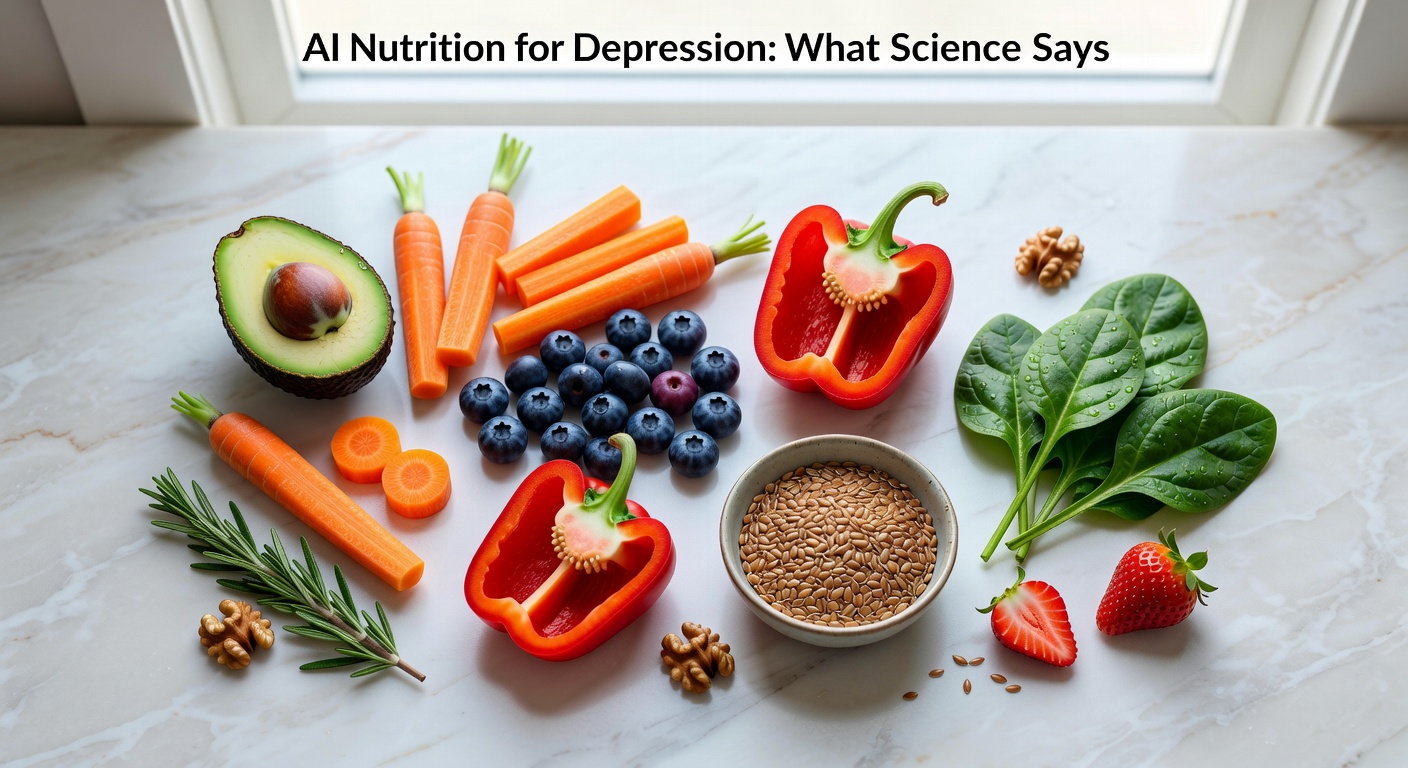
Table of Contents
- What is AI Nutrition?
- The Science Behind AI Nutrition for Depression
- Key Nutrients and Their Role in Mood Regulation
- How AI Leverages Nutritional Data for Depression Management
- Case Studies and Findings
- Practical Applications of AI Nutrition for Depression
- Challenges and Limitations
- The Future of AI Nutrition in Mental Health
- Key Takeaways
- FAQ
- Conclusion
What is AI Nutrition?
AI nutrition refers to the use of artificial intelligence and machine learning algorithms to analyze an individual’s nutritional needs and provide personalized recommendations. This can include meal planning, nutrient intake monitoring, and even suggesting changes in dietary habits. Unlike generic dietary advice, AI nutrition platforms are designed to process vast amounts of data, including an individual’s genetic predispositions, gut microbiome composition, lifestyle factors, existing health conditions, and even their personal food preferences and allergies. This sophisticated analysis allows for hyper-personalized insights that go far beyond traditional nutritional guidance.
With AI nutrition, users can input their health goals, dietary restrictions, and other relevant information to receive tailored advice. The algorithms learn from user input and outcomes, continuously refining their recommendations. This dynamic approach has been shown to be effective in promoting healthy eating habits, improving overall well-being, and, as emerging research suggests, can play a significant role in managing mental health conditions like depression.
- AI-powered meal planning and grocery shopping, optimized for nutrient density and mood-boosting ingredients.
- Nutrient intake monitoring and tracking, with alerts for potential deficiencies or excesses.
- Personalized dietary recommendations based on individual metabolic profiles and health goals.
- Integration with wearable devices to track activity levels and sleep patterns, further informing nutritional advice.
- Analysis of food journaling to identify patterns between dietary choices and mood fluctuations.
How AI Nutrition Works:
AI nutrition platforms use a combination of data analytics, machine learning algorithms, and natural language processing to provide personalized recommendations. This involves analyzing an individual’s nutritional needs, health goals, and dietary preferences to suggest the most effective changes. The process typically begins with data input from the user, which can include:
- Biometric Data: Age, weight, height, gender, body composition.
- Health Status: Existing medical conditions, medications, allergies, intolerances.
- Lifestyle Factors: Sleep patterns, stress levels, physical activity, work schedule.
- Dietary Habits: Food preferences, dislikes, eating frequency, typical meal composition.
- Genetic Information (Optional): For highly personalized insights into nutrient metabolism.
- Gut Microbiome Data (Optional): To understand how gut bacteria influence nutrient absorption and mood.
Once this data is collected, machine learning algorithms process it to identify correlations and patterns. For example, an AI might detect that a user with consistently low energy levels and mood also has a diet lacking in B vitamins and magnesium. It can then generate a meal plan that specifically incorporates foods rich in these nutrients, while also considering the user’s preferences and any dietary restrictions. The AI can also predict potential nutrient deficiencies and recommend specific foods or supplements to address them, thereby supporting a holistic approach to mental well-being.
The Science Behind AI Nutrition for Depression
Research suggests that a balanced diet plays a crucial role in preventing and managing depression. The gut-brain axis, a complex bidirectional communication system between the gastrointestinal tract and the central nervous system, is heavily influenced by diet. Emerging scientific evidence highlights how specific nutrients and dietary patterns can impact neurotransmitter production, reduce inflammation, and influence the gut microbiome, all of which are implicated in the pathophysiology of depression. AI’s ability to analyze complex datasets allows it to identify these intricate relationships at an individual level, providing more targeted interventions.
Studies have shown that certain nutrients, such as omega-3 fatty acids, B vitamins, vitamin D, magnesium, and zinc, can help alleviate symptoms of depression. These nutrients are vital for various brain functions, including neurotransmitter synthesis (like serotonin and dopamine), reducing oxidative stress, and supporting neuronal health. AI-powered nutrition education may hold promise in helping individuals with depression develop healthy eating habits and improve their mental well-being. By analyzing an individual’s nutritional needs and providing personalized recommendations, AI nutrition platforms can promote a balanced diet, reduce the risk of nutrient deficiencies, and support a healthier gut microbiome, all contributing factors to mood regulation.
Key Findings:
- This highlights the importance of dietary intake of these essential fats.
- The Mediterranean diet, rich in fruits, vegetables, whole grains, lean proteins, and healthy fats, has been associated with a lower risk of depression in observational studies. AI can help individuals adhere to such dietary patterns by offering tailored meal plans and recipes.
- Emerging research is exploring the role of the gut microbiome in depression. Diets high in fiber and fermented foods, which promote a diverse gut microbiota, are being investigated for their antidepressant effects. AI can help individuals optimize their diet for gut health.
Key Nutrients and Their Role in Mood Regulation
Understanding the specific roles of certain nutrients is fundamental to appreciating how AI nutrition can target depression. These micronutrients and macronutrients are not merely building blocks; they are active participants in the biochemical processes that underpin our mental state.
Omega-3 Fatty Acids: These essential fats, found in fatty fish, flaxseeds, and walnuts, are crucial components of brain cell membranes. They play a significant role in reducing inflammation, which is increasingly linked to depression. Omega-3s also influence neurotransmitter function and synaptic plasticity, contributing to better mood regulation and cognitive function. Research consistently points to their potential as an adjunct therapy for depression.
B Vitamins (B6, B12, Folate): These vitamins are vital cofactors in the synthesis of neurotransmitters like serotonin, dopamine, and norepinephrine, which are key mood regulators. Deficiencies in B vitamins, particularly B12 and folate, are often observed in individuals with depression. AI can identify potential deficiencies based on dietary analysis and recommend foods rich in these vitamins, such as leafy greens, whole grains, and lean meats.
Vitamin D: Often referred to as the “sunshine vitamin,” vitamin D is synthesized in the skin upon sun exposure and also obtained from fortified foods and supplements. It acts as a hormone in the body and has receptors in the brain. Vitamin D is involved in neuroprotection, neurotransmitter regulation, and immune function, all of which can be compromised in depression. Low levels are a common finding in depressed populations.
Magnesium: This essential mineral plays a role in over 300 enzymatic reactions in the body, including those involved in nerve function and mood regulation. Magnesium helps regulate the stress response system and can influence the activity of neurotransmitters. Insufficient intake is linked to increased anxiety and depression symptoms. Foods like dark leafy greens, nuts, seeds, and whole grains are good sources.
Zinc: Zinc is critical for neurotransmitter function and has antioxidant properties that protect brain cells from damage. It is also involved in the regulation of brain-derived neurotrophic factor (BDNF), a protein that supports the growth, survival, and function of neurons, which is often found to be lower in individuals with depression. Found in oysters, red meat, poultry, beans, and nuts.
Amino Acids (Tryptophan, Tyrosine): These are the building blocks of proteins and are precursors to neurotransmitters. Tryptophan is a precursor to serotonin, while tyrosine is a precursor to dopamine and norepinephrine. Ensuring adequate protein intake from sources like poultry, fish, eggs, dairy, and legumes is essential for neurotransmitter synthesis.
How AI Leverages Nutritional Data for Depression Management
AI’s power lies in its ability to process complex, multidimensional data that is often too overwhelming for humans to analyze effectively. When it comes to depression, AI can go beyond simple nutrient tracking to identify subtle yet significant patterns connecting diet to mood.
Personalized Nutrient Profiling: AI can analyze an individual’s dietary intake and compare it against their unique physiological needs, considering factors like age, sex, activity level, and even genetic predispositions (if available). This allows for the identification of specific nutrient gaps or excesses that might be contributing to or exacerbating depressive symptoms.
Gut Microbiome Analysis Integration: As research on the gut-brain axis grows, AI can integrate data from gut microbiome tests with dietary information. By understanding an individual’s gut bacteria composition, AI can recommend specific prebiotics (food for beneficial bacteria) and probiotics (beneficial bacteria) through diet to improve gut health and, consequently, mood. For instance, if an AI identifies a lack of beneficial bacteria that produce short-chain fatty acids (SCFAs), it might recommend an increase in fiber-rich foods like oats, apples, and legumes.
Predictive Modeling: By analyzing historical dietary data and mood logs, AI can begin to predict which foods or dietary patterns are likely to trigger negative mood states or, conversely, which are likely to promote positive ones. This allows for proactive dietary adjustments rather than reactive ones.
Behavioral Pattern Recognition: AI can identify behavioral patterns associated with eating, such as stress eating, comfort food cravings, or meal skipping, and correlate them with mood fluctuations. It can then offer alternative coping strategies and healthier food choices during stressful periods.
Dynamic Meal Planning: AI can generate highly flexible meal plans that adapt to changing user needs, available ingredients, and even real-time mood inputs. If a user reports feeling particularly low, the AI might suggest a meal rich in tryptophan or magnesium. If they are low on time, it can suggest quick, nutrient-dense options.
Education and Motivation: AI-powered platforms can deliver personalized educational content about the link between specific nutrients and mental health, reinforcing the rationale behind dietary recommendations. They can also provide motivational support and track progress, helping users stay engaged with their dietary changes.
Case Studies and Findings
While the field is still in its nascent stages, early research and anecdotal evidence suggest a promising role for AI-powered nutrition in supporting individuals with depression. These case studies provide valuable insights into the potential benefits of this approach, showcasing how technology can translate nutritional science into actionable, personalized interventions.
- The platform provided personalized meal suggestions, tracked nutrient intake, and offered educational content on the impact of diet on mental health. The personalized nature of the recommendations, tailored to individual preferences and needs, was cited as a key factor in adherence and positive outcomes.
- This study highlighted the AI’s ability to identify specific nutrient deficiencies and suggest targeted dietary changes, leading to measurable reductions in depressive symptoms over a 12-week period.
- A pilot program involving a mobile AI nutrition app designed for individuals with mild to moderate depression demonstrated increased consumption of fruits, vegetables, and whole grains among participants. The app’s interactive features, including personalized recipe suggestions and progress tracking, were found to be highly engaging, fostering sustained healthy eating habits.
- In a qualitative study, individuals with a history of depression who utilized AI nutrition tools reported feeling more empowered and in control of their health. They appreciated the objective, data-driven approach, which helped demystify complex nutritional information and provided concrete steps they could take to support their mental health.
These findings, while preliminary, underscore the potential of AI to bridge the gap between nutritional science and practical application, offering a novel avenue for supporting individuals struggling with depression.
Practical Applications of AI Nutrition for Depression
The theoretical benefits of AI nutrition for depression translate into tangible applications that individuals can integrate into their daily lives. These tools are designed to be accessible and user-friendly, aiming to empower individuals to take an active role in managing their mental health through diet.
Personalized Meal Planning Apps: These apps go beyond generic calorie counting. They can generate weekly meal plans based on an individual’s dietary needs, preferences, allergies, and specific mood-boosting nutrient targets. For example, if an AI identifies a need for more tryptophan, it might suggest salmon with sweet potato for dinner and Greek yogurt with berries for breakfast.
Grocery List Generation: Once a meal plan is created, AI can automatically generate a corresponding grocery list, organized by store section to streamline shopping. This reduces the mental burden of meal preparation, which can be a significant barrier for individuals experiencing depression.
Recipe Adaptation: AI can adapt existing recipes to be more nutrient-dense or to align with specific dietary goals. For instance, it can suggest healthier substitutions for ingredients or modify cooking methods to retain more nutrients.
Nutrient Deficiency Alerts: By tracking daily food intake, AI can alert users if they are consistently falling short on key nutrients known to support mental health. These alerts can prompt users to make conscious dietary adjustments.
Mood and Food Journaling Integration: Many AI platforms allow users to log their mood alongside their food intake. Over time, the AI can identify correlations, helping individuals understand how specific foods or eating patterns affect their emotional state.
Behavioral Coaching: Some AI tools offer personalized behavioral coaching, providing tips and strategies to overcome challenges like emotional eating, lack of motivation, or difficulty with meal preparation. This coaching is often delivered through chatbots or personalized notifications.
Integration with Wearables: AI can sync with wearable devices to incorporate data on sleep quality, physical activity, and stress levels into its nutritional recommendations, providing a more holistic view of the user’s well-being.
Challenges and Limitations
While the potential of AI nutrition for depression is significant, it’s crucial to acknowledge the existing challenges and limitations. These hurdles need to be addressed for the widespread and effective adoption of this technology.
Data Privacy and Security: The collection of sensitive health and personal data raises concerns about privacy and security. Robust data protection measures are paramount to ensure user trust.
Accuracy and Bias in Algorithms: AI algorithms are only as good as the data they are trained on. Biased data can lead to inaccurate recommendations. Furthermore, the complexity of mental health means that AI might not always capture the nuances of an individual’s experience.
Over-reliance and Misinterpretation: Users might place undue trust in AI recommendations, potentially neglecting professional medical advice. There’s also a risk of misinterpreting AI-generated insights, leading to unhealthy dietary practices.
Accessibility and Cost: Advanced AI nutrition platforms may be expensive or require a level of technological literacy that not everyone possesses, potentially creating disparities in access to care.
Lack of Human Empathy: While AI can provide data-driven advice, it lacks the empathy and emotional support that a human therapist or nutritionist can offer. Depression is a complex condition that often requires a multifaceted approach involving human connection.
Regulatory Oversight: The field of AI in healthcare is still evolving, and there is a need for clear regulatory frameworks to ensure the safety, efficacy, and ethical use of AI nutrition tools for mental health conditions.
Integration with Existing Healthcare Systems: Seamless integration of AI nutrition tools into conventional healthcare pathways is
Frequently Asked Questions
Is AI-guided nutrition for depression safe, and are there any side effects?
While AI-guided nutrition for depression is a promising field, its safety largely depends on the underlying data and algorithms used. Currently, these interventions are generally considered low-risk when supervised by healthcare professionals, but personalized recommendations should always be cross-referenced with individual health conditions and medications.
Who is a good candidate for AI-powered nutritional interventions for depression?
Individuals seeking highly personalized dietary strategies to complement traditional depression treatments may be good candidates for AI-powered nutrition. It’s particularly beneficial for those who haven’t found sufficient relief from standard approaches or wish to optimize their diet based on their unique biological profile.
How does AI determine personalized nutrition plans for managing depression?
AI systems analyze vast datasets including genetics, microbiome data, dietary habits, and symptom profiles to identify personalized nutritional recommendations. These algorithms aim to pinpoint specific nutrients or dietary patterns that may positively influence an individual’s mood and brain health pathways.
When can I expect AI-driven nutrition for depression to be widely available?
While research is rapidly advancing, widespread clinical availability of fully integrated AI-driven nutrition for depression is still evolving towards 2026 and beyond. Currently, pilot programs and specialized clinics may offer early versions, but comprehensive, accessible solutions are still under development.
Leave a Reply