
Every year, the global “detox” market swells to a staggering {STATISTIC_ON_DETOX_MARKET_SIZE_OR_GROWTH} billion dollars, yet nearly 80% of what’s sold under that banner has little to no scientific backing. It’s a paradox: our bodies are designed with an incredibly sophisticated, built-in detoxification system, yet we’re bombarded with promises of quick fixes and magic elixirs. The real question isn’t whether you need to detox, but how to authentically support the one you already have.
Table of Contents
- “Detox” Redefined: What Are We Really Talking About?
- Your Body’s Masterclass: Fueling Its Natural Clean-Up Crew
- The “Detox” Menu: What Foods Actually Matter (and Which Don’t)?
- The AI Advantage: Personalizing Your Body’s Clean-Up Crew - Is It Right For You?
- Weighing the Risks and Rewards: When to “Detox” (and When to Just Eat Real Food)
- Beyond the Plate: Lifestyle Levers for Toxin Taming - Are You Missing Key Opportunities?
“Detox” Redefined: What Are We Really Talking About?
Here’s the rub: the word “detox” has been thoroughly co-opted. Before it became a marketing buzzword slapped onto juice cleanses and celebrity-endorsed supplements, it referred to a serious medical procedure. Think of someone undergoing supervised withdrawal from alcohol or opioids in a clinical setting. That’s a medical detox, a process of safely removing a dangerous substance from the body, often with significant medical support to manage acute symptoms and prevent severe complications. The NCCIH (National Center for Complementary and Integrative Health) makes this distinction crystal clear, highlighting that a vast array of diets and regimens promoted as “detoxes” lack scientific evidence for removing toxins or improving health.
So, when we talk about a general “detox” in the wellness space, we’re not talking about medical intervention. We’re talking about something far more subtle, and frankly, something your body does all the time without you thinking about it. Every breath you take, every bite you chew, every moment your liver hums, your body is engaged in a sophisticated, multi-stage process of identifying, neutralizing, and eliminating metabolic waste products and environmental compounds that don’t belong. The real goal, then, isn’t to start a detox, but to optimize the one that’s already running.
The confusion stems from a simple, compelling idea: that we’re all accumulating harmful “toxins” from our environment and food, and we need to actively purge them. While environmental exposures are a legitimate concern, the notion that a week of juice or a specific supplement protocol can somehow magically flush out years of accumulation is, to put it mildly, oversimplified. Your body isn’t a clogged drain waiting for a special solvent; it’s an incredibly adaptive biological machine. Understanding this distinction is the first critical step in deciding how to genuinely support your well-being.
Instead of chasing a magic bullet, we should be asking: what systems are responsible for this constant cellular housekeeping, and what can I do to ensure they’re operating at peak efficiency? This reframing shifts our focus from dramatic, short-term interventions to sustainable, evidence-based practices that truly empower your body’s inherent capabilities.
Your Body’s Masterclass: Fueling Its Natural Clean-Up Crew
Let’s get precise. Your body’s primary detox organ is the liver. It’s a biochemical factory running 24/7, processing everything that enters your bloodstream. Think of your liver as a highly specialized waste treatment plant, but instead of sewage, it’s dealing with metabolic byproducts, environmental pollutants, medications, and hormones. This plant has two main phases, aptly named Phase I and Phase II detoxification.
In Phase I, a group of enzymes, primarily the cytochrome P450 family, take fat-soluble toxins and make them more water-soluble. This initial step can, paradoxically, make some compounds even more reactive and potentially damaging if Phase II isn’t ready to go. Imagine it like a demolition crew breaking down a large, stable structure into smaller, more volatile pieces. You don’t want those pieces sitting around. A 2017 review by Dr. Jeremy Miller and colleagues in the journal Nutrients described in detail how various phytonutrients can modulate these Phase I enzymes, either upregulating or downregulating specific pathways, highlighting the incredible precision of dietary influence.
Then comes Phase II. Here, the slightly more water-soluble (and sometimes more reactive) compounds from Phase I are conjugated - meaning they’re attached to other molecules like glutathione, sulfate, or glucuronic acid. This makes them significantly more water-soluble and ready for excretion via bile (into the gut) or urine (via the kidneys). This is where the body truly neutralizes and packages toxins for safe removal. It’s like the clean-up crew arriving immediately after the demolition, swiftly bagging up the volatile debris for safe disposal. Without adequate raw materials for Phase II, those reactive intermediates can linger, potentially causing cellular damage. Understanding these two phases helps us move beyond vague “cleansing” talk to actual biochemical support.
Beyond the liver, your kidneys filter waste from your blood and excrete it in urine. Your lungs expel gaseous waste. Your skin eliminates small amounts through sweat. And critically, your gut microbiome plays a substantial role, not only in breaking down compounds but also in preventing the reabsorption of toxins excreted in bile. A balanced microbiome can even produce beneficial compounds that support liver function. So, when considering AI nutrition for detox, we’re not just looking at a single organ, but a symphony of interconnected systems that demand targeted, data-driven support.
The “Detox” Menu: What Foods Actually Matter (and Which Don’t)?
Forget the cayenne pepper and lemon water fads. The real power players in supporting your body’s natural detox system are likely already in your kitchen, if you know how to wield them. This isn’t about deprivation; it’s about strategic nourishment. We’re looking for specific compounds that act as co-factors, substrates, or modulators for those Phase I and Phase II liver enzymes, and that support gut integrity.
Consider the cruciferous vegetables: broccoli, kale, Brussels sprouts, cabbage. They’re packed with glucosinolates, which convert to isothiocyanates like sulforaphane and indole-3-carbinol (I3C) when chopped or chewed. These compounds are potent inducers of Phase II enzymes, particularly glutathione S-transferases, which are crucial for conjugating toxins. A landmark 2005 study by Dr. Jed W. Fahey and colleagues published in the Proceedings of the National Academy of Sciences (PNAS) demonstrated that sulforaphane significantly increased the excretion of airborne pollutants like benzene in human subjects, illustrating its real-world impact on detoxification pathways. You’re literally eating your way to a more efficient clean-up crew.
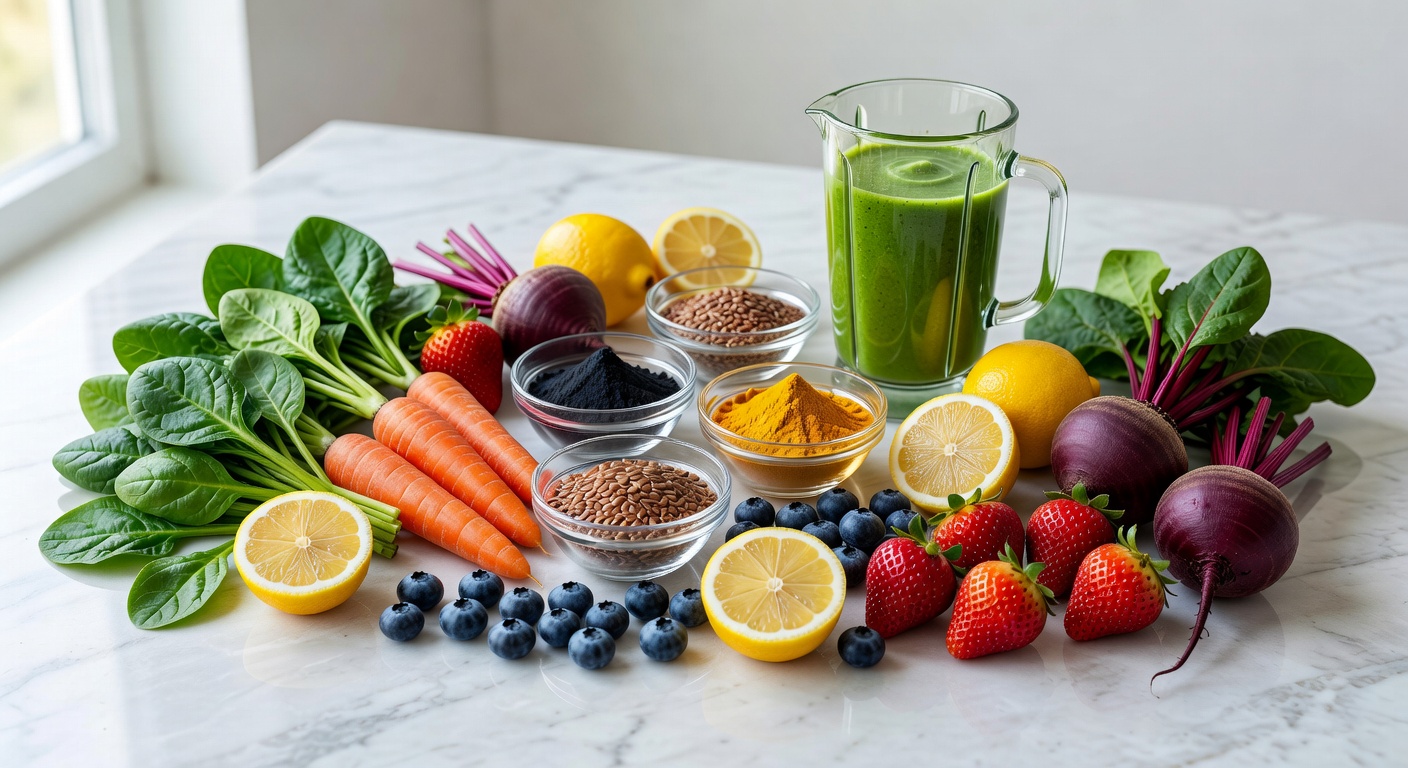
Then there’s garlic and onions. Their sulfur compounds (like allicin) are essential for producing glutathione, often called the body’s “master antioxidant” and a critical Phase II conjugate. Think of glutathione as the ultimate safety net, catching and neutralizing toxic molecules before they can cause damage. Without adequate sulfur from foods, your body struggles to produce enough of this vital molecule. Similarly, brightly colored fruits and vegetables provide a spectrum of antioxidants that protect cells from damage during Phase I detoxification. Berries, dark leafy greens, and pomegranates are not just pretty; they’re cellular bodyguards.
What about the “don’t” list? Most highly processed foods, excessive sugar, and inflammatory oils (like many vegetable oils high in omega-6s) don’t directly “toxify” you in a single sitting, but they do place an unnecessary burden on your liver and inflammatory pathways. They divert resources that could otherwise be used for efficient detoxification. It’s not about being “bad”; it’s about metabolic load. Just like a car engine runs less efficiently with low-quality fuel, your body’s systems struggle when constantly inundated with nutrient-poor, pro-inflammatory inputs. Choosing whole, unprocessed foods isn’t just about general health; it’s a direct investment in your body’s detoxification capacity. Want to learn more about how food choices impact your overall well-being? Check out our article on .
The AI Advantage: Personalizing Your Body’s Clean-Up Crew - Is It Right For You?
Here’s where it gets interesting: the idea of a one-size-fits-all detox strategy is absurd. Your genetic makeup, your unique gut microbiome, your lifestyle, and your specific environmental exposures all dictate how efficiently your body processes and eliminates waste. This is precisely where AI nutrition steps onto the stage, offering a level of personalization previously unimaginable. Imagine an AI analyzing your genetic polymorphisms (like variations in GST or CYP450 genes), your microbiome data, and even your daily activity levels to recommend precise nutrient dosages and food combinations.
For example, some individuals have genetic variations that make their Phase I enzymes overly active or their Phase II enzymes sluggish. Without this insight, a generic “detox” protocol could inadvertently increase their toxic load by over-activating Phase I without sufficient Phase II support. An AI, however, could flag this, recommending specific foods or targeted supplements (e.g., N-acetylcysteine, a precursor to glutathione) to bolster Phase II capacity, while perhaps advising caution on compounds that might overstimulate Phase I. This isn’t just about guessing; it’s about data-driven optimization. It’s like having a bespoke mechanic for your intricate biological machinery, rather than a generic service manual.
Consider the difference between a generic cleanse and an AI-personalized approach:
| Feature | Generic “Detox” Plan | AI-Personalized Approach |
|---|---|---|
| Basis | Broad recommendations, popular trends, anecdotal evidence. | Individual genetic data, microbiome analysis, lifestyle factors, blood markers. |
| Targets | Vague “toxins,” general organ cleansing. | Specific nutrient deficiencies, genetic predispositions for enzyme activity, personalized microbiome support. |
| Dietary Advice | Restrictive, often low-calorie, short-term juice fasts or elimination diets. | Tailored food recommendations (e.g., specific cruciferous vegetables, sulfur-rich foods, probiotic strains) to support individual biochemical pathways. |
| Supplement Use | Broad-spectrum “detox” blends, laxatives, herbal concoctions. | Targeted micronutrients, specific pre/probiotics, or compounds (e.g., sulforaphane, NAC) based on data, dosage-specific. |
| Sustainability | Often difficult to maintain, rebound effect common. | Designed for long-term integration, adaptable to changing health status. |
| Risk Profile | Potential for nutrient deficiencies, electrolyte imbalance, interactions. | Lower risk due to data-informed decisions, guided by professional oversight. |
The decision to leverage AI for your nutritional strategy boils down to how much precision you demand for your health. If you’re tired of general advice and want to understand the unique nuances of your own biochemistry, AI offers a powerful lens. It moves us from a reactive “fix-it” mentality to a proactive, preventative one, ensuring your body’s clean-up crew has exactly what it needs, when it needs it. For a deeper dive into personalized nutrition, explore our article on .
Weighing the Risks and Rewards: When to “Detox” (and When to Just Eat Real Food)
The allure of a quick “detox” is powerful, especially when you feel sluggish or overwhelmed. But before you embark on a restrictive cleanse, it’s crucial to weigh the actual risks against the often-hyped rewards. Many popular detox diets involve severe calorie restriction, elimination of entire food groups, or reliance on laxatives and diuretics. While you might initially feel lighter or experience a temporary boost, this is often due to water loss, reduced gut contents, or simply the removal of highly processed foods, rather than a true systemic “cleansing.”
The risks are not insignificant. Extreme calorie restriction can lead to fatigue, irritability, and nutrient deficiencies. Prolonged use of laxatives can disrupt your gut microbiome, lead to electrolyte imbalances, and even create dependency. A 2015 systematic review by Klein and Kiat published in the Journal of Human Nutrition and Dietetics examined commercially available detox diets and concluded that while they often claim to remove toxins, there is “no compelling evidence” to support their efficacy or safety. In fact, many were found to contain ingredients that could be harmful to health, particularly for vulnerable populations.
So, when is it appropriate to consider a more deliberate approach to supporting detoxification? Not as a punitive measure after indulgence, but as a thoughtful strategy for optimal health. If you’ve undergone significant medication use, or if you’re exposed to higher levels of environmental pollutants (e.g., living in a heavily industrialized area, working with chemicals), or if specific health conditions warrant it (always under professional guidance), then a targeted, evidence-based strategy makes sense. This isn’t about magical “detox” teas; it’s about ensuring your body has ample resources for its natural processes.
For most people, the greatest “detox” reward comes from consistently eating real, whole foods, staying hydrated, getting sufficient sleep, and managing stress. These foundational habits are far more effective and sustainable than any short-term, restrictive program. The reward isn’t a dramatic flush, but consistent, resilient health. If you’re constantly seeking a “detox,” it might be a signal that your baseline habits need an overhaul, not a temporary fix. It’s like trying to fix a leaky faucet with a bucket instead of calling a plumber; the problem will just keep coming back until you address the source.
Beyond the Plate: Lifestyle Levers for Toxin Taming - Are You Missing Key Opportunities?
Focusing solely on food for “detox” is like trying to win a marathon by only training your legs. Your body is a holistic system, and several lifestyle factors play critical, often overlooked, roles in supporting your natural detoxification pathways. These aren’t supplementary; they’re foundational.
The Power of Sleep: Your Brain’s Nightly Cleanse
While you sleep, your brain is literally washing itself. The glymphatic system, a network of vessels that clear metabolic waste from the central nervous system, becomes significantly more active during deep sleep. A 2013 study by Lulu Xie and colleagues in Science demonstrated that during sleep, the brain’s interstitial space increased by 60%, allowing for more efficient clearance of neurotoxins like amyloid-beta, implicated in Alzheimer’s disease. Missed sleep isn’t just about feeling groggy; it’s about hindering your brain’s nightly clean-up crew. Aim for 7-9 hours of quality sleep, consistently.
Movement Matters: Circulating and Sweating
Physical activity isn’t just for building muscle and cardiovascular health; it directly supports detoxification. Exercise increases blood flow, which helps transport waste products to the liver and kidneys for processing. It also stimulates the lymphatic system, a crucial part of your immune system that collects and filters cellular waste and toxins. And let’s not forget sweat! While the skin is a minor excretory organ compared to the liver and kidneys, sweating can help eliminate heavy metals and other compounds, particularly during intense exercise or sauna use. Even a brisk walk can make a difference.
Stress Management: The Hidden Toxin
Chronic stress isn’t a “toxin” in the chemical sense, but its physiological effects can profoundly impair your body’s ability to process other toxins. When stressed, your body diverts resources to “fight or flight,” suppressing less urgent functions like digestion and detoxification. Stress hormones like cortisol can also deplete glutathione stores, making your liver less efficient. Practices like meditation, deep breathing, spending time in nature, or even just engaging in hobbies you enjoy, are not luxuries; they are essential components of a robust detoxification strategy. Your mental state directly impacts your physiological clean-up.
Gut Health: The Gatekeeper and Exporter
Your gut microbiome is a bustling city of trillions of microorganisms, many of which play a vital role in detoxification. They break down compounds, produce beneficial short-chain fatty acids, and help regulate the immune system. A dysbiotic (unbalanced) gut can lead to increased gut permeability, allowing undigested food particles and bacterial byproducts to enter the bloodstream, adding to your liver’s burden. Prioritizing diverse fiber intake from plants, fermented foods, and avoiding unnecessary antibiotics can dramatically support this crucial internal ecosystem. Want to understand more about balancing your gut? Read our guide on .
By understanding and addressing these interconnected lifestyle factors, you move beyond the simplistic notion of a “detox” and empower your body’s innate intelligence to maintain optimal health, day in and day out.
What Actually Matters Here
- Your body is always detoxing; the goal is to optimize its inherent systems, not to “start” a new one.
- The liver’s two-phase detoxification system is highly dependent on specific nutrients from whole foods.
- Cruciferous vegetables (broccoli, kale) and sulfur-rich foods (garlic, onions) are biochemical powerhouses for liver support.
- AI nutrition offers unprecedented personalization, tailoring nutrient recommendations to your unique genetics and microbiome.
- Most restrictive “detoxes” lack scientific backing and can pose risks like nutrient deficiencies and electrolyte imbalances.
- Sleep, exercise, stress management, and gut health are just as critical as diet for robust detoxification.
Questions People Actually Ask
Do “detox teas” actually work?
Most “detox teas” primarily work as laxatives or diuretics, causing temporary water weight loss and increased bowel movements. While this might give a fleeting sense of “cleansing,” there’s no scientific evidence that they remove specific toxins or enhance your liver’s detoxification pathways. In some cases, they can lead to electrolyte imbalances or digestive distress, so approach them with extreme caution.
Can I really flush out heavy metals with a juice cleanse?
Absolutely not. Removing heavy metals like lead or mercury requires specific medical interventions, often involving chelation therapy under strict medical supervision. A juice cleanse, or any commercial “detox” diet, does not possess the biochemical mechanisms to effectively or safely remove these dangerous compounds from your body. Relying on them for heavy metal removal is not only ineffective but potentially dangerous, delaying real treatment.
How long should a “detox” last?
If you’re referring to a structured, short-term cleanse, the evidence suggests these are generally unhelpful and potentially risky. Instead of thinking in terms of a temporary “detox” duration, focus on sustainable lifestyle changes that support your body’s continuous detoxification processes every day. True support for your body’s clean-up crew is a lifestyle, not a limited-time offer.
Is it normal to feel worse before I feel better during a cleanse?
Many proponents of “detoxes” claim that feeling worse (headaches, fatigue, irritability) is a sign that “toxins are leaving the body.” While reducing caffeine or sugar intake can indeed cause withdrawal symptoms, these feelings are more often a sign of calorie restriction, dehydration, or nutrient inadequacy, rather than a magical purging of toxins. Listen to your body and prioritize nourishment, not discomfort.
What’s the single most important thing I can do to support my body’s natural detox?
If I had to pick just one, it would be to consistently eat a diverse diet rich in whole, unprocessed plant foods, especially cruciferous vegetables, berries, and alliums (garlic, onions). These foods provide the vast array of vitamins, minerals, antioxidants, and phytonutrients that act as essential co-factors and modulators for your liver’s Phase I and Phase II enzymes, ensuring your body’s inherent detox system runs smoothly and efficiently.
The Bottom Line
The “detox” conversation is, at its heart, about empowerment. It’s about understanding that your body isn’t passively waiting to be “cleansed” by the latest fad. It’s an active, intelligent system, constantly working on your behalf. Our role isn’t to override it with restrictive diets or questionable supplements, but to consistently provide it with the precise, science-backed support it needs to thrive.
Embracing AI nutrition isn’t about chasing another fleeting trend; it’s about acknowledging the incredible complexity of human biology and leveraging cutting-edge tools to match that complexity with personalized solutions. It’s about moving beyond the noise of wellness marketing to a place of informed, evidence-based decision-making. Your unique genetic blueprint and microbial signature deserve more than a generic prescription.
So, instead of asking “Which detox should I do?” start asking, “How can I optimally fuel and support the magnificent detoxification system my body already possesses, tailored to my specific needs?” The answer lies not in deprivation, but in precision, knowledge, and consistent, thoughtful nourishment. The journey to true well-being is not a sprint, but a deeply personalized marathon, and AI is here to be your most rigorous, data-driven coach.
Leave a Reply