
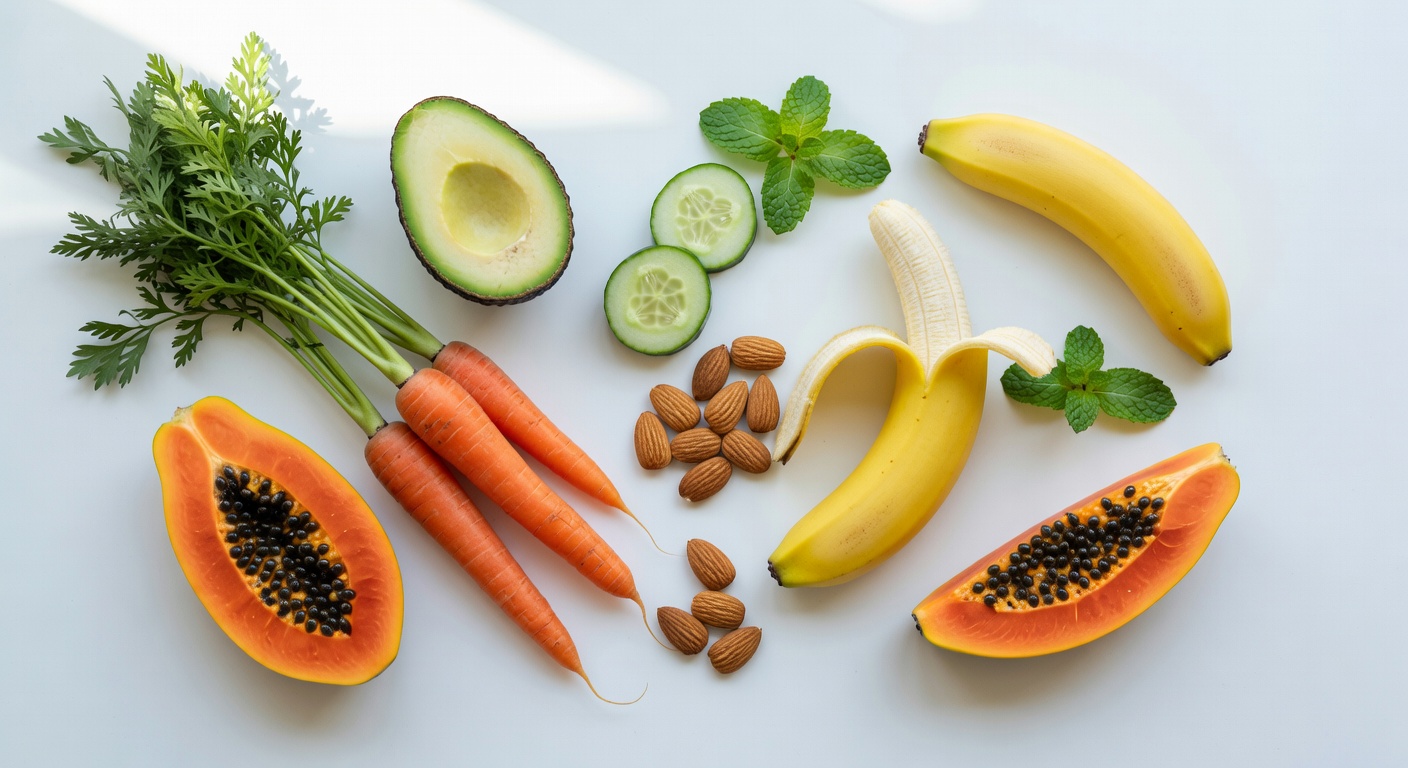
Are you tired of living with the discomfort and pain of Gastroesophageal Reflux Disease (GERD)? Recent studies suggest that AI-powered nutrition education may hold the key to managing GERD symptoms effectively.
Table of Contents
- What is GERD?
- Understanding the Complexities of GERD: Beyond Simple Heartburn
- AI Nutrition for GERD: What Science Says
- The AI Engine: How Technology Personalizes GERD Nutrition
- How AI Nutrition Can Help Manage GERD Symptoms
- Implementing AI Nutrition for GERD: A Step-by-Step Guide
- Navigating the Landscape: Misconceptions and Ethical Considerations in AI Nutrition
- Challenges and Limitations of AI Nutrition for GERD
- Future Directions for AI Nutrition and GERD
- Key Takeaways
- FAQ
- Conclusion
What is GERD?
GERD is a chronic condition characterized by the backflow of stomach acid into the esophagus, leading to symptoms such as heartburn, regurgitation, and difficulty swallowing. According to the American Gastroenterological Association, approximately 20% of the adult population in the United States experiences GERD symptoms at least once a week.
While lifestyle modifications and medication are often prescribed to manage GERD symptoms, some research suggests that dietary changes may also play a crucial role in alleviating symptoms. The fundamental mechanism often involves a weakened or dysfunctional lower esophageal sphincter (LES), the muscular valve that separates the esophagus from the stomach. When the LES relaxes inappropriately or is too weak, stomach contents, including acid, bile, and digestive enzymes, can reflux into the esophagus, causing irritation and inflammation. This chronic exposure can lead to conditions like esophagitis and, in some cases, Barrett’s esophagus, which is a precursor to esophageal cancer. Beyond the LES, other factors like impaired esophageal motility (the ability of the esophagus to clear refluxed material) and delayed gastric emptying (food staying in the stomach too long) can exacerbate GERD symptoms.
Understanding these underlying physiological mechanisms is vital, as dietary interventions aim to reduce acid production, strengthen LES function, improve gastric emptying, or minimize irritation to the esophageal lining. Traditional approaches often focus on avoiding trigger foods that can relax the LES or increase stomach acid, such as fatty foods, caffeine, alcohol, chocolate, and spicy foods. However, individual sensitivities vary widely, making personalized dietary guidance paramount.
Subtypes of GERD:
- Typical GERD: characterized by symptoms such as heartburn and regurgitation
- Atypical GERD: characterized by symptoms such as chest pain and difficulty swallowing
Differentiating between these subtypes is important because atypical symptoms can often be confused with other conditions, such as cardiac issues, and may require different diagnostic pathways and management strategies. While typical GERD often responds well to acid-suppressing medications and dietary changes, atypical GERD may necessitate a more comprehensive approach, sometimes involving specialized diagnostic tests like impedance-pH monitoring to detect non-acid reflux.
Understanding the Complexities of GERD: Beyond Simple Heartburn
GERD is not merely an occasional bout of heartburn; it’s a multifaceted chronic disease influenced by a complex interplay of physiological, lifestyle, and genetic factors. Delving deeper into its pathophysiology reveals several key contributing elements. The primary culprit is often a transient or chronically relaxed lower esophageal sphincter (LES), which acts as a barrier to prevent stomach contents from re-entering the esophagus. Factors that can weaken or relax the LES include certain foods (e.g., high-fat meals, peppermint, chocolate), medications (e.g., calcium channel blockers, anticholinergics), smoking, and alcohol consumption. Additionally, conditions like hiatal hernia, where a portion of the stomach pushes up through the diaphragm, can mechanically compromise LES function.
Beyond the LES, esophageal motility plays a significant role. The esophagus relies on coordinated muscular contractions (peristalsis) to clear refluxed material. Impaired motility means acid and other irritants linger longer in the esophagus, increasing damage and symptom duration. Gastric emptying, the process by which food leaves the stomach, is another critical factor. Delayed gastric emptying can lead to prolonged stomach distension and increased pressure, forcing contents upwards into the esophagus. Obesity, particularly abdominal obesity, significantly increases intra-abdominal pressure, which directly pushes stomach contents against the LES, making reflux more likely and severe.
Diagnosis of GERD typically begins with a clinical history and physical examination, often followed by a trial of proton pump inhibitors (PPIs). If symptoms persist or are atypical, further diagnostic tests may be employed. These include upper endoscopy, which allows direct visualization of the esophageal lining for signs of inflammation or damage (esophagitis) and to rule out other conditions. Esophageal pH monitoring, often performed over 24-48 hours, measures acid exposure in the esophagus and correlates it with symptoms. Impedance-pH monitoring can detect both acid and non-acid reflux events, providing a more comprehensive picture for patients with persistent or atypical symptoms.
Traditional dietary guidelines for GERD have historically focused on broad recommendations, such as avoiding spicy foods, acidic fruits, tomatoes, onions, garlic, coffee, and carbonated beverages. While these general guidelines can be helpful for some, their effectiveness is highly individual. What triggers symptoms in one person may be well-tolerated by another. This inherent variability highlights the need for personalized approaches that can identify specific triggers and beneficial foods for each individual, moving beyond a one-size-fits-all diet plan.
AI Nutrition for GERD: What Science Says
Recent studies have explored the potential of AI-powered nutrition education in managing GERD symptoms.
The researchers used machine learning algorithms to develop personalized nutrition plans for each patient, which were then implemented and monitored using mobile apps and wearable devices.
The scientific community is increasingly recognizing the potential of AI to revolutionize personalized healthcare, particularly in chronic conditions like GERD where lifestyle and diet play a significant role. These studies leverage AI’s ability to process vast amounts of data - including dietary intake, symptom logs, physical activity, sleep patterns, and even genetic predispositions - to identify patterns and correlations that are imperceptible to the human eye. For instance, AI algorithms can detect subtle relationships between specific food combinations or eating times and subsequent symptom flare-ups, offering insights far beyond generic dietary advice. This is primarily attributed to AI’s capacity for continuous learning and adaptation, allowing nutrition plans to evolve with the individual’s changing needs and responses.
Key findings:
- AI-powered nutrition education can improve symptom relief and quality of life in patients with GERD
- Personalized nutrition plans can be effective in reducing symptoms and improving dietary habits
The AI Engine: How Technology Personalizes GERD Nutrition
The efficacy of AI nutrition for GERD stems from its sophisticated ability to collect, process, and interpret diverse data points to create truly individualized dietary recommendations. Unlike static diet plans, AI platforms employ advanced machine learning algorithms to understand an individual’s unique physiological responses to food and lifestyle factors.
Data acquisition is the foundational step. AI systems gather information from multiple sources: user-inputted food diaries and symptom logs (often via mobile apps), wearable devices that track activity levels, sleep patterns, and even stress metrics, and in some advanced cases, genetic data or microbiome analyses. Natural Language Processing (NLP) plays a crucial role here, allowing users to describe their meals and symptoms in free text, which the AI then converts into structured data for analysis. This comprehensive data profile creates a “digital twin” of the user’s health status, constantly updated.
Once data is collected, machine learning models come into play. Supervised learning algorithms are trained on large datasets of individuals with GERD, identifying common trigger foods, beneficial foods, and dietary patterns associated with symptom improvement or exacerbation. For a new user, these models predict potential triggers based on their profile. Unsupervised learning, on the other hand, can identify novel patterns or clusters within the user’s own data, uncovering previously unknown personal triggers or protective factors. For example, an AI might detect that a specific combination of high-fat dairy and citrus fruits consistently leads to reflux in one individual, even if neither food is a universal trigger.
Predictive modeling is another core component. By analyzing historical data of food intake and subsequent symptoms, AI can learn to predict the likelihood of a GERD flare-up based on planned meals or recent dietary choices. This allows the system to offer proactive advice, suggesting modifications before symptoms even appear. For instance, if a user logs a meal high in known personal triggers, the AI might prompt them to consider a smaller portion or suggest an alternative ingredient to mitigate potential reflux.
Furthermore, emerging research is exploring the intricate connection between the gut microbiome and GERD. Dysbiosis (an imbalance in gut bacteria) can influence gastric motility, inflammation, and even LES function. AI platforms are beginning to integrate microbiome data (from stool tests) to recommend specific prebiotics, probiotics, or dietary fibers that can modulate gut flora in a way that may alleviate GERD symptoms. By understanding how different dietary components interact with an individual’s unique microbial ecosystem, AI can provide even more refined and targeted nutritional guidance, moving beyond simple trigger avoidance to actively promote gut health conducive to GERD management.
How AI Nutrition Can Help Manage GERD Symptoms
AI-powered nutrition education can help manage GERD symptoms by:
- Providing personalized dietary recommendations based on individual nutritional needs and health status
- Monitoring and adjusting dietary habits in real-time to optimize symptom relief
- Offering education and support to help patients make informed dietary choices and maintain long-term lifestyle modifications
AI excels at tailoring dietary advice far beyond generic guidelines. By analyzing a user’s comprehensive data - including their age, weight, activity level, existing health conditions, medication use, and most importantly, their unique symptom responses to various foods - AI can construct a highly personalized nutrition plan. This involves identifying specific food triggers that exacerbate GERD symptoms for *that individual*, rather than relying on a universal list of “bad” foods. It also identifies foods that are well-tolerated and beneficial, ensuring a diverse and nutrient-rich diet that supports overall health while minimizing reflux. This personalization extends to meal timing, portion sizes, and even cooking methods, optimizing every aspect of the diet for symptom relief.
One of the most powerful features of AI nutrition is its dynamic nature. Unlike static diet plans, AI platforms continuously monitor a user’s food intake, symptom severity, and other relevant health metrics. Through mobile apps and wearable devices, users can log meals, track symptoms, and even record sleep or stress levels. The AI processes this incoming data in real-time, learning and adapting its recommendations. If a particular food or meal consistently leads to symptoms, the AI will learn to flag it as a personal trigger and suggest alternatives. Conversely, if a new dietary pattern leads to improved symptom control, the AI reinforces these positive changes. This iterative feedback loop allows for continuous optimization, ensuring the nutrition plan remains effective and responsive to the user’s evolving needs.
Beyond just recommendations, AI platforms are designed to be powerful educational tools. They can provide users with clear, evidence-based explanations of *why* certain foods might trigger GERD, how different nutrients impact digestion, and the physiological mechanisms behind their symptoms. This empowers users to understand their condition better and make informed decisions. Furthermore, AI can integrate behavioral science principles, offering motivational nudges, setting achievable goals, and providing positive reinforcement to encourage adherence to dietary changes. Features like meal planning tools, recipe suggestions tailored to their safe foods, and progress tracking dashboards foster a sense of control and sustained engagement, crucial for maintaining long-term lifestyle modifications necessary for chronic GERD management. Some platforms even offer virtual coaching or connect users with human dietitians for a hybrid approach.
Implementing AI Nutrition for GERD: A Step-by-Step Guide
For individuals seeking to leverage AI nutrition to manage their GERD, the process typically involves several key stages, designed to progressively tailor and refine dietary interventions.
Step 1: Initial Assessment and Data Input
The journey begins with a comprehensive initial assessment. Users typically download an AI nutrition app or access a web platform and provide detailed information about their health. This includes demographics, medical history (including GERD diagnosis, severity, and any existing medications), current dietary habits, lifestyle factors (smoking, alcohol, physical activity), and any known food allergies or intolerances. Many platforms also prompt users to describe their typical GERD symptoms, their frequency, and intensity. Some advanced systems may integrate with health records or allow for manual input of genetic or microbiome test results, if available. The more comprehensive the initial data, the better the AI can establish a baseline understanding of the individual’s unique profile.
Step 2: Receiving Personalized Dietary Plans
Based on the initial assessment, the AI’s algorithms generate a preliminary personalized nutrition plan. This plan isn’t just a list of foods to avoid; it’s a holistic approach that includes meal suggestions, portion size guidance, optimal eating times, and recommendations for hydration. The AI leverages its vast database of food composition and known GERD triggers, cross-referencing it with the user’s specific profile to suggest meals that are less likely to provoke symptoms. For example, instead of simply saying “avoid spicy food,” it might recommend specific low-acid alternatives or cooking methods that reduce irritants. The plan is presented in an easy-to-understand format, often with recipes and shopping lists.
Step 3: Tracking, Feedback, and Iteration
This is where the dynamic power of AI truly shines. Users are encouraged to meticulously log their food intake and corresponding symptoms using the app. Many platforms simplify this with quick-log features, photo recognition, or voice input. Crucially, after each meal or over a period, users record their GERD symptoms (e.g., heartburn severity, regurgitation frequency) and any other relevant observations. The AI continuously analyzes this incoming data, identifying correlations between specific foods, meal combinations, or eating patterns and symptom flare-ups. If the user consistently experiences reflux after consuming a previously “safe” food, the AI will learn this and adjust future recommendations. Conversely, if a new food is well-tolerated, it will be added to the user’s personalized “safe list.” This iterative process refines the nutrition plan over time, making it increasingly precise and effective.
Step 4: Education and Proactive Guidance
Beyond simply telling users what to eat, AI nutrition platforms often provide educational content that helps users understand *why* certain recommendations are made. This can include articles on GERD pathophysiology, the role of specific nutrients, or tips for mindful eating. The AI might also offer proactive guidance, such as suggesting a lighter meal before bedtime, reminding users to eat slowly, or recommending stress-reduction techniques if stress is identified as a symptom trigger. This educational component empowers users to make informed choices and develop sustainable healthy habits.
Real-World Example: Sarah’s Journey with AI Nutrition
Consider Sarah, a 45-year-old marketing professional who has struggled with chronic heartburn and regurgitation for years. She had tried various generic GERD diets, cutting out broad categories like “all acidic foods” and “all fats,” which left her feeling deprived and still experiencing symptoms. She enrolled in an AI nutrition program for GERD. Her initial assessment revealed she loved coffee and occasionally enjoyed rich, creamy pasta dishes, which she suspected were triggers but couldn’t confirm definitively.
The AI’s initial plan suggested reducing coffee intake and replacing high-fat dairy in pasta with lower-fat alternatives or plant-based creams. Sarah meticulously logged her meals and symptoms. Over the first few weeks, the AI noticed a consistent pattern: while coffee did cause some mild reflux, it was actually her late-night, large portions of creamy pasta, combined with a glass of red wine, that reliably triggered severe, prolonged heartburn. The AI adjusted, recommending smaller portions of pasta earlier in the evening, suggesting white wine as a less acidic alternative, and introducing specific herbs like ginger and chamomile tea after meals. It also identified that lean proteins and fibrous vegetables were consistently well-tolerated and promoted satiety, reducing her urge for late-night heavy meals.
After three months, Sarah’s GERD symptoms were significantly reduced, and she felt more energetic. She understood her personal triggers and safe foods, no longer feeling restricted by generic advice. The AI continued to provide new recipes and adapt to her preferences, proving to be a dynamic and invaluable tool in her GERD management.
Frequently Asked Questions
How does AI nutrition specifically help manage GERD symptoms?
AI nutrition leverages algorithms to analyze individual dietary patterns, lifestyle, and identified GERD triggers. It then provides personalized recommendations, such as identifying specific trigger foods or suggesting anti-inflammatory diets, to help reduce reflux symptoms. This approach aims to optimize dietary choices based on scientific evidence for GERD management.
What scientific evidence supports the use of AI nutrition for GERD?
Emerging research suggests AI nutrition can be beneficial by offering highly personalized dietary interventions, which often outperform generic advice for complex conditions like GERD. Studies are exploring its efficacy in identifying specific triggers and optimizing nutrient intake to alleviate symptoms and improve quality of life. The evidence base is growing as technology advances in this field.
Is AI nutrition safe for all GERD patients, and are there any contraindications?
Generally, AI nutrition is considered safe as it provides dietary guidance rather than medication. However, individuals with complex health conditions, severe GERD, or those on multiple medications should consult a healthcare professional before making significant dietary changes. AI tools are meant to complement, not replace, professional medical advice.
How does AI nutrition integrate with traditional GERD management strategies?
AI nutrition is designed to complement traditional GERD management, working alongside physician guidance and prescribed medications. It provides highly personalized dietary insights and lifestyle adjustments that can enhance the effectiveness of conventional treatments. This integrated approach aims for more comprehensive and tailored symptom control.
Leave a Reply