
Gastroesophageal reflux disease (GERD) affects over 20% of the global population, causing discomfort, pain, and anxiety due to frequent acid reflux episodes. But what if you could manage your GERD symptoms naturally through diet?
In this article (9)
What is GERD?
GERD, or gastroesophageal reflux disease, is a chronic condition where stomach acid flows back up into the esophagus, causing irritation and inflammation. This can lead to heartburn, regurgitation, and difficulty swallowing. The lower esophageal sphincter (LES), a muscular ring at the bottom of the esophagus, normally acts as a one-way valve, preventing stomach contents from backing up. In individuals with GERD, this sphincter may relax inappropriately or become weakened, allowing acid to escape.
Symptoms
- Frequent heartburn or chest pain
- Difficulty swallowing or feeling like food is stuck in the throat
- Regurgitation of food or sour taste in the mouth
- Chronic cough
- Laryngitis or sore throat
- Asthma or wheezing
- Dental erosion
- Sleep disturbances
The Role of Diet in GERD Management
Diet plays a crucial role in managing GERD symptoms. By identifying and avoiding trigger foods, individuals can alleviate their discomfort and improve their overall quality of life. The relationship between diet and GERD is complex, involving not just the types of food consumed but also eating habits, portion sizes, and meal timing. Certain foods can exacerbate GERD by increasing stomach acid production, relaxing the LES, or directly irritating the esophageal lining. Conversely, a well-structured diet can help neutralize stomach acid, strengthen the LES, and promote a healthy digestive environment.
subsection: Triggers Foods
The most common triggers for GERD include:
- Tomatoes and citrus fruits
- Caffeine and carbonated drinks
- Fatty or fried foods
- Spicy foods
- Chocolate
- Peppermint
- Onions and garlic
- Alcohol
Understanding these common triggers is the first step. However, it’s important to recognize that GERD triggers are highly individual. What causes severe reflux in one person might be perfectly fine for another. This is where personalized approaches to diet become essential.
Understanding Individual Triggers
While the list above covers common culprits, the true management of GERD through diet lies in identifying your unique trigger foods. This often involves a process of elimination and careful observation. Keeping a detailed food diary can be instrumental. For each meal and snack, record what you ate, when you ate it, the portion size, and any GERD symptoms experienced afterward, including their severity and timing. Over time, patterns will emerge, highlighting specific foods or eating behaviors that consistently lead to discomfort.
Beyond Food Types: Eating Habits Matter
It’s not just *what* you eat, but *how* you eat. Certain eating habits can significantly impact GERD symptoms:
- Eating large meals: Overfilling the stomach puts pressure on the LES.
- Eating too close to bedtime: Lying down after a meal makes it easier for stomach acid to flow back up. Aim to finish eating at least 2-3 hours before sleeping.
- Eating quickly: This can lead to swallowing air, which contributes to bloating and pressure.
- Poor posture while eating: Slouching can compress the stomach.
Addressing these habits, alongside dietary choices, forms a comprehensive strategy for GERD management.
AI Can Help Manage GERD Through Diet
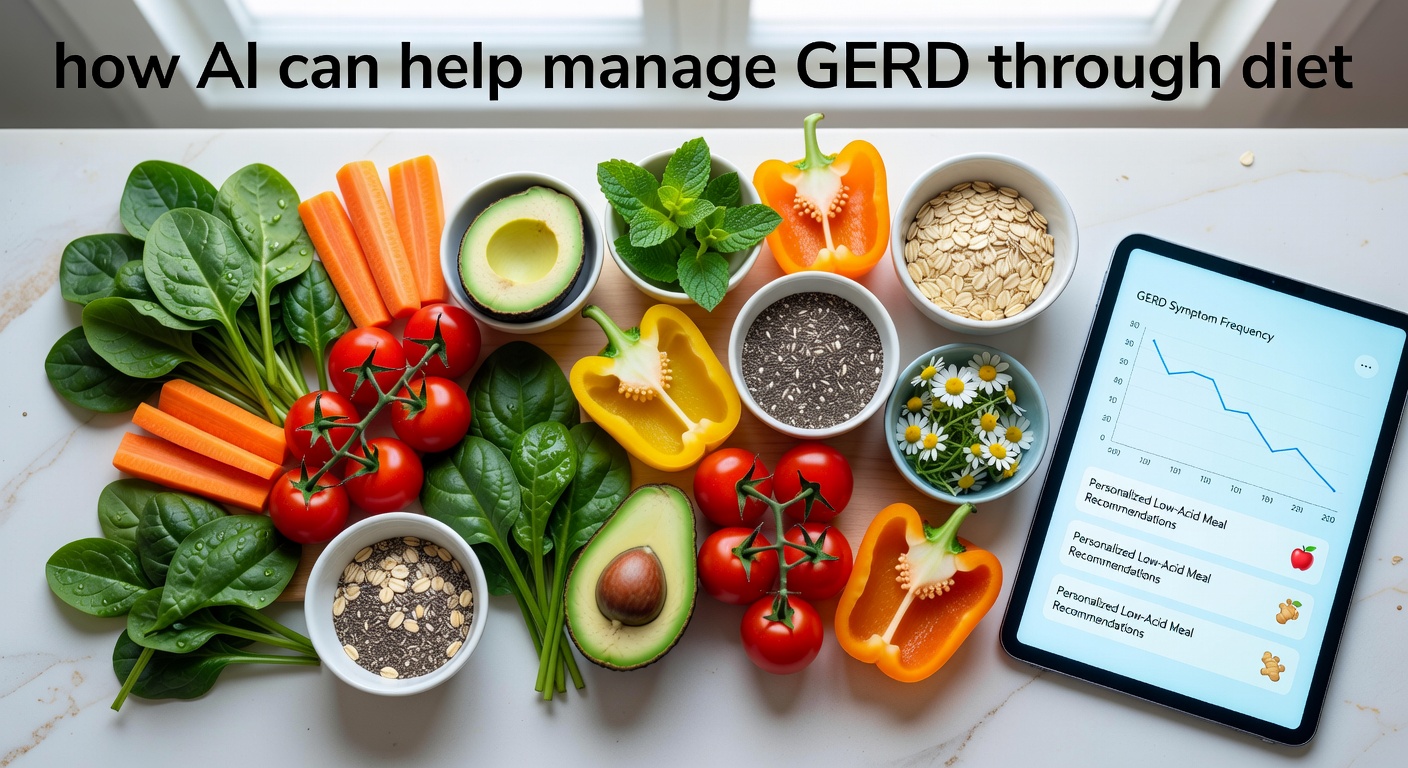
Artificial intelligence (AI) has revolutionized the way we approach nutrition. AI-powered platforms can analyze individual nutritional needs and provide personalized recommendations for a healthy diet. Traditional dietary advice for GERD often relies on general guidelines. While these are helpful, they often fail to account for the unique biochemical makeup, lifestyle, and specific trigger profiles of individuals. AI, with its capacity to process vast amounts of data and identify complex patterns, offers a more nuanced and effective approach.
One such platform, AINutry.online, leverages machine learning algorithms to identify potential trigger foods and suggest alternative options based on a user’s dietary requirements. This goes beyond simple lists of “good” and “bad” foods. AI can analyze your food diary entries, cross-reference them with scientific literature on GERD triggers, and even consider your reported symptom severity. It can then generate personalized meal plans and food suggestions that are tailored to your specific needs, minimizing the risk of reflux while ensuring adequate nutrition.
How AI Identifies GERD Triggers
AI algorithms can be trained on extensive datasets that include:
- Nutritional composition of foods: Identifying fats, acids, spices, and other components known to affect GERD.
- Physiological responses: Analyzing how different food components interact with the digestive system, including LES pressure and stomach acid production.
- User-reported data: Learning from your food diaries, symptom logs, and feedback to refine recommendations.
- Scientific literature: Incorporating the latest research findings on GERD and nutrition.
By processing this information, AI can predict which foods are most likely to trigger symptoms for you, even those not on the commonly cited lists. It can also suggest alternatives that have a similar nutritional profile or taste but are less likely to cause reflux.
Personalized Meal Planning with AI
Beyond just identifying triggers, AI can create dynamic, personalized meal plans. Instead of a static list of “allowed” foods, an AI platform can:
- Generate daily or weekly meal plans: Taking into account your preferences, dietary restrictions (e.g., vegetarian, vegan, allergies), and nutritional goals.
- Suggest recipes: Providing specific instructions for preparing GERD-friendly meals.
- Offer smart substitutions: If a recipe calls for a trigger food, the AI can suggest a suitable alternative. For instance, if a recipe uses tomato sauce, it might suggest a pumpkin-based sauce or a pureed vegetable alternative.
- Adapt to your progress: As you log more data and your symptoms change, the AI can adjust the meal plan accordingly.
Key Benefits of AI-Powered Nutrition
- Personalized recommendations for optimal health
- Identification of trigger foods and alternatives
- Long-term weight management support
- Increased dietary adherence and compliance
- Empowerment through data-driven insights
By integrating AI into nutrition education, individuals with GERD can take a more proactive approach to managing their symptoms. This technology moves beyond guesswork, providing actionable, data-backed guidance.
Scientific Context and Evidence
The use of AI in personalized nutrition is a rapidly evolving field. While direct, large-scale clinical trials specifically on AI for GERD management are still emerging, the underlying principles are well-supported by nutritional science. Research consistently shows that dietary modifications are a cornerstone of GERD treatment. AI’s role is to enhance the precision and effectiveness of these modifications.
Studies on personalized nutrition have demonstrated that tailoring dietary advice to individual metabolic responses and genetic predispositions can lead to better health outcomes. AI excels at this personalization by processing complex individual data that would be overwhelming for a human to manage manually. Furthermore, the ability of AI to continuously learn and adapt from user feedback is crucial, as GERD symptoms and dietary responses can fluctuate over time due to factors like stress, illness, or hormonal changes.
The scientific community recognizes the potential of AI in healthcare, including dietetics. AI algorithms can analyze large patient cohorts to identify subtle correlations between diet and disease, leading to new insights and more effective treatment strategies. For GERD, this could mean identifying novel trigger foods or understanding the synergistic effects of certain food combinations that exacerbate symptoms.
AI and the Gut Microbiome
Emerging research is also exploring the link between the gut microbiome and GERD. An imbalanced gut microbiome can influence digestive processes, inflammation, and even LES function. AI can analyze complex microbiome data alongside dietary intake to identify patterns that may contribute to GERD. This opens up possibilities for AI-driven interventions that not only modify diet but also support a healthy gut microbiome, offering a more holistic approach to GERD management.
Limitations and Considerations
While AI offers significant advantages, it’s important to acknowledge its limitations. AI models are only as good as the data they are trained on. Biases in the data can lead to skewed recommendations. Additionally, AI cannot replicate the empathy, intuition, and holistic assessment that a human healthcare professional provides. It should be viewed as a powerful tool to augment, not replace, professional medical advice.
Practical Tips for Using AI for GERD
To make the most of AI-powered nutrition tools for GERD management, consider these practical tips:
- Be Diligent with Your Food Diary: The accuracy of AI recommendations heavily relies on the data you provide. Log everything you eat and drink, including portion sizes and the timing of meals. Be honest and detailed.
- Record Your Symptoms Consistently: Note any GERD symptoms you experience, their severity, and when they occur in relation to your meals. This helps the AI correlate food intake with symptom manifestation.
- Provide Feedback: Most AI platforms allow users to rate meals or specific foods. Use this feature to indicate what worked and what didn’t. This feedback loop is crucial for the AI to learn your individual responses.
- Start with Common Triggers: Begin by noting if you experience symptoms after consuming common GERD triggers. This can help the AI quickly identify potential problem areas.
- Explore Alternative Suggestions: When the AI suggests an alternative food or meal, try it out. This expands your understanding of what you can safely eat.
- Combine with Professional Advice: Always discuss your GERD management plan, including any AI-generated recommendations, with your doctor or a registered dietitian. They can provide crucial context and ensure the plan is safe and effective for your overall health.
- Be Patient: It takes time for AI algorithms to learn your unique patterns. Don’t expect immediate, perfect results. Consistency in data input and patience are key.
- Focus on Overall Lifestyle: Remember that diet is just one piece of the puzzle. AI can help with dietary aspects, but other lifestyle factors like stress management, exercise, and sleep also play a significant role in GERD management.
Key Takeaways
- AI-powered nutrition platforms provide personalized dietary recommendations for optimal health
- Identifying and avoiding trigger foods is crucial in managing GERD symptoms
- Long-term weight management support can be achieved through AI-driven nutritional guidance
- AI can analyze complex data to identify individual GERD triggers beyond common lists.
- Personalized meal planning and recipe suggestions are key benefits of AI for GERD.
- Scientific evidence supports personalized nutrition, and AI enhances its application for GERD.
- AI can contribute to a more holistic approach by considering factors like the gut microbiome.
FAQ
Q: Can AI-powered nutrition education really help manage GERD?
A: Yes, by providing personalized dietary recommendations and identifying trigger foods, individuals with GERD can alleviate their symptoms. AI can process your personal data to offer guidance that is more specific than general advice.
Q: What are the benefits of using an AI-powered nutrition platform for GERD management?
A: Benefits include long-term weight management support, identification of trigger foods, and personalized recommendations for optimal health. AI can also offer convenience through automated meal planning and recipe generation.
Q: Can I use an AI-powered nutrition platform if I have a history of food allergies or intolerances?
A: Yes, most platforms are designed to accommodate individual dietary needs and restrictions. When setting up your profile, you can input information about your allergies and intolerances, and the AI will factor these into its recommendations.
Q: How can I ensure that my chosen AI-powered nutrition platform is reputable and trustworthy?
A: Research the company’s credentials, read reviews from other users, and consult with a healthcare professional before making any significant changes to your diet. Look for platforms that cite scientific research and have clear privacy policies.
Q: Will AI replace the need for a registered dietitian or doctor for GERD management?
A: No, AI is a powerful tool to supplement professional advice. It cannot replace the diagnostic capabilities, empathy, and comprehensive care provided by healthcare professionals. It’s best used in conjunction with their guidance.
Q: How does AI identify trigger foods if I haven’t noticed them myself?
A: AI algorithms analyze patterns in your reported food intake and symptoms. They can detect correlations that might not be immediately obvious to you, such as the delayed onset of symptoms after consuming certain foods or the cumulative effect of multiple mild triggers.
Conclusion
By leveraging AI in nutrition education, individuals with GERD can take control of their symptoms and improve their overall digestive health. Whether you’re looking for long-term weight management support or simply want to alleviate your discomfort, an AI-powered nutrition platform can provide the guidance you need. The future of GERD management is increasingly personalized, and AI is at the forefront of this revolution, offering a data-driven, individualized approach that empowers users to make informed dietary choices and reclaim their comfort and well-being.
Don’t let GERD hold you back any longer. Take the first step towards a healthier tomorrow with You might also like: How AI Can Help Manage type 2 diabetes Through Diet
“>
You might also like: Top Benefits of AI in Metabolism Management
, your partner in nutrition education and digestive health.
Frequently Asked Questions
How does AI determine the best diet for GERD?
AI analyzes individual data such as symptoms, food triggers, and health history to create personalized dietary recommendations for GERD. It identifies unique patterns and suggests specific foods to include or avoid, optimizing symptom management for each patient.
Is AI-driven diet management safe for all GERD patients?
While AI offers personalized dietary insights for GERD, it should complement, not replace, professional medical advice. Patients with complex health conditions or severe GERD should always consult a doctor or registered dietitian before implementing AI-generated diet plans.
What specific dietary changes does AI recommend for GERD?
AI often recommends personalized adjustments based on individual triggers, but common suggestions include avoiding high-fat foods, caffeine, alcohol, and acidic foods. It may also suggest incorporating smaller, more frequent meals and specific anti-inflammatory foods to reduce symptoms.
What evidence supports AI’s effectiveness in managing GERD through diet?
Emerging research, as highlighted by the 2026 perspective, indicates AI’s potential in identifying dietary patterns and predicting individual responses to food, leading to better GERD symptom control. Studies are focusing on AI’s ability to process vast amounts of data for personalized nutritional guidance and improved patient outcomes.
Email Address*
FIRSTNAME
LASTNAME
Leave a Reply