
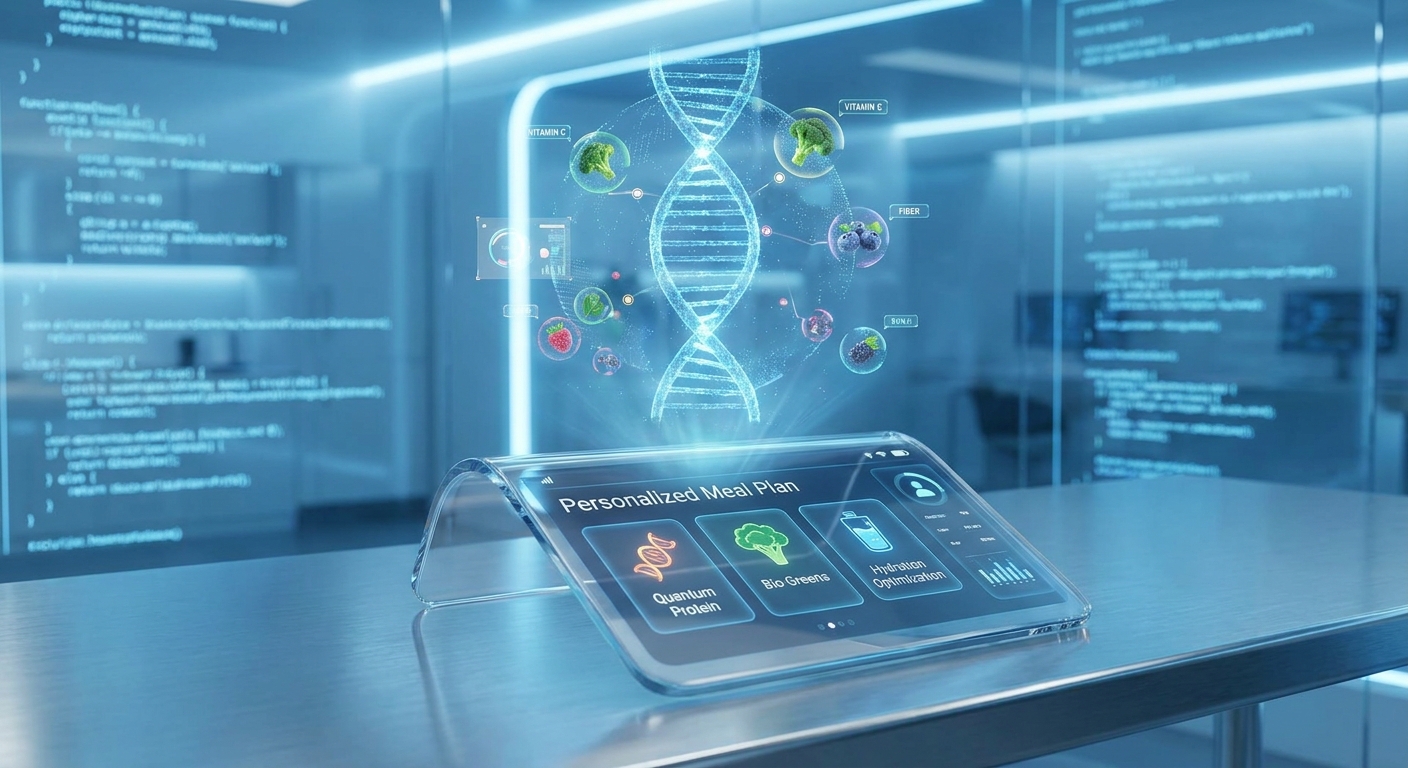
What Is AI Nutrition? The Complete Guide to Personalized AI-Powered Diets in 2026
For decades, the world of nutrition has been a confusing maze of conflicting advice, fad diets, and one-size-fits-all recommendations. From calorie counting to carb cutting, paleo to vegan, the sheer volume of information can leave even the most health-conscious individual feeling overwhelmed and frustrated. In 2026, however, a revolutionary force is reshaping this landscape: Artificial Intelligence (AI) nutrition. This isn’t just another diet trend; it’s a fundamental shift towards truly personalized dietary guidance, promising a future where your plate is perfectly tailored to your unique biology, lifestyle, and health aspirations.
Imagine a world where your diet isn’t based on generic guidelines but on a deep understanding of your DNA, your real-time metabolic responses, your activity levels, and even your gut microbiome. This is the promise of AI nutrition - a paradigm where algorithms analyze vast datasets about you to construct a dietary blueprint that evolves with you, optimizing every meal for your specific needs. It’s about moving beyond guesswork to precision, transforming nutrition from a broad science into a deeply personal one.
At ainutry.online, we believe that the future of health and wellness is inherently personalized. This comprehensive guide will demystify AI nutrition, exploring what it is, how it works, its incredible potential, and how you can begin harnessing its power to unlock a healthier, more vibrant you in 2026 and beyond.
Why Traditional Nutrition Advice Is Failing Most People
Before diving into the revolutionary world of AI nutrition, it’s crucial to understand the inherent limitations of traditional dietary advice. For generations, nutrition guidelines have been based on population-level data, designed to cater to the “average” person. While these guidelines have served a purpose in public health, they often fall short when applied to individuals, leading to widespread frustration and suboptimal health outcomes.
The core problem lies in the concept of averages. Humans are remarkably diverse. What works wonders for one person can be ineffective or even detrimental for another. Consider the following:
- Genetic Variability: Our genes play a significant role in how we metabolize nutrients, store fat, and respond to different foods. Some individuals might thrive on a higher-fat diet, while others might struggle. Genetic predispositions can influence everything from lactose tolerance to caffeine sensitivity, yet traditional advice rarely accounts for this.
- Metabolic Uniqueness: Even among individuals with similar genetics, metabolic responses can vary wildly. Two people eating the exact same meal might experience vastly different blood sugar spikes, insulin responses, and satiety levels. Factors like gut microbiome composition, stress levels, sleep quality, and activity patterns all contribute to this metabolic individuality.
- Lifestyle Discrepancies: A sedentary office worker has vastly different nutritional needs than a professional athlete or someone working a physically demanding job. Age, gender, existing health conditions, medication use, and even geographical location (affecting food availability and sun exposure for Vitamin D) all influence optimal dietary choices.
- Static Advice in a Dynamic Body: Traditional diet plans are often static. You follow a plan for weeks or months, but your body is constantly changing. Your nutritional needs shift based on your activity levels, stress, sleep, recovery from illness, and even seasonal variations. Generic advice fails to adapt to these dynamic changes.
- Lack of Real-time Feedback: Most people rely on subjective feelings (hunger, energy levels) or slow-to-change metrics (weight on a scale) to assess their diet’s effectiveness. They lack precise, real-time data on how specific foods impact their unique physiology, making it difficult to make informed adjustments.
The result? People jump from one diet to another, experience initial success followed by plateaus or rebounds, and often feel a sense of failure. The issue isn’t a lack of effort or willpower; it’s a fundamental mismatch between generic advice and individual biological complexity. This is precisely the gap that AI nutrition is designed to bridge, offering a path towards truly personalized and effective dietary strategies.
What Is AI Nutrition?
AI nutrition represents the cutting edge of personalized health, leveraging artificial intelligence, machine learning, and vast datasets to provide highly customized dietary recommendations. At its heart, AI nutrition is about moving beyond generalized dietary guidelines to create a nutritional plan that is as unique as your fingerprint. It’s an intelligent system that learns about your body, your habits, and your goals, then uses that knowledge to guide your food choices with unprecedented precision.
Definition of AI Nutrition
AI nutrition can be defined as the application of artificial intelligence and machine learning algorithms to analyze an individual’s diverse health and lifestyle data, generating dynamic, personalized, and actionable dietary recommendations aimed at optimizing their specific health outcomes. It’s an iterative process where the AI continuously learns and refines its advice based on new data and your body’s responses.
How AI Nutrition Works
The operational framework of AI nutrition is sophisticated but follows a logical progression:
-
Data Collection: This is the foundational step. AI systems gather a comprehensive array of data points about you. This can include:
- Biological Data: DNA (genomic data), blood test results (e.g., glucose, cholesterol, vitamin levels), gut microbiome analysis, and continuous physiological monitoring (e.g., heart rate, sleep patterns, body temperature from wearables, continuous glucose monitoring).
- Behavioral Data: Food logs (manual input, photo recognition, barcode scanning), activity levels (from fitness trackers), sleep duration and quality, stress levels, and even self-reported mood.
- Personal Goals & Preferences: Your specific health objectives (weight loss, muscle gain, managing diabetes, improving energy, longevity), dietary restrictions (allergies, intolerances), ethical choices (vegan, vegetarian), and taste preferences.
-
Data Analysis & Pattern Recognition: Once collected, this raw data is fed into powerful AI and machine learning algorithms. These algorithms don’t just store information; they actively analyze it to identify intricate patterns and correlations that would be impossible for a human to discern. For example:
- How does a specific food item affect your blood sugar levels based on your unique metabolism and genetic markers?
- Are there specific micronutrient deficiencies emerging given your current diet and activity?
- What foods trigger inflammation or digestive discomfort for you, according to your gut microbiome profile?
- How do your sleep patterns influence your cravings or metabolic efficiency the next day?
The AI compares your individual data against vast databases of nutritional science, population health studies, and the collective experience of millions of other users (anonymized, of course). This allows it to identify subtle biomarkers and responses unique to you.
-
Personalized Recommendation Generation: Based on the analysis, the AI generates highly specific and actionable dietary recommendations. These aren’t just generic meal plans; they are dynamic suggestions that consider:
- Optimal macronutrient ratios (protein, carbs, fats) for your goals and metabolism.
- Specific food suggestions or avoidance recommendations.
- Tailored meal timing strategies.
- Supplement recommendations to address identified deficiencies.
- Hydration targets.
Crucially, these recommendations are presented in an easy-to-understand format, often through intuitive mobile applications.
-
Continuous Learning & Adaptation: This is where AI nutrition truly shines. It’s not a one-time assessment. As you follow the recommendations and continue to provide data (e.g., logging meals, wearing your device), the AI monitors your body’s responses and outcomes. It learns from your progress, adapts to changes in your lifestyle or health status, and refines its advice over time. Did a recommended meal lead to a blood sugar spike? The AI notes this and adjusts future suggestions. Did you achieve your weight loss goal? The AI shifts to maintenance mode, optimizing for sustained health.
In essence, AI nutrition creates a feedback loop: you provide data, the AI analyzes, recommends, you act on it, and the AI observes your response, learning to get even better at guiding you. It’s like having a hyper-intelligent, always-on nutritionist who knows your body intimately and evolves with you.
How AI Analyzes Your Diet
The power of AI nutrition stems from its ability to synthesize data from an unprecedented array of sources. Unlike a traditional dietitian who might rely primarily on self-reported food logs and a few blood tests, AI systems integrate a continuous stream of objective data points, painting a far more accurate and dynamic picture of your physiological state and dietary needs. Here’s a breakdown of the key data sources AI leverages:
1. DNA Testing (Genomic Data)
Your DNA provides a static blueprint of your predispositions. While it doesn’t dictate your destiny, it offers invaluable insights into how your body might respond to certain nutrients and foods. AI platforms analyze specific genetic markers (SNPs - Single Nucleotide Polymorphisms) to understand:
- Metabolic Pathways: How efficiently you metabolize carbohydrates, fats, and proteins. For example, some genes influence how well you process saturated fats or how sensitive you are to caffeine.
- Nutrient Absorption & Utilization: Predispositions for deficiencies in certain vitamins (e.g., Vitamin D, B vitamins) or minerals. For instance, variations in the MTHFR gene can affect folate metabolism.
- Food Sensitivities & Intolerances: Genetic markers associated with conditions like lactose intolerance or celiac disease predisposition.
- Appetite & Satiety Regulation: Genes that might influence your predisposition to feel hungry or full, or your tendency for emotional eating.
- Exercise Response: How your body responds to different types of physical activity, which in turn influences nutritional requirements.
By understanding these genetic predispositions, AI can proactively tailor recommendations. For instance, if your DNA indicates a slower caffeine metabolism, the AI might suggest reducing coffee intake to avoid jitters or sleep disturbances. If you have a genetic predisposition for lower Vitamin D levels, it might prioritize Vitamin D-rich foods or recommend supplementation. However, it’s crucial to remember that genetics are not destiny; they provide a roadmap, but lifestyle and environment play a massive role.
2. Continuous Glucose Monitors (CGMs)
Perhaps one of the most transformative technologies in personalized nutrition, Continuous Glucose Monitors provide real-time, minute-by-minute insights into how your body responds to food, exercise, stress, and sleep. Worn discreetly on the arm, a CGM measures interstitial glucose levels, offering a window into your metabolic health.
AI integrates CGM data to:
- Identify Individual Glucose Responses: The same slice of bread can cause vastly different blood sugar spikes in different individuals. AI learns your unique “glucose fingerprint” for various foods and meal combinations.
- Optimize Meal Timing & Composition: By observing glucose spikes and dips, the AI can suggest adjustments to meal timing, portion sizes, and food pairings to flatten glucose curves, promoting stable energy and reducing insulin resistance. For example, it might recommend pairing carbohydrates with fiber and protein to slow absorption.
- Evaluate Exercise Impact: CGMs show how physical activity affects glucose levels, allowing AI to recommend optimal pre- and post-workout nutrition.
- Uncover Hidden Triggers: Beyond food, CGMs can reveal how stress, poor sleep, or even certain medications impact your blood sugar, enabling AI to offer holistic lifestyle advice.
This real-time feedback loop is incredibly powerful, allowing AI to make immediate, data-driven adjustments to your diet, moving beyond theoretical advice to empirical evidence of what works for *your* body.
3. Food Logs and Food Scanning Technology
While traditional food logging can be tedious and prone to inaccuracies, AI is revolutionizing this aspect:
- Manual Input & Database Matching: Users can still manually log meals, but AI-powered databases are far more comprehensive, offering precise nutritional breakdowns for millions of foods, including restaurant meals and branded products.
- Photo Recognition (Food Scanning): Advanced AI apps allow users to simply snap a picture of their plate. The AI uses computer vision to identify foods, estimate portion sizes, and log their nutritional content automatically. This significantly reduces the burden of logging, making it more consistent and accurate.
- Barcode Scanning: Scanning barcodes on packaged foods instantly pulls up detailed nutritional information, ingredients, and allergen warnings.
AI analyzes these logs to understand your current dietary patterns, caloric intake, macronutrient distribution, and micronutrient consumption. This forms the baseline from which the AI can identify areas for improvement and track progress.
4. Wearables and Activity Trackers
Modern wearables (smartwatches, fitness trackers) provide a wealth of data about your daily activity and physiological state, which is crucial for determining energy needs and optimizing nutrition:
- Activity Levels: Steps taken, distance covered, calories burned during exercise, and duration of active vs. sedentary periods. This helps AI accurately calculate your Total Daily Energy Expenditure (TDEE).
- Heart Rate Data: Resting heart rate, heart rate variability (HRV), and heart rate during exercise. HRV, in particular, can be an indicator of stress and recovery, influencing nutritional needs.
- Sleep Tracking: Duration, quality, and stages of sleep. Poor sleep can impact hormones regulating hunger (ghrelin, leptin) and insulin sensitivity, which AI can factor into its recommendations.
- Stress Monitoring: Some wearables can detect physiological markers of stress, prompting AI to suggest foods that support stress resilience or adapt caloric intake during high-stress periods.
By integrating this dynamic data, AI can adjust your caloric and macronutrient recommendations in real-time. For example, if you have an unusually active day, the AI might suggest a slightly higher calorie intake or an adjustment to carbohydrate timing to support recovery.
5. Gut Microbiome Analysis
Emerging research highlights the profound impact of the gut microbiome on digestion, nutrient absorption, immunity, mood, and even weight management. AI can integrate data from stool tests that profile the composition of your gut bacteria:
- Identifying Dysbiosis: Detecting imbalances in gut bacteria that might contribute to digestive issues, inflammation, or metabolic dysfunction.
- Personalized Probiotic/Prebiotic Recommendations: Based on your unique gut profile, AI can suggest specific probiotic strains or prebiotic-rich foods to foster a healthier microbial ecosystem.
- Tailoring Fiber Intake: Different gut bacteria thrive on different types of fiber. AI can recommend specific fiber sources that are most beneficial for your microbiome.
- Food Compatibility: While still an evolving field, AI can begin to predict which foods might be more or less compatible with your gut, helping to reduce bloating, gas, and discomfort.
6. Blood Tests and Other Biomarkers
While not continuous, periodic blood tests provide snapshots of crucial internal markers:
- Nutrient Levels: Vitamins (D, B12, folate), minerals (iron, magnesium), and electrolytes.
- Inflammatory Markers: C-reactive protein (CRP), homocysteine.
- Lipid Panel: Cholesterol (LDL, HDL, triglycerides).
- Hormone Levels: Thyroid hormones, sex hormones (testosterone, estrogen), insulin.
AI integrates these results to identify deficiencies, assess risk factors, and tailor dietary interventions to improve specific biomarkers. For instance, if your LDL cholesterol is high, the AI might emphasize foods rich in soluble fiber and healthy monounsaturated fats while limiting saturated and trans fats.
By combining these diverse data streams, AI nutrition systems create a holistic, multi-dimensional view of your health. This comprehensive data integration is what allows AI to move beyond generic recommendations and deliver truly personalized, adaptive, and effective dietary guidance.
AI Nutrition vs. Traditional Dietitian
The advent of AI nutrition doesn’t necessarily mean the end of the traditional dietitian. Instead, it offers a powerful new tool and, in many cases, a complementary approach. Understanding the strengths and weaknesses of each can help you decide which path, or combination, is best for your health journey.
Traditional Dietitian: Pros and Cons
A Registered Dietitian (RD) or Licensed Nutritionist is a highly trained healthcare professional who provides evidence-based nutrition counseling. They typically hold a bachelor’s or master’s degree, complete supervised practice, and pass a national exam.
Pros of Traditional Dietitians:
- Human Empathy & Nuance: RDs offer unparalleled emotional support, understanding, and the ability to interpret non-verbal cues. They can delve into the psychological aspects of eating, addressing emotional eating, body image issues, and complex relationships with food.
- Complex Case Management: For individuals with severe eating disorders, multiple chronic diseases requiring intricate dietary management (e.g., kidney disease, cancer, advanced diabetes), or complex allergies, the nuanced judgment and medical knowledge of a human expert are invaluable.
- Motivational Interviewing & Accountability: RDs are skilled in motivational interviewing, helping clients set realistic goals and build sustainable habits. They provide a human accountability partner.
- Cultural Sensitivity: A human dietitian can better understand and incorporate cultural food practices, family dynamics, and socio-economic factors into dietary plans, making them more practical and sustainable.
- Ethical & Legal Responsibility: RDs operate under professional codes of conduct and are legally accountable for their advice, offering a layer of trust and safety.
Cons of Traditional Dietitians:
- Cost & Accessibility: One-on-one dietitian services can be expensive, and access might be limited depending on location and insurance coverage.
- Time-Intensive: Consultations are usually scheduled, requiring dedicated time slots, and the dietitian’s ability to provide continuous, real-time feedback is limited.
- Limited Data Processing: While highly knowledgeable, a human cannot process the sheer volume of continuous, multi-source physiological data (DNA, CGM, wearables) that AI can. They rely heavily on self-reported data, which can be inaccurate.
- Human Bias: Like all humans, dietitians may have unconscious biases or preferences, though professional training minimizes this.
- Scalability: A dietitian can only serve a limited number of clients effectively at any given time.
AI Nutrition: Pros and Cons
AI nutrition platforms leverage algorithms and data science to provide personalized dietary guidance.
Pros of AI Nutrition:
- Unprecedented Personalization: AI can analyze vast, complex datasets (DNA, CGM, wearables, microbiome) to create a truly unique and precise dietary plan that adapts in real-time to your body’s responses.
- Real-time, Continuous Feedback: Through integrated devices, AI can monitor your body’s reactions (e.g., blood sugar spikes) to specific foods immediately and adjust recommendations dynamically.
- Accessibility & Affordability: AI nutrition apps and services are generally more affordable and accessible than ongoing one-on-one dietitian consultations, making personalized nutrition available to a broader audience.
- Objectivity & Data-Driven: AI operates purely on data, eliminating human bias and offering objective, evidence-based recommendations derived from your specific physiological responses.
- Scalability & Convenience: AI platforms can serve millions of users simultaneously, providing instant recommendations anytime, anywhere, through a smartphone or computer.
- Iterative Learning: The AI continuously learns from your data, refining its recommendations over time as your body changes and it gathers more information about your unique physiology.
Cons of AI Nutrition:
- Lack of Human Empathy & Psychological Support: AI cannot offer the emotional support, motivational coaching, or deep understanding of complex psychological eating issues that a human can.
- Limited Nuance for Complex Cases: While sophisticated, AI may struggle with highly complex medical conditions, rare allergies, or intricate drug-nutrient interactions that require a human expert’s clinical judgment.
- Data Privacy Concerns: Sharing extensive personal health data with AI platforms raises legitimate concerns about data security and privacy.
- Over-reliance on Technology: Some individuals may become overly reliant on the tech, losing touch with their own body’s hunger and satiety cues.
- Garbage In, Garbage Out: The quality of AI recommendations is directly dependent on the quality and accuracy of the data input. Inaccurate food logging or device malfunctions can lead to flawed advice.
- Ethical Dilemmas: As AI becomes more powerful, ethical questions arise regarding autonomy, the potential for manipulation, and the responsible use of highly sensitive personal data.
When to Use Each
The choice between AI nutrition and a traditional dietitian often depends on your specific needs:
- For General Wellness & Performance Optimization: If you’re generally healthy and looking to optimize your diet for weight management, muscle gain, improved energy, or athletic performance, AI nutrition is an incredibly powerful and cost-effective tool. It provides the data-driven precision to fine-tune your intake.
- For Minor Health Concerns: If you have pre-diabetes, high cholesterol, or want to explore dietary strategies for improved gut health, AI can offer significant guidance.
- For Complex Medical Conditions & Psychological Issues: If you have severe chronic diseases (e.g., advanced kidney disease, certain cancers), diagnosed eating disorders, or a history of complex relationships with food that require counseling, a traditional dietitian (or a team of healthcare professionals) is the indispensable choice. Their medical expertise and empathetic support are critical.
- The Hybrid Approach (The Future): The most effective strategy for many will likely be a hybrid approach. Use AI nutrition for daily personalized guidance, tracking, and real-time adjustments. Supplement this with periodic consultations with a dietitian for high-level strategy, emotional support, interpretation of complex medical results, and guidance on behavioral change. This combines the precision and scalability of AI with the irreplaceable human touch of a professional.
In 2026, AI nutrition is not replacing dietitians but augmenting their capabilities, making personalized, data-driven dietary advice more accessible and effective for a broader population.
AI Meal Planning: How It Works in Practice
The core utility of AI nutrition often manifests in highly personalized and dynamic meal planning. Gone are the days of generic 7-day meal plans found in magazines; AI-powered meal planning is an interactive, adaptive process that puts your unique biology and preferences at the forefront. Here’s how it typically works in practice:
1. Initial Profile Setup and Goal Definition
When you first engage with an AI meal planning app, the process begins with a comprehensive onboarding:
- Personal Information: Age, gender, height, weight, activity level.
- Health Goals: Clear articulation of your primary objectives (e.g., weight loss, muscle gain, blood sugar management, improved energy, specific performance goals, longevity).
- Dietary Preferences & Restrictions: This is crucial. You’ll input any allergies (e.g., peanuts, gluten), intolerances (e.g., lactose), ethical choices (vegan, vegetarian), cultural preferences, and disliked foods. Many apps even allow you to specify preferred cuisines or cooking styles.
- Data Integration: This is where you connect your external devices. You’ll link your DNA test results (if applicable), continuous glucose monitor (CGM), fitness tracker (e.g., Apple Watch, Fitbit, Garmin), and potentially sync with other health apps or allow manual input of recent blood test results.
- Lifestyle Factors: The app might ask about your cooking skill level, available time for meal prep, access to specific grocery stores, and budget constraints.
This initial data creates your baseline profile, forming the foundation for the AI’s initial recommendations.
2. AI-Driven Meal Generation
Once your profile is established, the AI gets to work. It leverages complex algorithms and vast food databases to generate meal plans that meet your caloric, macronutrient, and micronutrient targets, all while adhering to your preferences and restrictions.
- Algorithm at Work: The AI considers thousands of food combinations. If you’re aiming for weight loss, it prioritizes nutrient-dense, lower-calorie options. If muscle gain is the goal, it ensures adequate protein and energy. It cross-references your DNA data (e.g., for specific nutrient needs), CGM data (e.g., for glucose-friendly options), and activity data (e.g., higher carbs on active days).
- Recipe Database: AI apps draw from extensive databases of recipes, often curated by dietitians and chefs. These recipes include detailed nutritional information, ingredient lists, and cooking instructions.
- Dynamic Daily Plans: Instead of a static weekly plan, AI generates daily or even meal-by-meal suggestions. If you log a high-calorie breakfast, the AI might adjust lunch and dinner to keep you within your daily targets.
- Grocery List Generation: A convenient feature is the automatic generation of a grocery list based on your planned meals, often organized by supermarket aisle for efficiency.
3. Real-time Feedback Loop and Personalization
This is where AI meal planning truly distinguishes itself. It’s not a static plan; it’s a living, breathing guide that continuously learns and adapts:
- Logging Meals: You log the meals you eat, either manually, by scanning barcodes, or (increasingly) by taking photos. This data is crucial for the AI to understand what you’re actually consuming.
- Monitoring Biometric Data: Your connected devices continuously feed data to the AI. If your CGM shows a significant blood sugar spike after a recommended meal, the AI notes this. If your wearable indicates a particularly strenuous workout, it might adjust the next meal’s carbohydrate content.
- User Feedback: Many apps allow you to rate meals, indicate if you liked or disliked a recipe, or report if a meal made you feel bloated or sluggish. This subjective feedback is invaluable for the AI’s learning process.
- Iterative Refinement: Based on all this input - your actual intake, your body’s responses, and your subjective feedback - the AI refines its future recommendations. Over time, it learns your unique metabolic response to specific ingredients, your genuine preferences, and even your cooking habits. It might learn that you prefer higher-protein breakfasts and adjust accordingly, or that a particular combination of foods consistently causes you digestive issues.
- Adapting to Changes: If your goals change (e.g., from weight loss to maintenance), if your activity levels fluctuate, or if new health data (e.g., a new blood test result) becomes available, the AI will automatically re-evaluate and adjust your meal plan.
Example Scenario:
Let’s say your goal is blood sugar management, and your CGM is connected. The AI might initially recommend a low-glycemic breakfast of steel-cut oats with berries. If your CGM shows a slight spike, the AI might then suggest adding a handful of nuts or seeds to the oats for more fat and protein, or switching to an egg-based breakfast entirely for the next day, based on your body’s observed response. If you report disliking eggs, it will find other protein-rich, low-glycemic alternatives. If you have a particularly stressful day (detected by your wearable’s HRV), the AI might suggest nutrient-dense, calming foods known to support adrenal function.
In essence, AI meal planning transforms your diet into a dynamic experiment, constantly optimizing based on real-world data from your unique body. It takes the guesswork out of eating, providing actionable, personalized guidance that evolves with you on your journey to optimal health.
AI-Optimized Macros: Protein, Carbs, Fat
Beyond simply counting calories, the precise balance of macronutrients - protein, carbohydrates, and fats - is critical for achieving specific health goals. Traditional advice often provides broad ranges (e.g., 45-65% carbs, 20-35% fat, 10-35% protein). AI nutrition takes this to an entirely new level, meticulously optimizing your macro ratios based on your individual data and dynamic needs.
How AI Adjusts Ratios for You
The AI’s ability to fine-tune your macronutrient intake is a cornerstone of personalized nutrition. It doesn’t just apply a standard formula; it builds one uniquely for you using a multitude of data points:
1. Genetic Predispositions
- Carbohydrate Sensitivity: Some individuals have genetic variants (e.g., in the FTO or TCF7L2 genes) that suggest they may process carbohydrates less efficiently or be more prone to weight gain on higher-carb diets. AI can identify these predispositions and recommend a relatively lower carbohydrate intake, focusing on complex, fiber-rich sources.
- Fat Metabolism: Genes related to fatty acid metabolism (e.g., FADS1, APOA5) can influence how your body processes different types of fats. AI might suggest a higher intake of monounsaturated fats if you have a genetic profile that benefits from it, or guide towards specific omega-3 to omega-6 ratios.
- Protein Needs: While less direct, some genetic markers might be associated with slightly higher protein requirements for satiety or muscle maintenance, especially in active individuals or those aiming for specific body composition changes.
The AI uses this genetic blueprint as an initial guide, understanding your body’s inherent tendencies.
2. Real-time Metabolic Response (CGM Data)
This is where the dynamic adjustment truly shines. Your continuous glucose monitor provides immediate feedback on how your body handles carbohydrates and, indirectly, fats and proteins (which can influence glucose response):
- Carbohydrate Timing and Type: If the AI observes consistent blood sugar spikes after certain types of carbohydrates, it will adjust future recommendations. It might suggest reducing the overall carb load for a meal, prioritizing low-glycemic index carbs, or pairing carbs with more protein and fat to slow digestion and blunt the glucose response.
- Post-Meal Fat & Protein Impact: While protein and fat don’t directly raise blood sugar, they significantly impact satiety and the rate of glucose absorption. AI can learn your ideal balance for each meal to maintain stable energy levels and prevent energy crashes. For example, if adding more protein to your breakfast keeps your glucose stable for longer, the AI will reinforce this.
The AI learns your unique “carb tolerance” and metabolic flexibility, then adjusts macro ratios to optimize for stable blood sugar and insulin sensitivity, which is crucial for weight management, energy, and long-term health.
3. Activity Levels and Energy Expenditure (Wearables)
Your daily activity and exercise are primary drivers of your energy and macronutrient needs:
- Higher Activity, Higher Carbs: On days with intense workouts or high activity, AI will likely increase your recommended carbohydrate intake to replenish glycogen stores and fuel performance. It might also suggest specific timing for these carbs (e.g., around workouts).
- Sedentary Days, Lower Carbs: On rest days or days with low activity, the AI will reduce carbohydrate recommendations to prevent excess energy storage and maintain metabolic efficiency.
- Protein for Recovery: Consistent high activity or strength training will prompt the AI to recommend a higher protein intake to support muscle repair and growth. It can even suggest optimal protein timing throughout the day.
The AI constantly calculates your estimated energy expenditure based on your wearable data and adjusts your macros accordingly, ensuring you have enough fuel without overeating.
4. Health Goals and Body Composition
Your overarching health objectives heavily influence macro ratios:
Getting Started with AI Nutrition Today
The best time to start using AI nutrition tools is now. Begin with a food logging app that uses AI to analyze your meals. If you want deeper insights, consider a DNA nutrition test to understand your genetic predispositions. For real-time feedback, a continuous glucose monitor can reveal how your body responds to specific foods - information that’s simply impossible to get from generic guidelines.
The goal isn’t to replace your intuition or enjoyment of food. It’s to give you accurate, personalized data so that the choices you make are aligned with what your body actually needs - not what the latest diet trend claims works for everyone.
Explore Our AI Nutrition Deep-Dives
- How AI Calorie Tracking Is Changing Personalized Nutrition
- How AI Meal Planning Apps Are Changing Nutrition
- How AI Optimizes Your Protein Intake
- How AI Optimizes Your Omega-3 Intake
- How AI Optimizes Your Fiber Intake
- Getting Started with AI Meal Planning Apps
- Getting Started with Continuous Glucose Monitors
- Getting Started with Personalized Nutrition DNA Tests
- The Ultimate Supplement Guide for 2026
The Future of Personalized Nutrition
AI nutrition is still in its early stages, but the trajectory is clear. Within the next decade, AI-powered nutritional guidance will likely become as standard as using a fitness tracker. The technology is becoming more affordable, more accurate, and more integrated into everyday devices and healthcare.
For now, the people who engage with AI nutrition tools early are gaining a significant advantage - learning their bodies faster, achieving their health goals more efficiently, and building sustainable dietary habits based on data rather than guesswork.
Disclaimer: This article is for informational purposes only and does not constitute medical or nutritional advice. Consult a registered dietitian or healthcare professional before making significant changes to your diet or supplement regimen.
Frequently Asked Questions
What makes the ‘AI Nutrition Guide 2026’ different from current nutrition apps?
Unlike current apps that offer general advice or rely on manual input, the ‘AI Nutrition Guide 2026’ leverages advanced AI to create a truly personalized eating plan. It integrates real-time biometric data, genetic predispositions, lifestyle factors, and even environmental influences to dynamically adjust recommendations, ensuring optimal health outcomes tailored specifically for you.
How does the AI gather and use my personal data for meal planning?
The AI securely collects data from wearable devices (e.g., smartwatches, continuous glucose monitors), genetic test results (with your explicit consent), and self-reported lifestyle information. This comprehensive dataset allows the AI to understand your unique metabolic responses, nutrient needs, and dietary preferences, generating meal plans that are both effective and enjoyable.
Will the ‘AI Nutrition Guide 2026’ replace the need for human dietitians or doctors?
No, the ‘AI Nutrition Guide 2026’ is designed to be a powerful tool that augments, rather than replaces, professional medical and nutritional advice. It provides highly personalized recommendations and insights, but it’s crucial to consult with healthcare professionals for diagnosis, treatment of medical conditions, or complex dietary needs. The guide acts as a sophisticated assistant, empowering individuals and their healthcare providers.
What kind of results can I expect from following the ‘AI Nutrition Guide 2026’?
Users can expect to see significant improvements in energy levels, weight management, gut health, and overall well-being. The guide aims to optimize nutrient intake for individual goals, whether that’s athletic performance, disease prevention, or simply feeling your best every day. Its adaptive nature means your plan evolves with you, ensuring sustained progress and long-term health benefits.
Leave a Reply