
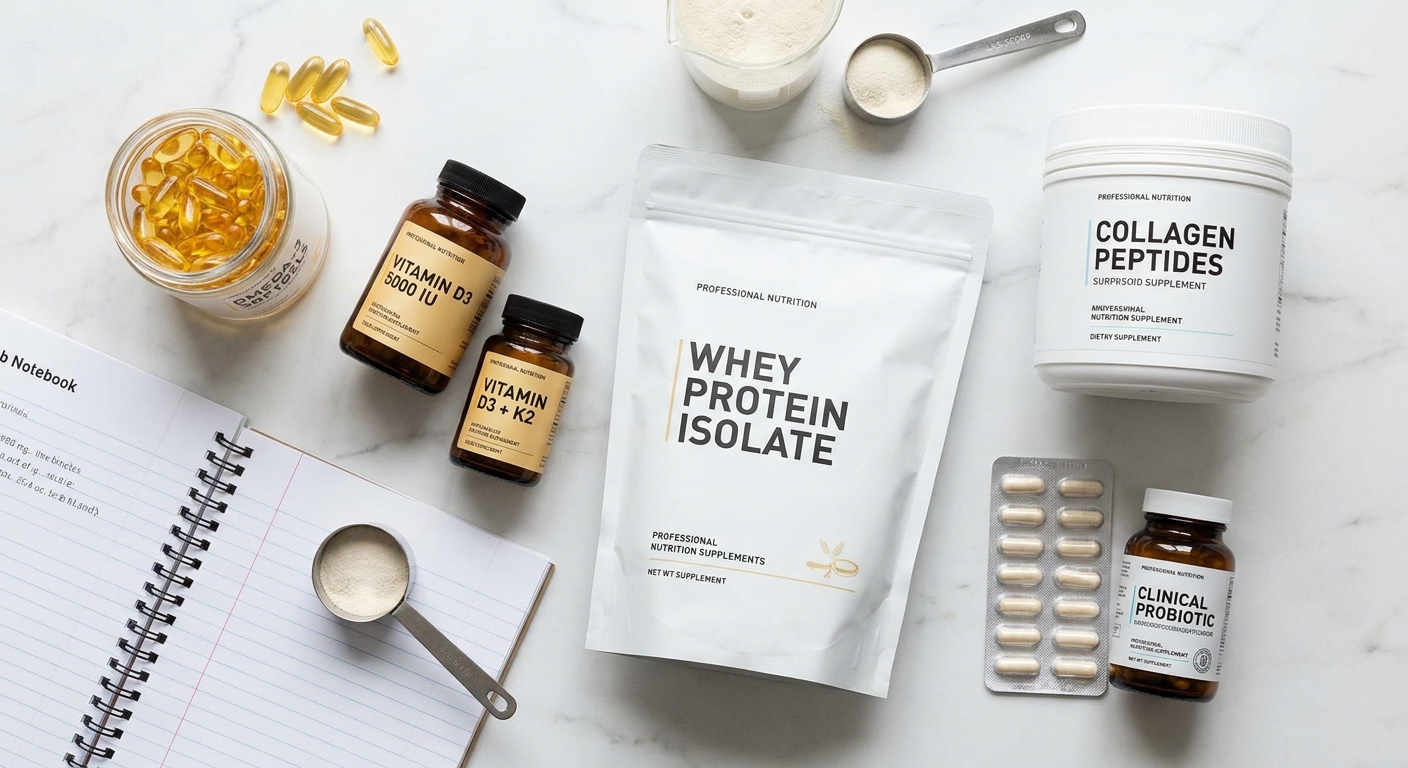
Why Most People Are Taking Supplements Wrong
In a world brimming with health aspirations and instant solutions, the supplement industry stands as a colossal, often confusing, landscape. With annual global sales projected to exceed $300 billion by 2026, and an estimated 80% of adults in Western countries regularly consuming some form of dietary supplement, it’s clear that the pursuit of optimal health is a driving force. Yet, despite this widespread adoption, a significant portion of consumers are navigating this complex terrain without a clear, science-backed compass. They’re swayed by social media trends, anecdotal evidence, aggressive marketing, or simply a hope that “more is better.”
In this article (13)
- Why Most People Are Taking Supplements Wrong
- Protein & Amino Acids: The Building Blocks of Life
- Vitamins & Minerals: Micronutrients for Macrobodies
- Omega Fatty Acids: Essential Fats for Optimal Health
- Probiotics & Gut Health: The Foundation of Wellness
- Performance Supplements: Unleashing Your Potential
- Anti-Inflammatory Supplements: Calming the Flames Within
- How AI Personalizes Supplementation: The Future of Nutrient Optimization
- In-Depth Reviews: Our Top Picks by Category
- What to Avoid: Red Flags in the Supplement Industry
- How to Build Your Personal Supplement Stack
- The Bottom Line on Supplements in 2026
- Frequently Asked Questions
The truth is, while supplements can play a powerful role in bridging nutritional gaps, enhancing performance, and supporting specific health goals, their efficacy is entirely dependent on informed choices. Taking the wrong supplement, the wrong dosage, or a low-quality product can range from a waste of money to actively harmful. The sheer volume of products, conflicting information, and the rapid evolution of scientific understanding make it challenging for even the most health-conscious individuals to discern what truly works.
This comprehensive supplement guide 2026 from ainutry.online is designed to cut through the noise. We’ll equip you with the knowledge to make intelligent, evidence-based decisions, ensuring that every supplement you consider is a strategic investment in your health, not a shot in the dark. We delve into the science, identify who genuinely benefits, provide practical dosage guidance, and highlight the red flags to watch out for. Prepare to transform your approach to supplementation, moving from guesswork to informed empowerment.
Protein & Amino Acids: The Building Blocks of Life
Protein and its constituent amino acids are fundamental to virtually every bodily function, from muscle repair and growth to enzyme production, hormone synthesis, and immune defense. While whole foods should always be your primary source, protein and amino acid supplements offer a convenient and effective way to meet increased demands, especially for athletes, older adults, and those with specific dietary restrictions.
What They Are and Why They Matter
Proteins are large, complex molecules made up of smaller units called amino acids, linked together in long chains. There are 20 different amino acids commonly found in proteins, nine of which are considered “essential” because the body cannot produce them and they must be obtained through diet. Supplements in this category primarily aim to increase protein intake, provide specific amino acids for targeted benefits, or offer a complete profile of essential amino acids (EAAs).
Evidence Quality
The evidence supporting the efficacy of protein and essential amino acid supplementation is robust, particularly for muscle protein synthesis, recovery, and satiety. Research on specific amino acids like BCAAs (branched-chain amino acids) for performance is more nuanced, with some benefits but often overshadowed by complete protein sources. Collagen’s benefits for joint and skin health are gaining significant scientific traction.
Who Needs Them
- Athletes and Active Individuals: To support muscle repair, growth, and recovery after intense exercise. Protein requirements are significantly higher for this group (1.6-2.2g per kg of body weight).
- Individuals Aiming for Weight Management: Protein is highly satiating and can help preserve lean muscle mass during calorie restriction, aiding fat loss.
- Older Adults: To combat sarcopenia (age-related muscle loss) and maintain strength and mobility. Higher protein intake can be crucial.
- Vegetarians and Vegans: To ensure adequate intake of all essential amino acids, especially if plant-based protein sources are not varied enough.
- Individuals Recovering from Injury or Surgery: Increased protein intake can accelerate tissue repair and recovery.
Dosage Guidance
- Whey Protein: Typically 20-40g per serving, ideally post-workout or as a meal replacement/snack.
- Casein Protein: 20-40g, often taken before bed due to its slow digestion.
- Plant-Based Protein (e.g., Pea, Rice, Hemp): 20-30g per serving, often blended to ensure a complete amino acid profile.
- Essential Amino Acids (EAAs): 5-10g, often before or during workouts. Ensure it provides a balanced profile.
- Branched-Chain Amino Acids (BCAAs - Leucine, Isoleucine, Valine): While popular, if you consume enough complete protein, separate BCAA supplementation often provides limited additional benefit. If used, a 2:1:1 ratio of Leucine to Isoleucine to Valine is common, 5-10g per serving.
- Collagen Peptides: 10-20g per day, often taken with Vitamin C for optimal absorption and synthesis.
Red Flags
- Proprietary Blends: Avoid products that hide individual amino acid amounts behind “proprietary blends.” You need to know what you’re getting.
- Excessive Sweeteners/Additives: Many protein powders are loaded with artificial sweeteners, flavors, and thickeners. Opt for simpler formulations.
- Heavy Metal Contamination: Some protein powders, especially plant-based, can contain detectable levels of heavy metals. Look for third-party tested products (e.g., NSF Certified, Informed-Sport).
- Unrealistic Claims: Be wary of products promising “instant muscle gain” or “miracle fat loss” solely through protein.
- Cost vs. Quality: Not all protein is created equal. Cheap protein might indicate lower quality ingredients or processing.
Vitamins & Minerals: Micronutrients for Macrobodies
Vitamins and minerals are essential micronutrients that the body needs in small amounts to function properly. They play countless roles in energy production, immune function, bone health, nerve signaling, and antioxidant defense. While a balanced diet rich in fruits, vegetables, whole grains, and lean proteins should be the primary source, modern lifestyles, dietary restrictions, and environmental factors often create deficiencies that supplementation can address.
What They Are and Why They Matter
Vitamins are organic compounds (like Vitamin D, C, B-complex) that are crucial for metabolism, growth, and overall well-being. They are categorized as fat-soluble (A, D, E, K) or water-soluble (B vitamins, C). Minerals are inorganic elements (like Calcium, Magnesium, Zinc, Iron) that are vital for bone structure, fluid balance, nerve function, and as cofactors for enzymes.
Evidence Quality
The evidence for supplementing specific vitamins and minerals to correct deficiencies is very strong. For general health maintenance in non-deficient individuals, the evidence for multivitamins is mixed, often showing modest benefits at best, but they can act as a nutritional “safety net.” However, specific vitamins like Vitamin D and B12 often show clear benefits in widespread deficiency scenarios.
Who Needs Them
- Individuals with Dietary Restrictions: Vegans and vegetarians often need to supplement B12, Iron, Zinc, and Calcium.
- Pregnant or Breastfeeding Women: Folic acid is critical for fetal development, and iron requirements increase.
- Older Adults: Absorption of B12 and Vitamin D can decrease with age. Magnesium is also often deficient.
- Individuals with Malabsorption Issues: Conditions like Crohn’s, Celiac disease, or gastric bypass surgery can impair nutrient absorption.
- Those with Limited Sun Exposure: Vitamin D supplementation is almost universally recommended for individuals living in northern latitudes or who spend most of their time indoors.
- Athletes: Increased nutrient turnover and sweat loss can necessitate higher intake of certain minerals (e.g., Magnesium, Zinc).
- Individuals with Specific Deficiencies: Diagnosed deficiencies (e.g., Iron-deficiency anemia, Vitamin D deficiency) require targeted supplementation under medical guidance.
Dosage Guidance (General, always consult a professional for personalized advice)
- Multivitamin: Follow label instructions, typically one serving per day. Look for products that provide close to 100% of the Daily Value (DV) for most nutrients, avoiding excessively high doses unless specifically recommended.
- Vitamin D3: 1000-5000 IU daily for most adults, adjusted based on blood levels (aim for 25(OH)D levels of 30-60 ng/mL). Often taken with a fatty meal for better absorption.
- Vitamin B12: 1000-2000 mcg daily for vegans or those with absorption issues. Methylcobalamin or adenosylcobalamin forms are often preferred for bioavailability.
- Magnesium: 200-400 mg daily, preferably in forms like glycinate, citrate, or L-threonate for better absorption and specific benefits (e.g., glycinate for sleep/relaxation, L-threonate for brain health).
- Iron: Only supplement if deficient and under medical supervision, as excessive iron can be toxic. Dosages vary widely based on deficiency severity.
- Zinc: 15-30 mg daily, typically in picolinate, gluconate, or citrate forms. Avoid high doses for extended periods as it can interfere with copper absorption.
- Vitamin C: 500-1000 mg daily for immune support, though higher doses are often marketed. The body’s absorption capacity is limited at higher single doses.
Red Flags
- Megadoses: Extremely high doses of fat-soluble vitamins (A, D, E, K) and some minerals (Iron, Zinc) can be toxic. Water-soluble vitamins are generally safer but still not without risks at very high levels.
- Unregulated Claims: Avoid products promising “cures” for serious diseases or claiming to replace a healthy diet.
- Poor Bioavailability: Some forms of minerals (e.g., Magnesium Oxide, Calcium Carbonate) have lower absorption rates. Opt for chelated forms where possible.
- Lack of Third-Party Testing: Ensure products are tested for purity, potency, and absence of contaminants.
- “All-in-One” Gimmicks: Be skeptical of products claiming to contain every vitamin and mineral in optimal doses, often in a single pill. Quality over quantity.
Omega Fatty Acids: Essential Fats for Optimal Health
Omega fatty acids, particularly Omega-3s, are a class of polyunsaturated fats crucial for brain function, cardiovascular health, and reducing inflammation. Our bodies cannot produce Omega-3s, making them essential dietary components. In an era where modern diets are often skewed towards Omega-6s, supplementation becomes a vital strategy for balancing this critical ratio.
What They Are and Why They Matter
The most important Omega-3 fatty acids are Eicosapentaenoic Acid (EPA) and Docosahexaenoic Acid (DHA), primarily found in fatty fish and algae. Alpha-Linolenic Acid (ALA) is a plant-based Omega-3 found in flaxseeds, chia seeds, and walnuts, which the body can convert to EPA and DHA, but inefficiently. Omega-6 fatty acids (e.g., Linoleic Acid) are also essential but are abundant in the Western diet (vegetable oils, processed foods), leading to an imbalanced Omega-6 to Omega-3 ratio, which can promote inflammation.
Omega-3s are integral components of cell membranes throughout the body and affect the function of hormone receptors in these membranes. They are precursors to eicosanoids, signaling molecules that play crucial roles in regulating inflammation, blood clotting, and blood vessel constriction.
Evidence Quality
The scientific evidence supporting the health benefits of EPA and DHA is extensive and highly robust. Numerous studies link higher intake of Omega-3s to reduced risk of cardiovascular disease, improved brain health, better mood regulation, reduced inflammation, and support for eye health. The evidence for ALA is less direct, as its conversion to EPA/DHA is limited.
Who Needs Them
- Most Adults: Given the widespread imbalance in Omega-6 to Omega-3 ratios in modern diets, almost everyone can benefit from increased Omega-3 intake.
- Individuals with Cardiovascular Concerns: Omega-3s can help lower triglycerides, reduce blood pressure, improve endothelial function, and decrease the risk of arrhythmias.
- Those with Inflammatory Conditions: Conditions like arthritis, inflammatory bowel disease, and autoimmune disorders can benefit from the anti-inflammatory properties of EPA and DHA.
- Pregnant and Breastfeeding Women: DHA is critical for fetal brain and eye development.
- Individuals with Mood Disorders: Some research suggests Omega-3s can play a supportive role in managing depression and anxiety.
- Athletes: For reducing exercise-induced inflammation, aiding recovery, and supporting joint health.
- Individuals with Limited Fish Intake: Those who don’t regularly consume fatty fish (salmon, mackerel, sardines) should consider supplementation.
Dosage Guidance
- General Health: 1000-2000 mg of combined EPA and DHA daily.
- Cardiovascular Health/High Triglycerides: Higher doses, often 2000-4000 mg of combined EPA and DHA, under medical supervision.
- Inflammation/Joint Health: 2000-3000 mg of combined EPA and DHA.
- Pregnancy/Lactation: At least 200 mg of DHA per day, often as part of a combined EPA/DHA supplement.
Look for supplements with a high concentration of EPA and DHA, and consider the triglyceride form for superior absorption compared to ethyl ester forms. Algal oil is an excellent vegan source of EPA and DHA.
Red Flags
- Low EPA/DHA Content: Many fish oil supplements contain low amounts of the active ingredients. Always check the EPA and DHA content per serving, not just the total fish oil.
- Rancidity: Omega-3s are prone to oxidation, which makes them ineffective and potentially harmful. Look for products that are third-party tested for purity and freshness (e.g., IFOS certification). Fishy burps can be a sign of rancidity.
- Ethyl Ester Forms: While not inherently bad, triglyceride forms are generally better absorbed.
- Mercury and PCB Contamination: Choose brands that purify their fish oil to remove heavy metals and other pollutants. Third-party testing is crucial here.
- Over-reliance: While powerful, Omega-3s are not a magic bullet. They should complement a healthy diet, not replace it.
Probiotics & Gut Health: The Foundation of Wellness
The gut microbiome, a complex ecosystem of trillions of bacteria, fungi, and other microorganisms residing in our digestive tract, is increasingly recognized as a cornerstone of overall health. It influences everything from digestion and nutrient absorption to immune function, mood, and even chronic disease risk. Probiotics, prebiotics, and other gut-supportive supplements aim to foster a healthy, balanced microbiome.
What They Are and Why They Matter
Probiotics are live microorganisms (beneficial bacteria and yeasts) that, when administered in adequate amounts, confer a health benefit on the host. Common probiotic strains include various species of Lactobacillus and Bifidobacterium. They work by colonizing the gut, competing with harmful bacteria, producing beneficial compounds, and modulating the immune system.
Prebiotics are non-digestible fibers that selectively stimulate the growth and activity of beneficial gut bacteria. Examples include inulin, fructooligosaccharides (FOS), and galactooligosaccharides (GOS). They essentially “feed” the good bacteria.
Fiber supplements like psyllium husk are not strictly probiotics or prebiotics but contribute significantly to gut health by promoting regular bowel movements and providing substrate for fermentation by gut bacteria.
Evidence Quality
The evidence for probiotics is growing rapidly but is highly strain-specific. While general probiotic use shows promise for digestive issues like IBS, antibiotic-associated diarrhea, and certain inflammatory conditions, specific strains are required for specific benefits. Prebiotic research is also strong, demonstrating benefits for gut flora diversity and digestive regularity. Fiber’s benefits for gut and cardiovascular health are well-established.
Who Needs Them
- Individuals with Digestive Issues: IBS, IBD (in remission), constipation, diarrhea, bloating.
- After Antibiotic Use: To help restore beneficial gut bacteria depleted by antibiotics.
- Those Seeking Immune Support: A healthy gut microbiome is intimately linked to a robust immune system.
- Individuals with Certain Skin Conditions: Emerging research suggests a gut-skin axis.
- Travelers: To help prevent traveler’s diarrhea.
- Anyone with an Unbalanced Diet: A diet low in fiber and fermented foods can benefit from probiotic and prebiotic support.
- Individuals with High Stress Levels: Stress can negatively impact gut flora composition.
Dosage Guidance
- Probiotics: Dosages are measured in Colony Forming Units (CFUs) and vary widely. For general gut health, 10-50 billion CFUs daily, with a diverse range of strains (e.g., Lactobacillus acidophilus, Bifidobacterium lactis). For specific conditions, higher doses and targeted strains may be recommended by a healthcare professional. Take with food or as directed.
- Prebiotics (e.g., Inulin, FOS): 5-10g daily. Start with a lower dose and gradually increase to avoid digestive discomfort like bloating or gas.
- Psyllium Husk: 5-10g mixed with plenty of water, 1-3 times daily. Always consume with sufficient liquid to prevent choking or intestinal obstruction.
Red Flags
- “Magic Bullet” Claims: Probiotics are not a cure-all. They work best as part of a holistic approach to gut health, including a fiber-rich diet.
- Lack of Strain Specificity: A good probiotic will list specific strains (e.g., Lactobacillus rhamnosus GG), not just “probiotic blend.” Different strains have different effects.
- Inadequate CFU Count: Some products have very low CFU counts that may not be clinically effective.
- Poor Storage: Many probiotics require refrigeration to maintain viability. Check storage instructions. Shelf-stable options are available but ensure they maintain CFU count until expiration.
- Excessive Fillers/Allergens: Check for common allergens if you have sensitivities.
- Over-reliance on one type of supplement: A healthy gut requires a diverse diet, hydration, and stress management, in addition to targeted supplements.
Performance Supplements: Unleashing Your Potential
For athletes, gym-goers, and anyone striving to enhance their physical performance, certain supplements have garnered substantial scientific backing. These compounds are designed to improve strength, power, endurance, recovery, and cognitive function during exercise. However, the market is flooded with products making grand claims, so it’s crucial to focus on those with a strong evidence base.
What They Are and Why They Matter
Performance supplements typically work through various mechanisms: increasing energy reserves (e.g., creatine), improving oxygen delivery (e.g., nitrates), buffering lactic acid (e.g., beta-alanine), or stimulating the central nervous system (e.g., caffeine). They are intended to complement rigorous training and a nutritious diet, not replace them.
Evidence Quality
Several performance supplements, particularly creatine, caffeine, and beta-alanine, have extensive, high-quality research supporting their efficacy across various athletic populations and disciplines. Others, like nitric oxide boosters, have more mixed or less conclusive evidence for broad application, though they may offer benefits in specific contexts.
Who Needs Them
- Strength and Power Athletes: Creatine is a cornerstone for increasing strength, power output, and muscle mass.
- Endurance Athletes: Caffeine for endurance performance and beta-alanine for buffering muscle acidity during high-intensity efforts.
- Individuals Engaged in High-Intensity Interval Training (HIIT): Beta-alanine can improve performance in repeated bouts of intense exercise.
- Anyone Seeking to Improve Exercise Performance: If training consistently and looking for an edge, these can be beneficial.
- Those Needing a Pre-Workout Boost: Caffeine is widely used for energy and focus before training.
Dosage Guidance
- Creatine Monohydrate:
- Loading Phase (Optional): 20g/day (divided into 4x5g doses) for 5-7 days.
- Maintenance Phase: 3-5g/day. Consistent daily intake is more important than timing.
- Note: Ensure adequate hydration.
- Caffeine:
- Performance Enhancement: 3-6 mg per kg of body weight, taken 30-60 minutes before exercise.
- Note: Individual tolerance varies greatly. Start low. Avoid close to bedtime due to sleep disruption.
- Beta-Alanine:
- Loading Phase: 3.2-6.4g/day (divided into smaller doses to minimize paresthesia/tingling) for 2-4 weeks.
- Maintenance Phase: 3.2-6.4g/day.
- Note: The tingling sensation (paresthesia) is harmless.
- Nitric Oxide Boosters (e.g., L-Citrulline, L-Arginine):
- L-Citrulline: 6-8g of L-Citrulline Malate (or 3-5g pure L-Citrulline) 30-60 minutes before exercise.
- Note: L-Citrulline is generally more effective than L-Arginine for increasing nitric oxide levels.
Red Flags
- Proprietary Blends: A common tactic in pre-workouts. Avoid products that don’t disclose the exact amounts of each ingredient. You need to know you’re getting effective doses.
- “Stimulant Stacks”: Excessive amounts of caffeine combined with other stimulants can lead to anxiety, jitters, heart palpitations, and sleep disturbances.
- Banned Substances: Athletes subject to drug testing must ensure supplements are third-party tested for banned substances (e.g., Informed-Sport, NSF Certified for Sport).
- Unrealistic Claims: Supplements cannot compensate for poor training or diet. Be wary of promises of “instant” or “superhuman” results.
- New, Unproven Ingredients: The market constantly introduces novel ingredients with little to no scientific backing. Stick to the classics with robust evidence.
- Lack of Transparency: Reputable brands will be transparent about their ingredients, sourcing, and testing.
Anti-Inflammatory Supplements: Calming the Flames Within
Chronic inflammation is a silent threat, linked to numerous modern diseases including heart disease, diabetes, autoimmune disorders, and neurodegenerative conditions. While diet and lifestyle are paramount in managing inflammation, certain supplements can offer targeted support, helping to modulate the body’s inflammatory response and promote overall well-being.
What They Are and Why They Matter
Anti-inflammatory supplements typically contain compounds that interfere with inflammatory pathways, scavenge free radicals (antioxidants), or support the body’s natural healing processes. They work synergistically with a healthy diet rich in anti-inflammatory foods (fruits, vegetables, whole grains, healthy fats) to create a less inflammatory internal environment.
Evidence Quality
The evidence for some anti-inflammatory supplements, like Omega-3 fatty acids and curcumin, is strong and growing. Others, while promising, may require more research or are effective for specific inflammatory markers rather than broad systemic inflammation. The quality of the supplement (e.g., bioavailability) is crucial for efficacy.
Who Needs Them
- Individuals with Chronic Inflammatory Conditions: Arthritis (osteoarthritis, rheumatoid arthritis), inflammatory bowel disease (IBD), psoriasis.
- Athletes and Active Individuals: To manage exercise-induced inflammation and aid recovery.
- Older Adults: As inflammation tends to increase with age (inflammaging).
- Individuals with High Stress Levels: Chronic stress can contribute to systemic inflammation.
- Those with Diets Lacking Anti-inflammatory Foods: While supplements shouldn’t replace a healthy diet, they can help bridge gaps.
- Individuals with Metabolic Syndrome: Which often involves chronic low-grade inflammation.
Dosage Guidance
- Curcumin (from Turmeric):
- Standardized Extract: 500-1500 mg daily, typically divided into 2-3 doses.
- Note: Curcumin has poor bioavailability. Look for formulations enhanced for absorption, such as those with piperine (black pepper extract), liposomal forms, or phytosomes.
- Omega-3 Fatty Acids (EPA/DHA):
- Anti-inflammatory Doses: 2000-4000 mg of combined EPA and DHA daily. (See Omega Fatty Acids section for more details).
- Ginger Extract:
- Standardized Extract: 250-500 mg, 2-4 times daily.
- Note: Can also be consumed as fresh ginger or ginger tea.
- Quercetin:
- Standardized Extract: 500-1000 mg daily.
- Note: Often combined with Vitamin C or bromelain for enhanced absorption and synergistic effects.
- Boswellia Serrata (Frankincense):
- Standardized Extract (e.g., 65% Boswellic Acid): 300-500 mg, 2-3 times daily.
Red Flags
- Low Bioavailability: Many natural anti-inflammatory compounds (like curcumin) are poorly absorbed. If the product doesn’t address this, it may be ineffective.
- Unrealistic Expectations: Supplements are supportive; they are not a substitute for medical treatment for severe inflammatory conditions.
- Interactions with Medications: Some anti-inflammatory supplements (e.g., high-dose Omega-3s, ginger, curcumin) can interact with blood thinners. Always consult a doctor, especially if on medication.
- “Mega-Dose” Claims: More isn’t always better. Stick to evidence-backed dosages.
- Lack of Standardization: Extracts should be standardized to their active compounds (e.g., 95% curcuminoids for turmeric, 65% boswellic acid for boswellia).
- Ignoring Lifestyle: No supplement can overcome a diet high in processed foods, sugar, and unhealthy fats, or a sedentary lifestyle.
How AI Personalizes Supplementation: The Future of Nutrient Optimization
The dawn of artificial intelligence is revolutionizing many aspects of our lives, and personalized nutrition is no exception. AI’s ability to process vast amounts of data offers a glimpse into a future where your supplement regimen is as unique as your genetic code and lifestyle. This isn’t about generic recommendations; it’s about ultra-precision wellness.
What It Is and Why It Matters
AI-powered personalization in supplementation involves collecting and analyzing diverse data points about an individual to generate highly specific and dynamic recommendations. This data can include:
- Genomic Data: Identifying genetic predispositions to nutrient deficiencies (e.g., MTHFR gene affecting folate metabolism), metabolic rates, and responses to certain compounds.
- Dietary Intake: Analysis of food logs or typical eating patterns to identify current nutrient intake and potential gaps.
- Lifestyle Factors: Activity levels, sleep patterns, stress levels, alcohol consumption, smoking habits, and environmental exposures.
- Biometric Data: Blood test results (e.g., vitamin D levels, iron, cholesterol, inflammatory markers), wearable device data (heart rate, sleep, activity).
- Health Goals: Specific objectives like muscle gain, weight loss, improved sleep, enhanced immunity, or managing a particular health condition.
AI algorithms can then cross-reference this personal profile with an extensive database of scientific research on supplements, nutrient interactions, and dosage recommendations. The goal is to move beyond a “one-size-fits-all” approach to a “one-size-fits-one” model, optimizing efficacy and minimizing unnecessary consumption.
In-Depth Reviews: Our Top Picks by Category
- Best Omega-3 Supplements for Athletes in 2026
- Best Magnesium Glycinate for Anxiety and Sleep
- Best Vitamin B12 Supplements for Energy
- Best Collagen Supplements for Athletes
- Best Multivitamins for Women Over 40
- Best Whey Isolate for Lean Muscle
- Best Probiotics for Women’s Health
- Best Curcumin with Black Pepper
- Best Vitamin C for Immune Defense
- Best Creatine Supplements for Women
- Best Psyllium Husk for Digestive Health
- Best Vitamin D3 for Bone Health and Immunity
What to Avoid: Red Flags in the Supplement Industry
Navigating the supplement market in 2026 requires a keen eye for potential pitfalls. The industry, while offering beneficial products, is also rife with practices designed to mislead consumers. One of the biggest red flags to watch out for are proprietary blends. These formulas list a blend of ingredients with a total dosage, but hide the individual amounts of each component. This makes it impossible to know if you’re getting an effective dose of the beneficial ingredients, often allowing manufacturers to include minuscule, ineffective amounts while heavily marketing a key ingredient.
Another serious concern is outright label fraud. This can range from products containing significantly less of an active ingredient than advertised, to being contaminated with undeclared substances, including banned stimulants, heavy metals, or prescription drugs. Always be skeptical of products promising miracle cures or offering unrealistic results. Similarly, beware of inflated doses. While some nutrients are safe in higher amounts, others can become toxic. Some brands might pack excessively high doses of certain vitamins or minerals into a single serving, well beyond the tolerable upper intake levels, which can lead to adverse health effects without providing additional benefits. More isn’t always better, and in some cases, it can be dangerous.
Finally, a critical indicator of a reputable supplement is the presence of third-party testing. If a company cannot provide evidence that their products have been independently tested for purity, potency, and absence of contaminants by organizations like NSF International, USP, or ConsumerLab.com, it’s a major red flag. Without this verification, you have no guarantee that what’s on the label is actually what’s in the bottle. Prioritizing transparency and verified quality will protect your health and your wallet.
How to Build Your Personal Supplement Stack
Building an effective personal supplement stack isn’t about throwing everything at your body; it’s a strategic, individualized process. The first step should always be to start with the fundamentals. Before considering any specialized supplements, ensure you’re covering your basic nutritional bases. This typically includes a high-quality multivitamin, especially if your diet isn’t perfectly balanced, and often Vitamin D3, as deficiencies are common, particularly in less sunny climates. Omega-3 fatty acids are another fundamental, crucial for overall health, brain function, and inflammation management. These foundational supplements aim to fill common dietary gaps and support general well-being.
Once your fundamentals are in place, the next stage involves targeting specific deficiencies identified through diet analysis, lifestyle factors, or ideally, blood tests. For example, if you experience persistent fatigue, a blood test might reveal an iron or B12 deficiency. If sleep quality is poor, magnesium glycinate could be a targeted addition. This step requires a personalized approach and often benefits from consultation with a healthcare professional or registered dietitian. Don’t guess; test and address specific needs to avoid unnecessary supplementation.
Finally, with your foundational health and any deficiencies addressed, you can then consider supplements aimed at performance enhancement or specific health goals. This category includes supplements like creatine for strength and power, collagen for joint and skin health, or specialized probiotics for gut issues. These are additions that fine-tune your health and performance, building upon a solid nutritional base. Remember, supplements are meant to supplement, not replace, a healthy diet and lifestyle. Prioritize real food, hydration, sleep, and exercise, and use supplements intelligently to optimize your outcomes.
The Bottom Line on Supplements in 2026
As we navigate the ever-evolving landscape of nutrition in 2026, the fundamental truth about supplements remains steadfast: they are tools, not magic bullets. The core principle of optimal health continues to revolve around a nutrient-dense, balanced diet rich in whole foods, adequate hydration, regular physical activity, and sufficient sleep. These pillars form the bedrock upon which all other health interventions, including supplementation, should be built. No pill or powder can fully compensate for a consistently poor diet or an unhealthy lifestyle.
However, when used intelligently and strategically, supplements can play a valuable role in bridging nutritional gaps, supporting specific health goals, and enhancing performance. They become particularly relevant in cases of diagnosed deficiencies, increased physiological demands (like those of athletes), or specific life stages (such as pregnancy or aging). The key is to approach supplementation with an informed, critical mindset, prioritizing transparency, third-party testing, and evidence-backed ingredients. Consult with healthcare professionals to tailor your supplement regimen to your unique needs.
In conclusion, think of supplements as powerful allies that can optimize your health journey, but always remember to emphasize food-first. Use supplements to fill gaps, address specific needs, and provide targeted support, rather than as a substitute for a healthy lifestyle. Your well-being in 2026 and beyond will be best served by a holistic approach that integrates smart supplementation with foundational health practices.
Medical Disclaimer: The information provided in this article is for informational purposes only and is not intended as medical advice. Always consult with a qualified healthcare professional before making any decisions about your health or starting any new supplement regimen, especially if you have existing health conditions or are taking medications.
Frequently Asked Questions
What’s the biggest change in supplement efficacy we can expect by 2026?
By 2026, the biggest change will be a more robust scientific consensus on personalized nutrition. Advances in genetic testing and microbiome analysis will allow for highly tailored supplement recommendations, moving away from ‘one-size-fits-all’ approaches and significantly improving individual efficacy based on unique biological markers.
Are there any ‘miracle’ supplements on the horizon that will revolutionize health?
While ‘miracle’ is a strong word, research into senolytics and NAD+ boosters shows promising potential for anti-aging and cellular health by 2026. These compounds aim to target fundamental aging processes, potentially offering significant improvements in longevity and vitality, though extensive human trials are still ongoing.
How will the ‘Ultimate Supplement Guide 2026’ help me avoid ineffective products?
Our guide will rigorously evaluate supplements based on the latest peer-reviewed scientific evidence and clinical trials, not marketing hype. We’ll provide clear criteria for identifying effective dosages, reputable brands, and highlight common red flags, empowering you to make informed decisions and avoid wasting money on unproven products.
Will plant-based or synthetic supplements dominate the market by 2026?
By 2026, we anticipate a continued rise in both, but with a stronger emphasis on the ‘bioavailability’ and ‘sustainability’ of ingredients. Plant-based supplements will gain traction due to consumer demand for natural sources, while advanced synthetic compounds will be favored for their precise purity and targeted mechanisms, often derived from biotechnological advancements.
Leave a Reply