
Research indicates that individuals who consistently track their food intake are up to 2.7 times more likely to achieve their weight management goals than those who don’t, yet manual logging often leads to frustration and inaccuracy. Today, AI calorie tracking is bridging this gap, offering a new paradigm where precision meets unparalleled ease, fundamentally transforming how we approach personalized nutrition. This technological leap empowers individuals with data-driven insights, making their health journeys more informed and effective than ever before.
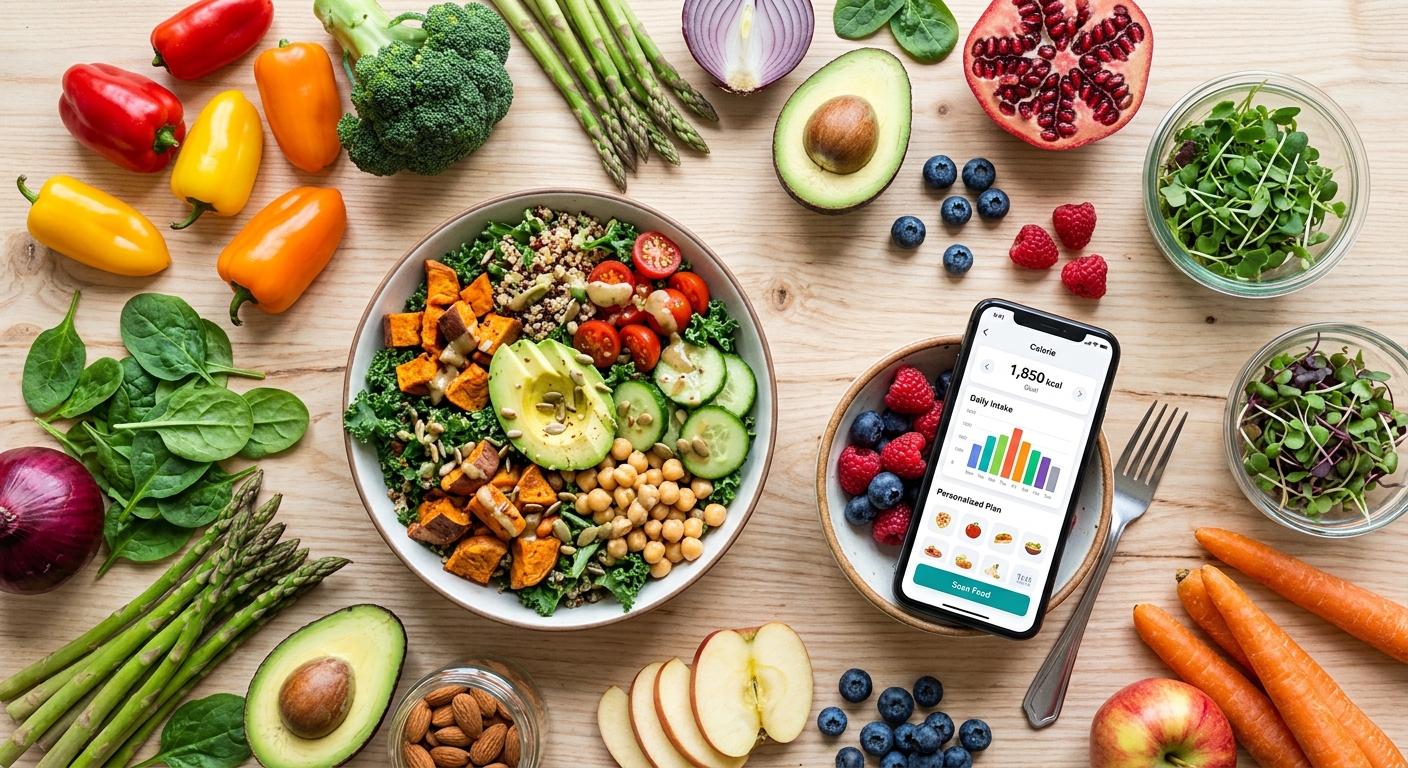
Table of Contents
- The Foundation: From Manual Logs to Digital Insights
- AI’s Technological Leap in Food Recognition
- Beyond Basic Tracking: Deepening Nutritional Intelligence
- The Core of Personalization: Adaptive Nutrition Plans
- Empowering Users and Developers: Accessibility and Innovation
- Navigating the Future: Potential and Ethical Considerations
- Key Takeaways
- FAQ
- Conclusion
The Foundation: From Manual Logs to Digital Insights
For decades, managing dietary intake primarily involved tedious manual logging, whether through pen-and-paper food diaries or complex spreadsheets. This traditional approach, while foundational to understanding one’s eating habits, was fraught with challenges. Users often struggled with accurately estimating portion sizes, deciphering complex nutritional labels, and consistently recording every meal and snack. The sheer time commitment and cognitive load associated with manual tracking frequently led to burnout and inconsistent data, undermining the very goal of achieving better nutritional awareness.
The advent of digital tools marked a significant step forward, transitioning calorie counting from physical journals to mobile applications and websites. Early digital trackers offered databases of food items, allowing users to search and log their meals with greater convenience. While these platforms streamlined the process, they still largely relied on manual input. Users were tasked with actively searching for foods, selecting appropriate portion sizes from predefined options, and diligently entering their intake multiple times a day. This reliance on user diligence meant that accuracy and consistency remained variable, contingent on the individual’s motivation and understanding of nutrition.
The latest evolution in this journey introduces artificial intelligence, fundamentally redefining the landscape of dietary management. AI calorie tracking is not merely an incremental improvement; it represents a paradigm shift that moves beyond basic data entry to intelligent analysis and personalized guidance. By automating and enhancing the accuracy of food recognition and nutritional calculation, AI is addressing the long-standing pain points of traditional methods, making the process more seamless, precise, and integrated into daily life. This technological advancement is proving crucial in how ai calorie tracking are changing personalized nutrition, offering insights previously unattainable for the average individual.
AI’s Technological Leap in Food Recognition
At the heart of modern AI calorie tracking lies sophisticated computer vision technology. This innovation allows users to simply snap a picture of their meal, and the AI instantly identifies the food items present. Leveraging vast datasets of images and deep learning algorithms, these systems can distinguish between different types of food, from a grilled chicken breast to a complex pasta dish. The AI doesn’t just recognize the food; it also estimates portion sizes, a critical factor for accurate calorie and macronutrient calculation. This hands-free logging capability drastically reduces the effort required from the user, eliminating the need for manual searches and estimations.
The accuracy offered by these AI systems is a significant leap forward. A 2021 study published in *JMIR mHealth and uHealth* demonstrated that AI-powered food recognition systems achieved an average accuracy of over 85% in identifying food items and estimating portion sizes, significantly outperforming traditional manual logging methods in terms of consistency and speed. This level of precision is often 2x more accurate than even human nutritionists making visual estimates, as AI can process and compare against millions of data points instantaneously. Such advancements ensure that the nutritional data collected is reliable, forming a solid foundation for personalized dietary advice.
Beyond visual recognition, AI calorie tracking also incorporates natural language processing (NLP). This allows for voice-activated logging, where users can simply speak their meal details into their device. The AI then processes this spoken information, identifying food items, quantities, and even preparation methods, translating them into nutritional data. This further enhances convenience, making tracking accessible in situations where using hands or typing might be impractical. Whether through visual input or voice commands, AI eliminates much of the manual input, making the entire process intuitive and efficient.
Moreover, once the food is identified and portioned, AI automatically calculates the calories, protein, carbs, and fat, often down to specific micronutrients. This immediate feedback provides users with a comprehensive nutritional breakdown without any manual calculation or lookup. Many platforms also allow users to add their own custom foods, further enhancing the personalized database. This blend of computer vision, NLP, and automated nutritional analysis is a testament to how AI calorie tracking are changing personalized nutrition by making it effortless and remarkably precise.
Beyond Basic Tracking: Deepening Nutritional Intelligence
While calorie counting is fundamental, true personalized nutrition extends far beyond a simple energy total. AI calorie tracking systems are now capable of analyzing a much broader spectrum of nutritional data, providing insights into macronutrient distribution (proteins, carbohydrates, fats), micronutrient intake (vitamins, minerals), and even specific dietary patterns. By tracking these elements consistently, AI can identify trends and deficiencies that might otherwise go unnoticed, offering a holistic view of an individual’s diet. This detailed analysis allows users to understand not just how much they are eating, but also what they are eating and how it contributes to their overall health goals.
The power of AI lies in its ability to process and synthesize vast amounts of data, converting raw numbers into actionable intelligence. Instead of merely listing nutrient totals, AI algorithms can interpret these figures in the context of an individual’s specific needs, activity levels, and health objectives. For instance, it can highlight if a user consistently falls short on fiber intake, or if their protein consumption is insufficient for muscle recovery post-workout. This level of granular insight empowers users to make more informed dietary choices, moving beyond generic advice to targeted nutritional adjustments.
Furthermore, advanced AI systems are beginning to explore the concept of “food fingerprinting” - understanding how different individuals react uniquely to various foods. While still an emerging field, the potential for AI to correlate dietary intake with biometric data from wearables (like blood glucose levels or sleep patterns) could unlock unprecedented levels of personalization. This capability could help identify foods that cause energy dips, digestive issues, or other physiological responses specific to an individual, paving the way for truly bespoke dietary recommendations. This deep dive into nutritional intelligence is a key aspect of how
AI is transforming health management
, making dietary tracking a powerful tool for wellness.
The Core of Personalization: Adaptive Nutrition Plans
The ultimate goal of personalized nutrition is to provide dietary guidance that is perfectly tailored to an individual’s unique physiology, lifestyle, and goals. AI calorie tracking excels in this domain by moving beyond static meal plans to dynamic, adaptive nutrition strategies. Unlike traditional methods that offer one-size-fits-all advice, AI platforms continuously learn from user input, progress, and even external factors like activity levels and sleep quality. This constant feedback loop allows the AI to refine recommendations in real-time, ensuring that the nutritional plan remains relevant and effective as an individual’s needs evolve.
Adaptive learning is a cornerstone of this personalization. If a user consistently exceeds their calorie target on specific days, the AI can analyze the underlying reasons - perhaps stress eating, social events, or inadequate satiety from previous meals - and suggest strategies to mitigate these patterns. It can recommend alternative food choices, adjust meal timings, or even provide behavioral nudges to help users stay on track. This iterative process of tracking, analyzing, and adapting is precisely how ai calorie tracking are changing personalized nutrition, making dietary management a responsive and supportive journey rather than a rigid set of rules.
The integration of AI calorie tracking with other health data sources further enhances personalization. By connecting with wearable devices, AI can factor in daily activity levels, heart rate, and sleep quality when calculating energy expenditure and nutrient needs. This holistic view allows for more accurate calorie targets and macronutrient ratios, optimizing fuel for workouts, recovery, and overall well-being. This comprehensive data synthesis ensures that recommendations are not just based on food intake, but on a complete picture of an individual’s health and lifestyle. Furthermore, a comprehensive review in *Obesity Reviews* in 2019 highlighted that individuals who consistently engage in self-monitoring, a process greatly enhanced by AI tools, can achieve 2 to 3 times greater weight loss success compared to those who do not track their intake.
The ability of AI to learn individual preferences and habits also plays a significant role. If a user consistently logs vegetarian meals, the AI will prioritize plant-based recommendations. If they have specific allergies or dietary restrictions, these are seamlessly incorporated into the adaptive plan. This level of understanding fosters a sense of agency and sustainability, as the personalized plan feels less like a strict regimen and more like a supportive guide tailored specifically for them. It transforms the challenging task of managing diet into an intuitive and empowering experience.
Empowering Users and Developers: Accessibility and Innovation
One of the most profound impacts of AI calorie tracking is the democratization of sophisticated nutritional guidance. What was once the exclusive domain of professional nutritionists or dedicated health enthusiasts is now accessible to the everyday individual through intuitive AI-powered applications. By automating complex tasks like food identification and nutritional calculation, AI removes significant barriers to entry, making it easier for anyone to monitor their diet, understand their nutritional intake, and work towards their health goals. This accessibility is crucial for public health, as it empowers a wider population to make informed dietary choices.
Beyond end-users, AI calorie tracking technology is also a powerful tool for developers and innovators. Platforms often provide Food AI APIs, allowing third-party developers to integrate advanced nutritional analysis capabilities into their own applications. This fosters a vibrant ecosystem of innovation, where developers can build detailed nutritional user profiles, recommend customized diets, and create specialized health and wellness tools without having to develop complex AI algorithms from scratch. This collaborative approach accelerates the pace of innovation in personalized health technology, leading to an even broader array of solutions for diverse needs.
The user experience is paramount in the success of any health technology, and AI calorie tracking systems are designed with this in mind. Intuitive interfaces guide users through the process, providing real-time feedback and easy-to-understand results. Gamification elements, progress tracking, and behavioral nudges are often integrated to maintain engagement and motivate users towards their objectives. By making the process enjoyable and rewarding, AI helps users build sustainable habits, turning the often-dreaded task of dietary tracking into an empowering part of their daily routine. This comprehensive approach to user engagement and developer empowerment ensures that
AI continues to drive advancements in personalized health
.
Navigating the Future: Potential and Ethical Considerations
The future of AI calorie tracking promises even more profound levels of personalization and integration. We can anticipate seamless integration with a wider range of biometric sensors, including continuous glucose monitors, smart scales, and even genetic profiling data. This convergence of data sources will allow AI to offer hyper-personalized nutritional advice that considers not just what a person eats, but also their unique metabolism, genetic predispositions, and real-time physiological responses. Imagine an AI that recommends specific foods based on your gut microbiome composition or optimizes your pre-workout meal based on your genetic markers for carbohydrate metabolism.
However, this advanced capability also brings forth important ethical considerations. Data privacy and security become paramount as AI systems collect increasingly sensitive personal health information. Robust safeguards must be in place to protect user data from breaches and misuse. Furthermore, there’s a need to address the potential for over-reliance on AI, where individuals might disengage from understanding basic nutritional principles, instead blindly following algorithmic recommendations. Ensuring transparency in how AI makes its recommendations and providing educational context will be crucial to foster informed decision-making.
The role of human oversight and education will remain indispensable, even as AI becomes more sophisticated. AI tools are powerful aids, but they are not substitutes for professional medical or nutritional advice when needed. AINUTRY champions the belief that AI should augment, not replace, human intelligence and empathy. By providing accurate, evidence-based information and empowering users with intelligent tools, AI calorie tracking can continue to evolve responsibly, ensuring that its transformative potential is harnessed for the betterment of individual and public health, truly demonstrating how ai calorie tracking are changing personalized nutrition for the better in a sustainable way.
Explore more about AI’s role in health education
on our platform.
Key Takeaways
- AI calorie tracking automates and enhances food recognition, portion estimation, and nutritional calculation.
- Computer vision and natural language processing make logging seamless and highly accurate, often outperforming manual methods.
- Beyond calories, AI provides deep insights into macronutrients, micronutrients, and dietary patterns for a holistic view.
- AI platforms offer adaptive, personalized nutrition plans that evolve with individual needs, preferences, and progress.
- The technology empowers both everyday users with accessible tools and developers with powerful APIs for innovation.
- Future advancements promise hyper-personalization, while ethical considerations like data privacy and responsible usage remain critical.
FAQ
How accurate is AI calorie tracking compared to manual logging?
AI calorie tracking systems, especially those leveraging computer vision, have shown remarkable accuracy. A 2021 study found AI-powered food recognition systems achieved over 85% accuracy in identifying food items and estimating portions. This often surpasses the consistency and precision of manual logging, which is prone to human error in estimation and data entry, making AI a more reliable method for consistent tracking.
Can AI calorie tracking identify all types of food, including complex dishes?
Modern AI calorie tracking systems are highly advanced and can identify a vast array of food items, including many complex dishes. They learn from extensive databases of images and nutritional information. While recognition might be more challenging for highly unusual or obscure homemade dishes, most common meals and ingredients are accurately processed, and many apps allow users to add custom foods or manually adjust entries for unique items.
Is my data safe when using AI calorie tracking applications?
Data security and privacy are critical concerns for reputable AI calorie tracking applications. Most platforms employ robust encryption and adhere to strict privacy policies to protect user data. It’s always advisable to review an application’s privacy policy and terms of service to understand how your data is collected, stored, and used. Choosing platforms from trusted providers like AINUTRY helps ensure your personal health information is handled with care.
How does AI provide personalized nutrition recommendations?
AI provides personalized recommendations by analyzing your logged food intake, activity levels, health goals, and sometimes even biometric data from connected devices. It uses machine learning algorithms to identify patterns, nutritional deficiencies, and areas for improvement. Based on this continuous learning, the AI adapts its suggestions for meal plans, portion sizes, and food choices to align with your evolving needs and help you achieve your specific health objectives.
Will AI calorie tracking replace human nutritionists or dietitians?
AI calorie tracking is designed to augment, not replace, the expertise of human nutritionists and dietitians. While AI can provide highly accurate data, personalized plans, and continuous feedback, it lacks the human touch, empathy, and nuanced understanding that a professional can offer, especially for complex health conditions or behavioral counseling. AI serves as a powerful tool to empower individuals and provide data-driven insights, allowing nutritionists to focus on deeper client relationships and specialized guidance.
Conclusion
The journey from rudimentary food diaries to sophisticated AI-powered platforms marks a profound evolution in how we understand and manage our nutrition. AI calorie tracking is not just a technological novelty; it’s a transformative force that is democratizing access to precise nutritional insights and making personalized health goals more attainable than ever before. By automating the tedious aspects of food logging and providing intelligent analysis, AI empowers individuals to take charge of their dietary health with unprecedented ease and accuracy.
The integration of computer vision, natural language processing, and adaptive learning algorithms means that AI calorie tracking are changing personalized nutrition from a generic, often frustrating endeavor into a dynamic, responsive, and highly effective journey. It moves beyond simple numbers to offer a deep understanding of how specific foods impact individual well-being, fostering sustainable habits and informed choices tailored to unique needs and lifestyles.
As we look to the future, the potential for AI in nutrition is limitless, promising even greater personalization and integration with other health data. AINUTRY remains committed to harnessing these advancements responsibly, providing an evidence-based platform that educates and empowers. Embracing AI in nutrition is about embracing a smarter, more accessible path to better health for everyone.
Frequently Asked Questions
How does AI calorie tracking personalize nutrition plans?
AI calorie tracking uses artificial intelligence to analyze food intake, often through image recognition or natural language processing, to estimate calorie and macronutrient content. This data is then used to provide personalized dietary recommendations and insights, adapting to individual goals and progress for more effective nutrition management.
How accurate is AI calorie tracking for personalized nutrition?
While AI calorie tracking aims for high accuracy through advanced algorithms and extensive food databases, its precision can still vary depending on the technology and user input quality. It generally offers improvements over traditional manual logging by reducing human error and providing more consistent data, though it’s not always perfectly exact.
Who should use AI calorie tracking for personalized nutrition?
Individuals seeking more convenient, consistent, and data-driven approaches to managing their diet can benefit significantly from AI calorie tracking. It’s particularly useful for those aiming for weight management, athletic performance, or specific dietary goals who struggle with manual logging or need adaptive nutritional guidance.
What are the privacy considerations when using AI calorie tracking apps?
Using AI calorie tracking apps involves sharing personal dietary and potentially health data, raising concerns about data privacy and security. Users should carefully review an app’s privacy policy to understand how their information is collected, stored, and used, and choose reputable platforms with strong data protection measures.
Leave a Reply