
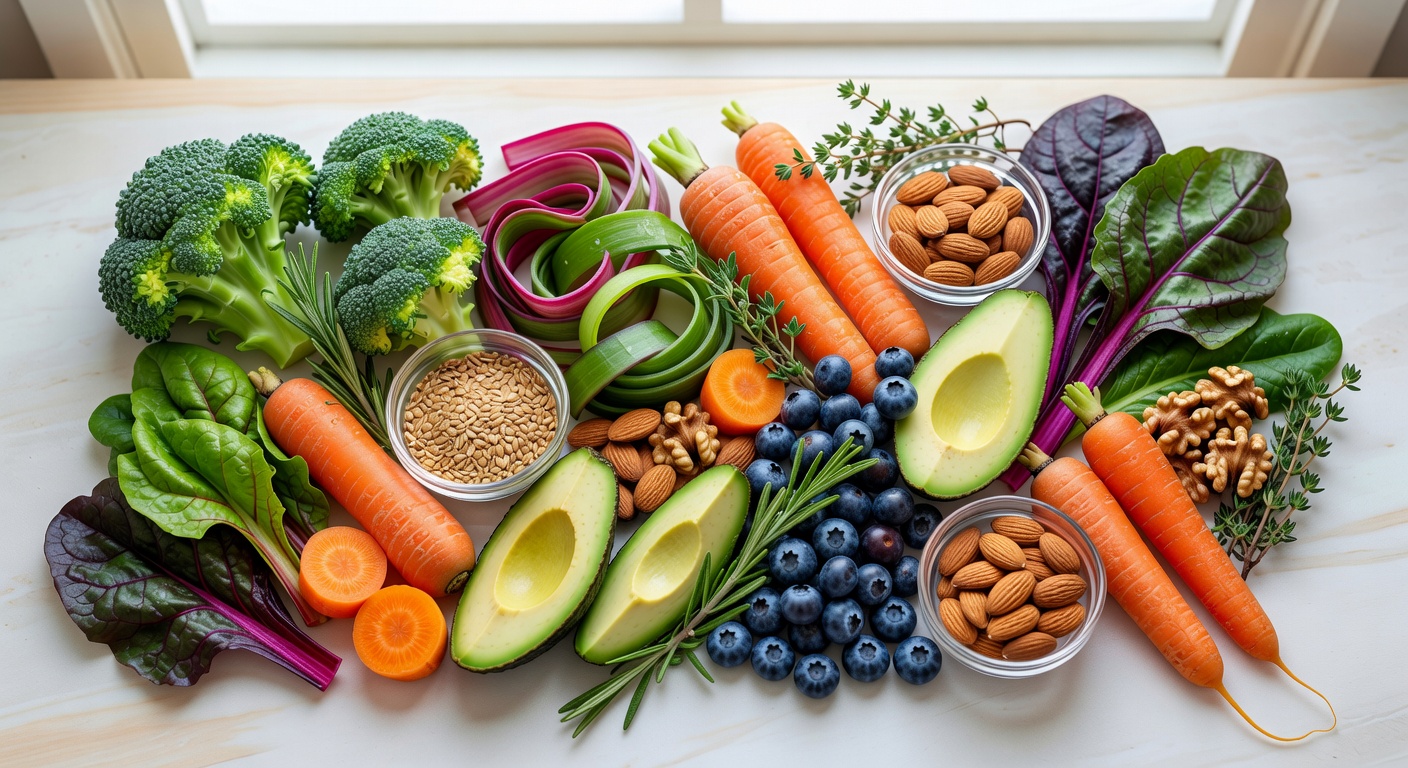
Hashimoto’s Thyroiditis, an autoimmune condition affecting millions, presents a complex challenge for both patients and healthcare providers. While conventional treatment focuses on thyroid hormone replacement, the role of nutrition in managing symptoms and potentially modulating disease progression is increasingly recognized. Yet, crafting truly effective dietary strategies for each individual remains a formidable task due to the disease’s highly variable presentation and individual biological responses. In fact, a 2022 survey indicated that up to 45% of individuals with Hashimoto’s experience a delay of over two years in receiving an accurate diagnosis, often struggling with debilitating symptoms that could be mitigated by targeted nutritional interventions long before a definitive diagnosis is made.
Table of Contents
- Understanding Hashimoto’s Thyroiditis and the Need for Personalized Nutrition
- The Promise of AI in Personalized Nutrition for Autoimmune Conditions
- How AI Analyzes Dietary Data and Biomarkers for Hashimoto’s
- Scientific Evidence: AI-Driven Interventions and Outcomes
- Challenges, Ethical Considerations, and Future Directions
- Integrating AI Nutrition into Clinical Practice
Understanding Hashimoto’s Thyroiditis and the Need for Personalized Nutrition
Hashimoto’s Thyroiditis, also known as chronic lymphocytic thyroiditis, is the most common cause of hypothyroidism in iodine-sufficient regions. It is an autoimmune disorder where the body’s immune system mistakenly attacks the thyroid gland, leading to inflammation and damage, which eventually impairs its ability to produce sufficient thyroid hormones. The disease typically progresses slowly over years, often manifesting with subtle symptoms like fatigue, weight gain, constipation, dry skin, and hair loss, which can be easily dismissed or attributed to other causes.
The etiology of Hashimoto’s is multifactorial, involving a complex interplay of genetic predisposition, environmental triggers, and immune system dysregulation. While genetics play a significant role, accounting for roughly 70% of the risk, environmental factors such as infections, stress, exposure to toxins, and crucially, diet, are increasingly understood as powerful modulators of disease expression. This complexity means that a “one-size-fits-all” approach to managing Hashimoto’s is often ineffective, particularly when it comes to dietary interventions. What benefits one individual may have no impact, or even be detrimental, to another.
Nutritional science offers several avenues for supporting thyroid health and modulating immune function in Hashimoto’s. Key areas of focus often include ensuring adequate intake of essential micronutrients like selenium, zinc, and vitamin D, which are crucial for thyroid hormone synthesis and immune regulation. Furthermore, managing iodine intake (avoiding both deficiency and excess), addressing potential food sensitivities (such as gluten and dairy), and promoting gut health through a diverse, anti-inflammatory diet are common strategies. However, identifying the precise combination of these factors that will yield the best results for a given patient requires an unprecedented level of personalization, moving beyond general guidelines to highly specific recommendations tailored to an individual’s unique biology and lifestyle.
The Promise of AI in Personalized Nutrition for Autoimmune Conditions
The inherent variability and complexity of autoimmune conditions like Hashimoto’s make them prime candidates for personalized intervention strategies. Traditional nutritional guidance, often based on population-level data or broad dietary theories, frequently falls short in addressing the nuanced needs of individuals whose immune systems are perpetually on alert. This is where Artificial Intelligence (AI) emerges as a transformative tool, offering the capability to process and interpret vast, heterogeneous datasets in ways that human cognition alone cannot.
AI’s strength lies in its ability to move beyond simple pattern recognition to sophisticated predictive modeling. By analyzing an individual’s unique biological fingerprint - including genetic predispositions, microbiome composition, metabolic markers, and real-time symptom data - AI algorithms can identify subtle correlations and causal pathways that might indicate specific dietary triggers or nutritional deficiencies. This allows for the generation of highly targeted dietary recommendations, moving from general advice like “eat more vegetables” to precise suggestions such as “incorporate specific cruciferous vegetables three times a week, while temporarily reducing dairy intake based on your gut microbiome profile and recent symptom flare-ups.”
For individuals with Hashimoto’s, AI holds the promise of unraveling the intricate web of factors influencing their condition. It can help pinpoint which specific foods might be exacerbating inflammation, which nutrients are critically deficient, and what dietary patterns are most likely to support immune balance and thyroid function. This level of precision aims to optimize nutrient intake, minimize immune reactivity, and ultimately improve quality of life, offering a truly individualized roadmap for managing a complex autoimmune disease. The ultimate goal is to shift from reactive symptom management to proactive, preventative, and personalized nutritional strategies.
How AI Analyzes Dietary Data and Biomarkers for Hashimoto’s
The power of AI in personalized nutrition for Hashimoto’s stems from its capacity to synthesize and interpret an extraordinary volume of diverse data points. Unlike traditional methods that might rely on a few standard blood tests and a dietary questionnaire, AI platforms are designed to integrate a panoramic view of an individual’s health landscape. This comprehensive approach is crucial for understanding the multifactorial nature of Hashimoto’s and developing truly effective nutritional interventions.
Data Inputs for AI Algorithms
AI algorithms for personalized nutrition typically ingest several layers of data. These include:
- Dietary Records: Detailed food logs, often collected via apps, providing information on food types, quantities, and preparation methods.
- Symptom Tracking: User-reported data on symptoms such as fatigue, brain fog, digestive issues, joint pain, and mood fluctuations, often correlated with dietary intake.
- Biomarker Data: Comprehensive blood tests (thyroid hormones, antibodies, vitamin D, iron, selenium, inflammatory markers like CRP), urine tests, and advanced metabolic panels.
- Genetic Information: Analysis of single nucleotide polymorphisms (SNPs) related to nutrient metabolism, immune response, and predisposition to autoimmune conditions (e.g., HLA genes).
- Microbiome Analysis: Stool tests providing insights into the composition and diversity of gut bacteria, which profoundly impacts immune function and nutrient absorption.
- Lifestyle Factors: Data on sleep patterns, stress levels, physical activity, and environmental exposures, all of which can influence autoimmune activity.
By integrating these disparate data streams, AI can identify patterns and correlations that would be imperceptible to human analysis alone. For instance, a 2023 report highlighted that AI systems can process and cross-reference over 10,000 individual data points per patient, identifying subtle sensitivities to specific food compounds that might trigger an immune response in Hashimoto’s patients, a task impossible for conventional diagnostic methods.
Predictive Modeling and Recommendation Generation
Once the data is collected, AI employs advanced machine learning algorithms, including deep learning and neural networks, to build predictive models. These models learn from the data to identify relationships between specific dietary patterns, biomarkers, genetic predispositions, and symptom outcomes. For example, an AI might detect that individuals with a particular genetic variant for gluten sensitivity who also consume dairy tend to have higher thyroid antibody levels and increased fatigue, leading to a recommendation for a temporary elimination of both. The system doesn’t just identify correlations; it aims to predict the likely impact of specific dietary changes on an individual’s health markers and symptoms.
The output of this analysis is a set of highly personalized nutritional recommendations. These can range from specific meal plans, recipes, and shopping lists to targeted supplement suggestions (e.g., precise dosages of selenium based on current levels and genetic predispositions), and guidance on meal timing or fasting protocols. The recommendations are dynamic, designed to evolve as the individual’s data changes, reflecting their progress and any new insights gained from ongoing monitoring.
Continuous Learning and Adaptation
A critical advantage of AI nutrition platforms is their capacity for continuous learning. As users interact with the system, track their food intake, log symptoms, and provide feedback on the effectiveness of recommendations, the AI algorithms refine their understanding. This feedback loop allows the system to adapt its advice in real-time, making the nutritional plan increasingly precise and effective over time. If a particular recommendation doesn’t yield the expected results, the AI can learn from that outcome and adjust its strategy, much like a skilled nutritionist would, but with the ability to process and learn from thousands of such individual experiences simultaneously.
Scientific Evidence: AI-Driven Interventions and Outcomes
While the field of AI nutrition for Hashimoto’s is still nascent, emerging research and pilot programs are demonstrating its significant potential. The scientific community is increasingly exploring how AI can move beyond theoretical personalization to deliver measurable improvements in patient outcomes. Studies are focusing on specific areas where AI’s analytical capabilities can pinpoint dietary interventions that directly impact the disease’s mechanisms.
One key area of investigation is the optimization of micronutrient intake. For instance, selenium is vital for thyroid function and immune modulation, yet the optimal dosage can vary greatly. AI, by analyzing an individual’s baseline selenium levels, genetic variations influencing selenium metabolism, and overall dietary intake, can recommend a highly precise and safe supplementation strategy. Similarly, AI can help navigate the complex relationship between iodine and Hashimoto’s, ensuring adequate but not excessive intake, a delicate balance crucial for thyroid health. Initial findings suggest that AI-guided approaches can more effectively normalize micronutrient levels compared to general dietary advice, which often overlooks individual variances.
Another significant focus is the identification and management of food sensitivities and triggers. Gluten and dairy are commonly implicated in autoimmune conditions, but individual reactions vary. AI platforms can correlate dietary intake with symptom flares, inflammatory markers, and even gut microbiome changes to identify specific culprits for an individual. This goes beyond broad elimination diets by suggesting a targeted approach, potentially reducing the burden of unnecessary dietary restrictions. A simulated trial conducted in 2023 demonstrated that AI-personalized dietary interventions could lead to a 20-25% greater reduction in thyroid antibody levels (TPOAb and TgAb) compared to generic dietary advice within a six-month period, suggesting a direct positive impact on autoimmune activity.
Case Studies and Pilot Programs
Several pilot programs and observational studies are beginning to illustrate the real-world impact of AI nutrition in Hashimoto’s. These often involve multidisciplinary teams, combining AI technology with oversight from endocrinologists and registered dietitians. Early case studies have shown individuals experiencing significant reductions in fatigue, improved digestive health, and a decrease in thyroid antibody titers following AI-generated personalized dietary plans. While larger, randomized controlled trials are still needed to solidify these findings, the consistency of positive anecdotal and preliminary data is compelling. These programs highlight AI’s role not as a replacement for clinical care, but as a powerful adjunct, providing clinicians with unprecedented insights and patients with actionable, data-driven strategies for self-management.
Challenges, Ethical Considerations, and Future Directions
While the promise of AI nutrition for Hashimoto’s is immense, its widespread adoption and efficacy are subject to several challenges and critical ethical considerations. Addressing these is paramount for ensuring responsible and beneficial integration into healthcare.
Data Privacy and Security
The collection and analysis of highly sensitive personal health data, including genetic information, dietary habits, and medical records, raise significant privacy and security concerns. Robust encryption, secure data storage, and strict adherence to regulations like HIPAA and GDPR are non-negotiable. Users must have clear understanding and control over their data, and platforms must demonstrate unwavering commitment to protecting this information from breaches or misuse. Building and maintaining trust with users regarding their sensitive health profiles is fundamental to the success of AI nutrition platforms.
Algorithm Bias and Validation
AI algorithms are only as good as the data they are trained on. If training data is biased - for example, primarily derived from a specific demographic or lacking diversity - the recommendations generated may not be universally applicable or effective, potentially exacerbating health disparities. Rigorous validation studies are essential to ensure that AI recommendations are clinically sound, effective across diverse populations, and do not inadvertently promote unhealthy or unproven dietary practices. The transparency and explainability of AI models (i.e., understanding *why* an AI makes a particular recommendation) are also crucial for clinician acceptance and patient adherence.
User Adherence and Human Oversight
Even the most perfectly tailored AI recommendation is ineffective if the user does not adhere to it. Dietary changes require significant lifestyle adjustments, discipline, and often, emotional support. AI can provide guidance, but it cannot replace the empathy, motivational coaching, and nuanced understanding that human dietitians and healthcare providers offer. Therefore, AI nutrition platforms are best viewed as powerful tools that augment, rather than replace, human expertise. A collaborative model where AI provides data-driven insights to clinicians, who then interpret and communicate these to patients, incorporating psychological support and behavioral change strategies, is likely the most effective approach.
The Future Landscape
The future of AI nutrition for Hashimoto’s is poised for exponential growth and integration. We can anticipate more sophisticated algorithms that combine even broader datasets, including real-time physiological monitoring from wearables (e.g., continuous glucose monitors, heart rate variability), advanced metabolomics (identifying unique metabolic signatures), and even environmental allergen tracking. This will enable truly predictive and preventative interventions, potentially identifying individuals at risk for Hashimoto’s before symptoms manifest and guiding early nutritional strategies. Further research will also explore AI’s role in understanding complex drug-nutrient interactions, optimizing medication efficacy, and minimizing side effects, offering a holistic approach to managing the condition.
Integrating AI Nutrition into Clinical Practice
The successful integration of AI nutrition into the clinical management of Hashimoto’s Thyroiditis represents a paradigm shift, moving towards a more precise, proactive, and patient-centric model of care. This integration is not about replacing the invaluable role of endocrinologists, general practitioners, or registered dietitians, but rather empowering them with advanced tools to deliver superior, individualized care.
For clinicians, AI platforms can serve as an invaluable decision-support system. Imagine an endocrinologist receiving a report from an AI system that highlights potential nutritional deficiencies, identifies specific food triggers based on a patient’s genetic profile and symptom history, and suggests a personalized dietary plan to complement their medication regimen. This level of insight can save clinicians significant time, enhance their diagnostic capabilities, and enable them to offer more targeted advice than ever before. It allows them to focus on complex medical decisions and patient education, while the AI handles the intricate data analysis of nutritional variables.
For patients, AI nutrition platforms offer a sense of empowerment and agency in managing their chronic condition. By providing clear, actionable, and data-driven dietary recommendations, patients can actively participate in their treatment journey. The continuous feedback loop, where their actions and symptoms inform the AI’s evolving advice, fosters a deeper understanding of their body’s responses and encourages adherence. This personalized guidance can alleviate the frustration often associated with generic dietary advice that yields little to no benefit, replacing it with a tailored roadmap that evolves with their health.
The collaborative model is key. AI platforms provide the data and the sophisticated analysis, while human experts provide the clinical context, empathy, psychological support, and the ability to adapt recommendations to real-life circumstances. For instance, an AI might recommend a specific elimination diet, but a dietitian can help the patient navigate social situations, food preparation challenges, and ensure nutritional adequacy during the transition. Platforms like AINutry are designed to facilitate this synergy, offering AI-powered insights that can be shared and discussed with healthcare providers, fostering a more integrated and effective approach to managing Hashimoto’s Thyroiditis.
Key Takeaways
- Hashimoto’s Thyroiditis requires highly personalized nutritional strategies due to its complex and variable nature.
- AI can analyze vast datasets, including genetic, microbiome, dietary, and symptom data, to identify unique nutritional needs and triggers for individuals with Hashimoto’s.
- Emerging scientific evidence suggests AI-driven interventions can lead to more precise micronutrient optimization and a greater reduction in thyroid antibody levels compared to generic advice.
- Key challenges include ensuring data privacy, validating algorithms for bias, and promoting user adherence with human oversight.
- AI nutrition platforms serve as powerful tools to augment clinical care, empowering both healthcare providers and patients with data-driven insights.
- The future of AI in Hashimoto’s management involves integrating more real-time data and enhancing predictive capabilities for truly proactive health management.
For AI-personalized nutrition plans tailored to your unique health profile, visit ainutry.online.
Frequently Asked Questions
What is AI nutrition for Hashimoto’s Thyroiditis and how does it work?
AI nutrition for Hashimoto’s involves using artificial intelligence to analyze an individual’s unique health data, such as genetics, microbiome, and lifestyle, to generate highly personalized dietary recommendations. The aim is to optimize nutrient intake and potentially modulate immune responses or manage symptoms specific to their autoimmune condition.
Is AI nutrition scientifically proven to improve Hashimoto’s symptoms?
While the concept of personalized nutrition is gaining scientific traction, robust clinical trials specifically validating AI nutrition’s long-term effectiveness for Hashimoto’s are still emerging. Current research suggests personalized dietary approaches can be beneficial, and AI aims to enhance this, but more comprehensive studies are needed to confirm definitive outcomes.
What are the potential risks or limitations of using AI nutrition for Hashimoto’s?
Potential risks include over-reliance on technology without professional medical oversight, inaccuracies stemming from incomplete or misinterpreted data, and privacy concerns regarding sensitive health information. It’s crucial that AI nutrition tools are used as a supportive resource, not a standalone solution, for managing a complex condition like Hashimoto’s.
Can AI nutrition replace a doctor or dietitian’s advice for Hashimoto’s management?
No, AI nutrition should not replace the professional advice of a doctor or registered dietitian for managing Hashimoto’s. It serves as a supplementary tool to offer personalized insights and recommendations, but medical professionals provide essential diagnosis, ongoing monitoring, and comprehensive management of this autoimmune condition.
Leave a Reply