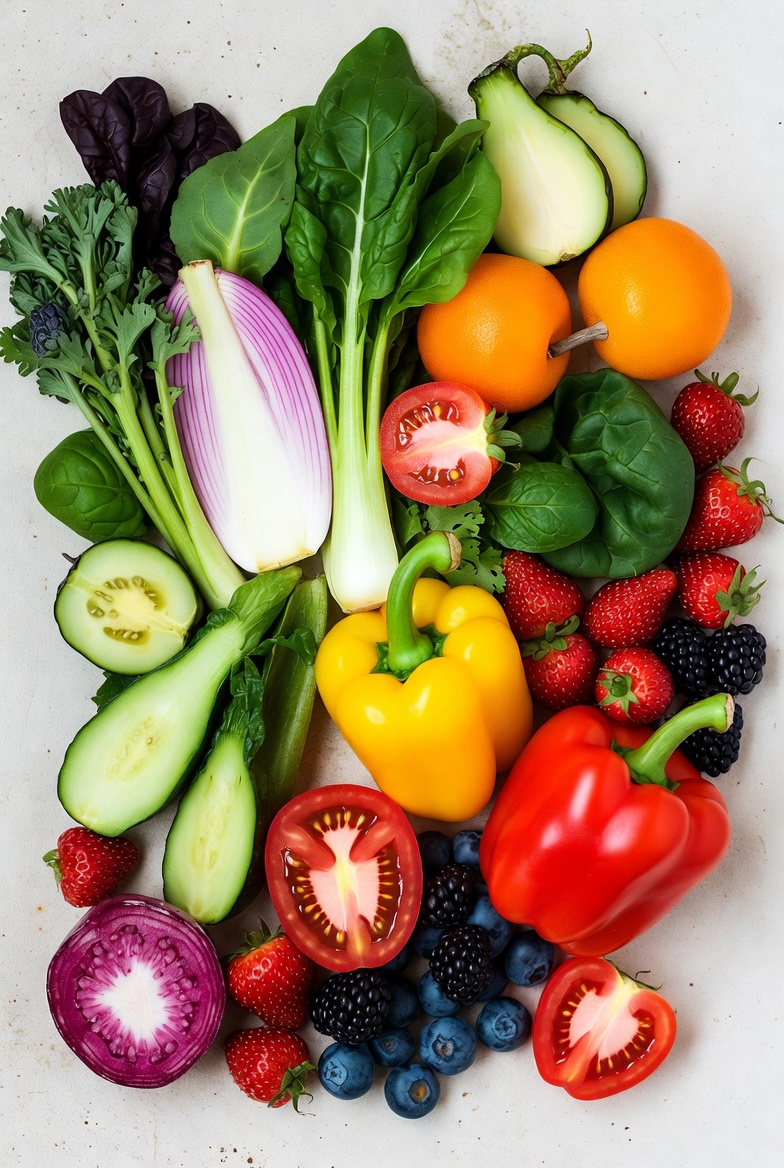
<figure class="ainutry-hero-figure"><img class="ainutry-hero-img" src="https://ainutry.online/wp-content/uploads/2026/04/ainutry-ai-nutrition-for-people-on-a-budget-personalized-guide-hero.jpg" alt="AI Nutrition for people on a budget: Personalized Guide - AINutry" /><figcaption class="ainutry-hero-caption">AI Nutrition for people on a budget: Personalized Guide - AINutry</figcaption></figure>
<script type="application/ld+json">
{
"@context": "https://schema.org",
"@type": "NewsArticle",
"headline": "AI Nutrition for People on a Budget: Personalized Guide",
"description": "Learn about AI Nutrition for people on a budget: Personalized Guide. AI-powered nutrition insights, evidence-based information, and practical tips for your",
"image": [
{
"@type": "ImageObject",
"url": "https://ainutry.online/wp-content/uploads/2025/06/ainutry-avatar.webp",
"width": 1200,
"height": 675
}
],
"datePublished": "2026-04-18T14:54:59+00:00",
"dateModified": "2026-04-18T14:54:59+00:00",
"author": {
"@type": "Organization",
"name": "AINutry Editorial Team",
"url": "https://ainutry.online",
"logo": {
"@type": "ImageObject",
"url": "https://ainutry.online/wp-content/uploads/2025/06/ainutry-avatar.webp"
}
},
"publisher": {
"@type": "Organization",
"name": "AINutry",
"url": "https://ainutry.online",
"logo": {
"@type": "ImageObject",
"url": "https://ainutry.online/wp-content/uploads/2025/06/ainutry-avatar.webp",
"width": 512,
"height": 512
}
},
"mainEntityOfPage": {
"@type": "WebPage",
"@id": "https://ainutry.online/ai-nutrition-for-people-on-a-budget-personalized-guide/"
},
"isAccessibleForFree": true,
"inLanguage": "en-US"
}
</script>
<script type="application/ld+json">
{
"@context": "https://schema.org",
"@type": "BreadcrumbList",
"itemListElement": [
{
"@type": "ListItem",
"position": 1,
"name": "Home",
"item": "https://ainutry.online"
},
{
"@type": "ListItem",
"position": 2,
"name": "Demographics",
"item": "https://ainutry.online/category/demographics/"
},
{
"@type": "ListItem",
"position": 3,
"name": "AI Nutrition for people on a budget: Personalized Guide",
"item": "https://ainutry.online/ai-nutrition-for-people-on-a-budget-personalized-guide/"
}
]
}
</script>
<!-- NEWSLETTER_PLACEHOLDER -->
<h2>Why Budget-Friendly AI Nutrition Matters More Than Ever</h2>
<p>According to the USDA's 2024 Household Food Security report, 13.7% of U.S. households - equating to 18.3 million households and nearly 48 million people - experienced food insecurity at some point during the year, struggling to afford enough nutritious food for an active, healthy life. Globally, the FAO's State of Food Security and Nutrition in the World 2025 estimates that 2.6 billion people could not afford a healthy diet in 2024, highlighting a widespread challenge where rising food costs clash with the need for balanced nutrition.</p>
<p>AI nutrition tools are transforming this landscape by delivering personalized meal plans, nutrient tracking, and smart shopping strategies tailored to tight budgets. Instead of generic advice, these systems analyze your age, activity level, health goals, and local food prices to recommend affordable, nutrient-dense options that maximize every dollar spent. For people living paycheck to paycheck, this means turning limited resources into sustainable eating habits without sacrificing health.</p>
<p>This personalized guide explores how AI-powered nutrition platforms make healthy eating accessible, even when grocery bills feel overwhelming. You'll discover practical ways to leverage technology for cost-effective meal planning, evidence-backed insights on budget nutrition, and real-world strategies that combine data-driven recommendations with everyday frugality.</p>
<h2>How AI Delivers Personalized Nutrition on a Tight Budget</h2>
<p>AI nutrition platforms go beyond basic calorie counters by integrating multiple data points - including your dietary preferences, medical history, lifestyle, and even current grocery prices in your area. Advanced algorithms process this information to generate customized weekly meal plans that prioritize inexpensive staples like beans, rice, seasonal produce, and bulk grains while meeting your micronutrient needs.</p>
<p>Many tools use machine learning to predict how your body responds to different foods, helping you avoid expensive trial-and-error. For example, if you're managing blood sugar on a budget, the AI might suggest swapping pricier proteins for lentils or eggs, which provide similar satiety and nutrition at a fraction of the cost. This level of personalization helps prevent wasteful spending on foods that don't align with your goals.</p>
<p>Integration with local market data is a game-changer. Some AI systems pull real-time pricing from nearby stores or apps, flagging the cheapest sources of key nutrients like protein, fiber, and vitamins. This dynamic approach ensures your plan adapts to sales, seasonal availability, and regional price fluctuations, keeping your grocery budget under control while optimizing health outcomes.</p>
<h2>Understanding the True Cost of Healthy Eating vs. Processed Alternatives</h2>
<p>A 2013 systematic review and meta-analysis published in BMJ Open found that healthier foods and diet patterns cost, on average, about $1.48 more per day than less healthy options when compared across extremes of food-based patterns. However, when focusing on nutrient-based patterns or adjusting for energy density, the price difference narrows significantly, showing that smart choices in staple foods can close the gap.</p>
<p>Despite these findings, perception often drives behavior - many assume nutritious eating requires premium ingredients. In reality, budget AI nutrition counters this by emphasizing whole foods that deliver high nutritional value per dollar. Items like oats, cabbage, carrots, potatoes, and canned beans frequently rank high in cost-effectiveness analyses, providing essential fiber, vitamins, and minerals without breaking the bank.</p>
<p>AI tools help reframe spending by calculating "nutrient density per dollar," guiding users toward options that offer the most bang for their buck. This data-driven perspective empowers budget-conscious individuals to build balanced plates using affordable ingredients, reducing reliance on cheap but nutrient-poor ultra-processed foods that contribute to long-term health costs.</p>
<h2>What the Research Says About AI-Powered Personalized Nutrition</h2>
<p>Emerging studies highlight the potential of AI in nutrition. A 2025 scoping review of AI applications in precision nutrition noted a surge in research, with approximately 75% of relevant articles published since 2020, covering applications from health optimization to disease management. These tools show promise in improving adherence and outcomes through tailored recommendations.</p>
<p>In clinical settings, AI-assisted dietary interventions have demonstrated measurable benefits. One analysis of studies from 2023 - 2024 reported improvements in glycemic control, metabolic health, and even a 39% reduction in IBS symptom severity in some participants using personalized AI plans. Another trial highlighted a 72.7% diabetes remission rate linked to AI-generated dietary guidance.</p>
<p>While more long-term data is needed, current evidence suggests AI can enhance traditional counseling. For budget users, this translates to efficient, scalable advice that minimizes food waste and maximizes nutritional impact - critical when every cent counts toward groceries rather than supplements or convenience items.</p>
<h2>Building a Budget AI Nutrition Plan: Step-by-Step Guide</h2>
<p>Start by inputting accurate personal data into a reputable AI nutrition platform: age, weight, height, activity level, any health conditions, and your weekly food budget. The system will generate a baseline plan focused on calorie-appropriate, nutrient-balanced meals using cost-optimized ingredients.</p>
<p>Next, review the shopping list for opportunities to substitute. AI suggestions often include bulk buys, frozen produce (which retains nutrients and costs less), and protein alternatives like legumes or eggs. Prioritize items with overlapping benefits - such as spinach, which provides iron, vitamins, and fiber at low cost.</p>
<p>Track your intake and feedback weekly. Most AI tools learn from your ratings and adjustments, refining future plans to better suit your taste and schedule. Combine this with simple meal prep techniques to reduce daily decision fatigue and prevent impulse buys that derail budgets.</p>
<p>Finally, integrate free or low-cost resources like community-supported agriculture shares, food bank partnerships, or government assistance programs (SNAP, WIC) into your AI plan for even greater savings without compromising quality.</p>
<h2>Practical Tips for Maximizing Savings with AI Nutrition Tools</h2>
<p>Leverage seasonal and sale alerts built into many AI apps. By syncing with your location, these features highlight when affordable produce like apples, broccoli, or squash is at its cheapest and most nutritious peak.</p>
<p>Focus on "one-pot" or batch recipes recommended by the AI - these minimize cooking time, energy costs, and cleanup while stretching ingredients across multiple meals. Examples include lentil stews, vegetable stir-fries with rice, or overnight oats variations that use pantry staples.</p>
<p>Use the AI's waste-reduction features. Many platforms analyze your past consumption to suggest portion sizes and repurposing ideas, such as turning leftover roasted vegetables into soups or salads, ensuring nothing goes to waste.</p>
<p>Compare unit prices manually or via app integrations when shopping. Even the best AI plan benefits from your on-the-ground verification - buying store brands, generic items, or in bulk can amplify savings while maintaining the nutritional profile suggested by the algorithm.</p>
<p>Pair AI insights with mindful eating habits. Tracking hunger cues alongside the app helps avoid overeating, further stretching your food budget and supporting sustainable weight or health management.</p>
<h2>Affordable Nutrient-Dense Foods Recommended by AI Systems</h2>
<p>AI nutrition platforms consistently rank certain budget heroes highly for their value: dried beans and lentils (excellent plant-based protein and fiber), eggs (complete protein with choline and vitamins), oats (sustained energy and beta-glucan for heart health), and root vegetables like carrots and potatoes (vitamin A, potassium, and versatile cooking options).</p>
<p>Leafy greens such as cabbage or frozen spinach offer volume and micronutrients at minimal cost. Canned fish like sardines or tuna provides omega-3s and calcium when fresh seafood is out of reach. Whole grains like brown rice or barley deliver complex carbs and minerals more affordably than refined alternatives when bought in bulk.</p>
<p>Don't overlook herbs, spices, and citrus for flavor without calories or expense - these elevate simple meals, improving adherence to your personalized plan. AI tools often suggest creative combinations to prevent boredom while keeping costs low.</p>
<h2>Overcoming Common Challenges in Budget AI Nutrition</h2>
<p>Time constraints are a frequent barrier. Choose AI platforms with quick-prep or no-cook options, and dedicate one day weekly to batch cooking based on the generated plan. This front-loading reduces daily stress and impulse spending.</p>
<p>Taste preferences can conflict with cost-saving suggestions. Provide detailed feedback in the app - most AI systems adapt quickly, swapping disliked items for nutritionally similar, budget-friendly alternatives you actually enjoy.</p>
<p>Family or household differences add complexity. Look for tools that support multiple profiles or shared meal bases with customizable add-ons, ensuring one plan serves everyone without inflating the grocery bill.</p>
<p>Access to technology isn't universal, but many free or freemium AI nutrition apps work on basic smartphones. Community libraries or shared devices can bridge gaps for those without personal access.</p>
<h2>Long-Term Benefits of Consistent AI-Guided Budget Nutrition</h2>
<p>Sticking with personalized AI plans can lead to better metabolic health, improved energy levels, and reduced risk of diet-related chronic conditions - all while controlling expenses. Over time, users often report lower overall food spending due to decreased waste and more intentional purchasing.</p>
<p>By addressing both immediate budget needs and long-term wellness, AI nutrition empowers sustainable habits. This holistic approach helps break cycles of yo-yo dieting or reliance on expensive convenience foods, fostering financial and physical resilience.</p>
<p>Regular use also builds nutritional literacy. As the AI explains why certain foods fit your profile, you gain confidence to make independent decisions that align with both your wallet and your health goals.</p>
<p>Ready to take control of your nutrition without overspending? Subscribe to our newsletter for weekly AI-powered budget meal ideas, seasonal shopping guides, and exclusive tips delivered straight to your inbox.</p>
<div class="ainutry-newsletter">
<!-- Insert newsletter form shortcode here, e.g.
or similar -->
</div>
<div class="ainutry-disclaimer"><strong>Disclaimer:</strong> This content is for informational purposes only and does not constitute medical advice. Always consult a qualified healthcare professional before making changes to your diet, supplement routine, or health regimen. Individual results may vary.</div>
<p><strong>Affiliate Note:</strong> Some links in this article may be affiliate links. If you purchase through them using code <strong>ainutry20-20</strong>, we may earn a small commission at no extra cost to you. This helps support AINutry's mission to provide accessible nutrition information.</p>

Leave a Reply