
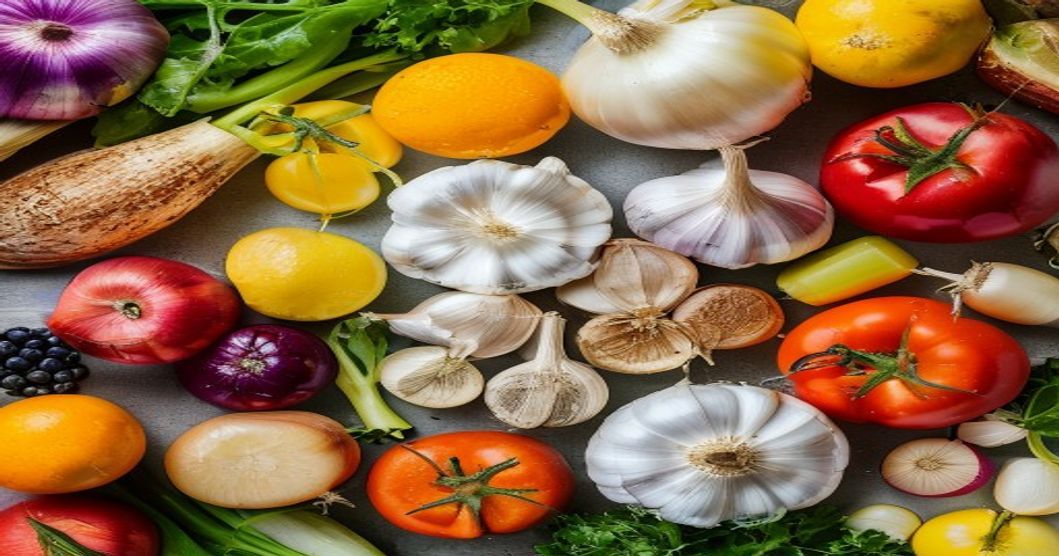
Cardiovascular diseases (CVDs) remain the leading cause of death globally, claiming an estimated 17.9 million lives each year, according to the World Health Organization (WHO) in 2019. While modern medicine offers numerous interventions, a growing body of research highlights the profound impact of natural compounds on heart health. Among these, garlic stands out as a time-honored remedy, now backed by robust scientific inquiry. If you’re looking to proactively support your heart, manage blood pressure, or maintain healthy cholesterol levels, incorporating a high-quality garlic supplement could be a game-changer. But with countless options on the market, how do you discern the truly effective from the merely hyped? AINutry cuts through the noise to bring you the best science-backed garlic supplements for cardiovascular health in 2026, ensuring your choices are informed and impactful.
What Is Garlic? A Scientific Overview
Garlic (Allium sativum) is far more than just a pungent culinary ingredient; it’s a botanical powerhouse brimming with bioactive compounds. Its distinctive flavor and potent medicinal properties stem from a complex array of sulfur-containing constituents. The most famous of these is allicin, an unstable compound formed when raw garlic is crushed or chopped, allowing the enzyme alliinase to convert alliin into allicin. Allicin is responsible for garlic’s characteristic odor and many of its acute biological effects.
However, allicin is quickly metabolized into other organosulfur compounds, including diallyl disulfide (DADS), diallyl trisulfide (DATS), ajoene, and vinyldithiins. The specific profile and concentration of these compounds vary significantly depending on how garlic is prepared, processed, and consumed. For instance, cooking garlic can degrade alliinase, reducing allicin formation, while aging or fermenting garlic transforms allicin into more stable, water-soluble compounds like S-allyl-cysteine (SAC) and S-allyl-mercaptocysteine (SAMC). These compounds are particularly abundant in Aged Garlic Extract (AGE), a highly researched form known for its superior stability, bioavailability, and lack of strong odor.
Each of these organosulfur compounds contributes to garlic’s diverse health benefits. SAC, for example, is a potent antioxidant and plays a crucial role in AGE’s cardioprotective effects. Ajoene is known for its anti-platelet activity, while allicin and its derivatives exhibit antimicrobial and anti-inflammatory properties. Understanding these chemical transformations is key to appreciating why certain garlic preparations, particularly standardized extracts, are more effective for specific health outcomes like cardiovascular support.
Evidence-Based Benefits
Decades of research have illuminated garlic’s multifaceted contributions to cardiovascular wellness. Its actions are complex, involving multiple pathways that collectively safeguard the heart and circulatory system.
Blood Pressure Regulation
One of garlic’s most well-established benefits is its ability to help manage blood pressure. High blood pressure, or hypertension, affects a significant portion of the adult population globally, with approximately 47% of American adults having hypertension as of 2021, according to the CDC. Uncontrolled hypertension is a major risk factor for heart attack, stroke, and kidney disease. Garlic, particularly in the form of Aged Garlic Extract (AGE), has been shown in numerous clinical trials to exert a modest but significant hypotensive effect.
The mechanisms behind this include garlic’s ability to increase the production of nitric oxide (NO), a crucial signaling molecule that promotes vasodilation (the widening of blood vessels), thereby reducing peripheral resistance and blood pressure. Garlic compounds also appear to inhibit angiotensin-converting enzyme (ACE), similar to prescription ACE inhibitor drugs, which further contributes to blood vessel relaxation. Furthermore, garlic’s antioxidant and anti-inflammatory properties protect the endothelial lining of blood vessels, improving their elasticity and function, which is vital for healthy blood pressure regulation.
Cholesterol Management
Dyslipidemia, characterized by unhealthy levels of cholesterol and triglycerides, is another critical risk factor for atherosclerosis and heart disease. Garlic supplements have demonstrated the capacity to positively influence lipid profiles. Studies have consistently shown that regular consumption of garlic or garlic extracts can lead to reductions in total cholesterol and low-density lipoprotein (LDL) cholesterol, often referred to as “bad” cholesterol. While the effects are generally modest, they are clinically significant, especially when integrated into a broader heart-healthy lifestyle.
The exact mechanisms are still being fully elucidated, but research suggests that garlic compounds may inhibit key enzymes involved in cholesterol synthesis in the liver, such as HMG-CoA reductase (the same enzyme targeted by statin drugs). Additionally, garlic may enhance the excretion of cholesterol and bile acids, further contributing to lower circulating lipid levels. Its antioxidant properties also play a role by preventing the oxidation of LDL cholesterol, a critical step in the formation of arterial plaque. By improving lipid profiles, garlic helps to reduce the burden on the cardiovascular system and mitigate the progression of atherosclerosis.
Anti-platelet & Antioxidant Effects
Beyond blood pressure and cholesterol, garlic offers crucial protection through its anti-platelet and antioxidant capabilities. Platelets are blood cells that, while essential for clotting wounds, can become overactive and form dangerous clots within blood vessels, leading to heart attacks and strokes. Garlic compounds, particularly ajoene and other thiosulfinates, have been shown to inhibit platelet aggregation, making the blood less “sticky” and reducing the risk of clot formation. This natural anti-coagulant effect is a significant benefit for cardiovascular health, acting as a gentle blood thinner without the severe side effects often associated with pharmaceutical anti-platelet drugs.
Furthermore, garlic is a powerful antioxidant. Oxidative stress, caused by an imbalance between free radicals and the body’s antioxidant defenses, damages cells and tissues, including those in the cardiovascular system. This damage contributes to inflammation, endothelial dysfunction, and the progression of atherosclerosis. The organosulfur compounds in garlic, especially S-allyl-cysteine (SAC) from AGE, are potent free radical scavengers. They neutralize harmful free radicals, reduce oxidative damage, and enhance the body’s endogenous antioxidant enzymes. This protective action helps preserve the integrity and function of blood vessels and the heart muscle, contributing to long-term cardiovascular resilience.
How to Choose the Best Product in 2026
Navigating the vast market of garlic supplements can be daunting. In 2026, with advancements in extraction and standardization, choosing the right product is crucial for maximizing its cardiovascular benefits. Here’s what to look for and what to avoid.
Ingredients to Look For
The most critical factor is the form of garlic extract. For cardiovascular health, Aged Garlic Extract (AGE) is overwhelmingly the most researched and recommended form. AGE is produced by soaking sliced raw garlic in an aqueous ethanol solution for up to 20 months. This process eliminates the pungent odor and converts unstable, irritating compounds like allicin into stable, water-soluble, and highly bioavailable compounds such as S-allyl-cysteine (SAC) and S-allyl-mercaptocysteine (SAMC).
- Aged Garlic Extract (AGE): Look for products explicitly stating “Aged Garlic Extract” or “Kyolic Aged Garlic Extract” (a prominent brand). Ensure the label specifies standardization for key compounds like S-allyl-cysteine (SAC), typically ranging from 0.6 mg to 1.2 mg per dose. AGE is gentle on the stomach, odorless, and has a strong safety profile.
- Standardized Allicin Yield: If you opt for a non-AGE product, ensure it specifies a guaranteed allicin yield. Raw garlic supplements often claim high allicin potential, but this is only realized if the alliinase enzyme is active and converts alliin to allicin upon ingestion. Look for “enteric-coated” tablets, which protect the alliinase from stomach acid, allowing allicin to form in the intestines. A typical effective dose might guarantee 5,000 mcg (5 mg) or more of allicin potential per serving.
- Other Organosulfur Compounds: Some advanced formulations might highlight the presence of other beneficial compounds like ajoene or vinyldithiins, but AGE’s comprehensive profile of stable compounds often covers these benefits effectively.
Beyond garlic, some supplements may include complementary ingredients like CoQ10, B vitamins (B6, B9, B12), or vitamin K2, which also support cardiovascular health. While potentially beneficial, ensure the primary garlic component is of high quality.
Red Flags to Avoid
The supplement industry is not without its pitfalls. Be vigilant for these warning signs:
- Proprietary Blends with Undisclosed Dosages: If a product lists a “proprietary blend” of garlic and other ingredients without specifying the exact amount of each component, you can’t be sure you’re getting an effective dose of garlic. This is a common tactic to hide insufficient quantities.
- “Garlic Powder” or “Garlic Oil” as Primary Ingredient: While these contain some garlic compounds, they are often less potent and less stable than standardized extracts, especially AGE. Garlic powder is essentially dried, ground garlic and may contain varying amounts of active compounds, often degraded during processing. Garlic oil typically lacks the water-soluble compounds crucial for many cardiovascular benefits.
- Lack of Standardization: If a label doesn’t specify the concentration of key active compounds (like SAC for AGE or allicin yield for raw garlic extracts), it’s difficult to assess its potency and consistency.
- Exaggerated or Unrealistic Claims: Be wary of products promising “miracle cures” or immediate, dramatic results for severe conditions. Quality garlic supplements support health; they don’t replace medical treatment.
- Artificial Fillers, Binders, and Allergens: Check the “other ingredients” list for unnecessary artificial colors, flavors, sweeteners, or common allergens if you have sensitivities.
- No Third-Party Testing or Certifications: Reputable brands often engage in third-party testing (e.g., by NSF International, USP, ConsumerLab.com) to verify purity, potency, and absence of contaminants. Look for these seals of approval.
Dosage & Form
The optimal dosage depends heavily on the form of garlic supplement chosen and the specific health goal. For cardiovascular health, consistency is key.
- Aged Garlic Extract (AGE): Clinical studies supporting cardiovascular benefits typically use doses ranging from 600 mg to 1,200 mg per day, often divided into two or three doses. For maintenance, 600 mg daily might suffice, while for more targeted support, 1,200 mg daily is common. AGE is usually available in capsule or tablet form.
- Standardized Allicin Yield Products: If using a product standardized for allicin potential, doses often range from 5,000 mcg (5 mg) to 10,000 mcg (10 mg) of allicin yield per day. These are typically enteric-coated tablets to ensure allicin formation in the intestines.
- Raw Garlic: While consuming raw garlic cloves can be beneficial, achieving therapeutic doses consistently (e.g., 1-2 cloves per day) can be challenging due to its strong taste and potential for digestive upset. Supplements offer a more convenient and standardized approach.
Consider the form that best suits your lifestyle. Capsules and tablets are convenient and often odorless. Liquid extracts are also available but may have a stronger taste. Always follow the manufacturer’s specific dosage recommendations unless otherwise advised by a healthcare professional.
Top Picks for 2026 (With Reasoning)
Based on scientific evidence, product quality, and consumer feedback, here are our top recommendations for garlic supplements targeting cardiovascular health in 2026:
1. Kyolic Aged Garlic Extract Cardiovascular Formula 100
- Brand: Kyolic (Wakunaga of America)
- Dosage: 300 mg per capsule, typically 2 capsules twice daily (1200 mg total daily)
- Pros: This is the gold standard for Aged Garlic Extract, backed by hundreds of human clinical studies specifically supporting its cardiovascular benefits, including blood pressure, cholesterol, and arterial stiffness. It’s odorless, gentle on the stomach, and standardized for S-allyl-cysteine (SAC). Kyolic is a highly reputable brand known for its rigorous quality control and extensive research.
- Cons: Can be slightly more expensive than generic garlic supplements. The daily capsule count might be high for some users.
2. NOW Foods Garlic 5000 mcg Allicin
- Brand: NOW Foods
- Dosage: 1 tablet daily, providing 5000 mcg (5 mg) of allicin potential
- Pros: A cost-effective option from a well-respected brand that focuses on allicin potential. It’s enteric-coated to ensure allicin is formed in the intestines, maximizing its bioavailability and minimizing garlic breath. NOW Foods is known for its in-house testing and quality assurance. Good for those who prefer an allicin-focused approach.
- Cons: While allicin is potent, its stability and absorption can be more variable compared to the stable compounds in AGE. May not be completely odorless for all users.
3. Life Extension Optimized Garlic
- Brand: Life Extension
- Dosage: 1 capsule daily, providing 10,000 mcg (10 mg) of allicin potential
- Pros: Life Extension is a premium brand known for its science-backed formulations and high-quality ingredients. This product offers a higher allicin potential per capsule (10 mg) compared to many competitors, making it a potent option for daily support. It’s also enteric-coated for optimal delivery and reduced odor. Often includes other beneficial compounds like gamma-glutamylcysteine.
- Cons: Higher price point. Similar to other allicin-focused products, it may not offer the same stable compound profile as AGE.
4. Pure Encapsulations - Garlic Extract (Standardized)
- Brand: Pure Encapsulations
- Dosage: 1 capsule, 2-3 times daily (approx. 600-900 mg daily)
- Pros: Pure Encapsulations is renowned for its hypoallergenic ingredients and rigorous quality standards, making it an excellent choice for individuals with sensitivities. This extract is standardized to contain 1% alliin, ensuring a consistent level of the precursor compound for allicin. It provides a balanced approach to garlic supplementation, offering the benefits of alliin without the strong odor of raw garlic.
- Cons: While standardized for alliin, it does not undergo the extensive aging process of AGE, meaning its compound profile is different. Higher cost due to premium quality and hypoallergenic formulation.
Dosage, Timing & Safety
Dosage: As detailed in the “Top Picks” section, dosages vary by product type. For Aged Garlic Extract (AGE), 600-1200 mg per day is common for cardiovascular benefits. For allicin-potential products, 5,000-10,000 mcg (5-10 mg) of allicin potential daily is often recommended. Always start with the lowest effective dose and consult product labels or a healthcare professional for personalized guidance.
Timing: Garlic supplements are generally well-tolerated and can be taken at any time of day. To minimize potential gastrointestinal discomfort, it’s often recommended to take them with food. Dividing the daily dose (e.g., morning and evening) can help maintain consistent levels of active compounds in the body.
Safety & Side Effects: Garlic supplements are considered safe for most healthy adults when taken at recommended doses. The most common side effects are mild and include:
- Garlic Breath/Body Odor: Less common with AGE or enteric-coated products, but can occur with raw garlic extracts.
- Gastrointestinal Upset: Heartburn, nausea, gas, or diarrhea can occur, especially with larger doses or non-AGE forms.
- Allergic Reactions: Rare, but skin rashes or asthma symptoms can occur in sensitive individuals.
Drug Interactions: Garlic can interact with certain medications. It has mild anti-platelet effects, so it should be used with caution, or avoided, by individuals taking blood-thinning medications (anticoagulants like warfarin, clopidogrel, aspirin) as it may increase the risk of bleeding. It may also interact with medications metabolized by the liver (CYP450 enzymes), HIV medications, and potentially blood pressure medications, though interactions are generally mild. Always consult your doctor before starting any new supplement, especially if you are on medication or have pre-existing health conditions, or if you are pregnant or breastfeeding. Discontinue use at least two weeks before any scheduled surgery due to its anti-platelet effects.
Frequently Asked Questions
Q1: Is Aged Garlic Extract (AGE) better than raw garlic for heart health?
A1: Yes, for cardiovascular health, AGE is generally considered superior. The aging process transforms unstable compounds into stable, water-soluble, and highly bioavailable compounds like S-allyl-cysteine (SAC), which are extensively studied for their heart benefits. AGE is also odorless and less likely to cause digestive upset compared to raw garlic.
Q2: How long does it take to see benefits from garlic supplements?
A2: The benefits of garlic supplements, particularly for blood pressure and cholesterol, are typically not immediate. Most clinical studies show significant effects after consistent daily use for at least 2-3 months, and sometimes longer. Consistency is key for achieving and maintaining results.
Q3: Can I take garlic supplements if I’m already on blood pressure or cholesterol medication?
A3: It is crucial to consult your doctor before combining garlic supplements with prescription medications for blood pressure or cholesterol. While garlic can complement these treatments, it may also interact with them, potentially leading to an additive effect (e.g., lower blood pressure too much) or other interactions. Your doctor can advise on safe integration and monitor your health.
Q4: Do garlic supplements cause bad breath or body odor?
A4: Most high-quality garlic supplements, especially Aged Garlic Extract (AGE) and enteric-coated allicin-potential products, are specifically processed to be odorless or minimize garlic breath and body odor. If you experience these side effects, you might be using a lower-quality product or one that isn’t properly processed.
Q5: Are there any specific groups who should avoid garlic supplements?
A5: Individuals taking blood-thinning medications, those with bleeding disorders, pregnant or breastfeeding women, and those scheduled for surgery should exercise caution or avoid garlic supplements. Always consult a healthcare professional before starting any new supplement regimen, especially if you have underlying health conditions.
Key Takeaways
- Prioritize Aged Garlic Extract (AGE): For robust, scientifically-backed cardiovascular benefits, AGE is the top choice due to its stability, bioavailability, and extensive research.
- Look for Standardization: Ensure your chosen supplement specifies guaranteed levels of active compounds like S-allyl-cysteine (SAC) for AGE or allicin potential for other extracts.
- Beware of Red Flags: Avoid proprietary blends without dosage transparency, generic garlic powder, or products lacking third-party testing.
- Consistency is Crucial: Cardiovascular benefits from garlic supplements typically emerge after consistent daily use for several months.
- Consult Your Doctor: Always discuss new supplements with your healthcare provider, especially if you have existing health conditions or are on medication.
- Integrate with Lifestyle: Garlic supplements are most effective when combined with a balanced diet, regular exercise, and other heart-healthy habits.
Empower your heart health journey with informed choices. For more cutting-edge nutrition science and personalized wellness strategies, visit AINutry.online.
Frequently Asked Questions
What is the effective daily dosage for garlic supplements to support cardiovascular health?
For cardiovascular benefits, studies often suggest dosages ranging from 300 mg of aged garlic extract taken two to three times daily, or supplements standardized to provide 2.5-5 mg of allicin daily. Always follow the specific dosage recommendations on your chosen product and consult a healthcare professional.
When is the best time of day to take garlic supplements for optimal absorption and benefits?
Garlic supplements can generally be taken at any time of day, with or without food, though taking them with a meal might help reduce potential gastrointestinal upset. Consistency is key, so choose a time that allows for regular daily intake.
Are there any significant side effects or safety precautions to consider when taking garlic supplements?
Common mild side effects include bad breath, body odor, and gastrointestinal discomfort. Garlic supplements can also interact with blood-thinning medications, increasing the risk of bleeding, and may affect blood sugar levels. Always consult your doctor before starting any new supplement, especially if you have existing health conditions or take other medications.
Who is most likely to benefit from incorporating garlic supplements into their cardiovascular health routine?
Individuals looking to support healthy blood pressure, cholesterol levels, and overall arterial health may benefit from garlic supplements, particularly those with mild to moderate cardiovascular risk factors. It’s crucial to discuss with a healthcare provider to determine if garlic supplements are appropriate for your specific health needs.
What are some natural alternatives or complementary strategies to garlic supplements for improving cardiovascular health?
Lifestyle modifications like a heart-healthy diet rich in fruits, vegetables, and whole grains, regular physical activity, and maintaining a healthy weight are foundational. Other natural supplements such as omega-3 fatty acids, coenzyme Q10, and plant sterols also show promise for cardiovascular support.
Leave a Reply