
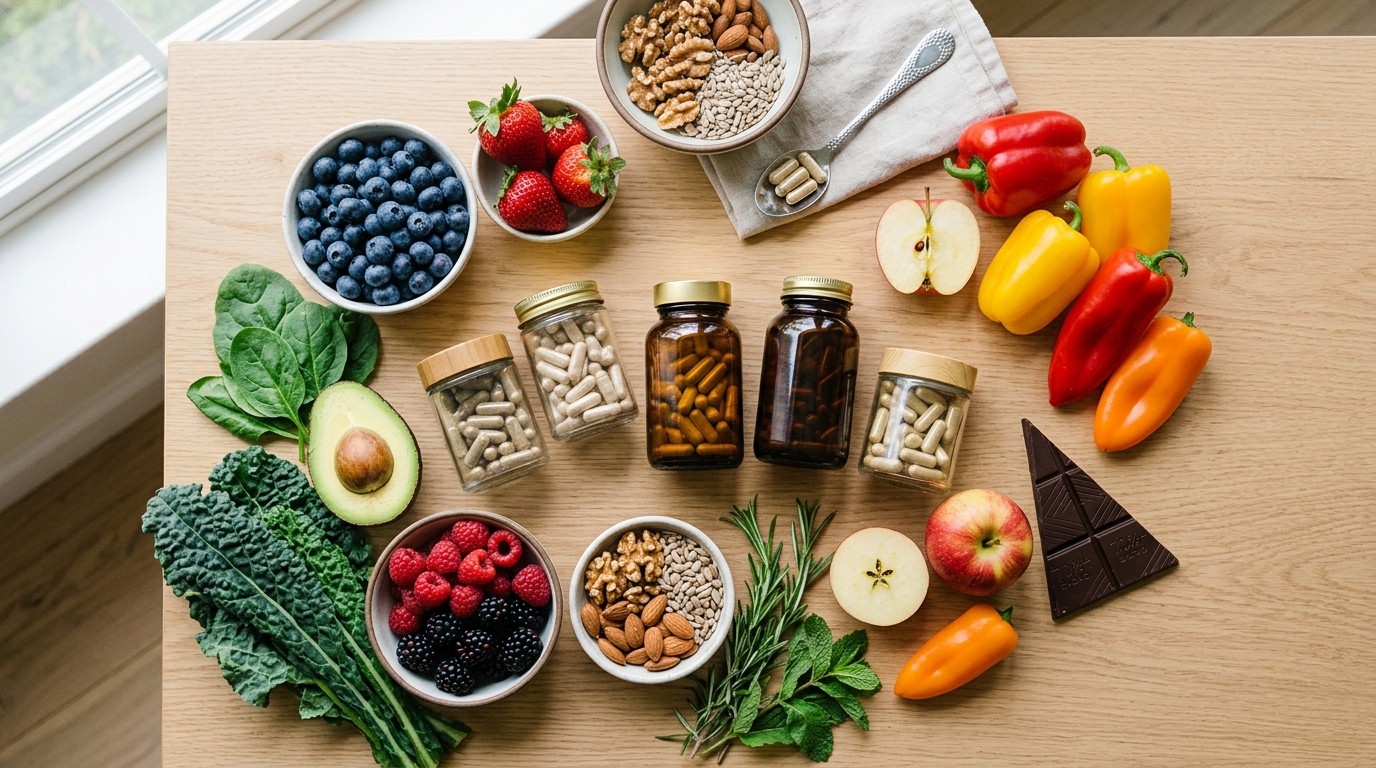
In the relentless pursuit of optimal brain function and cognitive longevity, phosphatidylserine (PS) stands out as a critical phospholipid for neuronal health. Research indicates that supplementing with phosphatidylserine can significantly improve memory, focus, and overall cognitive processing, with some studies showing improvements in cognitive scores by up to 30% in individuals experiencing age-related decline. For those looking to sharpen their mental edge or support brain health as they age, choosing the right phosphatidylserine supplement is paramount.
Quick Comparison: Top 5 Phosphatidylserine Brain Health Supplements
| Product | Key Ingredient | Dose | Best For | Price Range |
|---|---|---|---|---|
| NOW Supplements Phosphatidyl Serine 300mg | Phosphatidylserine (from Sunflower Lecithin) | 300 mg | Overall cognitive support, memory, focus | $25-$35 |
| Jarrow Formulas PS100 Phosphatidylserine | Phosphatidylserine (Sharp-PS Green) | 100 mg | Stress reduction, mood balance, daily maintenance | $20-$30 |
| Double Wood Supplements Phosphatidylserine Complex | Phosphatidylserine (from Sunflower) | 500 mg | Intensive cognitive enhancement, athletic performance | $35-$45 |
| Solgar Phosphatidylserine 200 mg | Phosphatidylserine (from Sunflower Lecithin) | 200 mg | Premium quality, age-related cognitive decline | $40-$55 |
| Thorne Research Phosphatidylserine-SF | Phosphatidylserine (from Sunflower Lecithin) | 100 mg | Sensitive individuals, foundational brain support | $30-$40 |
Why This Matters: The Science Behind Phosphatidylserine Brain Health
Phosphatidylserine (PS) is a naturally occurring phospholipid component of cell membranes, particularly abundant in the brain. It plays a crucial role in maintaining cellular function, especially within neurons, where it is vital for cell-to-cell communication, signal transduction, and neurotransmitter release. As we age, the natural levels of PS in the brain can decline, which is associated with a decrease in cognitive function. Supplementing with exogenous PS has been shown to counteract this decline and support various aspects of brain health.
The scientific literature provides compelling evidence for PS’s efficacy. One notable study by Kato-Kataoka, A., et al. (2010), published in the Journal of Clinical Biochemistry and Nutrition, investigated the effects of soybean-derived phosphatidylserine on memory function in elderly Japanese subjects with memory complaints. The randomized, double-blind, placebo-controlled trial found that 200mg/day of PS significantly improved memory function, particularly delayed recall, demonstrating its potential to mitigate age-related cognitive decline.
Beyond memory, PS has also been linked to improvements in focus, learning, and even stress response. For instance, Stough, C., et al. (2008), in a study published in the Journal of Human Psychopharmacology: Clinical and Experimental, explored the impact of phosphatidylserine on cognitive performance and mood in subjects with self-reported memory complaints. Their findings indicated that 300mg/day of PS not only improved short-term memory but also positively influenced mood and reduced stress levels in healthy adults experiencing age-associated cognitive decline. This suggests PS has a broader role in supporting overall mental well-being and resilience against cognitive stressors.
The mechanism of action for PS involves its ability to restore membrane fluidity, enhance glucose metabolism in the brain, and support the production and release of neurotransmitters like acetylcholine, which is critical for learning and memory. Furthermore, PS is known to modulate the hypothalamic-pituitary-adrenal (HPA) axis, helping to reduce cortisol levels and thereby alleviating psychological stress. Its neuroprotective properties, including its role in repairing damaged neurons and enhancing synaptic plasticity, make it a cornerstone supplement for maintaining robust brain health into the future.
Our Top 5 Picks - Reviewed
NOW Supplements Phosphatidyl Serine 300mg
NOW Supplements is renowned for its commitment to quality and affordability, and their Phosphatidyl Serine 300mg offering is no exception. Sourced from sunflower lecithin, this supplement is an excellent choice for those seeking a soy-free option. Each capsule delivers a potent 300mg dose, aligning with many clinical studies that demonstrate significant benefits for memory, learning, and overall cognitive function. This product stands out for its balance of purity, efficacy, and value, making it ideal for individuals looking for reliable daily cognitive support without breaking the bank. It’s particularly well-suited for active adults and older individuals aiming to maintain mental sharpness.
- High 300mg dose per capsule.
- Soy-free, derived from sunflower lecithin.
- Excellent value from a trusted brand.
- Capsule size might be large for some.
- May require consistent use for noticeable effects.
Jarrow Formulas PS100 Phosphatidylserine
Jarrow Formulas PS100 provides a well-regarded form of phosphatidylserine, utilizing Sharp-PS Green, a patented, soy-free ingredient derived from sunflower lecithin. With 100mg per capsule, this supplement is designed for those who prefer a lower, more flexible dosage, or for individuals primarily focused on stress reduction and mood balance rather than intensive cognitive enhancement. Jarrow Formulas is known for its scientifically-backed formulations and high-quality ingredients, ensuring that you’re getting a pure and effective product. It’s an excellent entry-level option for anyone new to PS supplementation or those seeking a daily maintenance dose to support overall neurological health and emotional well-being.
- Uses Sharp-PS Green, a high-quality patented ingredient.
- Soy-free formulation.
- Ideal for stress management and mood support.
- Lower dose may require multiple capsules for higher therapeutic effects.
- Slightly higher price per mg compared to some competitors.
Double Wood Supplements Phosphatidylserine Complex
Double Wood Supplements offers a robust Phosphatidylserine Complex, providing a substantial 500mg dose per serving, making it one of the higher-potency options on the market. Also derived from sunflower, this soy-free formula is designed for individuals seeking maximum cognitive support, particularly those under high mental demand, such as students, professionals, or athletes. Its higher dosage can be particularly beneficial for addressing more pronounced cognitive decline or for those looking to optimize mental performance under stressful conditions. Double Wood is recognized for its transparent sourcing and third-party testing, assuring consumers of product purity and potency. This is a top pick for advanced users or those who have found lower doses less impactful.
- Very high 500mg dose per serving for maximum impact.
- Soy-free, derived from sunflower.
- Transparent sourcing and third-party tested.
- Higher dose might be too potent for some sensitive individuals.
- Not ideal for those seeking a lower, maintenance dose.
Solgar Phosphatidylserine 200 mg
Solgar’s Phosphatidylserine 200 mg is a premium choice for those prioritizing brand reputation and ingredient quality. Sourced from sunflower lecithin, it offers a moderate yet effective dose that aligns with many clinical studies demonstrating benefits for memory, focus, and overall cognitive health. Solgar has a long-standing history of producing high-quality, scientifically-backed supplements, and this PS product lives up to that legacy. It’s free from common allergens like soy, dairy, and gluten, making it suitable for a wide range of dietary preferences and sensitivities. This supplement is particularly recommended for individuals experiencing age-related cognitive changes who are looking for a reliable, high-grade option to support their brain function.
- Premium quality from a highly respected brand.
- Soy-free, derived from sunflower lecithin.
- Free from common allergens.
- Higher price point compared to other options.
- Only available in a single dosage strength.
Thorne Research Phosphatidylserine-SF
Thorne Research is synonymous with exceptional purity and scientific integrity, and their Phosphatidylserine-SF (Soy-Free) maintains this standard. Delivering 100mg of phosphatidylserine per capsule from sunflower lecithin, this product is designed for foundational brain support, especially for individuals with sensitivities or those who prefer a precise, lower dose. Thorne’s commitment to rigorous testing ensures that each batch is free from contaminants and accurately dosed, offering peace of mind to discerning consumers. It’s an excellent choice for long-term brain health maintenance, supporting cognitive function, and managing stress without overwhelming the system. Ideal for sensitive individuals or those integrating PS into a broader supplement regimen.
- Unparalleled purity and third-party testing.
- Soy-free formulation from sunflower lecithin.
- Ideal for sensitive individuals and foundational support.
- Lower dosage may require multiple capsules for higher therapeutic effects.
- Premium pricing reflects the brand’s quality standards.
How to Choose the Best Product
Key Ingredients to Look For
When selecting a phosphatidylserine (PS) supplement, the source and form of the ingredient are paramount. Traditionally, PS was derived from bovine cortical tissue (BC-PS), but due to concerns regarding prion diseases, most modern supplements use plant-derived sources. The two primary plant sources are soy (soy-PS) and sunflower (sunflower-PS). For those with soy allergies or concerns about GMOs, sunflower-derived PS is an excellent and increasingly popular alternative. Both forms have demonstrated efficacy in clinical trials, so the choice often comes down to personal preference and dietary restrictions. Look for products that clearly state their source and ensure it’s from a reputable supplier. Branded ingredients like Sharp-PS Green (from sunflower) are often indicative of higher quality, purity, and scientific backing, as they undergo specific manufacturing processes to ensure stability and bioavailability. Always check the “Supplement Facts” panel for the exact amount of elemental phosphatidylserine, not just the total complex.
Beyond the primary ingredient, consider the presence of other synergistic compounds. Some PS supplements may be combined with other nootropics like Alpha-GPC, DHA (omega-3 fatty acids), or B vitamins, which can further enhance cognitive benefits. While these combinations can be effective, ensure that each ingredient is adequately dosed and that you understand the purpose of each component. For foundational PS benefits, a standalone product is often sufficient. Prioritize products that are third-party tested for purity and potency, ensuring they are free from heavy metals, pesticides, and other contaminants. This level of transparency reflects a manufacturer’s commitment to quality and consumer safety.
Red Flags to Avoid
Navigating the supplement market requires vigilance, as not all products are created equal. One major red flag to avoid is proprietary blends that do not disclose the individual amounts of each ingredient, especially for phosphatidylserine. If a label lists “Brain Health Blend” with PS as one component but doesn’t specify how many milligrams of PS are actually in each serving, it’s impossible to know if you’re getting an effective dose. This lack of transparency can often hide underdosed ingredients.
Another red flag is an excessively low price for a high-dose product. While affordability is appealing, manufacturing high-quality, pure phosphatidylserine is a complex process. If a deal seems too good to be true, it often is, suggesting potential compromises in ingredient quality, purity, or even accurate labeling. Be wary of products with a long list of artificial fillers, binders, or artificial colors and flavors. These inactive ingredients offer no health benefits and can sometimes cause adverse reactions. Finally, avoid brands with a history of poor customer reviews regarding efficacy, side effects, or inaccurate labeling. Always choose reputable brands that prioritize third-party testing and provide certificates of analysis (COAs) upon request, demonstrating their commitment to safety and quality.
Dosage and Timing
The optimal dosage for phosphatidylserine (PS) can vary based on individual needs and the specific goals of supplementation. Clinical studies have shown efficacy with doses ranging from 100 mg to 300 mg per day for general cognitive support, memory enhancement, and stress reduction. For individuals experiencing age-related cognitive decline, doses of 200-300 mg per day, often split into two or three smaller doses, have been found to be most beneficial. For athletes or those under intense mental or physical stress looking for performance enhancement or cortisol reduction, higher doses up to 400-500 mg per day might be considered, though it’s always wise to start low and gradually increase.
Timing of PS supplementation can also play a role. Many users find it beneficial to take PS with a meal, as it is a fat-soluble compound and its absorption can be enhanced by dietary fats. Splitting the daily dose (e.g., 100 mg in the morning and 100 mg in the afternoon) can help maintain steady levels throughout the day and may reduce the likelihood of mild digestive upset that some individuals report with larger single doses. Taking PS in the evening, particularly higher doses, might interfere with sleep for some due to its energizing effect on brain function, although others find it aids in relaxation by lowering cortisol. Experimentation within the recommended dosage range is key to finding what works best for your body and lifestyle.
Safety and Side Effects
Phosphatidylserine (PS) is generally considered safe and well-tolerated, with a low incidence of side effects, especially when taken within recommended dosages. It is a natural component of cell membranes, and supplementation essentially boosts the body’s existing stores. Most clinical trials report no significant adverse events, even with prolonged use. However, like any supplement, some individuals may experience mild side effects, particularly when starting supplementation or taking higher doses.
Potential mild side effects can include stomach upset, gas, diarrhea, or insomnia. These are usually transient and can often be mitigated by reducing the dose, taking the supplement with food, or adjusting the timing of intake. For instance, if insomnia occurs, taking PS earlier in the day might be helpful. Individuals who are pregnant or breastfeeding should consult a healthcare provider before using PS, as there is insufficient research on its safety in these populations. Similarly, those with existing medical conditions, especially blood clotting disorders, should exercise caution. PS may have mild anticoagulant properties, so it could potentially interact with blood-thinning medications like warfarin, increasing the risk of bleeding. It is crucial for anyone taking prescription medications, particularly blood thinners, antidepressants, or anticholinergic drugs, to consult a doctor or pharmacist before starting PS to avoid potential drug interactions. Always adhere to the recommended dosages and discontinue use if any severe or persistent adverse reactions occur.
Frequently Asked Questions
Q: What is phosphatidylserine (PS) and how does it work for brain health?
Phosphatidylserine is a vital phospholipid found in high concentrations in brain cell membranes, crucial for maintaining their fluidity and function. It supports neurotransmitter release, glucose metabolism, and cell-to-cell communication, essentially enhancing the efficiency of brain cells. This action leads to improvements in memory, learning, focus, and overall cognitive processing.
Q: How long does it take to see results from phosphatidylserine supplementation?
The timeframe for seeing results can vary significantly among individuals, but many people report noticeable improvements within a few weeks to a couple of months of consistent daily use. Clinical studies often evaluate effects after 6-12 weeks of supplementation. Patience and consistent adherence to the recommended dosage are key for optimal benefits.
Q: Is phosphatidylserine safe for long-term use?
Yes, phosphatidylserine is generally considered safe for long-term use when taken within recommended dosages. It is a natural compound found in the body, and studies have shown good tolerability over extended periods. However, it’s always advisable to consult with a healthcare professional for personalized advice, especially if you have underlying health conditions or are taking other medications.
Q: Can phosphatidylserine help with stress and mood?
Absolutely. Beyond its cognitive benefits, phosphatidylserine has been shown to modulate the body’s stress response by helping to reduce cortisol levels, a primary stress hormone. This can lead to improved mood, reduced feelings of anxiety, and enhanced resilience to psychological stress. It contributes to overall mental well-being alongside its cognitive support.
Q: What’s the difference between soy-derived and sunflower-derived phosphatidylserine?
The primary difference lies in their source material: one is extracted from soy lecithin, and the other from sunflower lecithin. Both forms are clinically effective, but sunflower-derived PS is often preferred by individuals with soy allergies, sensitivities, or those wishing to avoid soy products due to GMO concerns. Both are considered high-quality sources for supplementation.
Key Takeaways
- Phosphatidylserine (PS) is a critical phospholipid for optimal brain health, supporting memory, focus, and cognitive function.
- Clinical studies consistently show PS can improve cognitive performance and reduce stress levels.
- Look for high-quality PS from reputable brands, preferably derived from sunflower lecithin for a soy-free option.
- Effective dosages typically range from 100 mg to 300 mg daily, with higher doses used for specific needs.
- PS is generally safe, but consult a doctor if pregnant, breastfeeding, or on blood-thinning medication.
- Consistency is key; allow several weeks to months to experience the full benefits of supplementation.
Frequently Asked Questions
What is the recommended dosage of phosphatidylserine for brain health?
The most commonly studied and effective dosage for cognitive benefits ranges from 300-500 mg per day. It’s often recommended to split this dosage into two or three smaller servings throughout the day for optimal absorption.
When is the best time to take phosphatidylserine supplements for brain function?
Many users find taking phosphatidylserine with meals, particularly breakfast and lunch, can improve absorption and minimize potential stomach upset. Some individuals also report a mild calming effect, so avoiding it close to bedtime might be beneficial.
Are there any side effects or safety concerns with phosphatidylserine supplements?
Phosphatidylserine is generally considered safe with few reported side effects, though some individuals may experience mild digestive upset. It’s always wise to consult with a healthcare professional before starting any new supplement, especially if you have pre-existing medical conditions or are taking other medications.
How long does it take to see benefits from phosphatidylserine for memory and focus?
Cognitive improvements with phosphatidylserine are typically not immediate and may take several weeks to a few months of consistent use to become noticeable. Individual results can vary based on factors like age, baseline cognitive function, and overall health.
What is the difference between phosphatidylserine derived from soy and bovine sources?
Historically, bovine sources were common, but soy-derived phosphatidylserine is now more prevalent due to concerns about prion diseases and is generally considered a safe and effective alternative. Both forms offer similar cognitive benefits when taken at appropriate dosages.
Disclaimer: This article is for informational purposes only and does not constitute medical advice. Consult a qualified healthcare provider before starting any supplement regimen.
Leave a Reply