
Chia Seeds and AI Nutrition: Benefits, Dosage, and Best Uses

Chia Seeds and AI Nutrition: Benefits, Dosage, and Best Uses

Originating from Central America, chia seeds were a cornerstone of Aztec and Mayan diets, revered for their ability to provide sustained energy and vitality. Modern scientific research continues to validate their impressive nutritional profile, with a single ounce (approximately two tablespoons) delivering a substantial 10 grams of fiber and 5 grams of plant-based protein. With the advent of AI nutrition platforms, understanding how to best integrate these tiny powerhouses for optimal health is more personalized and accessible than ever before.
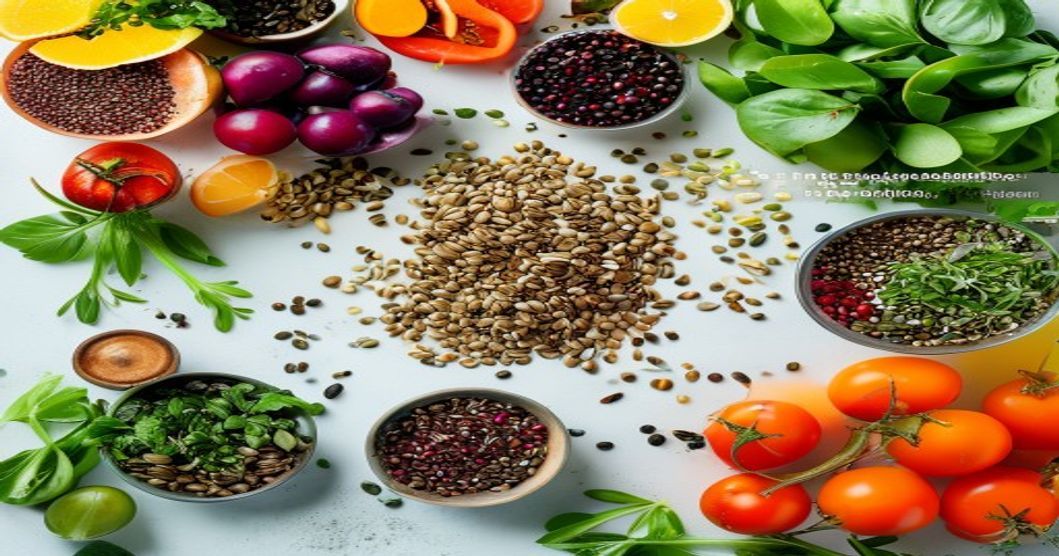
chia seeds and AI Nutrition: Benefits, Dosage, and Best Uses  -  AINutry
chia seeds and AI Nutrition: Benefits, Dosage, and Best Uses – AINutry

Table of Contents

Affiliate Disclosure: AINutry may earn a small commission from qualifying purchases made through links on this page. This does not affect our editorial integrity or the price you pay. We only recommend products backed by scientific evidence.

The Enduring Legacy of Chia Seeds: A Nutritional Powerhouse

For centuries, chia seeds (Salvia hispanica L.) have been more than just a food source; they were a vital component of ancient civilizations’ diets, often used for medicinal purposes and even as currency. Their name, derived from the Mayan word for “strength,” aptly describes the energy and resilience they were believed to impart. These small, oval seeds, typically black or white, were prized by warriors and athletes for their capacity to sustain physical exertion and provide a concentrated source of nourishment during long journeys.

The resurgence of chia seeds in contemporary health and wellness circles is a testament to their timeless value. As our understanding of nutrition evolves, driven by scientific research and technological advancements, the ‘superfood’ status of chia seeds is continually reinforced. They represent a bridge between ancient wisdom and modern dietary needs, offering a holistic approach to health that aligns perfectly with the goals of personalized nutrition.

At AINUTRY, we recognize the profound potential of such nutrient-dense foods. Our mission is to demystify complex nutritional information, making it actionable and tailored to individual needs. By combining the inherent benefits of foods like chia seeds with cutting-edge AI, we empower users to make informed decisions that support their unique health journeys, moving beyond one-size-fits-all recommendations to truly personalized wellness.

Unpacking the Nutritional Profile of Chia Seeds

Despite their diminutive size, chia seeds pack an extraordinary nutritional punch. A typical 1-ounce (28-gram) serving, equivalent to about two tablespoons, provides a comprehensive array of macronutrients and micronutrients essential for optimal bodily function. This makes them an incredibly efficient food source for those looking to maximize their nutrient intake without consuming excessive calories.

One of the most celebrated components of chia seeds is their fiber content. A 2022 review published in the journal Nutrients highlighted that a 28-gram serving of chia seeds delivers approximately 10 grams of dietary fiber, representing about 36% of the daily recommended intake for adults. This fiber is predominantly soluble, forming a gel-like substance when mixed with liquid, which contributes to satiety and supports digestive regularity. This unique property also plays a role in moderating blood sugar levels, a significant benefit for metabolic health.

Beyond fiber, chia seeds are an excellent plant-based source of alpha-linolenic acid (ALA), an essential omega-3 fatty acid. They are also a good source of protein, containing all nine essential amino acids, making them a valuable addition for vegetarians and vegans. Furthermore, they are rich in vital minerals such as calcium, magnesium, phosphorus, and manganese, all crucial for bone health, energy metabolism, and numerous enzymatic reactions within the body. Their antioxidant profile, including compounds like quercetin and kaempferol, helps combat oxidative stress and supports cellular health.

  • Fiber: High in both soluble and insoluble fiber, aiding digestion and promoting satiety.
  • Omega-3s (ALA): Excellent plant-based source for heart and brain health.
  • Protein: Complete plant protein, beneficial for muscle repair and growth.
  • Minerals: Rich in calcium, magnesium, phosphorus, and manganese for bone and overall health.
  • Antioxidants: Contains compounds that protect cells from damage.

Scientific Benefits of Chia Seeds for Health and Wellness

The impressive nutritional composition of chia seeds translates into a range of scientifically supported health benefits. Integrating these seeds into your diet can contribute positively to several aspects of your well-being, from metabolic regulation to bone strength. Understanding these benefits helps underscore why “chia seeds and ai nutrition: benefits, dosage, and best uses” is a topic of growing importance for personalized health.

Digestive Health and Satiety

The high fiber content of chia seeds is a primary driver of their digestive benefits. When consumed, especially after soaking, the soluble fiber absorbs water and expands, forming a gel. This gel helps to slow down digestion, promoting a feeling of fullness and potentially aiding in weight management by reducing overall calorie intake. Moreover, the fiber acts as a prebiotic, feeding beneficial gut bacteria and supporting a healthy gut microbiome, which is crucial for nutrient absorption and immune function.

Heart Health and Omega-3s

Chia seeds are one of the best plant sources of alpha-linolenic acid (ALA), an omega-3 fatty acid vital for cardiovascular health. While ALA needs to be converted into EPA and DHA (the forms found in fish oil) in the body, regular intake contributes to overall omega-3 levels. Studies suggest that ALA can help reduce inflammation, lower triglyceride levels, and improve blood pressure, all factors that contribute to a reduced risk of heart disease. A 2023 meta-analysis published in the Journal of the American Heart Association indicated that higher ALA intake was associated with a 10% lower risk of cardiovascular disease mortality.

Blood Sugar Regulation

The unique combination of fiber and healthy fats in chia seeds can significantly impact blood sugar control. The soluble fiber slows the conversion of carbohydrates into sugar, leading to a more gradual release of glucose into the bloodstream. This can help prevent blood sugar spikes and crashes, making chia seeds a beneficial food for individuals managing diabetes or seeking to maintain stable energy levels. Regular consumption has been linked to improved insulin sensitivity, further supporting metabolic health.

Bone Health

Chia seeds are a surprising source of several nutrients critical for bone density and strength. They contain calcium, magnesium, and phosphorus, all of which are fundamental building blocks of bone tissue. In fact, a 1-ounce serving provides more calcium than a serving of milk, making it an excellent option for those who avoid dairy. The synergistic effect of these minerals contributes to robust skeletal health throughout life.

Antioxidant Power

Rich in antioxidants such as chlorogenic acid, caffeic acid, quercetin, and kaempferol, chia seeds help protect the body from free radicals. These unstable molecules can cause oxidative stress, leading to cellular damage and contributing to chronic diseases and aging. By neutralizing free radicals, the antioxidants in chia seeds support overall cellular health, reduce inflammation, and may offer protective benefits against various ailments.

Optimal Chia Seed Dosage and Integration into Your Diet

Determining the optimal dosage of chia seeds is key to reaping their benefits without experiencing potential digestive discomfort. For most adults, a daily intake of 1 to 2 tablespoons (approximately 15-30 grams or 0.5-1 ounce) is generally recommended and well-tolerated. It’s advisable to start with a smaller amount, such as half a tablespoon, and gradually increase it to allow your digestive system to adjust, particularly due to their high fiber content. Ensuring adequate hydration is also crucial when consuming chia seeds, as they absorb a significant amount of water.

Chia seeds are incredibly versatile and can be incorporated into almost any meal or snack. They can be consumed whole or ground, though grinding may slightly enhance nutrient absorption. One of the most common ways to use them is by soaking them in liquid to form a gel, which can then be added to smoothies, yogurts, or made into chia pudding. This pre-soaking also aids in digestion and makes them easier to incorporate into various recipes.

Beyond puddings and smoothies, chia seeds can be sprinkled dry over salads, oatmeal, or cereals for added crunch and nutrition. They can also be mixed into baked goods like muffins, bread, or energy bars, or even used as a thickening agent in sauces and gravies. For those seeking plant-based alternatives, a “chia egg” (1 tablespoon chia seeds mixed with 3 tablespoons water, let sit for 5 minutes) can serve as an effective egg substitute in many recipes.

Related Reading

“>Discover more plant-based protein sources to diversify your diet.

While generally safe, consuming large quantities of chia seeds without sufficient fluid intake can lead to digestive issues such as bloating, gas, or constipation. Individuals with existing gastrointestinal conditions, such as irritable bowel syndrome (IBS), should exercise caution and consult with a healthcare professional before significantly increasing their intake. It’s also important to note that while chia seeds offer numerous benefits, they should be part of a balanced diet and not relied upon as a sole source of nutrients.

Leveraging AI Nutrition for Personalized Chia Seed Strategies

In the realm of modern nutrition, the concept of “chia seeds and ai nutrition: benefits, dosage, and best uses” is transforming how individuals approach dietary planning. Traditional nutritional advice often falls short because it struggles to account for the vast spectrum of individual differences in metabolism, lifestyle, health goals, and dietary preferences. This is where AI-powered nutrition platforms like AINUTRY provide an invaluable solution, offering hyper-personalized guidance that transcends generic recommendations.

AINUTRY’s advanced algorithms can analyze a comprehensive array of personal data, including your current dietary habits, activity levels, existing health conditions, allergies, and specific nutritional goals (e.g., weight management, muscle gain, improved gut health). When it comes to incorporating a superfood like chia seeds, the AI can determine the most appropriate dosage, preparation methods, and integration strategies that align perfectly with your unique profile. For instance, if you have a history of digestive sensitivity, the AI might suggest starting with soaked chia seeds in smaller quantities, gradually increasing as your system adapts.

Furthermore, AI nutrition can optimize the benefits of chia seeds by suggesting synergistic food pairings. For someone aiming to boost omega-3 intake, the platform might recommend combining chia seeds with other ALA-rich foods or provide recipes that enhance nutrient absorption. If your goal is blood sugar management, the AI could curate meal plans that strategically place chia seeds alongside low-glycemic foods to maximize their stabilizing effect.

Related Reading

“>Learn more about how AI can transform your personal nutrition plan.

The platform also offers dynamic tracking and feedback. You can log your chia seed intake, monitor its impact on your energy levels, satiety, and digestive comfort, and the AI will adapt its recommendations in real-time. This iterative process ensures that your “chia seeds and ai nutrition: benefits, dosage, and best uses” strategy is continuously refined, moving you closer to your health objectives with precision and efficiency. It’s about moving beyond guesswork to data-driven dietary choices that truly work for you.

Best Uses for Chia Seeds: Beyond the Basics

While chia seeds are famously known for puddings and smoothie boosts, their culinary versatility extends far beyond these common applications. Exploring the full spectrum of their uses can add nutritional value and interesting textures to a wide array of dishes. Understanding these diverse uses is a key component of maximizing the “chia seeds and ai nutrition: benefits, dosage, and best uses” strategy, as AI can help you discover recipes tailored to your taste and dietary needs.

Chia Seed Pudding: A Versatile Breakfast or Snack

Chia seed pudding remains a staple for good reason. It’s incredibly easy to prepare and highly customizable. Simply combine chia seeds with your choice of milk (dairy or plant-based), a sweetener, and flavorings like fruit, cocoa powder, or spices. Let it sit in the refrigerator for a few hours or overnight, and the seeds will absorb the liquid, transforming into a thick, gel-like pudding. This makes for a convenient, nutrient-dense breakfast or snack that can be prepared in advance.

Boost Your Smoothies and Beverages

Adding a tablespoon or two of chia seeds to your morning smoothie is an effortless way to enhance its nutritional profile. They blend seamlessly, adding fiber, protein, and omega-3s without significantly altering the taste. For a subtle thickening effect and a nutritional boost, you can also stir them into water, juice, or even lemonade, creating a refreshing and hydrating drink that provides sustained energy. This is especially useful for pre- or post-workout hydration.

Egg Substitute in Baking

For those following a vegan diet or looking to reduce cholesterol, chia seeds offer an excellent plant-based egg substitute in many baking recipes. To make a “chia egg,” combine one tablespoon of whole chia seeds with three tablespoons of water and let it sit for about five minutes until it forms a gelatinous mixture. This can replace one egg in recipes for muffins, cookies, pancakes, and more, providing binding and moisture while adding a nutritional bonus.

Related Reading

“>Explore more healthy baking alternatives for your favorite recipes.

Thickening Agent and Salad Topper

Chia seeds can also act as a natural thickening agent for soups, stews, sauces, and gravies, offering a healthier alternative to refined flours or cornstarch. Their ability to absorb liquid makes them perfect for achieving desired consistencies. Additionally, sprinkling dry chia seeds over salads, roasted vegetables, yogurt, or even avocado toast adds a delightful crunch and a powerful boost of nutrients. They integrate effortlessly into almost any savory or sweet dish, elevating both texture and health benefits.

Key Takeaways

FAQ

Are chia seeds good for weight loss?

Chia seeds can be a valuable addition to a weight management plan due to their high fiber content. The fiber helps create a feeling of fullness, reducing overall calorie intake and curbing cravings. When they absorb water in the stomach, they expand, further contributing to satiety. However, chia seeds are not a magic bullet for weight loss and should be consumed as part of a balanced, calorie-controlled diet combined with regular physical activity for effective and sustainable results.

Do chia seeds need to be soaked?

While chia seeds can be consumed dry, soaking them is often recommended. Soaking allows them to absorb liquid and form a gel, which can improve digestibility and nutrient absorption. It also prevents them from absorbing water from your digestive tract, which could potentially cause discomfort if consumed in large quantities without sufficient hydration. Soaked chia seeds are also more versatile for use in puddings, smoothies, and as an egg substitute in baking.

What are the potential side effects of eating chia seeds?

For most people, chia seeds are well-tolerated, especially when introduced gradually. However, due to their high fiber content, consuming large amounts quickly or without enough water can lead to digestive issues such as bloating, gas, stomach discomfort, or constipation. Individuals with existing digestive conditions like IBS should be particularly cautious. It’s always best to start with a small serving and increase slowly while ensuring adequate fluid intake.

Can children eat chia seeds?

Yes, children can safely eat chia seeds in moderation. They offer excellent nutritional benefits for growing bodies, including fiber, omega-3s, and essential minerals. It’s important to introduce them gradually and ensure they are well-hydrated, especially if consuming them dry. Chia seeds can be easily incorporated into children’s diets by adding them to smoothies, yogurt, oatmeal, or baked goods. Always supervise consumption to prevent choking hazards, particularly with very young children.

How do chia seeds compare to flax seeds?

Both chia seeds and flax seeds are excellent sources of omega-3s (ALA) and fiber, making them popular superfoods. Chia seeds are known for their ability to absorb liquid and form a gel, which makes them great for puddings and as an egg substitute. They can also be eaten whole. Flax seeds, on the other hand, are typically recommended to be ground before consumption to ensure optimal nutrient absorption, as their outer shell is harder to break down. Both offer unique benefits and can be incorporated into a healthy diet.

Conclusion

Chia seeds stand as a testament to the enduring power of nature’s simplest offerings, providing a dense concentration of vital nutrients that support a myriad of bodily functions. From their ancient origins as a cornerstone of powerful civilizations to their current status as a celebrated superfood, their benefits for digestive health, cardiovascular well-being, blood sugar regulation, and bone strength are well-documented and scientifically supported. Integrating these tiny powerhouses into your daily diet is a straightforward step towards enhanced wellness.

However, true optimization of your nutritional intake, especially with potent foods like chia seeds, comes through personalization. Generic advice often overlooks the nuances of individual metabolism, lifestyle, and specific health objectives. This is precisely where the synergy between “chia seeds and ai nutrition: benefits, dosage, and best uses” becomes indispensable, allowing for a tailored approach that maximizes efficacy and ensures comfort.

AINUTRY leverages advanced AI to translate complex nutritional science into actionable, personalized strategies. By analyzing your unique profile, our platform can guide you on the optimal dosage, best preparation methods, and creative culinary applications for chia seeds, ensuring they seamlessly integrate into your life and contribute meaningfully to your health goals. Embrace the future of nutrition with AINUTRY and unlock the full potential of foods like chia seeds for a healthier, more vibrant you.

Frequently Asked Questions

What is the recommended daily dosage of chia seeds?

For most adults, a common recommendation is 1-2 tablespoons (15-30 grams) of chia seeds per day. This amount provides a good source of fiber, omega-3 fatty acids, and other essential nutrients without excessive caloric intake.

What are the main health benefits of adding chia seeds to my diet?

Chia seeds are rich in fiber, promoting digestive health and satiety, which can aid in weight management. They are also an excellent plant-based source of omega-3 fatty acids (ALA), antioxidants, and essential minerals like calcium and magnesium, supporting heart and bone health.

Are there any side effects or contraindications for consuming chia seeds?

While generally safe, some individuals may experience digestive discomfort like bloating or gas due to their high fiber content, especially if introduced too quickly. People on blood-thinning medication or with certain swallowing difficulties should consult a doctor, as chia seeds absorb liquid and expand significantly.

What are the best ways to incorporate chia seeds into my daily meals?

Chia seeds are versatile and can be easily added to smoothies, yogurt, oatmeal, or used to make chia pudding. They can also serve as an egg substitute in baking when mixed with water, or sprinkled over salads and cereals for an added nutritional boost.

How can AI nutrition help optimize my chia seed intake?

AI nutrition platforms can analyze your individual dietary needs, health goals, and existing nutrient intake to suggest personalized chia seed dosages and recipes. This can help optimize their benefits by integrating them effectively into a tailored dietary plan, considering potential interactions or deficiencies.

Get Smarter About Nutrition

Join the AINutry newsletter for weekly science-backed nutrition tips, supplement reviews, and exclusive content delivered to your inbox.

Subscribe Free
Disclaimer: This content is for informational purposes only and does not constitute medical advice. Always consult a qualified healthcare professional before making changes to your diet, supplement routine, or health regimen. Individual results may vary.


Leave a Reply

Your email address will not be published. Required fields are marked *