Written by AINutry Editorial Team · Edited by Leonardo S., Founder · Last updated: September 13, 2026 Educational content based exclusively on published peer-reviewed studies. Nothing is invented. Not medical advice. How we create content
Salmon stands out as a nutritional cornerstone, celebrated globally for its rich profile of omega-3 fatty acids, high-quality protein, and vital vitamins. Indeed, a 2019 meta-analysis published in the *Journal of the American Medical Association* found that higher consumption of fish was associated with a 16% lower risk of total cardiovascular disease events, underscoring its profound impact on heart health. Integrating such a potent food into one’s diet optimally, however, is where the innovative potential of AI nutrition truly shines, transforming general guidelines into personalized strategies for health and wellness.
salmon and AI Nutrition: Benefits, Dosage, and Best Uses - AINutry
Table of Contents
Affiliate Disclosure: AINutry may earn a small commission from qualifying purchases made through links on this page. This does not affect our editorial integrity or the price you pay. We only recommend products backed by scientific evidence.
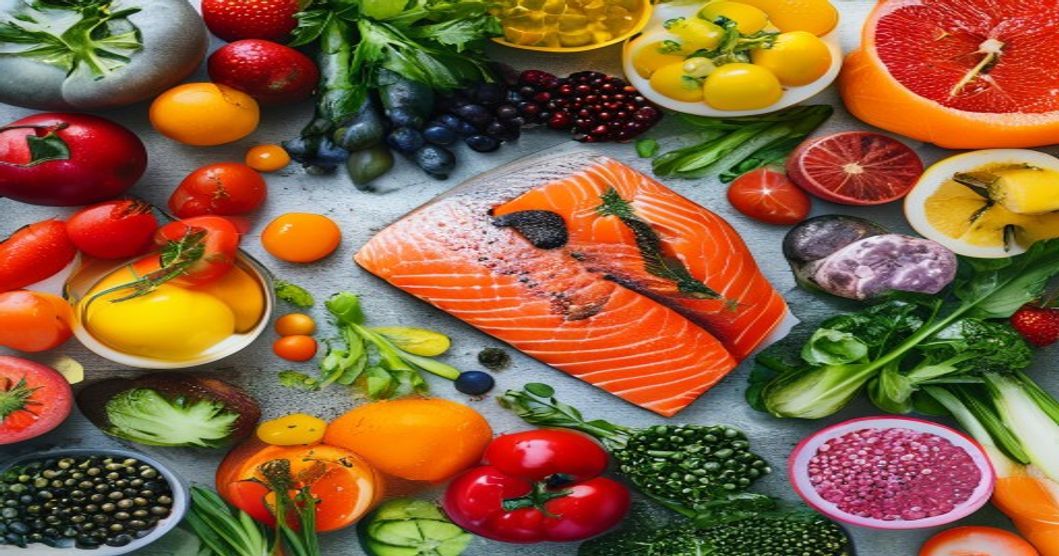
Salmon is frequently lauded as one of nature’s most complete foods, offering an impressive array of nutrients vital for human health. Its most renowned components are the long-chain omega-3 fatty acids, specifically eicosapentaenoic acid (EPA) and docosahexaenoic acid (DHA). These essential fats are critical for reducing inflammation, supporting brain function, and maintaining cardiovascular health. Unlike other fats, the human body cannot efficiently produce EPA and DHA, making dietary sources like salmon indispensable.
Beyond omega-3s, salmon is an excellent source of high-quality protein, providing all nine essential amino acids necessary for muscle repair, enzyme production, and overall bodily function. A typical serving can supply a significant portion of an adult’s daily protein needs. This makes it a highly satiating food, aiding in weight management by promoting fullness and reducing overall calorie intake, a benefit that AI nutrition platforms can leverage when designing personalized meal plans.
Furthermore, salmon is packed with a spectrum of vitamins and minerals. It’s particularly rich in B vitamins (B3, B5, B6, B9, and B12), which play crucial roles in energy production, DNA repair, and nerve function. It also provides selenium, a powerful antioxidant that supports thyroid health and immune function, and potassium, vital for blood pressure regulation. These micronutrients collectively contribute to salmon’s reputation as a holistic health promoter, addressing everything from bone density to cognitive performance.
Omega-3 Fatty Acids (EPA & DHA): Essential for heart, brain, and anti-inflammatory support.
High-Quality Protein: Complete amino acid profile for muscle and cellular repair.
B Vitamins: Crucial for energy metabolism and neurological health.
Selenium: Potent antioxidant, supports thyroid and immune systems.
Potassium: Important for blood pressure and fluid balance.
How AI Revolutionizes Salmon Intake Personalization
In an era where dietary advice is often generalized, AI nutrition platforms offer a transformative approach to integrating nutrient-rich foods like salmon into individual diets. Traditional dietary guidelines provide broad recommendations, such as “eat two servings of fatty fish per week.” While helpful, these fail to account for the nuanced needs of each person, including their unique health goals, existing conditions, dietary preferences, allergies, activity levels, and even genetic predispositions. This is where the power of AI truly shines, moving beyond a one-size-fits-all model to truly personalized guidance.
AI-powered systems, like AINUTRY, can analyze vast datasets of user information, from health metrics tracked by wearables to dietary logs and medical history. By cross-referencing this personal data with extensive nutritional databases and scientific research, AI can identify optimal patterns of food consumption. For instance, if a user has a specific goal of improving cardiovascular health or managing inflammation, the AI can precisely recommend the frequency, portion size, and type of salmon (e.g., wild-caught sockeye for higher astaxanthin) that aligns best with their individual profile. This level of precision ensures that the benefits of salmon are maximized for each user.
Moreover, AI can adapt recommendations in real-time. If a user’s activity levels change, or if they report new dietary preferences or health symptoms, the AI can immediately adjust its suggestions for salmon intake. This dynamic adaptation ensures that the nutritional guidance remains relevant and effective, fostering long-term adherence to healthy eating habits. The ability of AI to learn and evolve with the user makes it an invaluable tool for harnessing the full potential of foods like salmon within a personalized health journey. Understanding the optimal
“>benefits of omega-3s can further enhance this personalized approach.
Addressing Dietary Restrictions and Preferences
One of the significant challenges in dietary planning is accommodating individual restrictions and preferences. AI nutrition platforms excel here by filtering recommendations based on allergies (e.g., shellfish), intolerances, and ethical choices (e.g., pescetarian, gluten-free). If a user has a preference for specific cooking methods or flavor profiles, the AI can suggest salmon preparations that align, increasing the likelihood of enjoyment and consistent consumption. This granular level of personalization ensures that integrating salmon into the diet is not only healthy but also palatable and sustainable for the individual.
Optimal Dosage and Frequency for Salmon Intake
Determining the ideal amount and frequency of salmon consumption is crucial for maximizing its health benefits while mitigating any potential risks. General dietary guidelines often recommend consuming fatty fish, such as salmon, at least two times per week. This recommendation is primarily driven by the need to ensure adequate intake of omega-3 fatty acids, which are essential for various physiological functions. Each serving is typically defined as 3.5 ounces (about 100 grams) of cooked fish, providing a substantial dose of EPA and DHA.
However, AI nutrition platforms can refine these general guidelines into highly personalized recommendations. Factors such as age, gender, activity level, specific health conditions (e.g., pregnancy, cardiovascular disease, autoimmune disorders), and even geographical location (which might influence access to certain types of salmon) are all taken into account. For example, pregnant or breastfeeding women often have higher omega-3 requirements for fetal brain development, and AI can suggest a slightly increased frequency or portion size, while still advising on mercury safety. Conversely, individuals with certain medical conditions might have different needs.
AI can also monitor and balance the intake of other omega-3 sources in a user’s diet. If a user regularly consumes other omega-3-rich foods like walnuts or flaxseeds, or takes supplements, the AI can adjust salmon recommendations accordingly to prevent excessive intake or ensure an optimal balance of different fatty acids. This comprehensive approach to “salmon and AI nutrition: benefits, dosage, and best uses” ensures that individuals receive precisely what their bodies need without over-reliance on general advice. A 2020 report from the USDA found that over 90% of Americans do not meet the recommended intake of seafood, highlighting a significant gap that AI can help bridge by making personalized recommendations more accessible and actionable.
General Recommendation: 2 servings (3.5 oz cooked each) of fatty fish per week.
AI Personalization Factors: Age, gender, activity level, health conditions, dietary preferences, existing omega-3 intake.
Benefits of Personalized Dosage: Optimized omega-3 intake, balanced nutrient profile, reduced risk of deficiencies or excesses.
Best Culinary Uses and Preparation Methods
The versatility of salmon makes it a favorite in kitchens worldwide, but certain culinary approaches can enhance its nutritional value and palatability. AI nutrition platforms go beyond simply recommending salmon; they also suggest optimal preparation methods and complementary ingredients that align with a user’s health goals and taste preferences. For instance, baking, grilling, or poaching salmon are often preferred over deep-frying, as these methods help to retain the delicate omega-3 fatty acids and prevent the addition of unhealthy fats.
Pairing salmon with specific ingredients can further amplify its health benefits. AI can recommend combinations that create synergistic effects, such as serving salmon with iron- and magnesium-packed spinach and pine nuts, which can help boost oxygen flow to your cells and enhance overall nutrient absorption. Similarly, pairing salmon with citrus (lemon, lime) not only brightens its flavor but also provides vitamin C, an antioxidant that can protect the omega-3s from oxidation during cooking. The AI can even suggest specific spices and herbs known for their anti-inflammatory properties, like turmeric or ginger, to complement salmon dishes.
For individuals looking for diverse meal ideas, AI can generate a range of recipes tailored to their skill level, available time, and dietary restrictions. From simple baked salmon with asparagus to more elaborate salmon curries or salads, the AI ensures that incorporating salmon remains exciting and sustainable. This comprehensive approach to “salmon and AI nutrition: benefits, dosage, and best uses” makes healthy eating both accessible and enjoyable, moving beyond generic recipes to truly customized culinary experiences. Explore more about
AI can suggest innovative ways to include salmon in various meals throughout the day, not just dinner. This could involve smoked salmon in breakfast scrambles, flaked salmon in lunchtime salads or sandwiches, or even salmon jerky as a protein-rich snack. By diversifying how salmon is consumed, AI helps prevent dietary boredom and encourages consistent intake, ensuring users reap its long-term benefits. The platform might also offer alternatives if salmon isn’t available, suggesting other fatty fish or omega-3 sources to maintain nutritional balance.
Sustainability, Mercury, and AI-Informed Choices
While the health benefits of salmon are undeniable, consumers are increasingly concerned about environmental sustainability and potential contaminants like mercury. AI nutrition platforms can play a crucial role in empowering users to make informed and responsible choices regarding their salmon consumption. By integrating data on sustainable fishing practices, certifications, and regional advisories, AI can guide users towards options that are both healthy for them and for the planet.
For sustainability, AI can help differentiate between wild-caught and farmed salmon, and within those categories, identify sources with strong environmental ratings (e.g., from the Monterey Bay Aquarium Seafood Watch program). It can recommend specific species, such as Alaskan wild salmon, which is generally considered a highly sustainable choice. This capability allows users to align their dietary choices with their ethical values, ensuring that their pursuit of health does not come at the expense of marine ecosystems. Understanding
Regarding mercury levels, salmon is generally considered a low-mercury fish compared to larger predatory species like swordfish or king mackerel. However, AI can still provide an extra layer of reassurance. By tracking a user’s total fish intake across different species, the AI can calculate and monitor cumulative mercury exposure, offering alerts or suggesting alternative lower-mercury options if thresholds are approached. This intelligent management of dietary intake ensures that users can enjoy the extensive benefits of salmon without undue concern over contaminants, embodying the comprehensive approach of “salmon and AI nutrition: benefits, dosage, and best uses.”
Sustainable Sourcing: AI integrates data from environmental organizations to recommend eco-friendly salmon options.
Wild vs. Farmed: Guidance on choosing between different types based on sustainability and nutrient profiles.
Mercury Monitoring: AI tracks total fish intake to ensure safe mercury levels and suggests low-mercury alternatives.
Key Takeaways
Salmon is a nutrient-dense food rich in omega-3s, high-quality protein, and essential vitamins and minerals crucial for heart, brain, and overall health.
AI nutrition platforms personalize salmon intake by analyzing individual health goals, dietary needs, and preferences, moving beyond generic dietary advice.
Optimal salmon dosage typically involves 2 servings (3.5 oz each) per week, but AI refines this based on personal factors like age, activity, and health conditions.
AI recommends best culinary uses and preparation methods for salmon, suggesting pairings that enhance nutrient absorption and overall palatability.
AI assists in making sustainable and safe salmon choices by providing information on sourcing and monitoring potential contaminants like mercury.
Integrating salmon with AI nutrition ensures a tailored, effective, and enjoyable approach to dietary wellness.
FAQ
What makes salmon so beneficial for health?
Salmon is exceptionally beneficial due to its high concentration of omega-3 fatty acids (EPA and DHA), which are vital for reducing inflammation, supporting cardiovascular health, and promoting brain function. It’s also an excellent source of lean protein, providing all essential amino acids for muscle repair and growth. Furthermore, salmon is packed with B vitamins, selenium, and potassium, contributing to energy production, antioxidant defense, and electrolyte balance, making it a comprehensive nutrient powerhouse.
How can AI truly personalize my salmon intake?
AI nutrition platforms personalize salmon intake by gathering and analyzing your unique data, including your health goals, dietary restrictions (e.g., allergies, intolerances), activity levels, and even biometric data from wearables. Based on this comprehensive profile, the AI can recommend the precise frequency, portion size, and type of salmon that will best support your individual needs. It also adjusts recommendations in real-time as your lifestyle or health status changes, ensuring the advice is always relevant and optimized for your specific journey.
Are there any concerns about eating salmon regularly, such as mercury?
Salmon is generally considered a low-mercury fish, especially compared to larger, longer-lived predatory fish. However, AI nutrition platforms can help address these concerns by monitoring your overall fish consumption across different species. By tracking your intake, the AI can ensure you remain within safe limits for mercury exposure, and it can also recommend sustainable sourcing options to minimize environmental impact, providing peace of mind while you enjoy salmon’s benefits.
What’s the recommended weekly dosage of salmon, and how does AI affect it?
General guidelines often suggest consuming two 3.5-ounce servings of fatty fish like salmon per week to meet omega-3 requirements. AI nutrition refines this by considering individual factors such as age, specific health conditions (e.g., pregnancy, heart disease), and existing dietary intake of other omega-3 sources. For example, a highly active individual or someone with specific inflammatory conditions might be recommended a slightly higher intake, while the AI ensures balance and safety for everyone.
Beyond nutrition, how can AI help with the “best uses” of salmon?
AI extends beyond just nutritional recommendations by offering practical guidance on the “best uses” of salmon. This includes suggesting optimal cooking methods (e.g., baking, grilling, poaching) that preserve nutrients, and recommending complementary ingredients that enhance both flavor and nutritional synergy. AI can also generate tailored recipes based on your culinary skills, time availability, and flavor preferences, making it easier and more enjoyable to consistently incorporate salmon into your diet.
Conclusion
Salmon’s profound nutritional benefits, from its rich omega-3 profile to its high-quality protein and essential micronutrients, establish it as a cornerstone of a healthy diet. Its capacity to support cardiovascular health, cognitive function, and reduce inflammation is well-documented, making it an invaluable food for holistic well-being. However, truly harnessing these benefits in a way that is tailored to each individual’s unique physiological needs and lifestyle preferences has historically been a challenge, often leading to generalized advice that falls short of optimal.
The advent of AI nutrition platforms marks a pivotal shift in how we approach dietary optimization, especially for foods as potent as salmon. By leveraging sophisticated algorithms to analyze personal data, AI can transform broad recommendations into highly specific, actionable insights regarding “salmon and AI nutrition: benefits, dosage, and best uses.” This personalized approach ensures that every individual can consume salmon in a way that maximizes its health advantages, aligns with their goals, and accommodates their dietary nuances, making healthy eating both effective and sustainable.
As we continue to navigate the complexities of modern nutrition, the synergy between nutrient-rich foods like salmon and the intelligent capabilities of AI offers a powerful pathway to enhanced health. Embracing AI-powered guidance not only simplifies the journey towards better nutrition but also empowers individuals to make informed choices that are precisely calibrated for their unique bodies and lives, unlocking the full potential of foods like salmon for a healthier future.
Frequently Asked Questions
How much salmon should I consume weekly for optimal health benefits?
Most health organizations recommend consuming two servings (about 3.5 ounces or 100 grams each) of fatty fish like salmon per week. This intake provides sufficient omega-3 fatty acids, crucial for heart health, brain function, and reducing inflammation.
What are the primary health benefits of incorporating salmon into my diet?
Salmon is rich in omega-3 fatty acids (EPA and DHA), which support cardiovascular health, improve brain function, and possess strong anti-inflammatory properties. It is also an excellent source of high-quality protein, vitamin D, and B vitamins.
How does AI nutrition personalize dietary recommendations?
AI nutrition platforms analyze extensive individual data, including genetics, activity levels, dietary preferences, and health goals, to generate highly customized meal plans. This personalization helps optimize nutrient intake and achieve specific health outcomes more effectively than generic advice.
Are there any safety concerns or individuals who should limit their salmon intake?
While salmon is generally safe and low in mercury compared to other fish, pregnant women and young children should opt for wild-caught or sustainably farmed varieties. Individuals with fish allergies, of course, should avoid salmon entirely.
What are the best ways to prepare and incorporate salmon into a healthy meal plan?
Salmon is versatile and can be baked, grilled, pan-seared, or roasted to preserve its nutritional value. Pairing it with plenty of vegetables, whole grains, and healthy fats like avocado or olive oil ensures a balanced and delicious meal.
Get Smarter About Nutrition
Join the AINutry newsletter for weekly science-backed nutrition tips, supplement reviews, and exclusive content delivered to your inbox.
Disclaimer: This content is for informational purposes only and does not constitute medical advice. Always consult a qualified healthcare professional before making changes to your diet, supplement routine, or health regimen. Individual results may vary.
We use cookies that are necessary for this site to work. With your consent, we will also use analytics, advertising and marketing cookies (including push notifications). Learn more in our Cookie Policy and Privacy Policy.
Cookie preferences
Consent-based cookies are off by default. You can change your choices at any time on this screen ("Cookie Preferences" link in the footer). You can also block cookies in your browser, which may affect how the site works.
Necessary
Essential for the site to work: security, language and storing your consent choices. Legal basis: legitimate interest. Always on.
Always on
Analytics
Aggregated usage statistics to improve content (e.g. Google Analytics). Enabled only with your consent.
Advertising
Google AdSense/DoubleClick cookies to serve and measure ads, including personalized ads.
Marketing & communication
Brevo platform tracking (email automation) and push notifications (WonderPush).
To exercise your rights (access, deletion, withdrawal), see our Privacy Policy or write to hello@ainutry.online.

Leave a Reply