
The demand for personalized health solutions is escalating, with a staggering 78% of consumers expressing interest in customized nutrition plans according to a 2023 industry report. This growing desire for bespoke dietary guidance is precisely where AI dietitian chatbots are changing personalized nutrition, offering an unprecedented level of accessibility and customization that traditional methods often struggle to match.
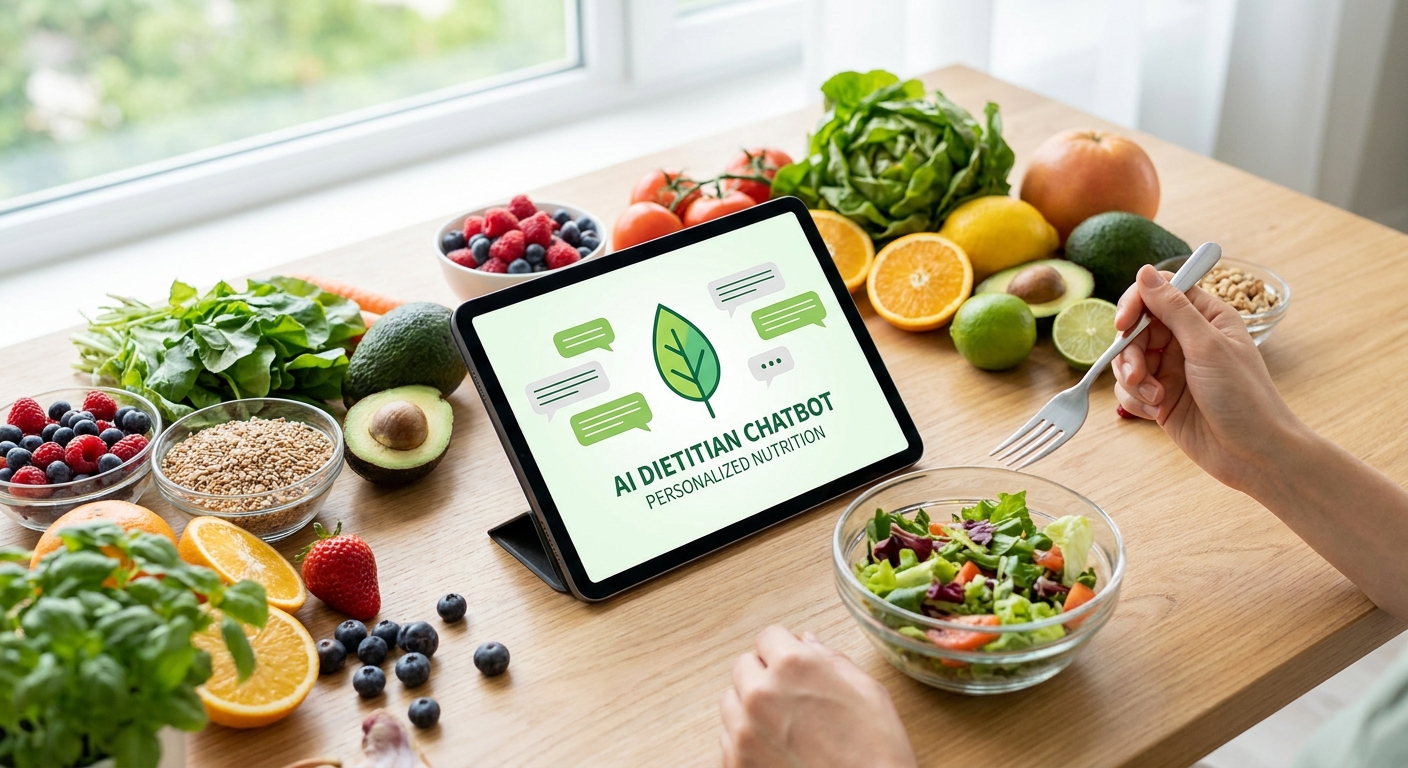
Table of Contents
- The Evolution of Personalized Nutrition: From General Advice to Hyper-Customization
- What Are AI Dietitian Chatbots? Decoding the Technology Behind Tailored Advice
- How AI Chatbots Enhance Personalized Nutrition: Accessibility, Customization, and Real-Time Feedback
- Empowering Users: Engagement, Adherence, and Sustainable Behavioral Change
- Supporting Nutrition Professionals: Scaling Expertise and Enhancing Client Care
- Navigating the Future: Ethical Considerations and the Evolving Role of AI in Nutrition
The Evolution of Personalized Nutrition: From General Advice to Hyper-Customization
For decades, nutritional guidance often followed a ‘one-size-fits-all’ approach, with broad recommendations designed to serve the general population. While foundational guidelines remain crucial, the scientific understanding of individual biological variations - including genetics, gut microbiome, metabolic responses, and lifestyle factors - has highlighted the limitations of such generalized advice. People respond differently to the same foods, and what works for one person may not be optimal for another.
The shift towards personalized nutrition began with the recognition that individual needs dictate dietary efficacy. Early efforts involved detailed consultations with dietitians, which, while highly effective, were often resource-intensive, expensive, and not widely accessible. This created a significant gap between the demand for tailored advice and the practicalities of delivering it on a large scale. The challenge lay in processing vast amounts of personal data, understanding complex interactions, and translating them into actionable, individualized dietary plans that could adapt over time.
This is where the advent of artificial intelligence marks a pivotal turning point. AI’s capacity to analyze extensive datasets, identify patterns, and generate specific recommendations at speed and scale has opened new frontiers for personalized nutrition. It moves the field beyond manual data interpretation, paving the way for systems that can dynamically learn and adapt to an individual’s evolving needs, preferences, and health goals. The integration of AI is not merely an improvement; it represents a fundamental re-imagining of how personalized nutrition can be delivered to millions.
What Are AI Dietitian Chatbots? Decoding the Technology Behind Tailored Advice
AI dietitian chatbots are sophisticated software applications designed to simulate human conversation, specifically in the domain of nutrition and dietary advice. Unlike simple rule-based programs, these chatbots leverage advanced artificial intelligence technologies to understand user queries, process complex nutritional data, and provide personalized, context-aware recommendations. They function as virtual nutrition assistants, accessible 24/7, offering guidance that aims to replicate the expertise of a human dietitian in a digital format.
At their core, these chatbots utilize Natural Language Processing (NLP) to interpret human language, allowing users to communicate in plain English rather than rigid commands. This enables the chatbot to understand dietary preferences, health conditions, lifestyle habits, and specific nutritional questions. Beyond NLP, machine learning algorithms are crucial; these algorithms allow the chatbot to learn from vast datasets of nutritional science, dietary guidelines, and even anonymized user interactions. This continuous learning process refines the chatbot’s ability to offer increasingly accurate and relevant advice over time.
Furthermore, AI dietitian chatbots integrate with various data sources, including food databases, scientific research papers, and potentially even wearable device data (with user consent). This integration allows them to offer recommendations based on a holistic view of an individual’s diet and activity levels. For instance, if a user tracks their meals, the chatbot can analyze nutrient intake, identify deficiencies or excesses, and suggest adjustments. The goal is to provide a dynamic, responsive nutritional guide that adapts as the user’s journey progresses, making personalized nutrition more interactive and effective than ever before. This sophisticated data processing is precisely how AI dietitian chatbots are changing personalized nutrition, making it more accessible and responsive.
How AI Chatbots Enhance Personalized Nutrition: Accessibility, Customization, and Real-Time Feedback
The fundamental promise of AI dietitian chatbots lies in their ability to deliver highly personalized nutritional guidance at an unprecedented scale and accessibility. Traditional personalized nutrition often involves scheduled appointments, geographical limitations, and significant financial investment. Chatbots dismantle these barriers, offering expert-level advice that is available anytime, anywhere, directly through a smartphone or computer. This democratization of personalized nutrition is a significant step towards addressing global health disparities and empowering individuals to take control of their dietary habits regardless of their location or socioeconomic status.
Beyond accessibility, the level of customization offered by AI chatbots is truly transformative. These systems can process an intricate array of personal data points, including dietary restrictions (allergies, intolerances), ethical preferences (vegan, vegetarian), health goals (weight management, muscle gain, disease prevention), medical conditions (diabetes, hypertension), and even cultural food preferences. By cross-referencing this information with extensive nutritional databases and scientific literature, the chatbot can generate meal plans, recipe suggestions, and dietary recommendations that are uniquely tailored to the individual. This goes far beyond generic advice, addressing the nuances of each person’s specific needs and circumstances. For further insights into integrating AI into your wellness routine, explore our guide on
.
Crucially, AI dietitian chatbots provide real-time feedback and dynamic adjustments, a feature often difficult to maintain in traditional settings. As users log meals, track progress, or ask new questions, the chatbot can immediately analyze the data and offer updated guidance. For example, if a user consistently misses a nutrient target, the chatbot can suggest alternative foods or dietary strategies. This continuous feedback loop fosters engagement and allows for agile adaptation of the nutritional plan, ensuring it remains relevant and effective as an individual’s body, preferences, and goals evolve. This dynamic interaction is a core reason why AI dietitian chatbots are changing personalized nutrition, making it a living, evolving process.
Empowering Users: Engagement, Adherence, and Sustainable Behavioral Change
One of the most significant impacts of AI dietitian chatbots is their capacity to empower users, fostering greater engagement and adherence to their nutritional goals. The interactive and conversational nature of chatbots makes the process of learning about nutrition and making dietary changes less daunting and more approachable. Users can ask questions without judgment, explore different food options, and receive immediate responses, which builds confidence and encourages active participation in their health journey. This constant availability acts as a personal coach, keeping users motivated and informed.
Moreover, the personalized nature of the recommendations significantly boosts adherence rates. When dietary advice is specifically tailored to an individual’s tastes, lifestyle, and health conditions, it becomes far more sustainable and enjoyable. Generic meal plans often lead to frustration and abandonment, but a chatbot that suggests recipes based on preferred cuisines, accommodates busy schedules, and aligns with specific health needs is more likely to be followed consistently.
Beyond immediate adherence, AI dietitian chatbots are instrumental in facilitating long-term behavioral change. By providing consistent support, educational content, and opportunities for reflection, they help users develop a deeper understanding of their relationship with food. Features like goal setting, progress tracking, and nudges for healthy choices reinforce positive habits. The ability of these chatbots to adapt and evolve with the user ensures that the support remains relevant, helping individuals not just to reach a temporary goal but to cultivate sustainable, healthy eating patterns that last a lifetime. This continuous, adaptive support is a testament to how AI dietitian chatbots are changing personalized nutrition by focusing on enduring impact.
Supporting Nutrition Professionals: Scaling Expertise and Enhancing Client Care
While AI dietitian chatbots offer significant benefits to individual users, their role in supporting and enhancing the practice of nutrition professionals is equally profound. Far from replacing human dietitians, these AI tools serve as powerful complements, automating routine tasks, providing data-driven insights, and extending the reach of expert guidance. This allows dietitians to focus their valuable time and expertise on complex cases, motivational coaching, and building deeper client relationships, rather than on administrative or repetitive tasks.
AI chatbots can assist dietitians by handling initial client assessments, gathering detailed dietary information, and generating preliminary meal plan ideas based on established protocols. They can monitor client progress between appointments, collect data on food intake and activity levels, and flag potential issues or achievements that require the dietitian’s attention. This continuous data collection and preliminary analysis free up significant time for professionals, enabling them to review client data more efficiently and prepare more targeted interventions.
Moreover, AI tools can help dietitians scale their practice and reach a wider audience. By integrating a chatbot into their services, professionals can offer a tiered approach to care, providing basic guidance and support through the AI for a larger number of clients, while reserving one-on-one consultations for those with more complex needs. This hybrid model not only makes personalized nutrition more accessible to more people but also optimizes the dietitian’s workflow and revenue potential. For professionals looking to integrate cutting-edge tools, understanding the nuances of
can be immensely beneficial. The synergy between human expertise and AI efficiency truly demonstrates how AI dietitian chatbots are changing personalized nutrition for both clients and practitioners.
Navigating the Future: Ethical Considerations and the Evolving Role of AI in Nutrition
As AI dietitian chatbots become more sophisticated and integrated into daily life, it’s crucial to address the ethical considerations and potential challenges that accompany this technological advancement. Foremost among these is data privacy and security. Nutritional data is highly personal and sensitive, encompassing health conditions, dietary habits, and lifestyle choices. Ensuring robust encryption, transparent data usage policies, and strict adherence to privacy regulations (like GDPR and HIPAA) is paramount to building and maintaining user trust. Users must be confident that their personal information is protected and used ethically.
Another significant concern revolves around the accuracy and reliability of AI-generated advice. While AI models are trained on vast datasets, they are not infallible. Biases in training data can lead to skewed or inappropriate recommendations, and the lack of human empathy or intuitive judgment means chatbots cannot fully understand complex emotional or social factors influencing eating habits. Therefore, it is essential that AI dietitian chatbots are developed with rigorous scientific oversight, continuously updated with the latest research, and designed to either defer to a human professional in ambiguous cases or clearly state their limitations. The development of
will be key to ensuring these tools remain beneficial.
Looking ahead, the future of AI in personalized nutrition promises even deeper integration and more advanced capabilities. We can expect chatbots to seamlessly connect with wearable devices, smart kitchen appliances, and even genetic testing results to offer hyper-individualized recommendations. This could include real-time glucose monitoring leading to immediate dietary adjustments or genetic predispositions guiding long-term nutritional strategies. The evolving role of AI dietitian chatbots is not about replacing the human element but about augmenting it, creating a symbiotic relationship where technology empowers individuals and professionals to achieve optimal health outcomes through truly personalized, dynamic, and evidence-based nutritional guidance.
Key Takeaways
- AI dietitian chatbots are revolutionizing personalized nutrition by offering accessible, scalable, and highly customized dietary guidance.
- These chatbots leverage advanced AI technologies like Natural Language Processing and machine learning to understand user needs and provide dynamic recommendations.
- They significantly enhance user engagement and adherence to dietary plans through real-time feedback and tailored advice, leading to more sustainable behavioral changes.
- AI tools empower nutrition professionals by automating routine tasks, providing data insights, and extending their reach, allowing them to focus on complex client care.
- Ethical considerations such as data privacy, accuracy, and the importance of human oversight are crucial for the responsible development and deployment of AI in nutrition.
- The future will see even deeper integration of AI with personal health data, further enhancing the precision and effectiveness of personalized nutrition.
FAQ
What exactly is an AI dietitian chatbot?
An AI dietitian chatbot is a computer program that uses artificial intelligence to simulate conversation and provide nutritional advice. It’s designed to understand your questions about food, diet, and health, and then offer personalized recommendations based on the data you provide and its knowledge base of nutritional science. Think of it as a virtual assistant available 24/7 to help guide your dietary choices and answer your nutrition-related queries.
How do AI dietitian chatbots personalize nutrition?
These chatbots personalize nutrition by analyzing a wide range of user data, including dietary preferences, allergies, health conditions, lifestyle habits, and specific health goals. They use algorithms to cross-reference this information with vast databases of nutritional science, food compositions, and dietary guidelines. This allows them to create highly specific meal plans, recipe suggestions, and advice that are uniquely tailored to an individual’s unique needs, rather than offering generic recommendations.
Can AI dietitian chatbots replace human dietitians?
No, AI dietitian chatbots are not designed to replace human dietitians. Instead, they serve as powerful tools that can augment and enhance the services provided by human professionals. While chatbots can handle routine questions, data analysis, and basic guidance, they lack the empathy, nuanced understanding of complex emotional factors, and ability to diagnose or treat medical conditions that a human dietitian possesses. They are best utilized as a complementary resource, allowing dietitians to focus on more complex cases and deeper client relationships.
What are the main benefits of using an AI dietitian chatbot?
The main benefits include increased accessibility to personalized nutrition advice, 24/7 availability, and highly customized recommendations that adapt over time. They can significantly improve user engagement and adherence to dietary plans, provide real-time feedback, and help foster sustainable healthy eating habits. For professionals, they offer efficiency gains by automating tasks and expanding their client reach.
Are AI dietitian chatbots safe and private with my health data?
The safety and privacy of health data are critical considerations for AI dietitian chatbots. Reputable platforms prioritize robust data encryption, secure storage, and strict adherence to privacy regulations like GDPR and HIPAA. Users should always review a chatbot’s privacy policy to understand how their data is collected, used, and protected. It’s important to choose chatbots from trusted sources that clearly outline their data handling practices and commit to safeguarding sensitive personal information.
Conclusion
The emergence of AI dietitian chatbots marks a significant leap forward in the field of personalized nutrition. By harnessing the power of artificial intelligence, these innovative tools are transforming how individuals access and engage with dietary guidance, making it more accessible, dynamic, and uniquely tailored to their needs than ever before. From breaking down barriers to entry for personalized advice to fostering greater adherence and promoting sustainable behavioral changes, the impact of AI in this domain is undeniable and continues to grow.
For nutrition professionals, AI chatbots are not a threat but a powerful ally, enabling them to scale their expertise, streamline their practices, and dedicate more focused attention to their clients’ complex needs. As we navigate this evolving landscape, the collaborative potential between human insight and artificial intelligence promises a future where optimal nutrition is within reach for a broader global population, driven by data, personalization, and continuous support.
At AINUTRY, we are committed to leveraging these advancements to empower individuals on their journey to better health through intelligent, personalized nutrition education. We believe that by combining cutting-edge AI with evidence-based nutritional science, we can help demystify healthy eating and make personalized wellness a tangible reality for everyone.
Leave a Reply