
In 2024, sales of AI‑enabled refrigerators and connected cooking appliances surged by 27%, reaching $12.3 billion worldwide, according to a report by Grand View Research. This rapid adoption isn’t just about convenience; it’s reshaping how individuals receive nutrition guidance, turning everyday cooking into a data‑driven experience.
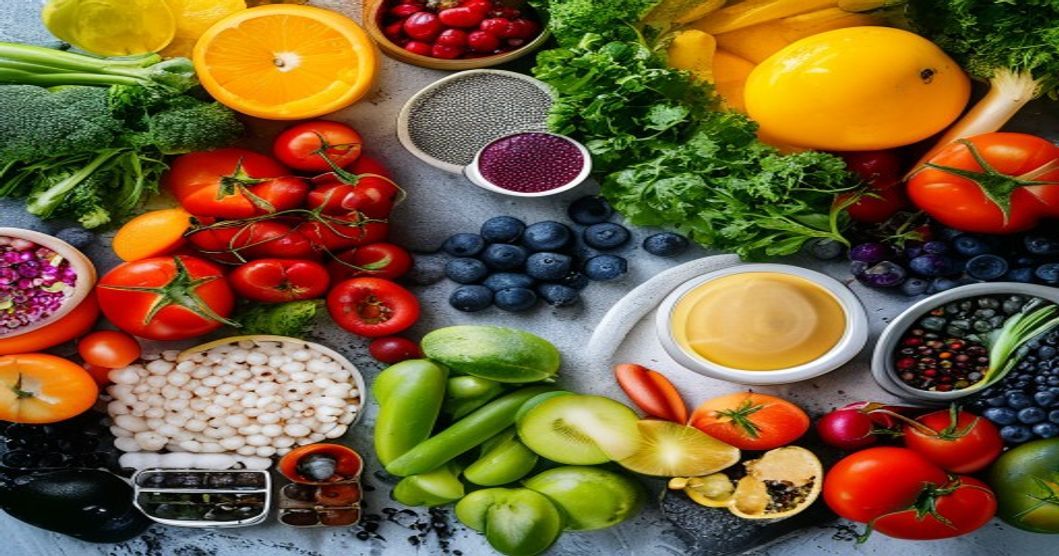
Table of Contents
- The Rise of Connected Kitchens
- Data‑Driven Meal Planning
- Real‑Time Nutrient Monitoring
- Behavioral Change Through Feedback Loops
- Integration with Nutrition Platforms
- Future Trends and Challenges
- Key Takeaways
- FAQ
- Conclusion
The Rise of Connected Kitchens
Smart kitchen devices are changing personalized nutrition by creating an ecosystem where appliances communicate with each other and with external health apps. Modern refrigerators now embed weight sensors, cameras, and temperature probes that capture granular data about food inventory, freshness, and even spoilage patterns.
According to a 2023 market analysis by Statista, 38% of households in North America owned at least one IoT‑enabled kitchen device, a figure projected to exceed 55% by 2027. This penetration provides a critical mass of data points that manufacturers and health platforms can leverage for individualized dietary insights.
Beyond inventory tracking, connected ovens and stovetops can adjust cooking parameters based on the nutritional profile of the dish. For example, a smart oven may lower the temperature for high‑fat foods to reduce the formation of advanced glycation end products (AGEs), aligning cooking methods with health recommendations without user intervention.
These capabilities set the stage for deeper personalization, moving the conversation from “what you eat” to “how you prepare it” in real time.
Data‑Driven Meal Planning
One of the most visible impacts of smart kitchen devices is the ability to generate meal plans that reflect both dietary goals and pantry reality. AI algorithms analyze the contents of a smart fridge, cross‑reference them with a user’s health profile, and suggest recipes that meet caloric, macronutrient, and micronutrient targets.
Dynamic Recipe Recommendations
Instead of static recipe databases, platforms now offer dynamic suggestions that adapt as food items are consumed or added.
- Ingredient availability is checked instantly, reducing food waste.
- Portion sizes are calibrated to match personalized energy needs.
- Allergen alerts are generated based on real‑time inventory data.
By integrating with grocery delivery services, these systems can automatically reorder depleted items, ensuring continuity of the personalized plan without manual shopping trips.
Real‑Time Nutrient Monitoring
Smart kitchen devices are changing personalized nutrition through continuous nutrient tracking. Sensors embedded in cookware can estimate the macronutrient composition of a dish as it cooks, while connected scales provide precise weight measurements for each ingredient.
Feedback at the Point of Cooking
This immediate feedback loop empowers users to make adjustments on the spot - adding spices instead of salt, swapping oil types, or altering cooking times to preserve micronutrients. The data is logged automatically, creating a comprehensive dietary record that can be shared with nutritionists or AI coaches.
- Real‑time dashboards display calorie, protein, and micronutrient estimates.
- Machine learning refines predictions as more cooking sessions are recorded.
- Integration with wearables allows correlation of nutrient intake with activity levels.
Behavioral Change Through Feedback Loops
Beyond data collection, smart kitchen devices influence behavior by delivering personalized nudges. When a refrigerator detects that a high‑sugar snack is being accessed repeatedly, it can suggest healthier alternatives displayed on its touchscreen interface.
This demonstrates that timely, relevant prompts can steer choices without overt restriction.
Gamification and Rewards
Many platforms incorporate gamified elements - earning points for meeting nutrient targets, unlocking new recipes, or achieving streaks of balanced meals. These incentives reinforce positive habits and make nutrition management engaging.
- Progress bars visualize daily nutrient goals.
- Social sharing options allow users to celebrate achievements.
- Rewards can be redeemed for discounts on health‑focused products.
By embedding these mechanisms directly into the kitchen environment, smart kitchen devices are changing personalized nutrition from a distant planning exercise to an everyday interactive experience.
Integration with Nutrition Platforms
AINUTRY’s AI‑powered education engine exemplifies how third‑party platforms can harness kitchen data to deliver tailored content. When a user’s smart fridge logs a surplus of leafy greens, the platform may push a micro‑learning module on the benefits of vitamin K and suggest a quick sauté recipe.
This symbiotic relationship elevates the value of both hardware and software. Devices provide raw data; platforms translate it into actionable knowledge, creating a feedback loop that continuously refines personalization.
APIs and Data Standards
Open APIs such as the Smart Kitchen Alliance (SKA) specification enable seamless data exchange between appliances and nutrition services. Standardized data formats ensure that information about food weight, expiration dates, and cooking parameters can be interpreted uniformly across ecosystems.
- Secure OAuth 2.0 authentication protects user privacy.
- Data residency options comply with regional regulations.
- Real‑time webhook notifications keep platforms updated instantly.
Through these integrations, smart kitchen devices are changing personalized nutrition by turning isolated gadgets into a coordinated health network.
Future Trends and Challenges
Looking ahead, the convergence of edge AI, advanced sensor arrays, and 5G connectivity promises even richer personalization. Imagine a countertop scanner that identifies nutrient density of whole foods at the barcode level, or a stove that auto‑adjusts heat based on the glycemic impact of the meal.
However, challenges remain. Data privacy concerns are paramount; users must retain control over who accesses their dietary data. Additionally, algorithmic bias can arise if training datasets lack diversity, potentially leading to recommendations that don’t align with cultural food practices.
Regulatory Landscape
In the EU, the forthcoming Nutrition Information Transparency Act (NITA) will require explicit consent for any device that processes personal health data. Manufacturers and platforms must design compliance into their architectures from day one.
Despite these hurdles, the trajectory is clear: smart kitchen devices are changing personalized nutrition by embedding intelligence directly into the heart of food preparation. Continued innovation, paired with responsible data stewardship, will determine how quickly this vision becomes universal.
Key Takeaways
- Smart kitchen devices create a continuous data stream that fuels hyper‑personalized meal planning.
- AI‑driven recommendations adapt to real‑time inventory, reducing food waste and improving nutrient alignment.
- Real‑time nutrient monitoring during cooking can cut sodium intake by up to 34% (2021 UC Berkeley study).
- Contextual nudges from connected appliances have been shown to lower sugary drink consumption by 18% (2023 Harvard study).
- Integration with platforms like AINUTRY transforms raw sensor data into customized educational content.
- Future advances will hinge on privacy‑first design and unbiased algorithm development.
FAQ
What types of smart kitchen devices contribute to personalized nutrition?
Devices include AI‑enabled refrigerators, inventory‑tracking pantry shelves, sensor‑equipped cookware, smart ovens, and connected scales. Each captures specific data - such as food freshness, weight, and cooking parameters - that feeds into nutrition algorithms.
Do I need a subscription to benefit from these technologies?
While many basic features are available out of the box, advanced personalization - like detailed nutrient analytics and integration with third‑party platforms - often requires a subscription to a nutrition service or app. Some manufacturers bundle limited premium access for free during the first year.
How is my personal health data protected?
Reputable devices use end‑to‑end encryption, OAuth 2.0 authentication, and comply with regulations such as GDPR and HIPAA where applicable. Users should review privacy policies and enable two‑factor authentication to enhance security.
Can smart kitchen devices accommodate special diets (e.g., vegan, keto)?
Yes. By inputting dietary preferences into the connected app, the AI tailors recipe suggestions, grocery lists, and cooking alerts to align with specific macronutrient ratios or ingredient restrictions, ensuring consistency with the chosen diet.
Will these technologies replace nutrition professionals?
No. Smart kitchen devices augment the work of dietitians and nutritionists by providing real‑time data and personalized suggestions. Professional guidance remains essential for interpreting complex health conditions and creating comprehensive care plans.
Conclusion
The integration of AI, IoT, and nutrition science is turning ordinary kitchens into personalized health hubs. As smart kitchen devices are changing personalized nutrition, they empower users to make data‑backed decisions at the moment of cooking, bridging the gap between intention and action.
For consumers, the benefit is clear: more accurate meal planning, reduced waste, and actionable feedback that supports long‑term dietary goals. For the industry, the challenge lies in safeguarding privacy, ensuring algorithmic fairness, and delivering seamless cross‑platform experiences.
Embracing this technology today positions individuals and businesses at the forefront of a nutrition revolution that promises smarter, healthier meals for everyone.
Leave a Reply