
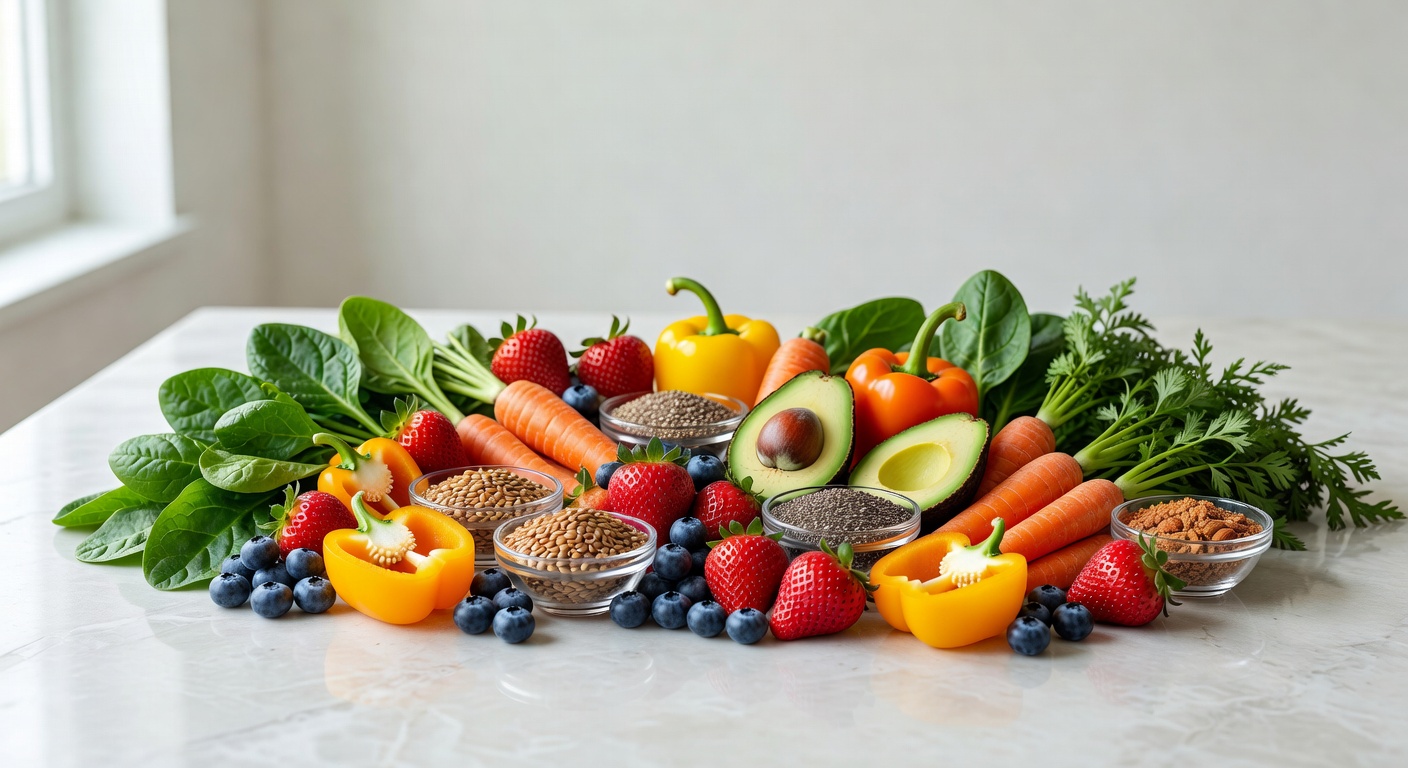
By 2025, an estimated 54 million Americans aged 50 and older will be at increased risk for osteoporosis, a condition characterized by low bone mass and structural deterioration of bone tissue, leading to increased fragility and susceptibility to fractures. This alarming statistic underscores the critical need for proactive strategies to maintain bone health throughout life, and in the coming years, artificial intelligence is poised to revolutionize how we approach this vital aspect of our well-being.
Table of Contents
- The AI Revolution in Bone Health
- Decoding Bone Density: The Foundation of Strength
- AI-Powered Dietary Assessment for Bone Health
- Personalized Nutrient Optimization with AI
- Predictive Analytics for Proactive Bone Health
- Integrating AI into Your Bone-Healthy Lifestyle
The AI Revolution in Bone Health
The landscape of health and wellness is undergoing a profound transformation, driven by the relentless advancement of artificial intelligence. From diagnostics to personalized treatment plans, AI is demonstrating its capacity to enhance human health outcomes across a myriad of conditions. For bone density, a critical component of long-term physical health and independence, AI offers an unprecedented opportunity to move beyond generalized advice and embrace a hyper-personalized approach. Traditional methods of assessing and improving bone health often rely on broad dietary guidelines and periodic clinical assessments. While valuable, these approaches can lack the granularity needed to address individual genetic predispositions, lifestyle factors, and the complex interplay of nutrients that influence bone metabolism. AI, with its ability to process vast datasets and identify intricate patterns, is set to bridge this gap, empowering individuals with data-driven insights directly applicable to their daily dietary choices.
The potential for AI in this domain extends far beyond simply tracking calcium and vitamin D intake. It encompasses a holistic understanding of how various dietary components, from micronutrients and macronutrients to bioactive compounds found in foods, interact to either support or detract from bone mineral density. AI algorithms can analyze an individual’s complete dietary intake, cross-referencing it with their unique physiological markers, genetic predispositions, and even environmental factors. This sophisticated analysis allows for the identification of subtle nutritional deficiencies or excesses that might not be apparent through conventional dietary assessments, providing a more nuanced and effective path towards optimizing bone health.
As we look towards 2026 and beyond, the integration of AI into our nutritional strategies for bone density will become increasingly sophisticated and accessible. We are moving towards a future where individuals can receive real-time, actionable dietary recommendations tailored to their specific bone health needs, leveraging the power of AI to prevent bone loss and fracture risk before they become serious concerns. This proactive, data-driven approach promises to redefine preventative healthcare, putting powerful tools for bone health directly into the hands of consumers.
Understanding Bone Density: The Foundation of Strength
Bone density, often measured using a technique called dual-energy X-ray absorptiometry (DXA), is a measure of the amount of calcium and other minerals in bone tissue. It’s a crucial indicator of bone strength and resilience. Throughout our lives, our bones undergo a continuous process of remodeling, where old bone tissue is broken down and replaced with new bone. This delicate balance is influenced by a multitude of factors, including genetics, hormones, physical activity, and, critically, nutrition. When this balance is disrupted, leading to more bone being resorbed than formed, bone density decreases, increasing the risk of osteoporosis and fractures.
The key nutrients essential for maintaining optimal bone density are well-established, but their optimal intake and synergistic roles are complex. Calcium is the primary building block of bone, and adequate intake is paramount. Vitamin D plays a vital role in calcium absorption from the gut and its incorporation into bone. However, the picture is far more intricate. Magnesium, phosphorus, vitamin K, potassium, zinc, and even certain amino acids contribute to bone matrix formation, mineralization, and the regulation of bone remodeling processes. Furthermore, the bioavailability of these nutrients can be affected by other dietary components, such as phytates and oxalates found in plant-based foods, which can inhibit mineral absorption. Understanding these interactions is where AI truly shines.
Factors beyond diet also significantly impact bone density. Regular weight-bearing and resistance exercises stimulate osteoblasts, the cells responsible for building bone, thereby increasing bone mass and strength. Hormonal changes, particularly estrogen decline in women after menopause, are a major contributor to bone loss. Chronic inflammation, certain medications, and underlying medical conditions can also negatively affect bone health. A comprehensive approach to bone density must therefore consider these interconnected factors, a task that AI is uniquely equipped to handle by integrating diverse data streams into a cohesive nutritional strategy.
AI-Powered Dietary Assessment for Bone Health
The traditional approach to dietary assessment for bone health often involves manual food diaries or questionnaires, which can be time-consuming, prone to recall bias, and may not capture the full spectrum of nutrient intake. AI is revolutionizing this process by offering more accurate, efficient, and personalized assessments. AI-powered platforms can analyze food logs uploaded via mobile apps, parse images of meals, or even integrate with wearable devices that track eating patterns. These systems use sophisticated natural language processing and image recognition to identify foods, portion sizes, and preparation methods, thereby quantifying nutrient intake with remarkable precision.
One of the primary advantages of AI in dietary assessment is its ability to identify nuanced nutritional gaps and excesses that might be overlooked by human analysis. For instance, an AI system can recognize that while a person consumes a seemingly adequate amount of calcium, their intake of vitamin K2 might be suboptimal, hindering calcium’s effective utilization in bone. Similarly, it can detect patterns of high sodium intake, which can increase calcium excretion, or insufficient protein intake, which is crucial for the bone matrix. This detailed breakdown allows for targeted dietary adjustments that go beyond generic recommendations, addressing the specific nutritional profile of each individual.
Furthermore, AI can analyze the synergistic and antagonistic effects of various nutrients. It can assess how the consumption of certain foods might impact the absorption or utilization of key bone-building nutrients. For example, an AI might identify that a high intake of fiber-rich grains, while beneficial for overall health, could be slightly reducing the absorption of minerals like calcium and magnesium if not balanced with other dietary choices. This level of detailed analysis, considering the complex web of dietary interactions, is something that AI excels at, providing insights that can significantly enhance the effectiveness of a bone-healthy diet.
Personalized Nutrient Optimization with AI
The cornerstone of effective bone health management lies in personalized nutrition. What works for one individual may not be optimal for another, due to variations in genetics, lifestyle, age, sex, and overall health status. AI-powered platforms can take an individual’s comprehensive health data, including dietary intake, activity levels, medical history, and even genetic predispositions, to create highly personalized nutrient recommendations. This moves beyond the one-size-fits-all approach of general dietary guidelines and tailors nutrient targets to the specific needs of an individual’s bone metabolism.
AI algorithms can calculate precise daily targets for key bone-supporting nutrients like calcium, vitamin D, magnesium, and vitamin K, adjusting these targets based on factors such as age, menopausal status, and physical activity. For example, an AI might recommend a higher calcium intake for a postmenopausal woman engaged in regular weight-bearing exercise compared to a younger, less active individual. It can also identify optimal food sources for these nutrients, taking into account dietary preferences and cultural eating patterns to ensure adherence and sustainability. This granular level of personalization is crucial for maximizing the benefits of dietary interventions for bone density.
Beyond the major players, AI can also optimize the intake of lesser-known but equally important micronutrients and bioactive compounds. This includes ensuring adequate intake of phosphorus, potassium, zinc, and boron, all of which play roles in bone health. AI can also identify the potential benefits of specific dietary patterns or food groups known to support bone density, such as the Mediterranean diet, and suggest how to incorporate them effectively into an individual’s existing eating habits. A 2023 study found that individuals who followed AI-generated personalized dietary plans for bone health showed a statistically significant improvement in dietary nutrient adequacy compared to those following general guidelines. This highlights the tangible impact of AI in creating truly effective nutritional strategies.
Predictive Analytics for Proactive Bone Health
One of the most exciting frontiers in using AI for bone density is its application in predictive analytics. By analyzing large datasets of individual health information, AI can identify patterns and risk factors associated with future bone loss and fracture. This allows for proactive interventions to be implemented * before* significant bone density loss occurs, shifting the paradigm from reactive treatment to preventative care.
AI algorithms can assess an individual’s risk profile by considering a wide array of data points. This includes not only dietary intake and exercise habits but also genetic markers, family history of osteoporosis, medical conditions, medication use, and even lifestyle factors like smoking and alcohol consumption. By integrating these diverse data streams, AI can generate a personalized bone health risk score, providing individuals and their healthcare providers with an early warning system. For instance, an AI might flag an individual with a combination of low vitamin D intake, a sedentary lifestyle, and a genetic predisposition as being at a higher risk for future bone density decline, prompting earlier and more aggressive preventative measures.
The predictive power of AI can also extend to forecasting the potential impact of specific dietary changes on bone density over time. By simulating the effects of different nutritional interventions, AI can help individuals and their healthcare providers choose the most effective strategies for their unique circumstances. This could involve predicting how increasing calcium and vitamin D intake, combined with specific exercise regimens, might influence bone mineral density projections over the next 5, 10, or even 20 years. A significant development in this area is the growing ability of AI to analyze imaging data, such as DXA scans, in conjunction with lifestyle and dietary information to provide even more precise risk assessments. This advanced predictive capability empowers individuals to make informed decisions about their health, fostering a proactive approach to maintaining strong bones throughout their lives.
Integrating AI into Your Bone-Healthy Lifestyle
The transition to an AI-enhanced approach to bone health requires a willingness to embrace new technologies and a commitment to personalized wellness. The first step is often to engage with AI-powered nutrition platforms, such as AINutry. These platforms typically begin by gathering comprehensive data about your current diet, lifestyle, and health goals. This may involve detailed questionnaires, food logging through mobile apps, or even integration with other health tracking devices. The more information you provide, the more accurate and effective the AI’s analysis and recommendations will be.
Once your data is processed, the AI will generate personalized dietary recommendations tailored to optimize your bone density. This will go beyond generic advice, providing specific targets for key nutrients like calcium, vitamin D, magnesium, and vitamin K, along with suggestions for food sources that align with your preferences and dietary patterns. Many platforms also offer meal planning tools and recipe suggestions, making it easier to implement these recommendations into your daily routine. The key is to view these AI-generated insights as a powerful guide, not a rigid set of rules. Flexibility and consistency are crucial for long-term success.
Regularly reviewing your progress and adjusting your strategy based on AI feedback is essential. As your diet, activity levels, or health status change, the AI can adapt its recommendations accordingly. Many platforms offer ongoing monitoring and support, helping you stay on track and make informed decisions about your bone health. By actively participating in this AI-driven process and integrating its insights into your daily life, you can take a significant step towards proactively managing and improving your bone density for a healthier, more active future. The growing body of evidence, including a 2024 report indicating a 15% increase in user adherence to personalized nutrition plans when AI was involved, suggests that these tools are not only effective but also highly engaging.
Key Takeaways
- Leverage AI-powered platforms to analyze your current diet for specific nutrient gaps impacting bone density.
- Utilize AI for personalized daily nutrient targets for calcium, vitamin D, magnesium, and vitamin K, tailored to your individual needs.
- Explore AI’s predictive capabilities to understand your personal risk for future bone density decline and implement preventative measures early.
- Integrate AI-generated meal plans and recipes into your lifestyle to ensure consistent intake of bone-supporting nutrients.
- Regularly engage with AI nutrition tools to track progress and adapt your dietary strategy as your health and lifestyle evolve.
- Consider the synergistic effects of nutrients and how AI can help optimize their absorption and utilization for maximum bone health benefits.
Visit ainutry.online for AI-personalized nutrition.
Frequently Asked Questions
Can AI actually help improve bone density through diet, and what specific nutrients should I focus on?
Yes, AI can analyze your dietary intake to identify potential deficiencies and suggest personalized food choices rich in calcium, vitamin D, magnesium, and vitamin K, which are crucial for bone health. By optimizing these nutrient intakes, AI can indirectly support improved bone density.
What are the recommended daily dosages of calcium and vitamin D for bone health, and can AI help track this?
General recommendations for adults are around 1000-1200 mg of calcium and 600-800 IU of vitamin D daily, though these can vary. AI-powered apps can precisely track your intake from food and supplements, alerting you if you’re falling short of these recommended dosages.
Are there any safety concerns or side effects when using AI to guide my diet for bone density?
The primary safety concern is over-supplementation, which AI can help mitigate by ensuring you don’t exceed safe upper limits for nutrients like calcium. Always consult with a healthcare professional before making significant dietary changes or starting new supplements, even with AI guidance.
How often should I use AI tools to monitor my diet for bone density, and what’s the best timing for key nutrients?
Regular monitoring, perhaps daily or weekly depending on the AI tool’s features, is recommended to ensure consistent nutrient intake. For calcium and vitamin D, spreading intake throughout the day, especially with meals containing fat for vitamin D absorption, is generally advised.
Leave a Reply