
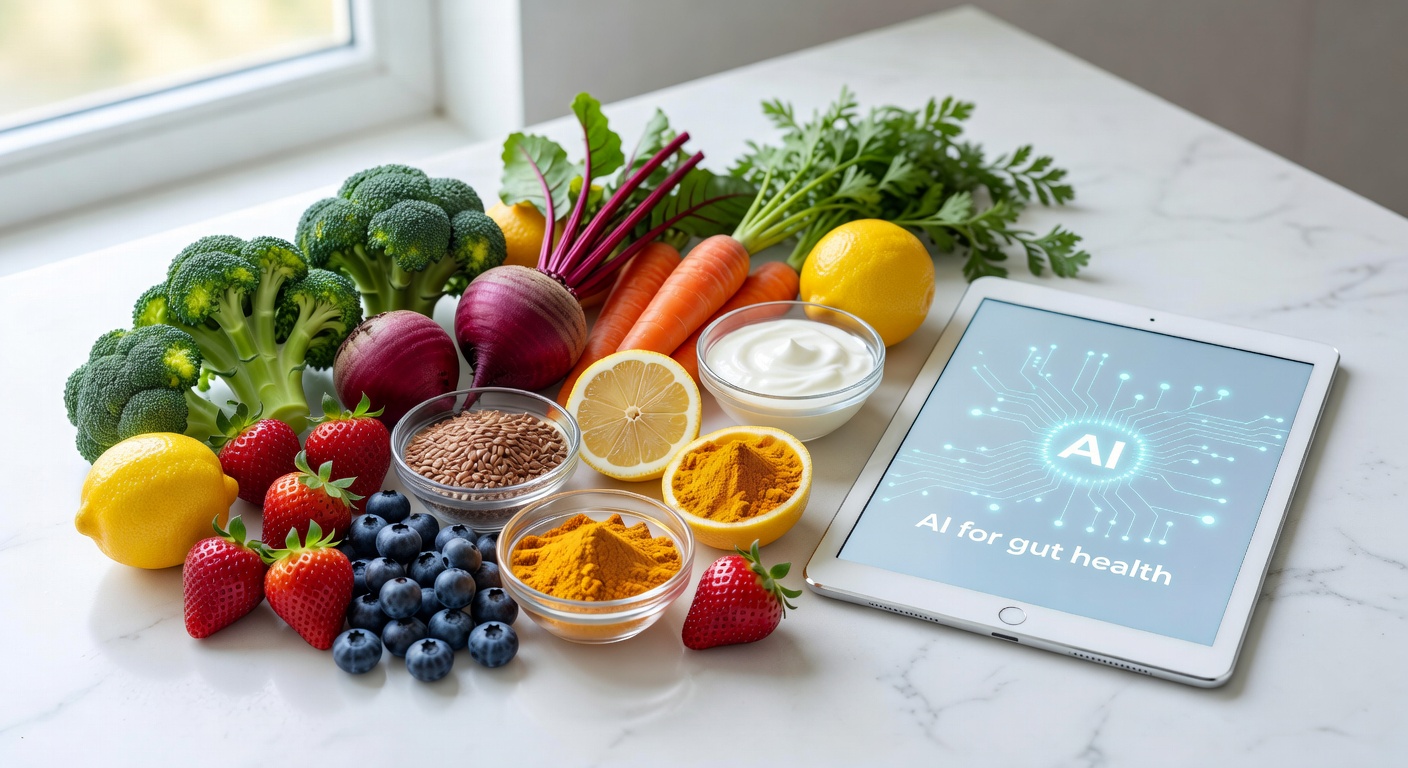
The human gut, often called our “second brain,” plays an indispensable role in overall health, influencing everything from immunity and mood to metabolism and chronic disease risk. Yet, despite its critical importance, navigating the complexities of gut health has traditionally been a journey fraught with generic advice, trial-and-error, and often, frustration. For millions, the path to a healthier gut remains elusive. A 2020 report from the National Institute of Diabetes and Digestive and Kidney Diseases (NIDDK) estimated that 60 to 70 million Americans are affected by digestive diseases, highlighting a pervasive health challenge that demands more personalized and effective solutions. Enter Artificial Intelligence (AI), a transformative technology poised to revolutionize how we understand, manage, and optimize our gut health. By 2026, AI won’t just be a futuristic concept; it will be an integral, accessible tool for crafting highly individualized dietary and lifestyle strategies, moving us from guesswork to precision nutrition.
Table of Contents
- The Gut-Health Revolution: Why AI is Essential Now
- Unlocking Your Microbiome: AI for Deep Gut Insights
- Crafting Your Gut-Healthy Diet: AI-Powered Personalization
- Beyond Food: AI’s Role in Lifestyle & Supplement Optimization
- Choosing and Maximizing Your AI Nutrition Platform
- The Road Ahead: Gut Health with AI in 2026 and Beyond
The Gut-Health Revolution: Why AI is Essential Now
The past decade has seen an explosion of research illuminating the profound connection between our gut microbiome and nearly every facet of our well-being. From its role in synthesizing vitamins and regulating metabolism to its influence on immune responses and even neurological functions via the gut-brain axis, a healthy gut is foundational to a healthy life. However, translating this scientific understanding into actionable, individual strategies has been a significant hurdle. Traditional dietary advice often falls short because it’s largely generalized, failing to account for the unique genetic makeup, lifestyle, existing health conditions, and most importantly, the highly individualized microbiome composition of each person. This one-size-fits-all approach leads to suboptimal outcomes for many.
The limitations of conventional methods become glaringly apparent when addressing complex and often elusive gut issues like Irritable Bowel Syndrome (IBS), Crohn’s disease, or even general digestive discomfort. Patients often endure lengthy diagnostic processes and trial numerous dietary restrictions, only to find limited relief. This laborious and often frustrating journey underscores the urgent need for a more precise, data-driven approach. The sheer volume of variables involved - thousands of bacterial species, countless dietary compounds, and intricate host-microbe interactions - makes it impossible for human practitioners alone to process and synthesize all relevant information effectively for each individual.
This is precisely where Artificial Intelligence steps in as a game-changer. AI’s unparalleled ability to process, analyze, and interpret vast, complex datasets at speeds and scales far beyond human capability offers a powerful solution to these challenges. By leveraging machine learning algorithms, AI can identify intricate patterns and correlations within an individual’s unique biological data, including genetic predispositions, microbiome profiles, dietary habits, and lifestyle factors. This allows for the generation of highly personalized insights and recommendations that are dynamically tailored to an individual’s specific needs, moving beyond generic advice to truly precision nutrition. The global AI in healthcare market, valued at approximately $15.1 billion in 2023, is projected to expand significantly, with analysts forecasting a compound annual growth rate (CAGR) of over 36% through 2030, underscoring the rapid integration and growing trust in AI’s potential to transform health outcomes.
Unlocking Your Microbiome: AI for Deep Gut Insights
Understanding your gut health begins with understanding your microbiome - the trillions of microorganisms residing within your digestive tract. Traditional methods of assessing microbiome health, such as basic stool tests, often provide limited, static snapshots. AI, however, takes this analysis to an entirely new level, functioning as a sophisticated data interpreter that can sift through layers of biological information to reveal actionable insights. It synthesizes data from various sources, including advanced genomic sequencing of your gut bacteria, metabolomic profiles (the unique chemical fingerprints left by microbial activity), detailed dietary logs, and even lifestyle questionnaires, creating a holistic picture of your internal ecosystem.
What AI can reveal is far more profound than just a list of bacteria. It can identify patterns of microbial diversity, pinpoint specific strains that are either thriving or deficient, and detect signs of dysbiosis - an imbalance in the gut flora often linked to various health issues. Furthermore, AI can predict how certain foods or lifestyle changes might impact your unique microbial composition and metabolic pathways. For example, it can highlight if you lack specific enzymes to break down certain carbohydrates, or if your microbiome is particularly adept at producing beneficial short-chain fatty acids from specific fibers. This level of detail transforms raw data into a narrative about your gut’s strengths, weaknesses, and potential vulnerabilities, allowing for targeted interventions rather than broad guesses.
The Data AI Feeds On
- Genomic Data: Analysis of the DNA of microorganisms in your gut to identify species, strains, and their potential functions.
- Metabolomic Profiles: Examination of metabolites produced by gut microbes, indicating their activity and impact on host health.
- Dietary Records: Detailed logs of food intake, providing context for microbial changes and dietary impacts.
- Lifestyle Information: Data on sleep patterns, stress levels, exercise routines, and medication use, all of which influence gut health.
- Clinical Markers: Integration of blood test results, inflammatory markers, and other health indicators for a comprehensive view.
From Data to Digestible Insights
The real power of AI lies not just in collecting data, but in its ability to translate this complex information into understandable, actionable insights. Instead of presenting you with a confusing array of scientific terms and percentages, AI-powered platforms can generate personalized reports that explain what your microbiome profile means for your health. For instance, it might identify a deficiency in specific butyrate-producing bacteria and then recommend particular dietary fibers known to nourish those strains. This transformation from raw biological data to clear, practical recommendations empowers individuals to make informed decisions about their diet and lifestyle, fostering a proactive approach to gut health management that was previously unattainable.
Crafting Your Gut-Healthy Diet: AI-Powered Personalization
Once AI has provided deep insights into your gut microbiome, the next crucial step is translating that knowledge into a personalized dietary strategy. This is where AI truly shines, moving beyond generic “eat more fiber” advice to construct dynamic, individualized meal plans tailored precisely to your unique biology and health goals. Traditional dietary approaches often fail because they don’t account for the intricate interplay of individual factors such as genetics, existing health conditions, food sensitivities, allergies, and personal preferences. AI, however, excels at synthesizing these myriad data points to create a diet that is not only effective but also sustainable and enjoyable.
AI-powered platforms consider a vast array of factors when designing your gut-healthy diet. This includes your specific microbiome composition (e.g., identifying which beneficial bacteria need nurturing or which problematic ones need to be suppressed), your genetic predispositions (e.g., how you metabolize certain nutrients), any diagnosed food intolerances or allergies, and your personal dietary preferences (e.g., vegetarian, gluten-free, low-FODMAP). It can also factor in your activity level, weight management goals, and any concurrent health conditions like diabetes or cardiovascular disease. The result is a highly granular dietary plan that is optimized for your gut health while aligning with your broader nutritional and lifestyle needs.
Beyond Generic Meal Plans
Imagine a meal plan that doesn’t just list ingredients but explains *why* those ingredients are beneficial for *your* gut. AI can recommend specific types of prebiotics (e.g., resistant starch from green bananas, inulin from chicory root) to feed particular beneficial bacteria identified in your microbiome. It can suggest targeted probiotic strains based on their evidence-backed efficacy for your specific symptoms, or recommend anti-inflammatory foods to soothe an irritated gut lining. Furthermore, AI can identify potential dietary triggers that might be contributing to your digestive discomfort, suggesting alternatives and helping you systematically reintroduce foods to pinpoint sensitivities. This level of precision eliminates much of the guesswork and frustration associated with traditional elimination diets.
Real-time Adaptability
One of the most powerful features of AI in dietary personalization is its ability to adapt in real-time. As you log your food intake, symptoms, and even mood, the AI platform continuously learns and refines its recommendations. If a particular food causes digestive distress, the AI can flag it and suggest alternatives. If your microbiome profile changes over time (perhaps after a course of antibiotics), the AI can adjust your dietary plan to help restore balance. This dynamic feedback loop ensures that your gut-healthy diet remains effective and relevant, evolving with your body’s changing needs and responses. By 2026, such adaptive dietary coaching will be the norm, providing unparalleled support for ongoing gut health management.
Beyond Food: AI’s Role in Lifestyle & Supplement Optimization
While diet is a cornerstone of gut health, it’s far from the only factor. Stress, sleep quality, physical activity, and even environmental exposures profoundly impact the delicate balance of our gut microbiome and overall digestive function. Traditional gut health advice often touches upon these elements, but AI offers a way to integrate and optimize them with the same precision applied to diet. By analyzing data from wearables, self-reported metrics, and even environmental sensors, AI platforms can identify correlations between your lifestyle habits and your gut health outcomes, offering holistic recommendations that extend beyond the plate.
Consider the impact of stress. Chronic stress is known to alter gut motility, permeability, and microbial composition. An AI platform, by monitoring heart rate variability from a wearable or analyzing mood logs, could detect patterns of elevated stress and then recommend specific, personalized stress-reduction techniques. This might include guided meditation protocols, mindfulness exercises, or even specific forms of yoga tailored to your preferences and schedule. Similarly, AI can analyze sleep data to identify deficiencies and suggest improvements in sleep hygiene, recognizing that a 2023 review published in the journal ‘Gut Microbes’ highlighted a growing body of evidence demonstrating the bidirectional relationship between sleep quality and gut microbiome diversity, suggesting that inadequate sleep can lead to dysbiosis and vice-versa.
Optimizing Physical Activity
Exercise plays a vital role in gut health by improving gut motility, reducing inflammation, and potentially increasing microbial diversity. However, not all exercise is created equal for everyone. An AI-powered system can recommend specific types and intensities of physical activity based on your current fitness level, health conditions, and even your microbiome profile. For instance, if your gut health goals include reducing systemic inflammation, the AI might suggest moderate-intensity aerobic exercise combined with restorative practices like Pilates. If you’re struggling with constipation, it might prioritize core-strengthening exercises and specific stretches to stimulate gut movement. This targeted approach ensures that your physical activity regimen is not just generic, but specifically designed to support your digestive well-being.
Intelligent Supplementation Guidance
The supplement market is a bewildering landscape, often leading to confusion and unnecessary expenditure. AI can bring much-needed clarity to this area by recommending supplements that are genuinely beneficial for your unique needs, based on a comprehensive analysis of your gut microbiome, dietary intake, lifestyle factors, and any identified nutritional deficiencies. Instead of blindly taking a generic probiotic, AI could suggest specific strains (e.g., Lactobacillus reuteri for oral health, Bifidobacterium longum for stress reduction) and dosages tailored to your microbiome profile and symptoms. It can also advise on prebiotics, digestive enzymes, vitamins, and minerals, ensuring that you’re only taking what you truly need, preventing both waste and potential adverse interactions. By 2026, AI will be a critical filter, helping consumers navigate the supplement aisle with confidence and scientific backing.
Choosing and Maximizing Your AI Nutrition Platform
As the landscape of AI-powered nutrition platforms rapidly expands, choosing the right one becomes paramount for a successful gut health journey. Not all platforms are created equal, and discerning users should prioritize several key features to ensure they are investing in a tool that is scientifically sound, secure, and user-friendly. The effectiveness of your AI-driven gut health strategy hinges significantly on the quality and comprehensiveness of the platform you choose, as well as your commitment to engaging with it effectively.
Key Features to Prioritize
When evaluating AI nutrition platforms, look for those that offer a robust integration of various data sources, including microbiome analysis, genetic insights, and detailed dietary and lifestyle tracking. A strong platform will also feature evidence-based recommendations, meaning its algorithms are built upon a foundation of peer-reviewed scientific research. Data security and privacy protocols are non-negotiable; ensure the platform transparently outlines how your sensitive health data is protected. A user-friendly interface, intuitive logging capabilities, and clear, actionable reports are also crucial for sustained engagement. Finally, consider platforms that offer a feedback loop, allowing you to report symptoms and progress, which enables the AI to continuously refine its recommendations. Look for platforms that clearly articulate their scientific backing and methodology, avoiding those that make unsubstantiated claims.
- Comprehensive Data Integration: Ability to synthesize microbiome, genetic, dietary, and lifestyle data.
- Evidence-Based Algorithms: Recommendations rooted in peer-reviewed scientific research.
- Robust Data Security & Privacy: Transparent policies on how your health data is protected.
- Intuitive User Interface: Easy-to-use logging, clear reports, and actionable insights.
- Dynamic Feedback Loop: System that learns and adapts based on your input and progress.
- Accessibility and Support: Availability of human experts for guidance and interpretation.
Best Practices for Engagement
Simply signing up for an AI platform isn’t enough; maximizing its benefits requires active and consistent engagement. Begin by providing as much accurate initial data as possible, including detailed medical history, dietary preferences, and current health goals. Consistency in logging your food intake, symptoms, sleep patterns, and exercise is critical, as this data fuels the AI’s learning process and enables it to generate increasingly precise recommendations. Treat the platform as a dynamic guide, not a static prescription. Pay attention to the explanations behind the recommendations and try to understand the rationale. If something doesn’t feel right or isn’t sustainable, provide that feedback to the system. Many advanced platforms also offer access to human nutritionists or health coaches who can help interpret complex AI insights and provide personalized support, bridging the gap between cutting-edge technology and human empathy. Engaging with these experts can significantly enhance your understanding and adherence to the AI-generated plan.
It’s also important to approach AI recommendations with a critical yet open mind. While AI offers unparalleled personalization, it’s a tool, not a replacement for medical advice. If you have underlying health conditions or severe symptoms, always consult with a healthcare professional. The AI platform should complement, not supersede, your doctor’s guidance. Regularly review your progress, celebrate small victories, and be patient; optimizing gut health is a journey that often requires consistent effort and time. By actively participating and providing feedback, you empower the AI to become an increasingly effective and invaluable partner in your pursuit of optimal gut health.
The Road Ahead: Gut Health with AI in 2026 and Beyond
The integration of AI into gut health management is still in its nascent stages, but the trajectory of innovation points towards a future where personalized digestive wellness is not just a possibility, but a standard. By 2026, we can expect to see even more sophisticated AI models, capable of processing an even wider array of biological and environmental data, leading to unprecedented levels of precision and predictive power. The advancements will transcend simple dietary recommendations, moving towards a truly holistic and preventative approach to gut health.
One of the most exciting developments on the horizon is the integration of continuous, real-time monitoring. Imagine AI platforms seamlessly integrating data from smart toilets that analyze stool composition, wearable devices that track biomarkers like gut motility and inflammation, and even smart home devices that monitor environmental factors impacting health. This continuous stream of data will allow AI to offer predictive insights, identifying potential gut issues before symptoms even manifest, and adjusting dietary and lifestyle recommendations proactively. For instance, if certain microbial shifts are detected, the AI could suggest specific foods or supplements to rebalance the gut before discomfort sets in, essentially offering a “digital guardian” for your digestive system.
Emerging Technologies and Predictive Power
- Advanced Sensor Integration: Real-time data from smart toilets, wearables, and environmental sensors for continuous gut health monitoring.
- Predictive Analytics: AI models capable of forecasting gut health issues and recommending preventative interventions before symptom onset.
- Multi-Omics Fusion: Deeper integration of genomics, metabolomics, proteomics, and epigenomics for a more complete biological picture.
- Personalized Probiotic/Prebiotic Development: AI guiding the creation of highly individualized microbial supplements.
- Hyper-Personalized Food Systems: AI-driven smart kitchens suggesting recipes based on real-time gut needs and available ingredients.
Beyond predictive analytics, the future will likely see AI playing a pivotal role in the development of hyper-personalized interventions. This could include AI-guided formulations of custom probiotics or prebiotics designed specifically for an individual’s unique microbiome signature. The technology might even extend to personalized food delivery services, where meals are prepared based on real-time AI recommendations, ensuring optimal gut support with every bite. The vision is a future where managing gut health is intuitive, effortless, and deeply integrated into our daily lives, moving us from reactive treatment to proactive, personalized wellness. However, as AI becomes more pervasive, crucial ethical considerations around data privacy, equitable access, and potential biases in algorithms will need to be rigorously addressed to ensure these powerful tools benefit everyone responsibly and fairly.
Key Takeaways
- AI revolutionizes gut health by moving beyond generic advice to deliver highly personalized insights and recommendations.
- It processes complex biological data, including microbiome genomics and metabolomics, to uncover deep, actionable gut health patterns.
- AI crafts dynamic, individualized dietary plans that consider your unique genetics, preferences, and health conditions for optimal gut support.
- Beyond food, AI optimizes lifestyle factors like sleep, stress, and exercise, and provides intelligent guidance on targeted supplementation.
- Choosing a scientifically robust, secure, and user-friendly AI nutrition platform is crucial, as is consistent engagement for maximal benefit.
- By 2026 and beyond, AI will offer predictive gut health insights and continuous monitoring, ushering in an era of truly preventative and personalized digestive wellness.
CTA: Ready to unlock your gut’s full potential with personalized AI insights? Visit ainutry.online for AI-personalized nutrition.
Frequently Asked Questions
Are there risks to using AI for personalized gut health dietary advice?
While AI offers powerful personalization, potential risks include data privacy concerns and the possibility of inaccurate recommendations if not validated by a healthcare professional. Always prioritize tools that emphasize data security and recommend consulting medical experts for significant dietary changes.
What types of AI tools are best for tracking and improving gut health through diet?
Effective AI tools often include smart food journaling apps that analyze nutrient intake, microbiome analysis platforms that interpret test results, and AI-powered meal planners that generate personalized recipes. Look for platforms that integrate multiple data sources for comprehensive insights.
Who should consider using AI-driven tools to optimize their gut health diet?
Individuals seeking highly personalized dietary insights, those with chronic gut issues looking for data-driven solutions, or anyone aiming to proactively manage their digestive wellness can benefit. These tools are especially useful for understanding complex interactions between diet and the microbiome.
How does AI personalize gut health dietary recommendations based on individual data?
AI algorithms analyze vast datasets, including your microbiome test results, dietary logs, lifestyle habits, and even genetic information. By identifying unique patterns and correlations, AI can generate highly specific and actionable dietary suggestions tailored to your individual gut health profile.
Leave a Reply