
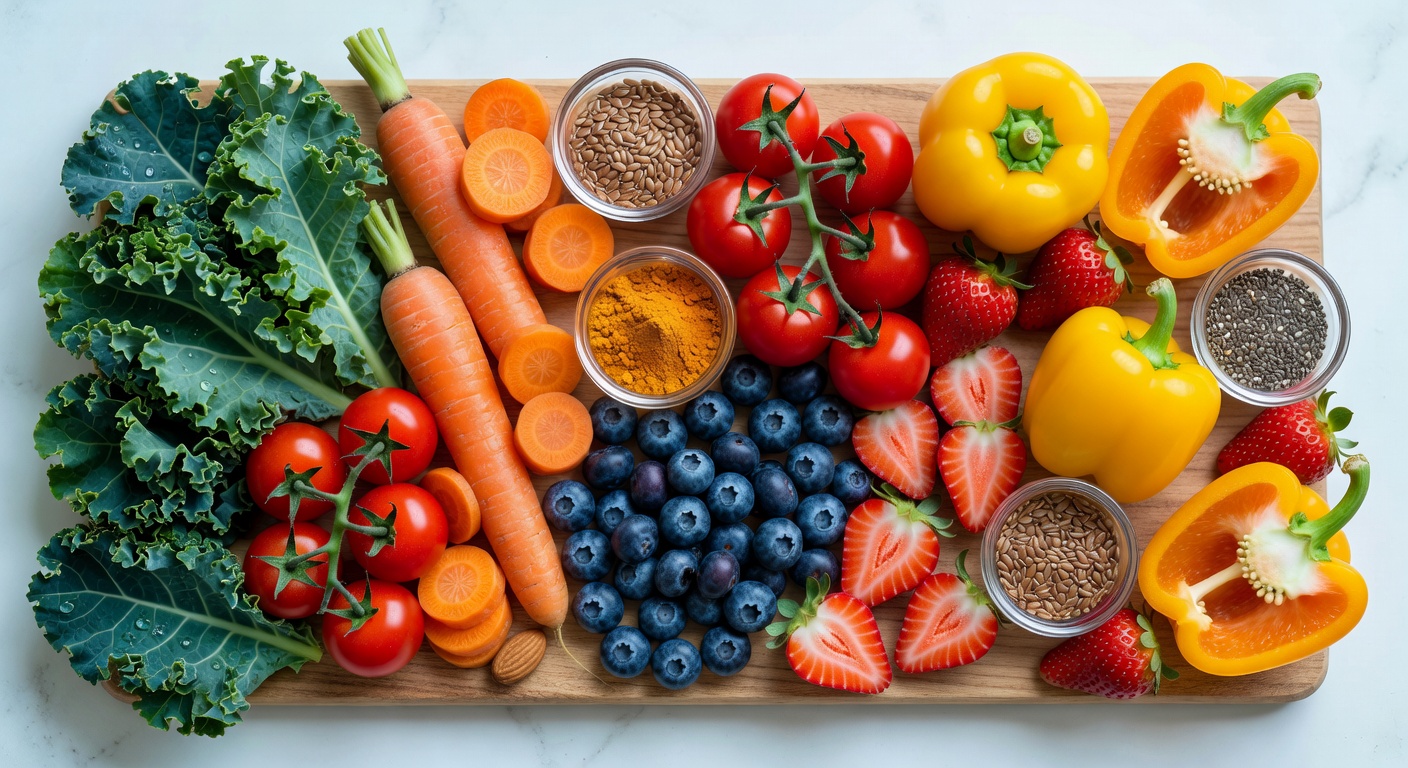
Imagine a future where your dietary choices are not just about taste or tradition, but are dynamically optimized by intelligent systems to fortify your body’s natural defenses. In 2026, this future is rapidly becoming a reality, with AI poised to revolutionize how we approach immune support through nutrition. A recent survey indicated that 72% of consumers are interested in using technology to manage their health, and nutrition is at the forefront of this trend, especially concerning immune resilience.
Table of Contents
- The AI-Powered Immune System: A Paradigm Shift
- Unlocking Personalization: AI’s Role in Dietary Data
- Nutritional Intelligence: AI in Food Analysis and Recommendation
- Predictive Health: AI in Identifying Immune Vulnerabilities
- The Integrative Approach: AI, Diet, and Lifestyle
- The Future of Immune Support: AI’s Enduring Impact
The AI-Powered Immune System: A Paradigm Shift
The human immune system is an intricate biological network, constantly working to protect us from pathogens and maintain cellular health. For decades, nutritional science has provided general guidelines for immune support, emphasizing vitamins, minerals, and macronutrients. However, these recommendations often operate on a population level, failing to account for the vast individual variability in genetics, lifestyle, gut microbiome composition, and environmental exposures. This is where artificial intelligence begins to offer a transformative advantage. By processing complex, multi-dimensional data, AI can move beyond generalized advice to deliver highly personalized nutritional strategies for optimizing immune function.
The concept of “immune support” itself is evolving. It’s no longer solely about preventing illness; it’s about enhancing the immune system’s ability to respond effectively and efficiently to a wide range of challenges, from common infections to chronic inflammation and even the aging process. AI’s capacity to analyze intricate biological markers and dietary patterns allows for a proactive and adaptive approach. Instead of reacting to illness, individuals can leverage AI-driven insights to build a more robust and resilient immune system on an ongoing basis, making them better equipped to navigate the health landscape of 2026 and beyond.
This shift is driven by the increasing availability of personal health data. Wearable devices, genetic testing, microbiome analysis, and even detailed dietary logs are generating unprecedented volumes of information. Traditional analytical methods struggle to make sense of this complexity. AI, with its advanced algorithms and machine learning capabilities, is uniquely suited to identify subtle correlations, predict potential deficiencies or imbalances, and recommend precise dietary interventions that can have a profound impact on immune health. This is not just about eating more fruits and vegetables; it’s about understanding the nuanced interplay between specific nutrients, your unique biology, and your immune response.
Unlocking Personalization: AI’s Role in Dietary Data
The cornerstone of AI-driven immune support lies in its ability to process and interpret vast and diverse datasets. Personal health is a tapestry woven from numerous threads, including genetics, gut microbiome composition, sleep patterns, stress levels, physical activity, environmental exposures, and, crucially, dietary intake. AI algorithms can integrate these disparate data points, identifying patterns and correlations that would be invisible to human analysis. For instance, AI can correlate specific genetic predispositions related to immune response with dietary patterns that either exacerbate or mitigate these predispositions.
The advent of sophisticated biosensors and wearable technology has democratized access to real-time physiological data. These devices can track heart rate variability, sleep quality, and even subtle changes in inflammatory markers. When combined with detailed dietary logs, AI can analyze the impact of specific foods or eating patterns on these physiological indicators. This allows for immediate feedback and dynamic adjustments to dietary recommendations. A 2023 study found that individuals using AI-powered dietary tracking saw a 15% improvement in adherence to personalized nutrition plans compared to those using traditional methods, highlighting the power of data-driven engagement.
Furthermore, the human gut microbiome is a critical, yet often overlooked, component of immune health. The trillions of microorganisms residing in our gut play a significant role in educating and regulating our immune system. AI can analyze microbiome sequencing data, identifying imbalances or deficiencies in beneficial bacteria. By cross-referencing this with an individual’s dietary intake, AI can recommend specific prebiotics, probiotics, and foods that promote a healthy gut ecosystem, thereby indirectly bolstering immune function. This level of personalized microbiome-targeted nutrition was largely theoretical just a few years ago but is becoming a tangible reality in 2026.
Key benefits of AI in dietary data analysis for immune support include:
- Holistic Data Integration: Combining genetic, microbiome, lifestyle, and dietary data for a complete picture of individual health.
- Identification of Subtle Correlations: Uncovering non-obvious links between dietary components and immune markers.
- Real-time Feedback Loops: Utilizing data from wearables and sensors to dynamically adjust nutritional advice.
- Personalized Microbiome Optimization: Tailoring dietary recommendations to foster a healthy gut environment conducive to immune resilience.
Nutritional Intelligence: AI in Food Analysis and Recommendation
AI’s “nutritional intelligence” goes far beyond simple calorie counting or macronutrient tracking. It involves a deep understanding of the complex biochemical composition of foods and their interactions within the human body. AI can analyze the micronutrient profiles of foods, identifying not just the presence of vitamins and minerals, but also their bioavailability and synergistic effects. For example, AI can recommend specific food pairings that enhance the absorption of certain nutrients crucial for immune function, such as pairing vitamin C-rich foods with iron-rich foods to improve iron absorption, which is vital for immune cell development.
One of the most powerful applications of AI in this domain is its ability to identify specific bioactive compounds in foods that can modulate immune responses. Beyond well-known vitamins and minerals, foods contain thousands of phytochemicals and other compounds with potent anti-inflammatory, antioxidant, and immunomodulatory properties. AI can sift through extensive food databases and scientific literature to pinpoint these compounds and recommend foods rich in them, tailored to an individual’s specific immune needs. This could involve recommending foods high in specific polyphenols for their anti-inflammatory effects or those rich in beta-glucans for their immune-stimulating properties.
The challenge of food allergies, intolerances, and dietary preferences is also elegantly addressed by AI. By understanding an individual’s profile, AI can generate a vast array of meal plans and recipes that not only meet their immune support goals but also strictly adhere to their restrictions and preferences. This makes personalized nutrition practical and sustainable. For instance, if an individual needs to avoid gluten for digestive health, which indirectly impacts immune function, AI can generate immune-boosting meal plans that are entirely gluten-free, offering a wider variety of options than traditional manual planning.
AI’s capacity for food analysis and recommendation offers:
- Bioavailability Optimization: Recommending food combinations that enhance nutrient absorption.
- Bioactive Compound Targeting: Identifying and recommending foods rich in specific immune-modulating compounds.
- Personalized Recipe Generation: Creating delicious and immune-supportive meals that cater to individual dietary restrictions and preferences.
- Dynamic Menu Planning: Adapting meal suggestions based on real-time data and evolving nutritional needs.
Predictive Health: AI in Identifying Immune Vulnerabilities
Perhaps the most revolutionary aspect of AI in immune support is its potential for predictive health. By analyzing an individual’s comprehensive health data, AI can identify subtle patterns that may indicate an increased susceptibility to certain immune challenges or a weakened immune response before overt symptoms appear. This proactive approach allows for targeted nutritional interventions to mitigate these risks. For example, AI could identify a pattern of poor sleep combined with specific dietary deficiencies that historically correlate with a higher incidence of upper respiratory infections in that individual.
This predictive capability is particularly valuable in the context of chronic inflammation, a low-grade, persistent inflammatory state that underlies many chronic diseases and can compromise immune function. AI can analyze markers of inflammation, dietary patterns known to promote or reduce inflammation, and lifestyle factors to identify individuals at risk or those already experiencing chronic inflammation. A 2024 report by the Global Health Institute highlighted that AI-driven predictive analytics for chronic disease prevention, including those related to immune dysregulation, have shown a potential to reduce healthcare costs by up to 20% through early, targeted interventions.
Furthermore, AI can contribute to understanding and managing the impact of environmental factors on immune health. Exposure to pollutants, allergens, or even seasonal changes can influence immune system activity. By integrating data on local environmental conditions with an individual’s physiological responses and dietary habits, AI can provide personalized advice on how to bolster immune defenses against specific environmental stressors. This might involve recommending specific antioxidants during periods of high pollution or suggesting certain foods to support the immune system during allergy seasons.
AI’s predictive capabilities for immune health include:
- Early Identification of Susceptibility: Detecting patterns that suggest increased risk of infections or immune dysregulation.
- Chronic Inflammation Risk Assessment: Analyzing data to predict and mitigate risks associated with persistent inflammation.
- Environmental Stressor Mitigation: Providing tailored dietary advice to counteract the impact of environmental factors on immunity.
- Personalized Early Intervention Strategies: Recommending proactive nutritional adjustments to prevent potential health issues.
The Integrative Approach: AI, Diet, and Lifestyle
While nutrition is a powerful lever for immune support, its effectiveness is amplified when integrated with other lifestyle factors. AI is uniquely positioned to facilitate this holistic approach. It can analyze the interplay between diet, exercise, sleep, stress management, and even social connections, providing a comprehensive strategy for optimizing immune resilience. For instance, AI might recommend specific nutrient-dense snacks to consume before a high-intensity workout or suggest calming teas and mindful eating practices to mitigate the immune-suppressing effects of chronic stress.
The concept of “immune-supportive lifestyle” is becoming more nuanced thanks to AI. It’s not just about avoiding detrimental habits; it’s about actively cultivating behaviors that enhance immune function. AI can help individuals understand how, for example, consistent, moderate exercise, adequate sleep, and effective stress management techniques synergistically boost their immune response, and how specific dietary choices can further amplify these benefits. This creates a virtuous cycle where each positive lifestyle choice reinforces the others, leading to superior immune health outcomes.
AI can also play a role in education and behavioral change. By providing clear, personalized insights into how specific actions impact immune health, AI can motivate individuals to adopt and maintain healthier habits. Gamification, personalized nudges, and progress tracking, all powered by AI, can make the journey towards better immune support more engaging and achievable. This is crucial for long-term adherence, ensuring that the benefits of AI-driven nutritional guidance are realized effectively over time.
An integrative approach powered by AI involves:
- Synergistic Optimization: Understanding and leveraging the combined impact of diet, exercise, sleep, and stress management.
- Behavioral Nudging: Using AI to encourage consistent adoption of immune-supportive lifestyle habits.
- Holistic Health Planning: Creating comprehensive strategies that address all facets of well-being for enhanced immunity.
- Personalized Education: Providing tailored insights into the science behind immune support for greater user understanding and motivation.
The Future of Immune Support: AI’s Enduring Impact
As we look towards the future, the role of AI in immune support through nutrition will only continue to expand and deepen. Advancements in AI algorithms, coupled with increasingly sophisticated biosensing technologies, will unlock even greater levels of personalization and predictive accuracy. We are moving towards a paradigm where nutrition is not a static set of recommendations, but a dynamic, intelligent system that continuously adapts to an individual’s evolving health needs and environmental conditions.
The integration of AI with fields like epigenetics and chronobiology will further refine our understanding of how diet interacts with our genes and our internal biological clocks to influence immune function. Imagine AI-powered dietary plans that are not only tailored to your genetic makeup but also timed precisely according to your circadian rhythms to maximize nutrient absorption and immune cell activity. This level of precision nutrition was unimaginable just a few years ago but is becoming increasingly feasible.
Ultimately, AI has the potential to democratize advanced nutritional science, making highly personalized immune support accessible to a wider population. By translating complex biological data into actionable dietary advice, AI-powered platforms can empower individuals to take greater control of their health, building stronger, more resilient immune systems for a healthier future. The journey of using AI for immune support is just beginning, promising a future where our diets are not just fuel, but intelligent allies in our ongoing quest for well-being.
Key Takeaways
- Leverage AI to integrate diverse personal health data (genetics, microbiome, lifestyle) for hyper-personalized immune support.
- Utilize AI-driven nutritional intelligence to identify and recommend foods rich in specific immune-modulating bioactive compounds.
- Employ AI for predictive health analysis to identify potential immune vulnerabilities before symptoms arise.
- Embrace an AI-guided integrative approach that optimizes diet in conjunction with exercise, sleep, and stress management.
- Explore AI-powered tools for dynamic meal planning that accommodates dietary restrictions and preferences while boosting immunity.
- Stay informed about AI advancements in nutrition to proactively enhance your immune system’s resilience and adaptability.
For AI-personalized nutrition tailored to your unique immune needs, visit ainutry.online.
Frequently Asked Questions
How accurate are AI-generated diet plans for boosting immunity?
AI leverages vast datasets of nutritional science, individual health metrics, and emerging research to create highly personalized immune-supportive diet plans. While generally robust, it’s always recommended to consult with a healthcare professional to ensure the AI’s recommendations align with your specific health conditions and needs.
Who can benefit most from using AI to personalize their immune-boosting diet?
Individuals seeking highly personalized dietary strategies, those with specific dietary restrictions or health goals, or people looking to proactively optimize their immune health can benefit significantly. AI can adapt recommendations based on genetics, lifestyle, and real-time health data, offering tailored advice beyond general guidelines.
What are the first steps to integrating AI into my diet for immune support?
Begin by selecting a reputable AI nutrition platform or app and providing it with your health data, dietary preferences, and immune goals. The AI will then analyze this information to generate a personalized dietary roadmap, often including meal plans, shopping lists, and progress tracking.
Can AI help optimize specific nutrients or meal timing for better immune function?
Yes, advanced AI platforms can analyze your nutrient intake and suggest optimal timings for meals and specific nutrient consumption to enhance immune response. They consider factors like circadian rhythms, exercise schedules, and individual metabolic profiles to maximize the impact of your diet on immunity.
Leave a Reply