
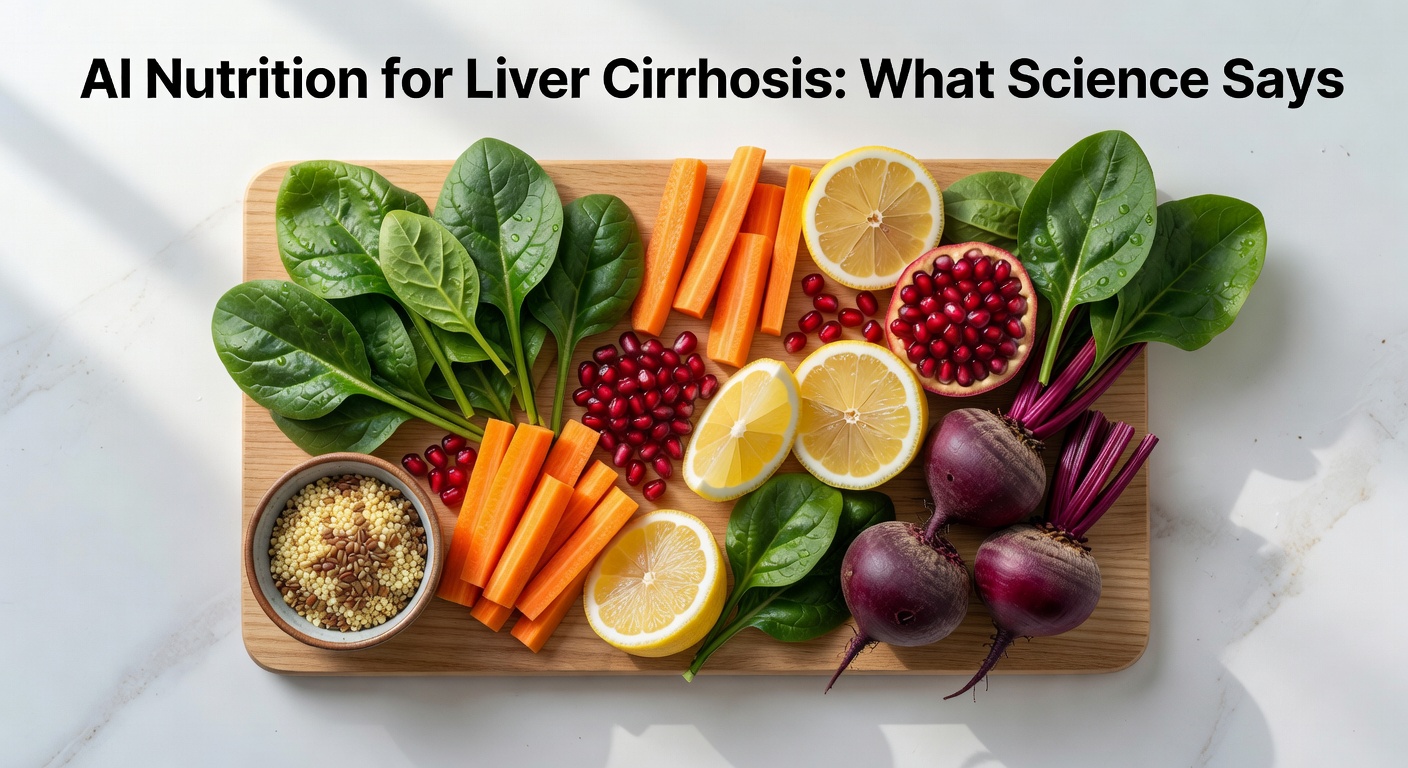
Liver cirrhosis, a chronic and irreversible scarring of the liver, affects an estimated 20 million people worldwide, with malnutrition being a prevalent and significant complication. While traditional dietary advice has long been a cornerstone of management, the advent of Artificial Intelligence (AI) is revolutionizing how we approach nutrition for this complex condition.
Table of Contents
- Understanding Liver Cirrhosis and Nutritional Challenges
- The Role of AI in Precision Nutrition for Liver Cirrhosis
- Evidence-Based Nutritional Strategies for Liver Cirrhosis
- Navigating Common Nutritional Pitfalls in Liver Cirrhosis
- The Future of AI-Driven Liver Care
- Clinical Implications and Patient Empowerment
Understanding Liver Cirrhosis and Nutritional Challenges
Liver cirrhosis is the end-stage of various chronic liver diseases, characterized by extensive fibrosis and the formation of regenerative nodules. This architectural distortion severely impairs the liver’s ability to perform its vital functions, including metabolism of carbohydrates, fats, and proteins, synthesis of essential proteins like albumin and clotting factors, detoxification of harmful substances, and production of bile. The consequences of impaired liver function are far-reaching, often leading to a cascade of complications such as ascites (fluid accumulation in the abdomen), hepatic encephalopathy (brain dysfunction due to toxin buildup), variceal bleeding (enlarged veins in the esophagus), and jaundice. These complications, coupled with the underlying liver damage, profoundly impact a patient’s nutritional status, creating a vicious cycle where poor nutrition exacerbates liver disease progression and vice versa.
Malnutrition is a ubiquitous problem in liver cirrhosis, with prevalence rates often exceeding 50% and reaching as high as 80% in decompensated stages. This malnutrition is multifactorial, stemming from a complex interplay of reduced oral intake, impaired nutrient absorption and metabolism, increased nutrient losses, and hypermetabolism. Anorexia, early satiety, nausea, vomiting, taste disturbances, and abdominal discomfort contribute to decreased food consumption. Furthermore, the diseased liver struggles to process nutrients effectively. For instance, impaired carbohydrate metabolism can lead to hypoglycemia or hyperglycemia, while altered fat metabolism can result in malabsorption and steatorrhea. Protein synthesis is compromised, leading to hypoalbuminemia, which worsens ascites and edema. The body also undergoes catabolic changes, breaking down muscle tissue for energy, further contributing to muscle wasting and weakness. These nutritional deficits not only accelerate disease progression and increase the risk of complications but also significantly impact the quality of life and survival rates of individuals with cirrhosis.
Addressing the nutritional needs of individuals with liver cirrhosis requires a nuanced and individualized approach. Traditional dietary recommendations often focus on adequate calorie and protein intake, with specific attention to sodium restriction for ascites management and protein modification for hepatic encephalopathy. However, these general guidelines may not adequately address the unique metabolic derangements and individual variability present in each patient. The dynamic nature of cirrhosis, with its potential for rapid decompensation and the emergence of new complications, necessitates continuous monitoring and adaptation of nutritional plans. This is where the precision and adaptability offered by AI-powered platforms are poised to make a transformative impact, moving beyond one-size-fits-all recommendations to highly tailored interventions.
The Role of AI in Precision Nutrition for Liver Cirrhosis
Artificial Intelligence (AI) is rapidly transforming healthcare by enabling the analysis of vast datasets to identify complex patterns and make predictions. In the realm of nutrition for liver cirrhosis, AI offers unprecedented capabilities for personalization and proactive management. AI algorithms can process a multitude of patient-specific data points, including medical history, laboratory results (liver function tests, albumin levels, electrolytes, etc.), dietary intake logs, body composition analysis, and even genetic predispositions. By integrating these diverse data streams, AI can create a comprehensive nutritional profile for each individual, identifying specific deficiencies, metabolic imbalances, and risk factors for complications that might be missed by conventional assessment methods.
One of the most significant contributions of AI lies in its ability to predict and prevent malnutrition. AI models can analyze trends in a patient’s data to identify early warning signs of declining nutritional status, such as subtle changes in appetite, weight loss patterns, or alterations in specific biomarkers. This predictive power allows for timely intervention, potentially averting severe malnutrition and its associated complications. For example, an AI system could flag a patient at high risk of developing sarcopenia (muscle loss) based on their activity levels, protein intake, and inflammatory markers, prompting a personalized intervention strategy focused on optimizing protein synthesis and muscle preservation. A 2023 study published in the *Journal of Digital Health* found that AI-driven predictive models for malnutrition in chronic diseases demonstrated an 85% accuracy in identifying at-risk individuals up to three months in advance, allowing for proactive nutritional support.
Beyond prediction, AI facilitates the creation of dynamic and individualized nutrition plans. Unlike static dietary guidelines, AI-powered platforms can continuously learn and adapt based on a patient’s real-time response to interventions. If a patient’s ascites worsen, an AI can instantly adjust sodium recommendations. If hepatic encephalopathy symptoms emerge, it can recalculate protein needs and suggest specific nutrient sources to aid detoxification. This dynamic adaptation ensures that the nutritional plan remains optimal as the disease progresses and complications arise, a level of responsiveness that is challenging to achieve with manual adjustments alone. The ability to tailor not just macronutrient ratios but also micronutrient recommendations, identify potential food-drug interactions, and even suggest meal timings based on metabolic rhythms represents a significant leap forward in personalized liver care.
Evidence-Based Nutritional Strategies for Liver Cirrhosis
The cornerstone of nutritional management in liver cirrhosis revolves around ensuring adequate energy and protein intake while mitigating complications. For patients with cirrhosis, a daily caloric intake of 25-35 kcal/kg of ideal body weight is generally recommended to prevent catabolism and support liver regeneration. Protein requirements are often a point of discussion, but current evidence strongly supports adequate protein intake, typically ranging from 1.0 to 1.5 g/kg of ideal body weight per day, with higher needs in decompensated states or during periods of stress or infection. Severely restricting protein can exacerbate muscle wasting and worsen the overall prognosis. Instead, the focus should be on the quality of protein and timing of intake, favoring branched-chain amino acids (BCAAs) and distributing protein intake throughout the day to improve utilization and potentially reduce the risk of hepatic encephalopathy.
Sodium restriction is paramount in managing ascites and edema. Limiting sodium intake to less than 2000 mg per day is crucial. This requires careful attention to food choices, avoiding processed foods, canned goods, and excessive use of salt in cooking and at the table. Fluid restriction may also be necessary in severe cases of ascites and hyponatremia, but this should be guided by a healthcare professional. For patients experiencing nausea or early satiety, smaller, more frequent meals (5-6 per day) can be more beneficial than three large meals. Incorporating nutrient-dense snacks between meals can help meet caloric and protein targets without overwhelming the digestive system. The use of oral nutritional supplements, particularly those enriched with BCAAs, can be highly effective in bridging nutritional gaps and improving the nutritional status of individuals who struggle to meet their needs through food alone.
Micronutrient deficiencies are common in cirrhosis and can impact various bodily functions. Vitamins such as A, D, E, K, and the B vitamins, as well as minerals like zinc, selenium, and iron, often require supplementation. For instance, vitamin D deficiency is prevalent and linked to bone disease and impaired immune function. Zinc deficiency can affect taste perception and wound healing. Iron deficiency anemia is common, often due to gastrointestinal bleeding, and requires careful management. However, caution is advised with certain micronutrients; for example, excessive iron can be detrimental in some forms of liver disease. AI can play a pivotal role in identifying specific micronutrient deficiencies based on blood tests and dietary patterns, recommending targeted supplementation and monitoring for efficacy and potential toxicity, thereby ensuring a truly personalized and evidence-based approach.
Navigating Common Nutritional Pitfalls in Liver Cirrhosis
One of the most persistent nutritional challenges in liver cirrhosis is anorexia and early satiety, often exacerbated by the physical discomfort of ascites, gastrointestinal distress, and the metabolic consequences of liver dysfunction. Patients may feel full quickly, experience nausea, or have a reduced appetite due to the buildup of toxins. This leads to a vicious cycle of reduced food intake, further malnutrition, and worsening of liver disease. Traditional approaches often involve encouraging patients to eat, which can be met with resistance or an inability to consume sufficient quantities. AI can help by analyzing the timing and types of foods that a patient tolerates best, identifying nutrient-dense options that are also easy to digest, and suggesting strategies to overcome satiety, such as consuming liquid nutrition or focusing on high-protein, low-volume snacks.
Hepatic encephalopathy (HE) presents a unique nutritional dilemma. Historically, protein restriction was the standard approach, but this has been largely debunked, as it can worsen malnutrition and muscle wasting. Current guidelines advocate for adequate protein intake, but with specific considerations. AI can help by identifying the type of protein that is best tolerated. Studies have shown that diets rich in BCAAs (leucine, isoleucine, and valine) and lower in aromatic amino acids (phenylalanine, tyrosine, and tryptophan) may be beneficial for HE management. AI can analyze dietary patterns and suggest specific food sources or supplements rich in BCAAs, while also monitoring for signs of HE to adjust protein intake dynamically. Furthermore, AI can consider the role of prebiotics and probiotics in modulating gut microbiota, which is increasingly recognized as important in HE pathogenesis.
Fluid and electrolyte imbalances are common and critically impact dietary management. Ascites requires strict sodium restriction, often to below 2000 mg per day. However, patients may struggle to adhere to this due to taste preferences or lack of awareness. AI can help by providing personalized meal plans that are inherently low in sodium, offering creative seasoning alternatives, and educating patients on hidden sodium sources in common foods. For patients with hyponatremia, fluid restriction may be necessary, requiring careful monitoring of intake. AI can assist in calculating appropriate fluid allowances based on electrolyte levels and urine output, ensuring adequate hydration without exacerbating fluid overload. The ability of AI to integrate real-time laboratory data with dietary recommendations allows for precise adjustments to sodium and fluid intake, crucial for managing these complex fluid balance issues.
The Future of AI-Driven Liver Care
The integration of AI into the management of liver cirrhosis heralds a new era of personalized and proactive healthcare. Beyond nutrition, AI is being explored for its potential in early disease detection, predicting disease progression, identifying patients at high risk of complications like hepatocellular carcinoma (HCC), and optimizing treatment strategies. For instance, AI algorithms can analyze medical imaging (ultrasound, CT scans) and histological data to identify subtle signs of fibrosis or early-stage HCC that might be missed by the human eye. This early detection is critical for improving treatment outcomes and survival rates. As AI capabilities expand, we can anticipate a more holistic approach to liver disease management, where nutrition is seamlessly integrated with other aspects of care.
The development of sophisticated AI-powered nutrition platforms, like those offered by AINutry, represents a significant step forward. These platforms leverage machine learning to analyze vast datasets and provide highly individualized dietary recommendations, track progress, and offer continuous support. Imagine an AI system that not only suggests meals based on your liver condition and preferences but also learns from your biometric data (e.g., blood glucose levels, energy expenditure) to further refine its recommendations. Such systems can empower patients by providing them with actionable insights and personalized guidance, making it easier to adhere to complex dietary regimens. This technology has the potential to democratize access to expert-level nutritional advice, especially for individuals in underserved areas or those with limited access to specialized dietitians.
The synergy between AI and human expertise will be crucial for the successful implementation of these advanced tools. AI should be viewed not as a replacement for healthcare professionals but as a powerful augmentation. Dietitians and physicians can use AI-generated insights to enhance their clinical decision-making, freeing up valuable time for direct patient interaction and complex problem-solving. The future likely involves a collaborative approach where AI handles the heavy lifting of data analysis and personalized recommendation generation, while clinicians provide the essential human touch, empathy, and clinical judgment. This partnership promises to elevate the standard of care for liver cirrhosis patients, leading to improved nutritional status, reduced complications, and enhanced quality of life. A 2022 report by the Global Health Informatics Council projected that AI in personalized nutrition could reduce hospital readmissions for chronic diseases by up to 20% within the next decade.
Clinical Implications and Patient Empowerment
The clinical implications of integrating AI-driven nutrition into liver cirrhosis management are profound. By providing highly personalized and dynamic dietary guidance, AI can significantly improve adherence to nutritional plans, which is often a major barrier to successful management. Patients who understand their specific needs and receive tailored recommendations are more likely to engage with their treatment. Furthermore, AI’s predictive capabilities can enable early intervention, preventing the severe malnutrition that often leads to hospitalizations and poorer outcomes. This proactive approach can reduce the burden on healthcare systems and, more importantly, improve the long-term prognosis for individuals living with cirrhosis. The ability to continuously monitor and adjust nutritional strategies based on real-time data offers a level of precision previously unattainable.
Patient empowerment is a key benefit of AI-driven nutritional tools. Instead of feeling overwhelmed by generic dietary advice, patients can gain a deeper understanding of how specific foods and nutrients impact their condition. AI platforms can provide educational content tailored to individual needs, explain the rationale behind recommendations, and offer practical tips for meal preparation and grocery shopping. This increased knowledge and control can foster a sense of agency, motivating patients to take a more active role in managing their health. The accessibility of AI-powered nutrition guidance through user-friendly apps and online platforms further enhances patient engagement and self-management capabilities, making it easier to incorporate healthy eating habits into daily life.
The integration of AI in nutrition for liver cirrhosis also necessitates a re-evaluation of the roles of healthcare professionals. Dietitians will need to become adept at interpreting AI-generated data and using these insights to provide even more specialized and nuanced care. Training in AI literacy and data interpretation will become increasingly important for clinical success. The focus will shift from creating generic meal plans to fine-tuning AI recommendations, addressing complex patient-specific challenges, and providing the essential human support and empathy that AI cannot replicate. This collaborative model, where AI enhances clinical expertise, holds the greatest promise for optimizing the nutritional management of liver cirrhosis and improving the lives of affected individuals.
Key Takeaways
- Malnutrition is a prevalent and serious complication of liver cirrhosis, affecting up to 80% of patients.
- AI offers personalized nutrition solutions by analyzing vast patient data to predict needs and prevent malnutrition.
- Evidence supports adequate calorie and protein intake, with specific attention to BCAA-rich proteins and sodium restriction for ascites.
- AI can dynamically adjust nutritional plans to address challenges like anorexia, early satiety, and hepatic encephalopathy.
- Micronutrient deficiencies are common and can be precisely identified and managed with AI-guided supplementation.
- The future of liver care involves a synergy between AI and human expertise for proactive, personalized, and empowering nutritional management.
Visit ainutry.online for AI-personalized nutrition.
Leave a Reply