
According to a recent study, approximately 19% of adults in the United States experience anxiety disorders each year (1). While there are various treatments available, incorporating dietary changes into one’s lifestyle has shown promise in alleviating symptoms. The profound connection between what we eat and how we feel is gaining increasing recognition, moving beyond anecdotal evidence to robust scientific understanding. As we navigate the complexities of modern life, the demand for personalized, effective strategies to manage mental health conditions like anxiety has never been higher. This is where the innovative application of Artificial Intelligence (AI) in nutritional science offers a groundbreaking approach, transforming how we understand and implement diet for mental well-being.
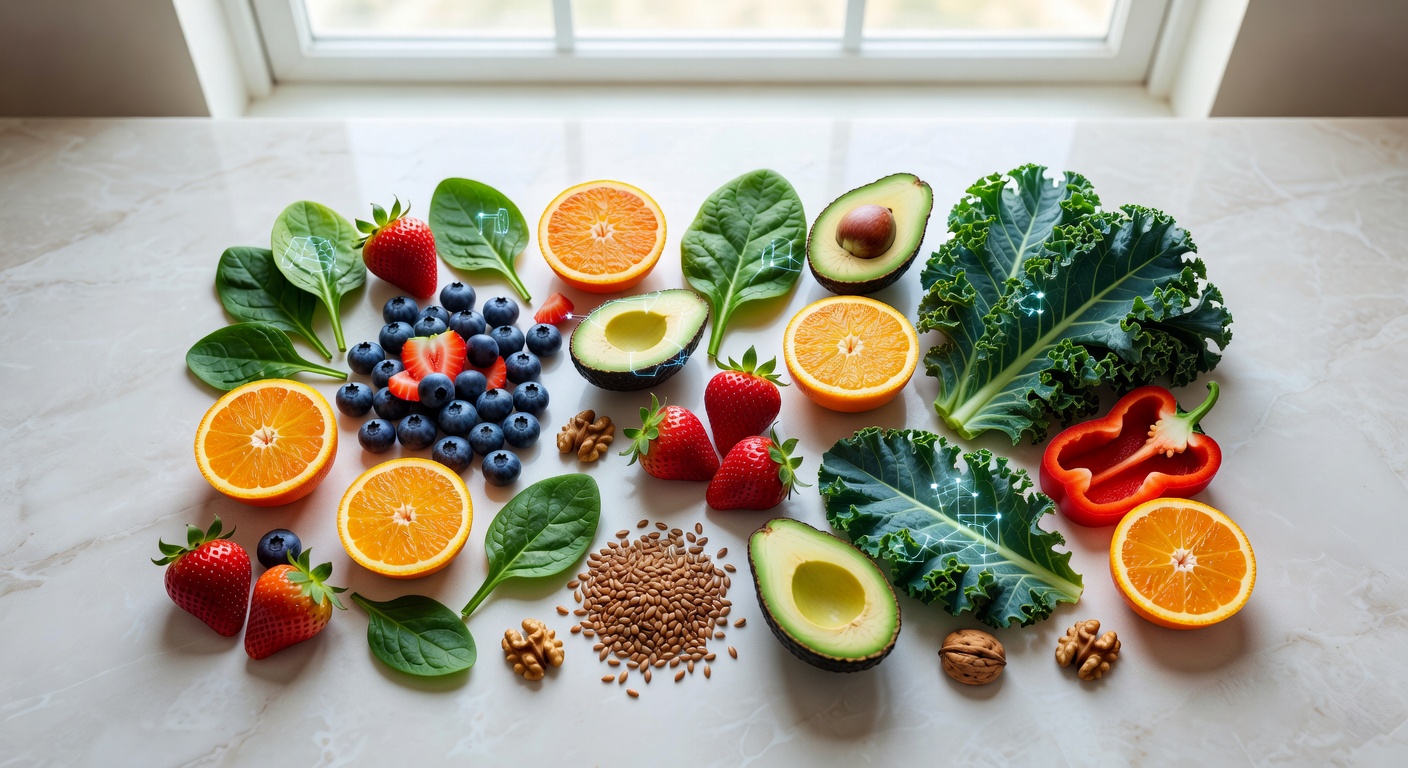
Table of Contents
- Diet
- How AI Can Help Manage Anxiety Through Diet
- Evidence-Based Dietary Recommendations for Anxiety Relief
- nutrition
- The Gut-Brain Axis: A Deeper Dive
- Practical Strategies for Implementing an Anxiety-Reducing Diet
- The Future of AI in Nutritional Psychiatry
- FAQs
- Conclusion
What is the Connection Between Diet and Anxiety?
Research has shown that there is a significant link between diet and anxiety. Studies have found that individuals who consume a balanced diet rich in whole foods, fruits, vegetables, and lean proteins tend to experience reduced symptoms of anxiety (2). On the other hand, diets high in processed foods, sugar, and unhealthy fats have been linked to increased anxiety levels. This isn’t merely a correlation; emerging science elucidates the complex biological mechanisms through which food influences our mental state. The quality of our diet directly impacts brain function, neurotransmitter production, and inflammation, all critical factors in the manifestation and severity of anxiety.
But why does this happen? The gut-brain axis plays a crucial role in modulating mood and cognitive function. When the gut microbiome is imbalanced, it can lead to inflammation and changes in neurotransmitter production, contributing to anxiety symptoms (3). This intricate communication network involves neural, endocrine, and immune pathways, acting as a bidirectional highway between our digestive system and our central nervous system. A healthy, diverse gut microbiome produces beneficial compounds like short-chain fatty acids (SCFAs) that nourish gut cells and influence brain health, while an imbalanced one can trigger systemic inflammation and stress responses that directly impact mood regulation.
Moreover, erratic blood sugar levels, often caused by diets high in refined carbohydrates and sugar, can lead to fluctuations in energy and mood, triggering anxiety-like symptoms such as irritability, nervousness, and difficulty concentrating. Chronic inflammation, fueled by ultra-processed foods, is also implicated in various mental health disorders, including anxiety and depression. These dietary choices can contribute to oxidative stress, damaging brain cells and disrupting the delicate balance required for optimal mental function.
Key Points:
- Diet has a significant impact on anxiety levels.
- A balanced diet rich in whole foods reduces anxiety symptoms.
- Processed foods, sugar, and unhealthy fats contribute to increased anxiety.
- The gut-brain axis is a critical mediator of diet’s influence on mood.
- Inflammation, neurotransmitter imbalance, and blood sugar dysregulation are key mechanisms.
The Gut-Brain Axis: A Deeper Dive
The gut-brain axis is a fascinating and complex communication system connecting the central nervous system (brain) and the enteric nervous system (gut). This bidirectional pathway involves several key components, including the vagus nerve, neurotransmitters, hormones, and the immune system. The gut microbiome, a vast community of trillions of microorganisms residing in our intestines, is at the heart of this connection.
These microbes produce a variety of neuroactive compounds, including serotonin, gamma-aminobutyric acid (GABA), and dopamine precursors, which can directly influence brain function and mood. For instance, an estimated 90% of the body’s serotonin, a key neurotransmitter for mood regulation, is produced in the gut. An imbalance in the gut microbiota, known as dysbiosis, can disrupt this production, leading to insufficient serotonin levels in the brain and potentially contributing to anxiety and depression.
Furthermore, gut microbes produce short-chain fatty acids (SCFAs) like butyrate, propionate, and acetate through the fermentation of dietary fiber. These SCFAs have anti-inflammatory properties and can cross the blood-brain barrier, influencing brain cell function and neurogenesis. Butyrate, in particular, is crucial for maintaining the integrity of the gut lining, preventing “leaky gut,” which can allow inflammatory substances to enter the bloodstream and trigger systemic inflammation that impacts the brain. Optimizing gut health through diet is therefore a powerful strategy for mitigating anxiety by fostering a balanced microbiome and supporting healthy gut-brain communication.
How AI Can Help Manage Anxiety Through Diet
AI-powered nutrition education platforms like AINUTRY can help individuals create personalized diets tailored to their specific needs. By analyzing a user’s dietary preferences, lifestyle, and health goals, AI algorithms can provide evidence-based recommendations for anxiety relief (4). This goes far beyond generic advice, leveraging advanced computational power to offer highly individualized guidance that adapts over time.
These platforms often incorporate machine learning models that analyze large datasets on the relationship between diet and anxiety. This allows them to identify patterns and correlations that may not be immediately apparent through human analysis. AI can process vast amounts of scientific literature, clinical trial data, and even real-world user feedback to develop predictive models. For example, it can identify specific micronutrient deficiencies linked to anxiety symptoms or pinpoint dietary patterns that consistently lead to improved mood in similar user profiles. This data-driven approach ensures recommendations are not only evidence-based but also highly relevant to the individual.
Beyond initial recommendations, AI can continuously monitor a user’s intake, progress, and reported mood changes. Through a feedback loop, it can refine suggestions, suggest alternative food choices, or adjust portion sizes to optimize outcomes. This dynamic personalization is particularly valuable for anxiety management, as individual responses to dietary interventions can vary significantly due to genetics, gut microbiome composition, and lifestyle factors. AI can also integrate data from wearable devices, such as sleep trackers or heart rate monitors, to provide a holistic view of health metrics that influence anxiety, creating a truly comprehensive and adaptive nutrition plan.
Key Points:
- AI-powered nutrition education platforms provide personalized dietary recommendations.
- Machines can analyze large datasets to identify patterns in the relationship between diet and anxiety.
- AI offers dynamic personalization, adapting recommendations based on user feedback and progress.
- It can integrate various health data points for a holistic approach to anxiety management.
Evidence-Based Dietary Recommendations for Anxiety Relief
Research has identified several dietary components that have shown promise in reducing anxiety symptoms. Incorporating these into your daily diet, especially with AI-guided precision, can significantly impact your mental well-being.
- B vitamins, particularly B6, B9 (folate), and B12: These vitamins are crucial cofactors in the synthesis of neurotransmitters like serotonin, dopamine, and GABA, all of which play vital roles in mood regulation and stress response. B6 is involved in converting tryptophan to serotonin, while folate and B12 are essential for methylation processes critical for brain health. Excellent sources include leafy green vegetables, whole grains, legumes, eggs, and lean meats.
- Omega-3 fatty acids found in fatty fish, nuts, and seeds: Eicosapentaenoic acid (EPA) and docosahexaenoic acid (DHA), the active forms of omega-3s, possess potent anti-inflammatory and neuroprotective properties. They are integral components of brain cell membranes, supporting neurotransmitter function and reducing systemic inflammation that can contribute to anxiety. Rich sources include salmon, mackerel, sardines, chia seeds, flaxseeds, and walnuts.
- Complex carbohydrates, such as whole grains and fruits: Unlike simple sugars, complex carbohydrates provide a steady release of glucose into the bloodstream, preventing blood sugar spikes and crashes that can exacerbate anxiety. They also facilitate the entry of tryptophan into the brain, where it can be converted into serotonin, promoting feelings of calm and well-being. Opt for oats, quinoa, brown rice, sweet potatoes, and a variety of fruits.
- Magnesium: Often referred to as “nature’s tranquilizer,” magnesium plays a crucial role in over 300 enzymatic reactions in the body, including those involved in nerve function, muscle relaxation, and neurotransmitter regulation. Magnesium deficiency is common and has been linked to increased anxiety. Good dietary sources include dark leafy greens (spinach, kale), nuts (almonds, cashews), seeds (pumpkin, sesame), legumes, whole grains, and dark chocolate.
- Probiotics and Prebiotics: These are vital for a healthy gut microbiome. Probiotics are beneficial bacteria found in fermented foods, while prebiotics are non-digestible fibers that feed these good bacteria. A balanced gut microbiome supports the production of neuroactive compounds and reduces gut inflammation, directly impacting the gut-brain axis. Incorporate foods like yogurt, kefir, sauerkraut, kimchi (probiotics) and garlic, onions, leeks, bananas, and oats (prebiotics).
- Antioxidants: Found abundantly in fruits and vegetables, antioxidants combat oxidative stress, a process that can damage brain cells and contribute to mental health issues. A diet rich in colorful produce helps protect neurons and maintain optimal brain function. Berries, dark leafy greens, bell peppers, and green tea are excellent sources.
- Lean Proteins: Provide essential amino acids, the building blocks for neurotransmitters. Tryptophan, for instance, is an amino acid precursor to serotonin. Ensuring adequate intake of lean proteins from sources like poultry, fish, eggs, legumes, and tofu supports healthy neurotransmitter synthesis.
Practical Strategies for Implementing an Anxiety-Reducing Diet
While understanding the science is crucial, practical application is where real change happens. Here are actionable strategies to incorporate an anxiety-reducing diet into your daily life, enhanced by AI’s capabilities:
- Meal Planning with AI: Utilize AI platforms like AINUTRY to generate weekly meal plans that automatically incorporate anxiety-reducing foods while adhering to your preferences and restrictions. AI can suggest recipes, create shopping lists, and even recommend optimal portion sizes.
- Mindful Eating Practices: Slow down and savor your meals. Pay attention to the flavors, textures, and smells. Mindful eating can reduce
Frequently Asked Questions
How does AI personalize diet plans to help manage anxiety?
AI leverages individual data points such as genetic predispositions, gut microbiome analysis, lifestyle factors, and reported anxiety symptoms. By identifying unique nutritional deficiencies or sensitivities, it can craft highly specific dietary recommendations aimed at optimizing brain health and mood regulation.
What specific foods or nutrients does AI commonly recommend for anxiety management?
While recommendations are personalized, AI frequently highlights foods rich in omega-3 fatty acids (e.g., fatty fish), probiotics (e.g., fermented foods), magnesium, and B vitamins (e.g., leafy greens, whole grains). These nutrients are known to support neurotransmitter function and reduce inflammation, which can impact anxiety levels.
Who should consider using AI for diet-based anxiety management?
Individuals experiencing mild to moderate anxiety who are seeking personalized, data-driven dietary strategies to complement their overall well-being plan may find this beneficial. It’s particularly useful for those interested in understanding the specific nutritional impacts on their mental health.
Can AI-driven diet recommendations replace traditional anxiety treatments?
No, AI-driven diet recommendations are intended as a complementary tool and should not replace professional medical advice, therapy, or prescribed medications for clinical anxiety. Always consult with a healthcare provider or mental health professional before making significant changes to your anxiety management plan.
Leave a Reply