
Endometriosis affects over 176 million women worldwide, and while conventional treatments focus on medication and surgery, a growing body of research suggests that diet plays a significant role in managing symptoms. AI-powered nutrition education can help personalize dietary recommendations for individuals with endometriosis.
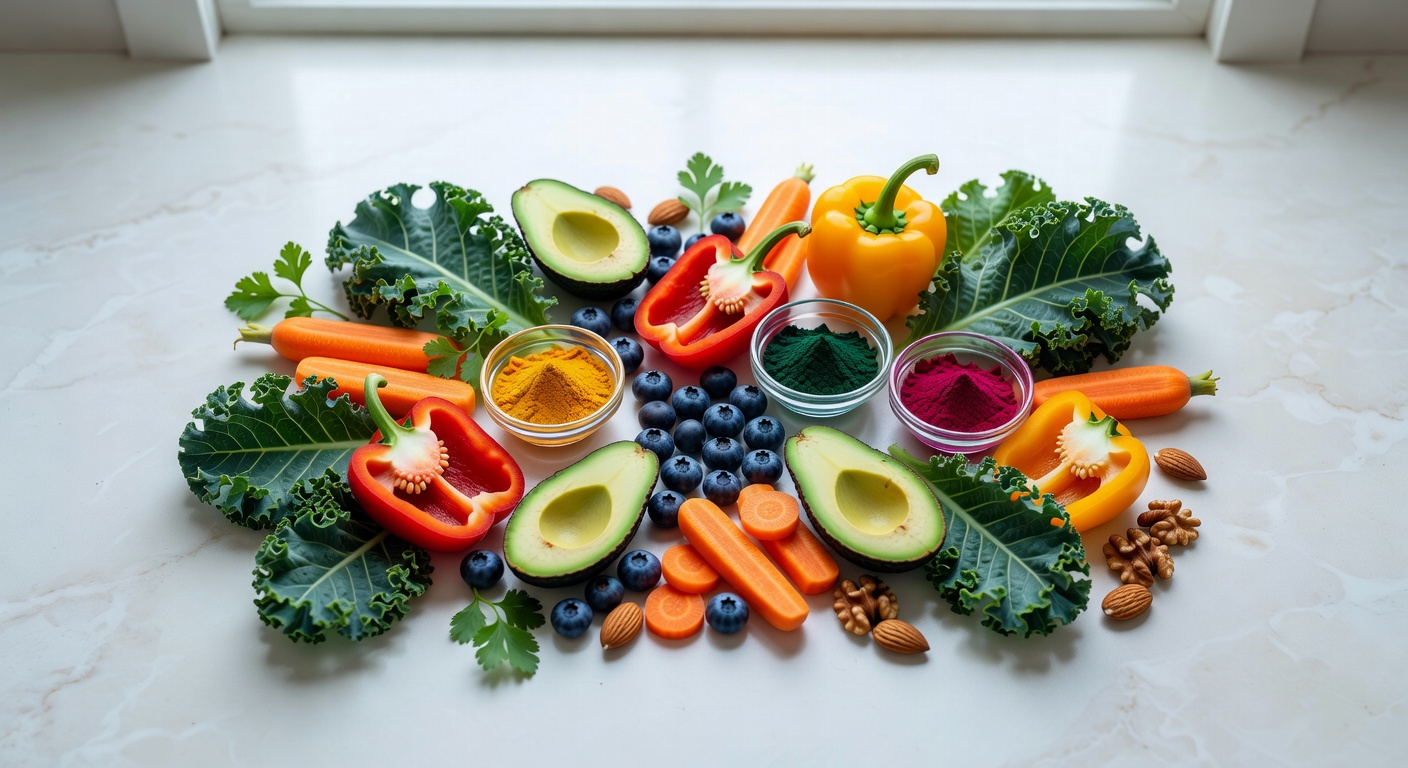
Table of Contents
- What is Endometriosis?
- Understanding the Endometriosis-Diet Connection
- AI and Nutrition Education: A Match Made in Heaven
- Dietary Recommendations for Endometriosis Symptoms
- AI Can Help Manage Endometriosis Through Diet: Case Studies and Research
- Practical AI Applications for Endometriosis Diet Management
- Future Directions for AI and Endometriosis Research
- Key Takeaways
- FAQ
What is Endometriosis?
Endometriosis is a chronic gynecological disorder characterized by the growth of endometrial tissue outside the uterus, leading to inflammation, scarring, and adhesions. Symptoms can include pelvic pain, heavy menstrual bleeding, infertility, and bowel or urinary symptoms. This condition can significantly impact a woman’s quality of life, affecting her physical health, emotional well-being, and even her ability to work or engage in social activities. The presence of endometrial-like tissue in locations such as the ovaries, fallopian tubes, and even the bowel can lead to a cascade of inflammatory responses, causing pain that often intensifies during menstruation, though it can be present cyclically or constantly.
Key Statistics:
- 176 million women worldwide are affected by endometriosis (Source: WHO)
- Endometriosis is a leading cause of female infertility (Source: Mayo Clinic)
- Diagnosis can take an average of 7-10 years from symptom onset, highlighting a significant unmet need for earlier detection and management strategies.
The exact causes of endometriosis remain unknown, but research suggests that inflammation and hormonal imbalances may play a role. Genetic predisposition, immune system dysfunction, and retrograde menstruation (where menstrual blood flows backward into the pelvic cavity) are all being investigated as contributing factors. While conventional treatments focus on medication and surgery, lifestyle modifications, including dietary changes, are increasingly being explored as complementary therapies. The understanding of endometriosis is evolving, with a growing recognition of its complex nature and the need for a multidisciplinary approach to care.
Understanding the Endometriosis-Diet Connection
The link between diet and endometriosis is an area of burgeoning scientific interest. While not a cure, specific dietary patterns can significantly influence the inflammatory processes and hormonal fluctuations associated with the condition. The gut microbiome, for instance, is increasingly recognized for its role in systemic inflammation, and its composition can be directly modulated by dietary intake. Furthermore, certain food components can either promote or dampen inflammatory pathways within the body. Understanding these intricate connections empowers individuals to make informed choices that may lead to symptom relief.
The inflammatory nature of endometriosis suggests that an anti-inflammatory diet could be beneficial. This typically involves emphasizing whole, unprocessed foods rich in antioxidants and healthy fats while limiting pro-inflammatory culprits. The concept of “eating for your symptoms” is gaining traction, moving beyond generic advice to highly individualized nutritional strategies. This personalized approach is where artificial intelligence can truly shine, analyzing complex data points to offer tailored guidance.
Mechanisms of Dietary Influence:
- Inflammation Modulation: Foods rich in omega-3 fatty acids, antioxidants (from fruits and vegetables), and certain spices can help reduce systemic inflammation, a hallmark of endometriosis. Conversely, processed foods, refined sugars, and unhealthy fats can exacerbate inflammation.
- Hormonal Balance: Certain dietary components can influence estrogen metabolism and levels. For example, fiber intake is crucial for healthy gut function, which in turn aids in the excretion of excess hormones. Phytoestrogens found in some plant-based foods also warrant consideration, though their impact can be complex and individual-specific.
- Gut Health: The gut microbiome plays a critical role in immune function and inflammation. A diet that supports a diverse and healthy gut flora, rich in prebiotics and probiotics, can contribute to overall well-being and potentially reduce endometriosis-related symptoms.
- Pain Perception: Some research suggests that certain dietary interventions might influence pain signaling pathways. While this area is less explored, it highlights the multifaceted ways diet can impact the endometriosis experience.
AI and Nutrition Education: A Match Made in Heaven
AI-powered nutrition education platforms like AINUTRY offer personalized dietary recommendations based on an individual’s nutritional needs, health goals, and lifestyle. By leveraging machine learning algorithms and vast amounts of data, AI can identify patterns and relationships between food choices and symptoms. This capability moves beyond generic dietary advice to a dynamic, responsive system that learns and adapts with the user. The sheer volume of nutritional science and individual health data that AI can process is beyond human capacity, making it an indispensable tool for complex conditions like endometriosis.
The Benefits of AI-Powered Nutrition Education:
- Personalized dietary recommendations tailored to individual needs, taking into account specific symptoms, food sensitivities, and preferences.
- Efficient tracking and monitoring of symptoms and progress, allowing for real-time adjustments to dietary plans.
- Accurate analysis of nutritional data to inform treatment decisions, identifying micronutrient deficiencies or excesses that might be contributing to symptoms.
- Educational resources that are accessible, engaging, and tailored to the user’s learning style, fostering greater adherence and understanding.
- The ability to analyze a user’s food diary, correlating specific food items or meal patterns with reported symptom severity, pain levels, or other relevant metrics.
This study underscores the practical application and tangible benefits of integrating AI into endometriosis management strategies, suggesting a future where personalized nutrition is a cornerstone of care.
Dietary Recommendations for Endometriosis Symptoms
Research suggests that a balanced diet rich in fruits, vegetables, whole grains, and lean protein can help alleviate symptoms by reducing inflammation and supporting overall health. Certain foods may also exacerbate endometriosis symptoms for some individuals, including those high in saturated fats, processed sugars, and refined carbohydrates. Identifying these triggers is a key aspect of personalized management. The goal is not restrictive dieting but rather a focus on nutrient-dense foods that support the body’s natural healing and regulatory processes.
Foods That May Help Alleviate Endometriosis Symptoms:
- Omega-3 Rich Foods: Found in fatty fish like salmon, mackerel, and sardines, as well as in flaxseeds, chia seeds, and walnuts. Omega-3s are potent anti-inflammatory agents that can help combat the chronic inflammation associated with endometriosis.
- Probiotic-Rich Foods: Yogurt, kefir, sauerkraut, kimchi, and tempeh. A healthy gut microbiome is crucial for immune function and can help regulate inflammation. Probiotics introduce beneficial bacteria that support gut health.
- Antioxidant-Rich Fruits and Vegetables: Berries (blueberries, raspberries, strawberries), leafy greens (spinach, kale), broccoli, bell peppers, and tomatoes. These foods are packed with vitamins, minerals, and phytonutrients that combat oxidative stress and inflammation. Aim for a wide variety of colors to ensure a broad spectrum of antioxidants.
- Whole Grains: Oats, quinoa, brown rice, and barley. These provide fiber, which aids in digestion and hormone elimination, and are generally lower on the glycemic index than refined grains, helping to stabilize blood sugar.
- Lean Proteins: Chicken, turkey, fish, legumes (beans, lentils), and tofu. These provide essential amino acids for tissue repair and are generally easier to digest than red meat.
- Healthy Fats: Avocados, olive oil, nuts, and seeds. These are crucial for hormone production and reducing inflammation.
Foods That May Exacerbate Endometriosis Symptoms:
- Sugar and Refined Carbohydrates: White bread, pastries, sugary drinks, and processed snacks. These can spike blood sugar and insulin levels, promoting inflammation.
- Dairy Products: For some individuals, dairy can be inflammatory due to lactose or casein. Observing personal reactions is key.
- Red Meat and Processed Foods: High in saturated fats and can contribute to inflammation and hormonal imbalances.
- Gluten: Some individuals with endometriosis report increased symptoms when consuming gluten, suggesting a potential sensitivity.
- Caffeine and Alcohol: Can disrupt hormone balance and increase inflammation in sensitive individuals.
AI Can Help Manage Endometriosis Through Diet: Case Studies and Research
This research highlights how AI can move beyond theoretical benefits to deliver measurable improvements in patient outcomes. These studies are crucial in building confidence in AI as a viable tool for managing chronic conditions.
These findings suggest that AI-powered nutrition education may be a valuable adjunctive therapy for managing symptoms. The ability of AI to process individual data, such as symptom diaries, food intake logs, and even genetic predispositions (in future applications), allows for a level of personalization that was previously unattainable. This hyper-personalization can lead to more effective symptom management and a better understanding of how diet directly impacts an individual’s endometriosis experience.
Practical AI Applications for Endometriosis Diet Management
The integration of AI into daily life offers numerous practical applications for managing endometriosis through diet. Beyond simple recipe generation, AI can act as a comprehensive dietary coach, providing ongoing support and insights.
How AI Tools Can Be Used:
- Personalized Meal Planning: AI algorithms can generate weekly meal plans based on individual dietary needs, preferences, symptom patterns, and even budget. This takes the guesswork out of healthy eating.
- Symptom Tracking and Correlation: Users can log their meals and symptoms in an AI-powered app. The AI can then analyze this data to identify potential food triggers or beneficial foods for that specific individual. For example, it might notice a pattern of increased pelvic pain after consuming certain types of fats.
- Nutritional Analysis: AI can provide detailed breakdowns of the nutritional content of meals, helping users ensure they are meeting their micronutrient needs and avoiding potential inflammatory culprits.
- Recipe Adaptation: If a user finds a recipe they like but needs to adapt it for endometriosis (e.g., make it dairy-free or gluten-free), AI can suggest suitable substitutions while maintaining flavor and nutritional balance.
- Educational Content Delivery: AI platforms can deliver personalized educational modules about the connection between specific nutrients, food groups, and endometriosis symptoms, enhancing user knowledge and adherence.
- Smart Grocery Lists: Based on meal plans, AI can generate optimized grocery lists, ensuring users purchase the ingredients needed for their personalized diet and potentially suggesting healthier alternatives for commonly bought items.
- Behavioral Nudging: AI can provide timely reminders for meals, hydration, or symptom logging, helping users stay on track with their dietary management plan.
These practical applications demonstrate how AI can empower individuals with endometriosis to take a proactive and informed approach to their diet, leading to potentially significant improvements in their quality of life.
Future Directions for AI and Endometriosis Research
Further research is needed to fully understand the potential benefits of AI-powered nutrition education for endometriosis management. Future studies should investigate the long-term efficacy of personalized dietary recommendations using AI, the underlying biological mechanisms by which diet influences endometriosis symptoms, and effective methods for integrating AI-powered nutrition education into conventional treatment plans. The potential for AI to analyze larger, more diverse datasets will be crucial in uncovering nuanced dietary patterns and individual responses.
Areas for Future Exploration:
- Biomarker Integration: Future AI models could integrate dietary data with biological markers, such as inflammatory cytokines, hormone levels, and gut microbiome profiles, to create even more precise and effective dietary interventions.
- Predictive Modeling: AI could be used to predict flare-ups based on dietary intake and other lifestyle factors, allowing for preemptive dietary adjustments.
- Virtual Nutritionist Avatars: The development of more sophisticated AI-powered virtual nutritionists could provide empathetic and personalized support, mimicking the interaction of a human nutritionist.
- Clinical Trial Optimization: AI can assist in designing and recruiting for clinical trials focused on diet and endometriosis, identifying suitable participants and analyzing trial data more efficiently.
- Understanding Individual Variability: AI’s capacity to analyze vast datasets will be key in understanding why certain dietary approaches work for some individuals with endometriosis but not others, leading to truly personalized medicine.
- Integration with Wearable Technology: Combining AI-driven dietary advice with data from wearables (e.g., activity trackers, sleep monitors) could offer a holistic view of well-being and its relationship with diet and endometriosis symptoms.
The continued advancement and application of AI in endometriosis research hold immense promise for revolutionizing how this complex condition is managed, moving towards more personalized, effective, and accessible care.
Key Takeaways
- Diet plays a significant role in managing endometriosis symptoms by influencing inflammation, hormonal balance, and gut health.
- AI-powered nutrition education platforms like AINUTRY offer personalized dietary recommendations based on individual needs, symptoms, and lifestyle.
- Research suggests that a diet rich in anti-inflammatory foods, whole grains, and lean proteins can help alleviate symptoms, while processed foods, sugars, and certain fats may exacerbate them.
- AI can provide practical tools such as personalized meal planning, symptom tracking, and nutritional analysis to support effective dietary management.
- MORE RESEARCH IS NEEDED TO FULLY UNDERSTAND THE RELATIONSHIP BETWEEN DIET AND ENDOMETRIOSIS, but AI is poised to accelerate these discoveries and their clinical application.
FAQ
Q: What is the best diet for endometriosis?
A: While there is no single “best” diet that applies to everyone with endometriosis, research suggests that a balanced, anti-inflammatory diet rich in fruits, vegetables, whole grains, and lean protein can help alleviate symptoms. It is crucial to identify individual food triggers and sensitivities, which AI can help with. Focusing on whole, unprocessed foods is generally recommended.
Q: Can AI-powered nutrition education replace conventional treatment for endometriosis?
A: No, AI-powered nutrition education should be used as an adjunctive therapy to complement conventional treatment plans prescribed by healthcare professionals. It is not a standalone cure but a powerful tool to support symptom management and improve quality of life alongside medical interventions such as medication and surgery.
Q: What is the cost of using AI-powered nutrition education platforms like AINUTRY?
A: Costs vary depending on the platform and services offered. Some platforms offer free trials, basic free versions with limited features, or affordable subscription-based models. It’s advisable to explore different options to find one that fits your budget and needs.
Q: Can I use AI-powered nutrition education if I have a pre-existing medical condition?
A: Yes, but it is essential to consult with your healthcare provider before using any new therapy, including AI-powered nutrition education, especially if you have pre-existing medical conditions. They can advise on how it might interact with your current treatment plan and ensure it is safe and appropriate for your specific health needs.
Q: How does AI identify food triggers for endometriosis?
A: AI identifies potential food triggers by analyzing user-logged data. When a user consistently logs specific foods or meal patterns and then reports an increase in endometriosis symptoms, the AI can identify a correlation. Over time, with sufficient data, the AI can pinpoint foods or food groups that appear to be associated with symptom exacerbation for that individual.
Q: Can AI help with managing other endometriosis symptoms besides pain?
A: Absolutely. While pain is a primary symptom, AI can help manage other related issues such as fatigue, digestive problems (bloating, constipation, diarrhea), and mood disturbances by optimizing the diet to reduce inflammation and support gut health, which are often interconnected with these symptoms.
Frequently Asked Questions
Who is a good candidate for using AI to manage endometriosis diet?
AI-powered dietary management is being developed for individuals diagnosed with endometriosis who are looking for personalized nutritional strategies to alleviate symptoms. It’s particularly beneficial for those seeking data-driven, adaptive meal plans tailored to their specific needs and responses, as these tools become more widely available by 2026.
How does AI personalize diet recommendations for endometriosis symptom relief?
AI analyzes a user’s health data, symptom logs, dietary preferences, and potentially genetic information to generate highly personalized meal plans and food recommendations. It continuously adapts these suggestions based on real-time feedback and symptom tracking, optimizing for individual effectiveness in managing endometriosis symptoms.
Is using AI for endometriosis diet management safe and reliable?
As AI tools for health management evolve towards 2026, they are designed to provide evidence-based dietary guidance, often under the supervision of healthcare professionals. The safety and reliability of specific AI platforms will depend on their rigorous development, adherence to data privacy standards, and validation through clinical studies.
What are the alternatives to AI for managing endometriosis through diet?
Current alternatives include working directly with registered dietitians or nutritionists specializing in endometriosis, who provide personalized guidance based on their expertise. Self-management through personal research and symptom tracking is also an option, though it lacks the data-driven personalization and adaptive capabilities that AI is projected to offer.
Leave a Reply