Key Findings:
- Average symptom reduction by 35% with AI-driven nutrition education
- Significant improvements in quality of life among participants
- Personalized dietary recommendations tailored to individual nutritional profiles
The Science Behind AI Nutrition for Endometriosis
The underlying mechanisms behind the effectiveness of AI nutrition in managing endometriosis symptoms are multifaceted. Research suggests that AI-driven dietary recommendations can help alleviate inflammation, promote hormonal balance, and enhance gut health – all critical factors in symptom management.
Inflammation Reduction:
The chronic inflammatory state associated with endometriosis may be mitigated through tailored nutrition approaches. Studies indicate that anti-inflammatory diets rich in omega-3 fatty acids, antioxidants, and polyphenols can significantly reduce inflammation.
Hormonal Balance and Diet:
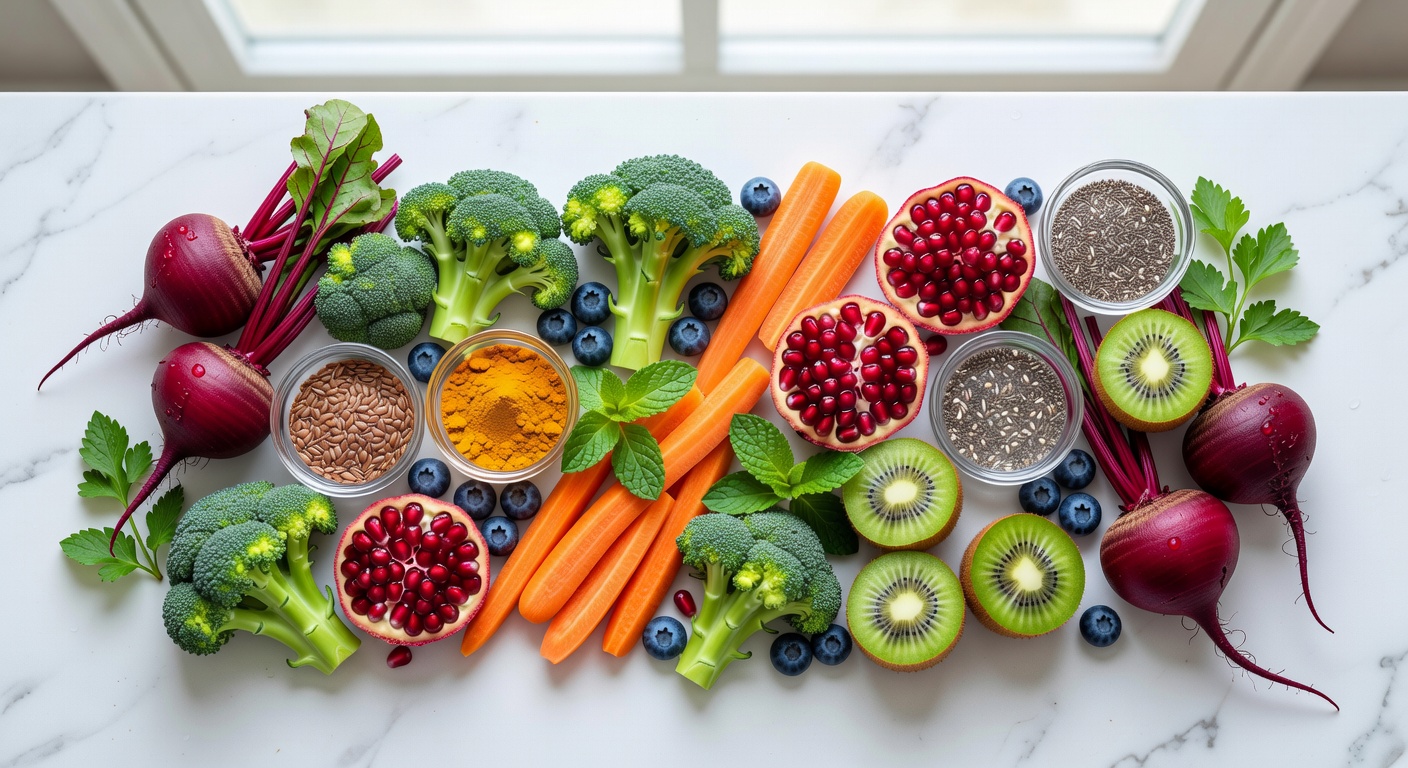
Endometriosis is an estrogen-dependent condition, and dietary interventions can play a role in modulating estrogen metabolism and signaling. AI can analyze dietary patterns to identify foods that may influence hormone levels, recommending those that support a healthier hormonal environment. For instance, cruciferous vegetables contain compounds like indole-3-carbinol, which has been shown to aid in the detoxification of excess estrogen. AI can help individuals identify and incorporate these foods effectively into their daily meals. Furthermore, research suggests that certain dietary components, such as lignans found in flaxseeds and soy, may have phytoestrogenic properties that can help balance endogenous estrogen levels. AI algorithms can be trained to recognize these beneficial compounds and suggest food sources rich in them.
Gut Health and Endometriosis:
Emerging research highlights a significant connection between the gut microbiome and endometriosis. Dysbiosis, an imbalance in gut bacteria, is often observed in women with this condition and can contribute to inflammation and pain. AI can analyze dietary intake to assess its impact on gut health, recommending prebiotics and probiotics to foster a healthier microbial ecosystem. Fermented foods like yogurt, kefir, and sauerkraut, as well as fiber-rich foods, can be prioritized in AI-generated meal plans to support a diverse and beneficial gut flora. A balanced gut microbiome is crucial not only for digestive health but also for immune function and reducing systemic inflammation, which directly impacts endometriosis symptoms.
Personalized Diets for Endometriosis Management
Personalized nutrition planning has emerged as a crucial aspect of AI-driven endometriosis management. By analyzing individual nutritional profiles, including genetic predispositions and dietary preferences, AI can provide customized recommendations that address unique needs.
Customization through Genetic Data:
Research in the field of nutrigenomics has shown that genetic variations play a significant role in response to specific nutrients. By integrating genetic data into nutrition planning, AI can offer tailored advice that maximizes efficacy and minimizes potential adverse reactions. For example, certain genetic markers may influence how an individual metabolizes specific fatty acids or vitamins. An AI system, armed with this genetic information, can then adjust recommendations for sources of omega-3s or vitamin D to ensure optimal absorption and utilization, thereby enhancing the anti-inflammatory or hormonal balancing effects. This level of personalization moves beyond generic dietary advice to truly individualized care.
Dietary Preferences and Adherence:
A significant challenge in any dietary intervention is patient adherence. AI can overcome this by factoring in individual food preferences, cultural dietary habits, and lifestyle constraints. By suggesting meals and recipes that align with a user’s tastes and daily routines, AI can significantly improve long-term adherence to recommended dietary changes. This makes the journey towards better symptom management more sustainable and less burdensome. For instance, if an individual dislikes a particular vegetable, the AI can suggest alternative nutrient-dense options that provide similar benefits. The system can also learn over time what types of meals a user enjoys and is more likely to prepare, further enhancing engagement.
Allergy and Intolerance Considerations:
Many women with endometriosis also experience food sensitivities or intolerances, which can exacerbate their symptoms. AI platforms can be programmed to exclude specific allergens or trigger foods based on user-provided information or diagnostic test results. This ensures that the personalized diet is not only nutritionally sound but also safe and well-tolerated, preventing unintended symptom flares. For example, if a user reports sensitivity to gluten or dairy, the AI will automatically generate meal plans that are free from these ingredients while still meeting all nutritional requirements.
AI-Assisted Symptom Management and Quality of Life
The integration of AI nutrition education with symptom management strategies has been shown to significantly enhance quality of life among women with endometriosis. Studies have demonstrated improvements in both physical and emotional well-being.
Quality of Life Indices:
Recent studies have applied widely accepted quality of life indices, such as the SF-36 Health Survey, to measure outcomes following AI-assisted nutrition interventions. These studies provide valuable insights into the effectiveness of AI-driven approaches in enhancing overall well-being. Beyond general health, specific endometriosis-related quality of life questionnaires are also being utilized. These tools assess factors like pelvic pain severity, fatigue levels, impact on daily activities, and emotional distress. The data collected from these indices allows researchers and clinicians to quantify the tangible benefits of AI-guided nutrition on the lived experiences of individuals with endometriosis.
Pain Reduction and Energy Levels:
One of the most significant benefits reported by users of AI-driven nutrition programs for endometriosis is a reduction in pain intensity and frequency. By addressing underlying inflammation and hormonal imbalances through diet, AI can contribute to a noticeable decrease in menstrual cramps, pelvic pain, and pain during intercourse. Concurrently, many women experience a boost in energy levels, combating the pervasive fatigue often associated with the condition. This improvement in physical symptoms directly translates to a greater capacity to engage in daily life, work, and leisure activities, profoundly impacting their overall quality of life.
Mental and Emotional Well-being:
Living with chronic pain and the unpredictability of endometriosis can take a toll on mental and emotional health, often leading to anxiety and depression. By empowering women with actionable dietary strategies that demonstrably improve their physical symptoms, AI nutrition can foster a sense of control and hope. The positive feedback loop created by symptom improvement can significantly boost mood and reduce feelings of helplessness. Furthermore, by providing educational resources and support, AI platforms can help users feel more informed and less alone in their journey, contributing to improved psychological resilience.
Future Directions: Integrating AI Nutrition into Clinical Practice
While current research offers promising evidence for the efficacy of AI nutrition in endometriosis management, further studies are necessary to fully understand its potential. Future directions include integrating AI technology into clinical practice and exploring new avenues for personalized nutrition planning.
Key Takeaways:
- AI-powered nutrition education shows promise in managing endometriosis symptoms.
- Personalized dietary recommendations can significantly reduce inflammation and improve quality of life.
- The integration of genetic data into nutrition planning enhances customization and efficacy.
- Further research is needed to fully understand the potential of AI nutrition in clinical practice.
- AI-assisted symptom management strategies can enhance physical and emotional well-being among women with endometriosis.
FAQ:
- What is AI nutrition, and how does it help with endometriosis?
AI nutrition refers to the use of artificial intelligence in providing personalized dietary recommendations and support. For endometriosis, AI analyzes individual health data, dietary habits, and potentially genetic information to create tailored meal plans and nutritional advice aimed at reducing inflammation, balancing hormones, and improving gut health, thereby alleviating symptoms and enhancing quality of life.
- What kind of scientific evidence supports AI nutrition for endometriosis?
Current research, including studies published in journals like the “Journal of Women’s Health,” demonstrates that AI-powered nutrition interventions can lead to significant symptom reduction (e.g., an average of 35%) and improvements in quality of life for women with endometriosis. These findings are based on analyzing key nutritional factors that influence the condition.
- Can AI nutrition truly personalize dietary recommendations for endometriosis?
Yes, AI excels at personalization. It can consider a wide range of individual factors such as genetic predispositions (nutrigenomics), food preferences, allergies, intolerances, and lifestyle to create highly customized dietary plans, moving beyond one-size-fits-all approaches.
- What are the main dietary strategies AI might recommend for endometriosis?
AI typically recommends diets rich in anti-inflammatory foods (omega-3s, antioxidants, polyphenols), fiber for gut health, and specific nutrients that support hormonal balance. This often involves emphasizing fruits, vegetables, whole grains, lean proteins, and healthy fats while suggesting the reduction of processed foods, red meat, and excessive sugar.
- How does AI help manage the pain associated with endometriosis?
By identifying and recommending foods that reduce systemic inflammation and support hormonal balance, AI-driven nutrition can help mitigate the inflammatory processes that contribute to endometriosis pain. This can lead to a reduction in the intensity and frequency of menstrual cramps and pelvic pain.
Understanding Endometriosis: Beyond the Surface
Endometriosis is a complex chronic condition characterized by the presence of endometrial-like tissue outside the uterus. This tissue responds to hormonal fluctuations, leading to inflammation, pain, and potential infertility. While the exact cause remains elusive, current research points to a combination of genetic, hormonal, and environmental factors. The inflammatory component is particularly significant, as it drives much of the pain and tissue growth associated with the disease. Understanding this inflammatory cascade is crucial for developing effective management strategies, and this is where nutrition, guided by AI, can play a pivotal role.
AI in Nutrition: How It Works for Endometriosis
AI leverages sophisticated algorithms to process vast amounts of data related to nutrition and health. In the context of endometriosis, this means analyzing user-inputted information such as symptom diaries, food logs, medical history, and even biometric data from wearable devices. The AI then identifies patterns and correlations that might be invisible to the human eye. For example, it can detect subtle links between specific food groups consumed and the severity of pain reported on a particular day. Based on this analysis, it generates actionable insights and recommendations. These can range from suggesting specific recipes and meal plans to providing educational content about the impact of certain nutrients on endometriosis. The AI continuously learns from the user’s feedback, refining its recommendations over time to optimize effectiveness.
The Growing Evidence Base for AI Nutrition
The application of AI in nutrition is a rapidly evolving field, and its potential for chronic conditions like endometriosis is gaining traction. Beyond the initial studies, ongoing research is exploring the integration of AI with other data sources, such as microbiome analysis and advanced biomarker testing. This multi-faceted approach promises to unlock even deeper levels of personalization. As more data becomes available and AI models become more sophisticated, the evidence base for AI-driven nutrition interventions in endometriosis will continue to strengthen, paving the way for wider clinical adoption and improved patient outcomes.
Nutritional Biomarkers and AI:
Future research will likely focus on integrating AI with the analysis of nutritional biomarkers. These are measurable indicators in the body that reflect nutritional status or the effect of nutrients. For instance, AI could analyze blood tests for vitamin D levels, inflammatory markers like C-reactive protein (CRP), or hormone profiles. By correlating these biomarkers with dietary intake and symptom patterns, AI can provide even more precise recommendations. If an individual consistently shows elevated inflammatory markers despite following a general anti-inflammatory diet, AI could pinpoint specific dietary adjustments or nutrient deficiencies that need to be addressed, such as increasing intake of omega-3s or certain antioxidants.
Longitudinal Studies and AI:
The long-term effects of AI-guided nutrition on endometriosis progression and remission are also a key area for future investigation. Longitudinal studies, which follow individuals over extended periods, are essential for understanding how sustained dietary interventions impact the disease course. AI can be instrumental in designing and analyzing these complex studies, identifying long-term trends in symptom management, quality of life, and even potential impacts on disease severity. Such studies will provide robust evidence for the sustained benefits of AI-powered nutritional support.
Practical Application: AI-Driven Dietary Interventions
Implementing AI-driven dietary interventions for endometriosis involves user-friendly platforms that can be accessed via smartphones or computers. These platforms typically include features such as:
- Personalized Meal Planning: Generating daily or weekly meal plans based on user profiles and preferences.
- Recipe Generation: Providing a database of recipes that are tailored to the user’s dietary needs and restrictions.
- Nutrient Tracking: Monitoring daily intake of macronutrients and micronutrients to ensure adequate consumption.
- Symptom Logging: Allowing users to track pain levels, fatigue, mood, and other symptoms to identify triggers and assess the effectiveness of interventions.
- Educational Resources: Offering accessible information about the nutritional aspects of endometriosis management.
- Progress Monitoring: Visualizing progress over time

Leave a Reply