
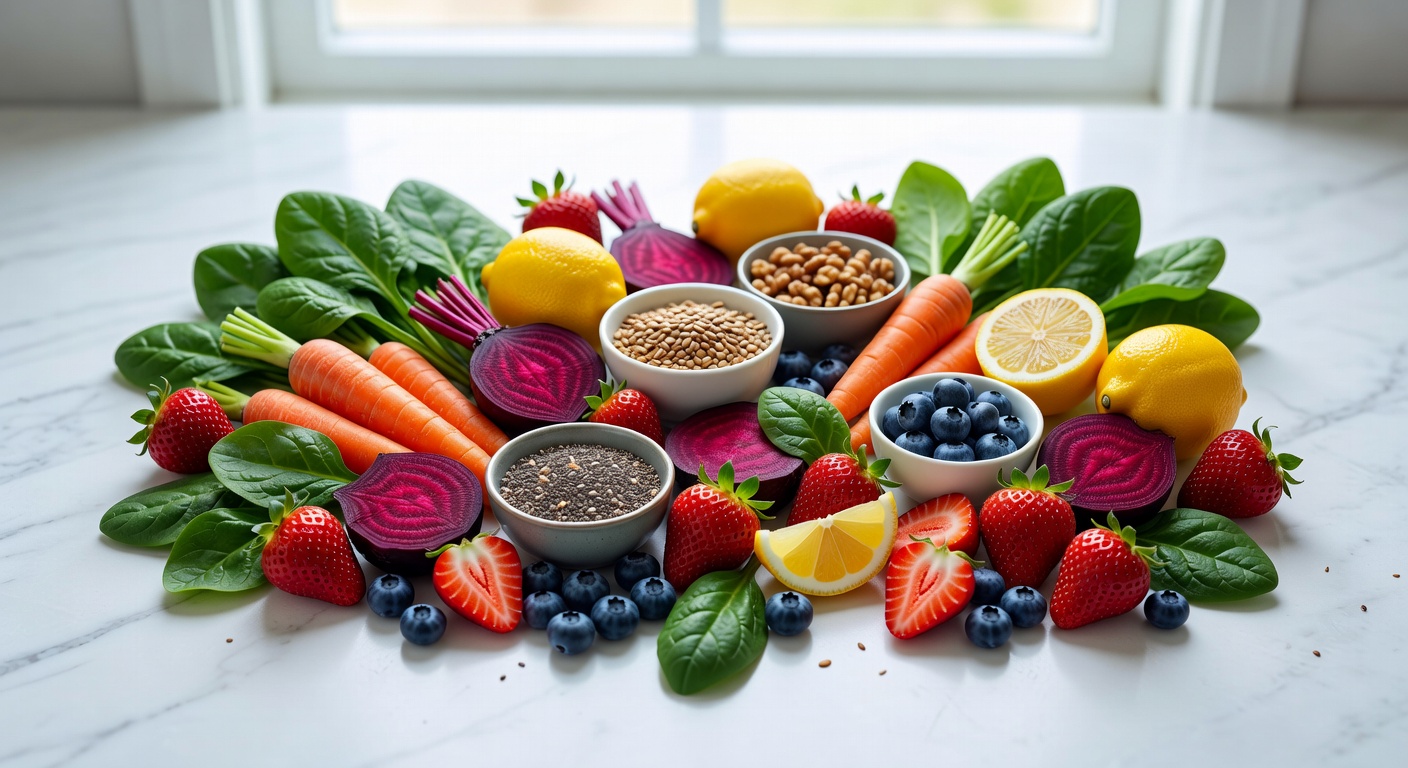
AI nutrition can help manage hypothyroidism by analyzing individual health data, genetic factors, and dietary patterns to create personalized meal plans. According to a study in the Journal of Clinical Endocrinology and Metabolism, a diet tailored to individual needs can significantly improve thyroid function markers and alleviate symptoms. Key nutrients like iron, iodine, and omega-3 fatty acids support thyroid hormone production and reduce inflammation.
Hook: Hypothyroidism is a widespread health issue affecting millions worldwide, with its symptoms ranging from fatigue and weight gain to cold intolerance and depression. Recent research suggests that AI nutrition may hold the key to better management of the condition.
Table of Contents
- What is Hypothyroidism?
- The Thyroid Gland and Its Hormones
- How AI Nutrition Can Help with Hypothyroidism
- AI’s Data Analysis and Personalization Process
- Key Nutrients and Macronutrients for Hypothyroidism
- Beyond the Basics: Other Crucial Nutrients
- Macronutrient Balance for Thyroid Health
- Practical Application: Implementing AI Nutrition in Daily Life
- Challenges and Limitations of AI Nutrition for Hypothyroidism
- Ethical Considerations and Data Privacy in AI Nutrition
- Future Directions for AI Nutrition and Hypothyroidism
- Integrating AI Nutrition into a Holistic Hypothyroidism Management Plan
- Key Takeaways
- FAQ
- Conclusion
What is Hypothyroidism?
Hypothyroidism is a condition characterized by an underactive thyroid gland, leading to reduced production of essential hormones. This can cause a range of symptoms, including fatigue, weight gain, cold intolerance, and depression. According to the American Thyroid Association, approximately 1 in 8 women will develop hypothyroidism during their lifetime. This chronic condition often requires lifelong management, making personalized and effective strategies crucial for improving quality of life.
Types of Hypothyroidism
There are several types of hypothyroidism, including primary hypothyroidism (resulting from thyroid gland damage or dysfunction, often due to autoimmune conditions like Hashimoto’s thyroiditis), secondary hypothyroidism (resulting from pituitary gland damage or dysfunction, which impacts thyroid-stimulating hormone production), and transient hypothyroidism (a temporary condition often caused by iodine deficiency, certain medications, or postpartum thyroiditis). Understanding the specific type can help tailor management strategies, though the core nutritional principles often remain similar.
The Thyroid Gland and Its Hormones
The thyroid gland, a small butterfly-shaped organ located at the base of the neck, plays a pivotal role in regulating metabolism, energy production, and overall body function. It produces two main hormones: thyroxine (T4) and triiodothyronine (T3). T4 is the primary hormone produced, which is then converted into the more active T3 in various tissues throughout the body. These hormones are critical for nearly every cell, influencing heart rate, digestion, body temperature, brain development, and bone maintenance. When the thyroid gland is underactive, the resulting deficiency in T4 and T3 slows down these bodily processes, leading to the diverse symptoms associated with hypothyroidism. Maintaining optimal levels of these hormones through proper medication and supportive nutrition is fundamental to managing the condition effectively.
How AI Nutrition Can Help with Hypothyroidism
Recent studies suggest that AI nutrition can play a crucial role in managing hypothyroidism. By analyzing existing research, individual health data, and dietary patterns, AI can identify key areas where personalized nutritional interventions can help. According to a study published in the Journal of Clinical Endocrinology and Metabolism, a diet tailored to individual needs can significantly improve thyroid function markers and alleviate symptoms. AI algorithms can process vast amounts of scientific literature, patient data, and food composition databases to generate highly customized dietary recommendations that would be impossible for a human nutritionist to compile manually. This advanced analytical capability allows for dynamic adjustments to meal plans based on real-time symptom tracking and laboratory results, optimizing nutritional support for each individual’s unique physiological response.
AI’s Data Analysis and Personalization Process
AI nutrition platforms leverage sophisticated algorithms to create highly personalized dietary plans for individuals with hypothyroidism. This process typically involves collecting and analyzing a wide array of data points, including genetic predispositions (nutrigenomics), current dietary habits, lifestyle factors (sleep, stress, physical activity), symptom severity, and relevant lab results (TSH, T3, T4 levels, nutrient deficiencies). By cross-referencing this personal data with extensive scientific literature on thyroid health, nutrient interactions, and anti-inflammatory diets, AI can identify specific food sensitivities, nutrient gaps, and optimal food combinations. The system then generates precise recommendations for meal timing, portion sizes, and ingredient choices, aiming to support thyroid hormone production, reduce inflammation, and mitigate common hypothyroid symptoms like fatigue and weight gain. This dynamic approach allows for continuous refinement of the nutrition plan as an individual’s health status or dietary preferences evolve.
Key Nutrients and Macronutrients for Hypothyroidism
Certain nutrients and macronutrients have been shown to play a crucial role in managing hypothyroidism. These include:
- Iron: Essential for thyroid hormone production, as iron-containing enzymes are involved in the synthesis of T4 and its conversion to T3. Iron deficiency can impair thyroid function and exacerbate fatigue. Good sources include lean red meat, poultry, fish, beans, lentils, spinach, and fortified cereals.
- Iodine: Crucial for thyroid hormone synthesis, as it is a fundamental component of both T4 and T3. However, excessive iodine intake can also be detrimental, potentially worsening autoimmune thyroid conditions. Balanced intake from sources like iodized salt, seaweed (in moderation), fish, and dairy products is key.
- Omega-3 fatty acids: Possess strong anti-inflammatory properties, which are beneficial for managing autoimmune conditions like Hashimoto’s thyroiditis, a common cause of hypothyroidism. They can also support overall cellular health and mood regulation. Rich sources include fatty fish (salmon, mackerel, sardines), flaxseeds, chia seeds, and walnuts.
- Probiotics: Support gut health, which is increasingly recognized for its connection to thyroid function and immune regulation. A healthy gut microbiome can improve nutrient absorption and reduce systemic inflammation, potentially alleviating some hypothyroid symptoms. Fermented foods like yogurt, kefir, sauerkraut, and kimchi are excellent sources.
- Protein: Essential for hormone regulation and transporting thyroid hormones throughout the body. Adequate protein intake supports metabolic function and helps maintain muscle mass, which can be challenging with a sluggish metabolism. Lean meats, poultry, fish, eggs, legumes, and nuts provide necessary amino acids.
Beyond the Basics: Other Crucial Nutrients
While the previously mentioned nutrients are vital, several others also significantly impact thyroid health and overall well-being for individuals with hypothyroidism. Selenium is a powerful antioxidant essential for the proper functioning of enzymes involved in thyroid hormone metabolism, particularly the conversion of T4 to T3. Brazil nuts, sunflower seeds, and seafood are excellent sources. Zinc is another critical trace element involved in thyroid hormone synthesis and receptor function; deficiency can lead to reduced T3 levels. Foods rich in zinc include oysters, beef, poultry, beans, and nuts. Vitamin D deficiency is commonly observed in hypothyroid patients and is linked to autoimmune conditions; adequate levels support immune modulation and overall health, often requiring supplementation or sun exposure. B vitamins, particularly B12, are important for energy metabolism and nerve function, and deficiencies are common in those with hypothyroidism, contributing to fatigue and neurological symptoms. Whole grains, legumes, and animal products are good sources of B vitamins.
Macronutrient Balance for Thyroid Health
Beyond specific micronutrients, the balance of macronutrients - carbohydrates, fats, and proteins - is equally important in an AI-guided diet for hypothyroidism. A moderate and balanced approach to carbohydrate intake, focusing on complex carbohydrates like whole grains, fruits, and vegetables, can provide sustained energy without causing blood sugar spikes that might stress the endocrine system. Healthy fats, including monounsaturated and polyunsaturated fats from avocados, olive oil, nuts, and seeds, are crucial for hormone production and reducing inflammation. As mentioned, adequate protein intake from lean sources supports muscle maintenance, satiety, and the transportation of thyroid hormones. AI nutrition plans often emphasize this balance to stabilize blood sugar, support satiety, and provide the necessary building blocks for optimal thyroid function, all while considering individual metabolic rates and activity levels.
Practical Application: Implementing AI Nutrition in Daily Life
Integrating AI nutrition into the daily lives of individuals with hypothyroidism involves more than just receiving a meal plan; it requires active engagement and understanding. AI platforms can generate personalized recipes, grocery lists, and even suggest meal prep strategies, simplifying adherence to the recommended diet. Users can log their food intake, symptoms, and energy levels, allowing the AI to learn and adapt the plan over time, making it truly dynamic. For example, if a user consistently reports fatigue after certain meals, the AI can analyze ingredients and suggest alternatives. This real-time feedback loop empowers individuals to take a more active role in managing their condition. Furthermore, many AI nutrition tools offer educational resources, explaining the ‘why’ behind specific recommendations, fostering a deeper understanding of food’s impact on thyroid health. It’s crucial to remember that while AI provides powerful tools, regular communication with a healthcare professional ensures that dietary changes align with overall medical treatment.
Challenges and Limitations of AI Nutrition for Hypothyroidism
While AI nutrition shows promise in managing hypothyroidism, there0 are several challenges and limitations to consider. These include:
- Individual variability: AI nutrition plans, despite their personalization capabilities, may not always fully account for the unique genetic predispositions, epigenetic factors, gut microbiome composition, and co-existing health conditions (like other autoimmune diseases or nutrient absorption issues) that significantly impact an individual’s response to diet. Human bodies are incredibly complex, and a “perfect” algorithm is still an evolving concept.
- Limited research: While AI excels at processing existing data, more specific, large-scale clinical studies are needed to fully understand the long-term efficacy and safety of AI-generated nutrition plans specifically for hypothyroidism. The scientific evidence directly linking AI-driven dietary interventions to improved thyroid hormone levels or reduced medication dependency is still in its nascent stages.
- Technological limitations: AI nutrition platforms may not always accurately assess individual needs due to limitations in data input (e.g., self-reported symptoms can be subjective), algorithm bias, or an inability to interpret subtle physiological cues that a human clinician might observe. The quality of recommendations is heavily reliant on the quality and comprehensiveness of the data it processes.
- Lack of human empathy and intuition: AI lacks the empathetic understanding and intuitive judgment of a human nutritionist or doctor. It cannot provide emotional support, interpret non-verbal cues, or adapt plans based on complex social or psychological factors that influence eating behaviors, which are often crucial for long-term dietary adherence.
- Data quality and
Frequently Asked Questions
What is AI nutrition for hypothyroidism and how does it work?
AI nutrition for hypothyroidism utilizes artificial intelligence to analyze an individual’s unique health data, including genetics, lifestyle, and existing medical conditions, to generate highly personalized dietary recommendations. This approach aims to optimize nutrient intake and dietary patterns specifically to support thyroid function and manage symptoms based on scientific evidence.
Is AI-driven nutrition a safe and effective treatment for hypothyroidism?
AI-driven nutrition is designed to be a complementary tool, offering personalized dietary guidance to support conventional medical treatment for hypothyroidism. While it can enhance dietary adherence and potentially improve symptom management through evidence-based recommendations, it is not a standalone treatment and should always be used under the supervision of a healthcare professional.
Who should consider using AI nutrition plans for managing hypothyroidism?
Individuals diagnosed with hypothyroidism who are seeking highly personalized and evidence-based dietary strategies to complement their prescribed medication may benefit from AI nutrition plans. It is particularly useful for those who want to optimize their nutritional intake based on their unique biological profile and specific needs.
Does AI nutrition for hypothyroidism recommend specific dietary restrictions or supplements?
Yes, AI nutrition platforms analyze individual data to identify potential nutrient deficiencies or sensitivities relevant to hypothyroidism, such as iodine, selenium, zinc, or vitamin D. Based on this analysis, they can recommend specific dietary adjustments, potential restrictions (e.g., gluten or dairy if indicated), or targeted supplements, all tailored to the user’s unique profile and scientific literature.
Leave a Reply