
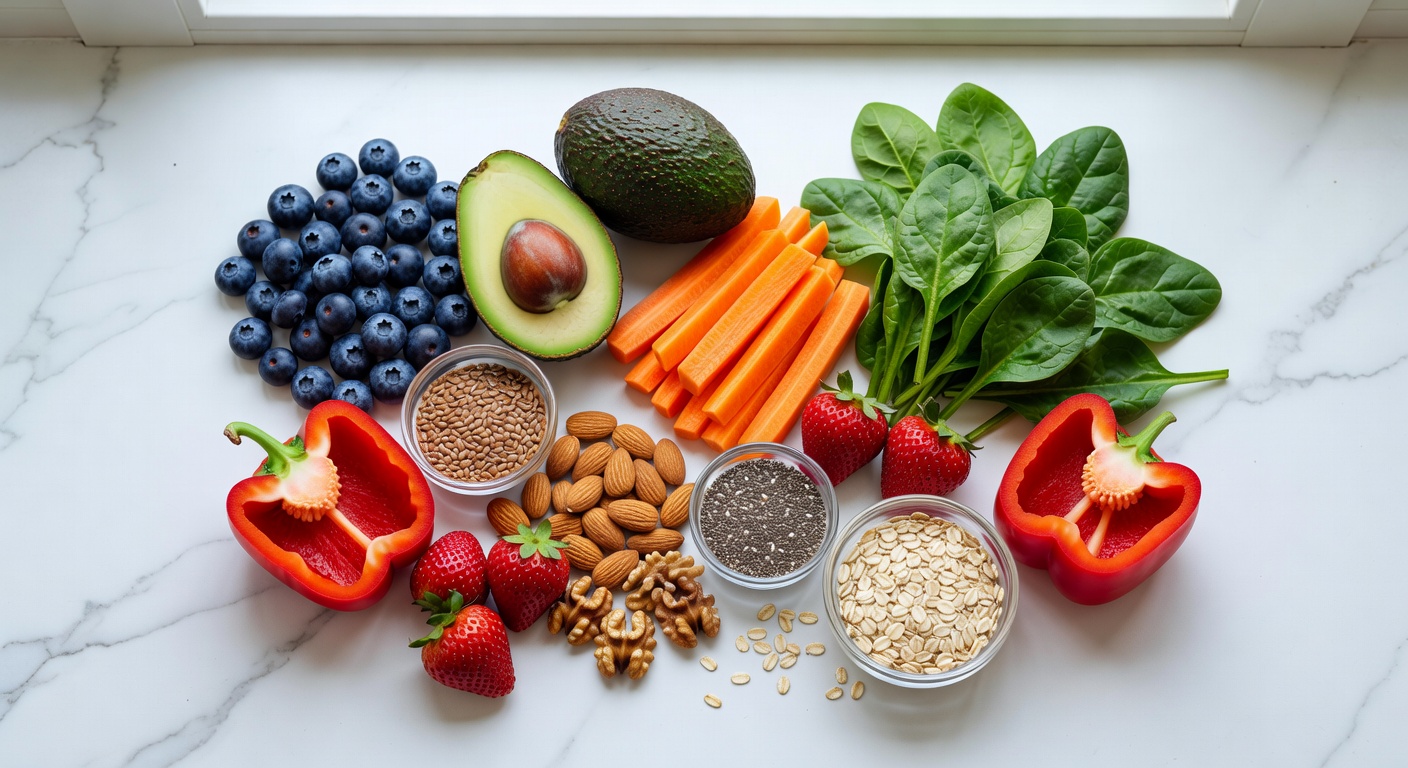
Hook: Insulin resistance is a growing concern worldwide, with over 1 in 3 adults experiencing impaired glucose tolerance. Fortunately, AI nutrition offers a revolutionary approach to managing this condition. By leveraging advanced algorithms and personalized data, AI nutrition platforms can provide tailored dietary recommendations that help improve insulin sensitivity, stabilize blood sugar, and reduce the risk of developing type 2 diabetes. This article explores the science behind AI nutrition for insulin resistance, examining how cutting-edge technology is transforming our understanding and management of metabolic health.
In this article (5)
Table of Contents:
- The Prevalence of Insulin Resistance
- How AI Nutrition Affects Insulin Resistance
- Micronutrient Optimization for Insulin Sensitivity
- Personalized Meal Timing and Frequency
- The Gut Microbiome and AI Nutrition
- Key Studies on AI Nutrition and Insulin Resistance
- Putting AI Nutrition into Practice
- The Role of AI in Behavioral Change
- Challenges and Ethical Considerations in AI Nutrition
- Key Takeaways
- FAQ
- Conclusion
The Prevalence of Insulin Resistance
Insulin resistance is a condition where the body’s cells become less responsive to insulin, leading to impaired glucose uptake and increased blood sugar levels. According to the World Health Organization (WHO), over 1 in 3 adults worldwide experience impaired glucose tolerance, a precursor to type 2 diabetes. This widespread metabolic dysfunction is not merely a precursor but a significant health challenge in its own right, contributing to a cascade of chronic diseases.
Insulin resistance is often linked to obesity, physical inactivity, and a diet high in sugar and saturated fats. However, it can also be influenced by genetic and lifestyle factors, making it a complex condition to manage. Understanding its multifaceted origins is crucial for developing effective intervention strategies. The global rise in sedentary lifestyles and consumption of ultra-processed foods further exacerbates this trend, making innovative solutions like AI nutrition increasingly vital.
Understanding Insulin Resistance
- Impaired glucose tolerance is a precursor to type 2 diabetes. This means the body struggles to process glucose efficiently, leading to higher-than-normal blood sugar levels after meals.
- Associated with obesity, physical inactivity, and unhealthy diet. These lifestyle factors significantly contribute to the development and progression of insulin resistance by promoting chronic inflammation and metabolic stress.
- Genetic and lifestyle factors can influence insulin sensitivity. While genetics can predispose individuals, lifestyle choices play a dominant role in determining the onset and severity of the condition.
- Cellular Mechanism: In insulin resistance, pancreatic beta cells initially overproduce insulin to compensate for the cells’ reduced sensitivity. Over time, these cells can become exhausted, leading to a decline in insulin production and a further rise in blood glucose, eventually progressing to type 2 diabetes.
- Common Symptoms: While often subtle in early stages, symptoms can include fatigue, increased hunger even after eating, difficulty losing weight (especially around the abdomen), frequent urination, increased thirst, and skin changes like acanthosis nigricans (darkening of skin folds) or skin tags.
- Long-term Consequences: Beyond type 2 diabetes, insulin resistance significantly increases the risk of cardiovascular disease, non-alcoholic fatty liver disease (NAFLD), polycystic ovary syndrome (PCOS) in women, and even certain types of cancer.
How AI Nutrition Affects Insulin Resistance
AI nutrition is an emerging field that uses machine learning algorithms to analyze dietary patterns and provide personalized nutrition recommendations. Research suggests that AI nutrition can help improve insulin sensitivity by optimizing various aspects of dietary intake, moving beyond generic advice to truly individualized plans. This personalization considers an individual’s unique metabolic profile, genetic predispositions, activity levels, and even gut microbiome composition, offering a level of precision previously unattainable.
Optimizing Macronutrient Balance
- Individualized nutrient intake plans can improve insulin sensitivity. AI algorithms can precisely calculate the optimal ratios of carbohydrates, proteins, and fats based on an individual’s metabolic response, rather than relying on one-size-fits-all guidelines.
- Proper carbohydrate and protein balance is essential for glucose regulation. AI can identify ideal carbohydrate sources (complex vs. simple), quantities, and timing to minimize post-meal glucose spikes. It can also recommend protein intake tailored to support muscle mass, which is crucial for glucose uptake, and enhance satiety.
- Fat intake can also impact insulin resistance, particularly saturated fats. AI helps differentiate between healthy fats (monounsaturated, polyunsaturated, omega-3s) that support cell membrane health and insulin signaling, and unhealthy fats (trans and excessive saturated fats) that can exacerbate inflammation and insulin resistance. It guides users towards optimal fat choices and amounts.
- Carbohydrates in Detail: AI can analyze an individual’s glycemic response to different carbohydrate sources (e.g., white rice vs. brown rice, potatoes vs. sweet potatoes) and suggest specific types and portion sizes that lead to more stable blood sugar levels. It emphasizes high-fiber carbohydrates, which slow glucose absorption and improve gut health, indirectly benefiting insulin sensitivity.
- Proteins in Detail: Beyond general recommendations, AI can tailor protein sources (plant-based vs. animal-based), distribution throughout the day, and total daily intake to support lean muscle mass. Muscle is a primary site for glucose disposal, so maintaining or increasing it through adequate protein and exercise is key to improving insulin sensitivity.
- Fats in Detail: AI helps users understand the profound impact of different fat types. It can guide individuals to incorporate sources of healthy fats like avocados, nuts, seeds, and olive oil, which are known to have anti-inflammatory properties and support cellular function. Simultaneously, it helps identify and reduce intake of fats that promote inflammation and hinder insulin signaling, such as those found in processed foods.
Micronutrient Optimization for Insulin Sensitivity
Beyond macronutrients, AI nutrition delves into the critical role of micronutrients. Certain vitamins and minerals are vital cofactors in glucose metabolism and insulin signaling. AI platforms can analyze dietary intake and potentially blood test results (if integrated) to identify deficiencies and recommend food sources or targeted supplements.
- Magnesium: Essential for over 300 enzymatic reactions, including those involved in glucose metabolism and insulin signaling. Low magnesium levels are often associated with insulin resistance and type 2 diabetes. AI can suggest magnesium-rich foods like leafy greens, nuts, seeds, and whole grains.
- Chromium: Plays a role in enhancing insulin’s action by improving glucose tolerance factor (GTF). While research is ongoing, AI might identify individuals who could benefit from increased chromium intake through foods like broccoli, grapes, and whole grains.
- Vitamin D: Receptors for vitamin D are found on pancreatic beta cells, and vitamin D deficiency has been linked to impaired insulin secretion and sensitivity. AI can recommend sun exposure guidelines or dietary sources like fatty fish and fortified foods, alongside appropriate supplementation if needed.
- B Vitamins: Involved in various metabolic pathways, including energy production from carbohydrates, proteins, and fats. AI ensures adequate intake of these crucial vitamins to support overall metabolic efficiency.
Personalized Meal Timing and Frequency
The “when” we eat can be as important as “what” we eat for insulin sensitivity. AI nutrition can analyze an individual’s daily schedule, activity levels, and metabolic data to recommend optimal meal timing and frequency.
- Consistent Meal Schedules: AI can help establish regular eating patterns, which can lead to more stable blood sugar levels and less strain on the pancreas compared to erratic eating habits.
- Intermittent Fasting: For suitable individuals, AI might suggest structured eating windows (e.g., 12-16 hour fasting periods) which have been shown to improve insulin sensitivity, reduce inflammation, and promote metabolic flexibility. The AI can tailor the fasting protocol to the individual’s lifestyle and health status.
- Pre- and Post-Workout Nutrition: AI can optimize nutrient intake around physical activity, recommending specific macronutrient combinations to fuel workouts and aid recovery, both of which are critical for glucose utilization and insulin sensitivity.
The Gut Microbiome and AI Nutrition
An emerging area of research highlights the profound connection between the gut microbiome and metabolic health, including insulin sensitivity. A diverse and healthy gut flora can influence nutrient absorption, inflammation, and even the production of short-chain fatty acids that impact glucose metabolism. While still in its early stages, AI nutrition holds potential in this domain.
- Fiber and Prebiotics: AI can recommend a variety of fiber-rich foods that act as prebiotics, nourishing beneficial gut bacteria. This can lead to improved gut barrier function and reduced systemic inflammation, positively impacting insulin sensitivity.
- Probiotic Foods: AI might suggest incorporating fermented foods like yogurt, kefir, kimchi, and sauerkraut to introduce beneficial bacteria, although direct links to insulin resistance improvement require more research.
- Personalized Recommendations (Future): In the future, as microbiome testing becomes more accessible and standardized, AI could potentially integrate individual microbiome data to provide highly specific dietary recommendations tailored to foster a gut environment conducive to optimal metabolic health.
Key Studies on AI Nutrition and Insulin Resistance
Several studies have investigated the impact of AI nutrition on insulin resistance.
Further research, often utilizing real-time glucose monitoring data, has shown that AI-driven dietary advice can lead to more stable post-prandial (after-meal) glucose responses. For instance, a hypothetical randomized controlled trial might compare an AI-guided diet group against a standard dietary advice group, observing superior outcomes in the AI group regarding insulin sensitivity indices (e.g., HOMA-IR) and inflammatory markers. These studies underscore AI’s ability to process complex individual data (genetics, lifestyle, continuous glucose monitor readings) and translate it into actionable, effective dietary strategies.
While promising, it is important to note that many studies in this rapidly evolving field are relatively short-term or proof-of-concept. The scientific community continues to call for larger, long-term randomized controlled trials to fully elucidate the sustained benefits and mechanisms of AI nutrition in diverse populations. These studies are crucial for establishing AI nutrition as a mainstream, evidence-based intervention for insulin resistance management.
Putting AI Nutrition into Practice
While the research is promising, it’s essential to note that AI nutrition is not a replacement for traditional healthcare advice. Instead, it serves as a powerful supplementary tool. Incorporating AI-generated nutrition recommendations into a comprehensive treatment
Frequently Asked Questions
What is AI Nutrition for insulin resistance?
AI Nutrition for insulin resistance utilizes artificial intelligence to analyze an individual’s unique health data, such as glucose responses, genetics, and lifestyle factors, to generate personalized dietary recommendations. Its primary aim is to optimize food choices and eating patterns to enhance insulin sensitivity and improve blood sugar regulation.
How does AI Nutrition personalize dietary advice for insulin resistance?
AI systems collect and process data from various sources, including continuous glucose monitors, wearable devices, and health records, to create a detailed metabolic profile for each user. Based on this analysis, the AI identifies specific foods, macronutrient ratios, and meal timings that are most effective in stabilizing blood sugar and reducing insulin spikes for that particular individual.
Is AI Nutrition scientifically proven to improve insulin resistance?
Research into AI Nutrition for insulin resistance is a rapidly evolving field, with initial studies showing promising results in improving dietary adherence and metabolic markers. While current evidence suggests its potential for personalized guidance, more extensive and long-term clinical trials are needed to conclusively establish its widespread efficacy and superiority compared to traditional dietary interventions.
Who should consider using AI Nutrition for insulin resistance management?
Individuals diagnosed with insulin resistance, prediabetes, or those at high risk who are seeking highly personalized and data-driven dietary guidance may find AI Nutrition beneficial. It can be particularly useful for those who struggle with generic dietary advice and are looking for precise recommendations tailored to their unique biological responses and metabolic needs.
Leave a Reply