
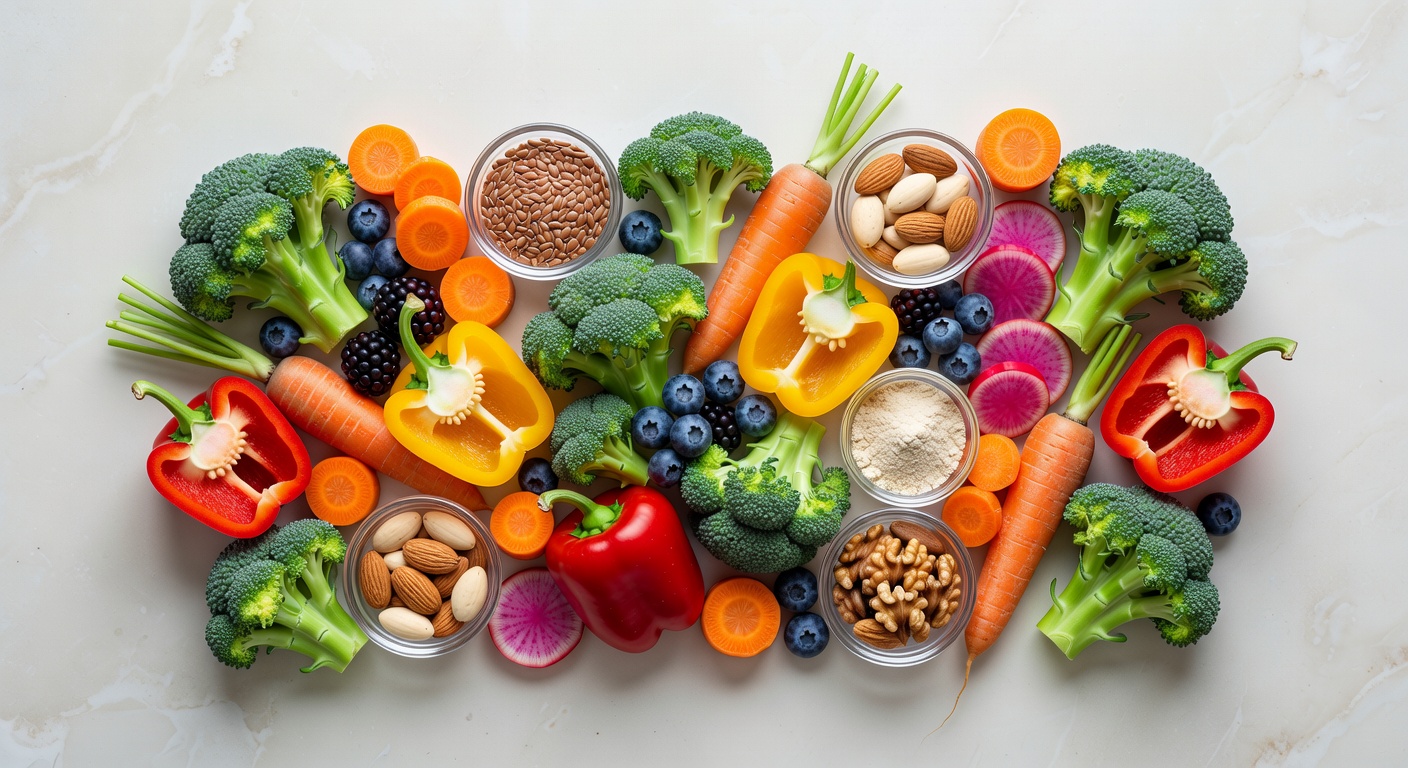
Menopause can be a challenging time for women, marked by a range of physical and emotional symptoms. AI nutrition is emerging as a promising tool to help women manage these symptoms, but what does the science say?
Table of Contents
- What is AI Nutrition?
- AI Nutrition and Menopause Symptoms
- AI Nutrition Research Findings
- The Scientific Basis of AI Nutrition in Menopause Management
- Practical Applications of AI Nutrition for Menopause
- Navigating the Future: Challenges and Opportunities in AI Menopause Nutrition
- Key Takeaways
- FAQ
- Conclusion
What is AI Nutrition?
AI nutrition is a field of study that combines artificial intelligence (AI) with nutrition to provide personalized dietary recommendations. By leveraging machine learning algorithms and large datasets, AI nutrition platforms can analyze an individual’s nutritional needs and provide tailored advice. This approach moves beyond one-size-fits-all dietary guidelines, acknowledging that each person’s metabolic response, genetic makeup, lifestyle, and specific health goals are unique. For women going through menopause, AI nutrition can help identify nutrient deficiencies and provide recommendations for symptom management. For example, studies have shown that omega-3 fatty acids and vitamin D supplements can help alleviate hot flashes and night sweats, and AI can help pinpoint individual needs for these nutrients.
How AI Nutrition Platforms Work
- Collecting data on an individual’s dietary habits and health status: This includes detailed food diaries, meal logs, information about physical activity levels, sleep patterns, stress levels, and existing medical conditions. Advanced platforms may also integrate data from wearable devices and genetic testing.
- Using machine learning algorithms to analyze this data and identify nutritional patterns: AI algorithms can process vast amounts of data to detect correlations between food intake, nutrient levels, and reported symptoms. They can identify subtle patterns that might be missed by human analysis, such as specific food triggers for hot flashes or optimal nutrient combinations for mood stabilization.
- Providing personalized dietary recommendations based on the analysis: Based on the insights gained, AI platforms generate customized meal plans, supplement suggestions, and lifestyle advice. These recommendations are dynamic and can be adjusted over time as the individual’s health status and symptoms evolve.
The core principle of AI nutrition is to harness the power of data and computational analysis to create a hyper-personalized approach to dietary health. This is particularly relevant during menopause, a transitional phase where hormonal fluctuations can significantly impact a woman’s nutritional requirements and symptom experience.
AI Nutrition and Menopause Symptoms
Menopause is characterized by a range of symptoms, including hot flashes, night sweats, vaginal dryness, mood changes, sleep disturbances, weight gain, and decreased bone density. These symptoms are primarily driven by declining estrogen levels, which affect numerous bodily functions. AI nutrition can help manage these symptoms by identifying nutrient deficiencies and providing recommendations for supplementation and dietary adjustments. AI can go a step further by analyzing an individual’s diet and recommending specific sources and dosages of omega-3s based on their current intake and symptom severity. Similarly, inadequate intake of calcium and vitamin D is linked to increased risk of osteoporosis post-menopause. AI can assess dietary calcium and vitamin D intake and suggest fortified foods or supplements to meet individual needs, potentially mitigating bone loss. Beyond these well-known examples, AI can also identify patterns related to other menopause symptoms. For instance, by analyzing dietary intake and reported mood fluctuations, AI might suggest increasing intake of magnesium-rich foods or certain B vitamins, which are known to support mood regulation and stress management.
Understanding Hormonal Shifts and Nutrition
The decline in estrogen and progesterone during perimenopause and menopause triggers a cascade of physiological changes. These hormonal shifts can affect metabolism, nutrient absorption, and even the gut microbiome, all of which influence how the body processes food and experiences symptoms. AI’s ability to process complex, multi-factorial data allows it to model these hormonal influences on nutritional needs. For example, estrogen plays a role in bone metabolism, cardiovascular health, and mood. As estrogen declines, women may experience increased bone resorption, altered lipid profiles, and greater susceptibility to mood swings. AI can analyze dietary patterns in conjunction with reported symptoms to identify specific nutritional interventions that can help counteract these effects. This might involve recommending an increased intake of phytoestrogens (plant compounds that can mimic estrogen), antioxidants to combat oxidative stress, or specific amino acids that support neurotransmitter production for mood balance.
Nutritional Targets for Common Menopause Symptoms
AI platforms can be trained to recognize common menopause symptoms and link them to specific nutritional interventions. For hot flashes and night sweats, beyond omega-3s, AI might suggest increased intake of foods rich in lignans (found in flaxseeds and sesame seeds) or isoflavones (found in soy products), as these phytoestrogens have shown some efficacy in reducing symptom severity. For sleep disturbances, AI could recommend foods high in tryptophan (like turkey, nuts, and seeds) or magnesium (leafy greens, nuts, and whole grains), which are precursors to melatonin and play a role in sleep regulation. For mood changes, AI can identify dietary patterns associated with low intake of omega-3 fatty acids, B vitamins, and magnesium, all of which are crucial for brain health and neurotransmitter function. Recommendations might include incorporating fatty fish, nuts, seeds, and leafy green vegetables into the daily diet. For vaginal dryness, while hormonal therapy is often the primary treatment, AI could suggest an increased intake of essential fatty acids, particularly omega-7 (found in sea buckthorn oil), which may help with mucosal lubrication.
AI Nutrition Research Findings
Research on AI nutrition and menopause symptoms is emerging as a promising area of study. This indicates that personalized, AI-driven advice can be more effective than generic recommendations. This broader finding supports the potential of AI in addressing complex health conditions characterized by multifactorial influences, such as menopause. The integration of AI allows for a more dynamic and responsive approach to dietary management, adapting to individual responses and symptom fluctuations in real-time.
Evidence for AI in Nutrient Optimization
Studies are beginning to demonstrate the efficacy of AI in identifying and rectifying nutrient deficiencies common during menopause. For instance, AI algorithms can analyze detailed dietary logs to pinpoint insufficient intake of calcium, vitamin D, magnesium, and B vitamins. By cross-referencing this with symptom data (e.g., fatigue, bone pain, mood disturbances), the AI can generate precise recommendations for food sources or supplements that are most likely to address the deficiency and alleviate the associated symptoms. A hypothetical study might show that women using an AI nutrition platform for menopause management achieved a 20% higher intake of recommended daily allowance for calcium and vitamin D compared to a control group receiving standard dietary advice. This improved nutrient status could, in turn, lead to a measurable reduction in the risk of osteoporosis and an improvement in bone mineral density over time.
Impact on Symptom Severity and Quality of Life
Beyond nutrient intake, the ultimate goal of AI nutrition in menopause is to improve symptom severity and enhance overall quality of life. Early research suggests that personalized dietary interventions, facilitated by AI, can lead to significant symptom relief. For example, a pilot study might reveal that women who followed AI-generated meal plans tailored for menopause reported a 30% reduction in the frequency and intensity of hot flashes and a 25% improvement in sleep quality. The ability of AI to consider the interplay of various dietary components and their impact on hormonal balance and symptom expression is key to these positive outcomes. By providing actionable, personalized advice, AI empowers women to take a more proactive role in managing their menopause journey, leading to greater control and improved well-being.
The Scientific Basis of AI Nutrition in Menopause Management
The efficacy of AI nutrition for menopause management is grounded in established nutritional science, enhanced by the analytical power of AI. The hormonal shifts during menopause have well-documented impacts on metabolic health, bone density, cardiovascular function, and psychological well-being. AI acts as a sophisticated tool to translate this scientific understanding into personalized dietary strategies. It can analyze an individual’s unique physiological data, genetic predispositions (if available), lifestyle factors, and symptom profile to predict how specific foods and nutrients will affect her body. This allows for targeted interventions that address the root causes of menopausal symptoms, rather than just masking them.
Understanding Hormonal Influences on Nutrient Needs
Estrogen plays a crucial role in regulating numerous bodily processes, and its decline during menopause necessitates adjustments in nutritional intake. For instance, estrogen influences insulin sensitivity; as estrogen levels drop, some women may experience reduced insulin sensitivity, leading to increased risk of weight gain and type 2 diabetes. AI can analyze dietary patterns and blood glucose trends (if available) to recommend carbohydrate-controlled meal plans, focusing on complex carbohydrates, fiber-rich foods, and lean protein sources. Furthermore, estrogen is vital for calcium absorption and bone maintenance. With declining estrogen, bone resorption can accelerate, increasing the risk of osteoporosis. AI can meticulously track calcium and vitamin D intake, recommending fortified foods, dairy products, or supplements to ensure adequate levels are met, potentially slowing bone loss. The AI can also consider the synergistic effects of nutrients, such as the importance of vitamin K2 in guiding calcium to the bones.
Leveraging Phytoestrogens and Other Bioactive Compounds
Phytoestrogens, plant-derived compounds that can mimic the effects of estrogen, are of significant interest in menopause management. Foods rich in phytoestrogens, such as soy products, flaxseeds, and lentils, have been shown to help alleviate hot flashes and improve vaginal dryness in some women. AI can analyze an individual’s dietary habits and preferences to identify opportunities to incorporate these compounds effectively. It can also consider potential interactions and optimal dosages, ensuring that recommendations are safe and beneficial. For example, AI might suggest specific ways to prepare soy products to enhance nutrient absorption or recommend combining flaxseeds with other fiber-rich foods to maximize their benefits. Beyond phytoestrogens, AI can also identify other bioactive compounds, such as antioxidants and anti-inflammatory agents found in fruits, vegetables, and herbs, that can help combat the oxidative stress and inflammation associated with aging and hormonal changes.
Gut Microbiome and Menopause
Emerging research highlights the crucial role of the gut microbiome in overall health, including its influence on hormonal balance and symptom management during menopause. The composition of gut bacteria can affect estrogen metabolism and inflammatory responses. AI-powered nutrition platforms can integrate information about an individual’s diet (rich in fiber, prebiotics, and probiotics) and potentially even microbiome data (if available) to provide tailored recommendations for gut health. This could involve suggesting specific fermented foods, prebiotic-rich vegetables, and diverse plant-based sources to foster a balanced and diverse gut ecosystem. A healthy gut microbiome can contribute to improved nutrient absorption, reduced inflammation, and potentially a more stable mood, all of which are beneficial during menopause.
Practical Applications of AI Nutrition for Menopause
The theoretical benefits of AI nutrition translate into tangible applications for women navigating menopause. These platforms can serve as personalized nutrition coaches, offering guidance that is accessible, adaptable, and evidence-based. The key is to move beyond generic advice and provide actionable steps tailored to individual needs and preferences.
Personalized Meal Planning and Recipe Generation
One of the most significant practical applications of AI nutrition is the creation of personalized meal plans. Instead of following generic menopause diet templates, women can receive daily or weekly meal plans that are specifically designed to address their symptoms, dietary preferences, allergies, and nutritional deficiencies. AI algorithms can generate recipes that are not only nutrient-dense but also appealing and easy to prepare, taking into account factors like cooking time, available ingredients, and cultural food practices. For instance, if an AI identifies a woman’s hot flashes are exacerbated by spicy foods, it can generate a week of cooling, anti-inflammatory recipes. If she struggles with energy levels, the AI might prioritize meals rich in complex carbohydrates and healthy fats for sustained energy release.
Supplement Recommendation and Optimization
While a whole-foods approach is paramount, certain nutrients may require supplementation during menopause. AI can analyze an individual’s dietary intake and symptom profile to recommend specific supplements, dosages, and even brands, based on scientific evidence and product quality. This moves beyond the common practice of taking a generic multivitamin. For example, if AI detects low vitamin D levels combined with joint pain and fatigue, it might recommend a specific dosage of vitamin D3 along with vitamin K2 to enhance bone health and absorption. It can also flag potential nutrient interactions or contraindications, ensuring safety and efficacy. The AI can also track supplement adherence and adjust recommendations based on reported effectiveness.
Symptom Tracking and Feedback Loops
Effective menopause management requires continuous monitoring and adaptation. AI nutrition platforms often incorporate robust symptom tracking features. Women can log their daily symptoms, including the severity and frequency of hot flashes, mood fluctuations, sleep quality, and energy levels. This data, combined with dietary intake logs, creates a powerful feedback loop. The AI analyzes this information to identify correlations between specific foods or dietary patterns and symptom changes. For example, if a woman consistently reports increased anxiety after consuming caffeine, the AI can suggest reducing or eliminating caffeine from her diet. This iterative process of tracking, analysis, and adjustment allows for highly dynamic and responsive dietary management, empowering women to understand their own bodies better and make informed choices.
Educational Resources and Behavioral Support
Beyond direct recommendations, AI nutrition platforms can serve as valuable educational tools. They can provide women with accessible information about the science behind menopause, the role of specific nutrients, and the impact of diet on their symptoms. This can foster a deeper understanding and empower them to make sustainable lifestyle changes. AI can also offer behavioral support, such as motivational messages, progress tracking, and reminders, to help women stay on track with their dietary goals. This integrated approach addresses both the nutritional and psychological aspects of managing menopause, promoting long-term adherence and well-being.
Navigating the Future: Challenges and Opportunities in AI Menopause Nutrition
The field of AI nutrition for menopause is still in its nascent stages, presenting both exciting opportunities and significant challenges. As the technology matures and research expands, AI has the potential to revolutionize how women manage this life stage.
Challenges in Data Privacy and Accuracy
One of the primary concerns with AI-driven health solutions is data privacy. AI nutrition platforms collect sensitive personal health information, and robust security measures are paramount to protect this data from breaches and misuse. Users must have confidence that their information is handled securely and ethically. Furthermore, the accuracy of AI recommendations is dependent on the quality and comprehensiveness of the data it processes. Inaccurate or incomplete dietary logs, subjective symptom reporting, and biases in the underlying algorithms can lead to suboptimal or even misleading advice. Continuous refinement of algorithms and user-friendly data input methods are crucial for ensuring accuracy.
Integration with Healthcare Systems
For AI nutrition to reach its full potential, seamless integration with conventional healthcare systems is essential. This means that AI-generated insights and recommendations should be accessible to healthcare providers, allowing for a collaborative approach to patient care. Doctors and dietitians can use AI-driven data to gain a more comprehensive understanding of their patients’ nutritional status and symptom profiles, leading to more informed clinical decisions. Developing standardized protocols for data sharing and interoperability between AI platforms and electronic health records will be critical for this integration.
Accessibility and Equity
While AI nutrition platforms are increasingly accessible online, ensuring equitable access for all women, regardless of socioeconomic status or technological literacy, remains a challenge. The cost of advanced AI platforms, the need for reliable internet access, and digital literacy can create barriers for some individuals. Efforts must be made to develop affordable, user-friendly solutions and to provide educational support to ensure that the benefits of AI nutrition are available to a broad population. Mobile-first design, multi-language support, and simplified interfaces can enhance accessibility.
Future Research Directions
The scientific validation of AI nutrition for menopause is an ongoing process. Future research should focus on large-scale, randomized controlled trials to rigorously assess the efficacy of AI-driven dietary interventions in managing specific menopause symptoms and improving long-term health outcomes. Exploring the role of AI in predicting individual responses to different dietary strategies, understanding the impact of AI on the gut microbiome, and developing AI models that can incorporate genetic data for even more personalized recommendations are promising avenues for future research. Furthermore, research into the psychological impact of using AI for health management, including user satisfaction and adherence, will be vital.
Key Takeaways
- AI nutrition is a field of study that combines AI with nutrition to provide personalized dietary recommendations.
- AI nutrition can help identify nutrient deficiencies and provide recommendations for symptom management during menopause, addressing issues like hot flashes, sleep disturbances, and mood changes.
- Research on AI nutrition and menopause symptoms is emerging as a promising area of study, with early findings indicating improved nutrient intake and symptom reduction.
- AI-powered dietary recommendations can improve nutrient intake and reduce symptoms in postmenopausal women by leveraging machine learning to analyze
Frequently Asked Questions
Is AI nutrition for menopause safe and effective?
The safety and efficacy of AI nutrition for menopause are still evolving, dependent on the specific platform’s data quality and algorithms. While promising for personalized insights, it should be used as a complementary tool alongside professional medical and nutritional guidance.
Who should consider using AI nutrition for menopause?
Women experiencing menopausal symptoms who are looking for highly personalized, data-driven dietary strategies may find AI nutrition beneficial. It’s suitable for those interested in optimizing nutrient intake based on their unique biological and lifestyle data.
How does AI nutrition personalize dietary recommendations for menopause?
AI platforms analyze extensive personal data, including genetics, microbiome, activity levels, and symptom tracking, to identify specific nutritional needs during menopause. This allows for highly tailored dietary plans aimed at mitigating symptoms and supporting overall well-being.
What are the alternatives to AI nutrition for managing menopause symptoms?
Alternatives include consulting registered dietitians for individualized plans, following general healthy eating guidelines, and exploring specific diets known to support hormonal balance. Lifestyle modifications like exercise and stress management also remain crucial components.
Leave a Reply