
Table of Contents
- What is Rheumatoid Arthritis?
- Diet and Rheumatoid Arthritis: Current Research
- The Gut Microbiome and RA: An Emerging Link
- AI-Powered Nutrition Education: A New Approach to Managing RA
- How AI Personalizes Nutrition Recommendations for RA
- Practical Tips for Integrating Diet and AI into RA Management
- Challenges and Future of AI in RA Diet Management
- Key Takeaways
- FAQ
- Conclusion
What is Rheumatoid Arthritis?
Rheumatoid arthritis (RA) is a chronic autoimmune disease characterized by inflammation and pain in the joints. According to the Centers for Disease Control and Prevention (CDC), RA affects approximately 1% of the global population, with women being more likely to develop the condition than men.
The exact causes of RA remain unclear; however, research suggests that genetic, environmental, and hormonal factors contribute to its development. A growing body of evidence indicates that dietary patterns may play a crucial role in modulating disease activity and symptoms.
RA is not merely a joint disease; it is a systemic condition that can affect various organs, including the heart, lungs, and eyes. The immune system mistakenly attacks the synovium, the lining of membranes that surround the joints, leading to inflammation, swelling, and eventually, bone erosion and joint deformity if left untreated. Early diagnosis and intervention are critical to prevent irreversible joint damage and maintain quality of life.
Subsection: What are the common symptoms of RA?
- Persistent joint pain or swelling, often symmetrical and affecting smaller joints first (e.g., hands and feet)
- Stiffness, particularly in the morning or after periods of inactivity, lasting for more than 30 minutes
- Skin rashes or nodules, which are firm lumps that form under the skin near affected joints
- Fever, fatigue, and weight loss, indicating systemic inflammation
- General malaise and a feeling of being unwell
Living with RA often involves managing chronic pain and fatigue, which can significantly impact daily activities, work, and social life. Conventional treatments typically involve disease-modifying antirheumatic drugs (DMARDs), biologics, and nonsteroidal anti-inflammatory drugs (NSAIDs) to reduce inflammation and slow disease progression. However, these treatments can have side effects, leading many patients to explore complementary approaches, including dietary interventions, to better manage their condition.
Diet and Rheumatoid Arthritis: Current Research
Several studies have investigated the relationship between diet and RA symptoms. A 2020 systematic review published in the Journal of Clinical Rheumatology found that a Mediterranean-style diet, rich in fruits, vegetables, whole grains, and healthy fats, was associated with reduced inflammation and improved disease activity.
This dietary pattern emphasizes plant-based foods, lean proteins, and unsaturated fats, which collectively provide a wealth of antioxidants, fiber, and anti-inflammatory compounds. Beyond the Mediterranean diet, research continues to explore specific nutrients and food groups that can either mitigate or exacerbate RA symptoms. Understanding these relationships allows for more targeted dietary strategies.
Subsection: What are the key dietary components that may help manage RA?
- Fatty fish (omega-3 fatty acids): Eicosapentaenoic acid (EPA) and docosahexaenoic acid (DHA) found in salmon, mackerel, and sardines possess potent anti-inflammatory properties, helping to reduce joint pain and stiffness.
- Turmeric/Curcumin: The active compound in turmeric, curcumin, is a powerful antioxidant and anti-inflammatory agent that has been shown to alleviate RA symptoms in some studies.
- Ginger: Known for its anti-inflammatory effects, ginger can help reduce pain and swelling, similar to some NSAIDs, by inhibiting pro-inflammatory pathways.
- Omega-6 rich foods (walnuts, chia seeds): While some omega-6s can be pro-inflammatory, gamma-linolenic acid (GLA) found in certain plant oils (like evening primrose or borage oil) and nuts like walnuts can have anti-inflammatory effects. It’s crucial to balance omega-6 and omega-3 intake.
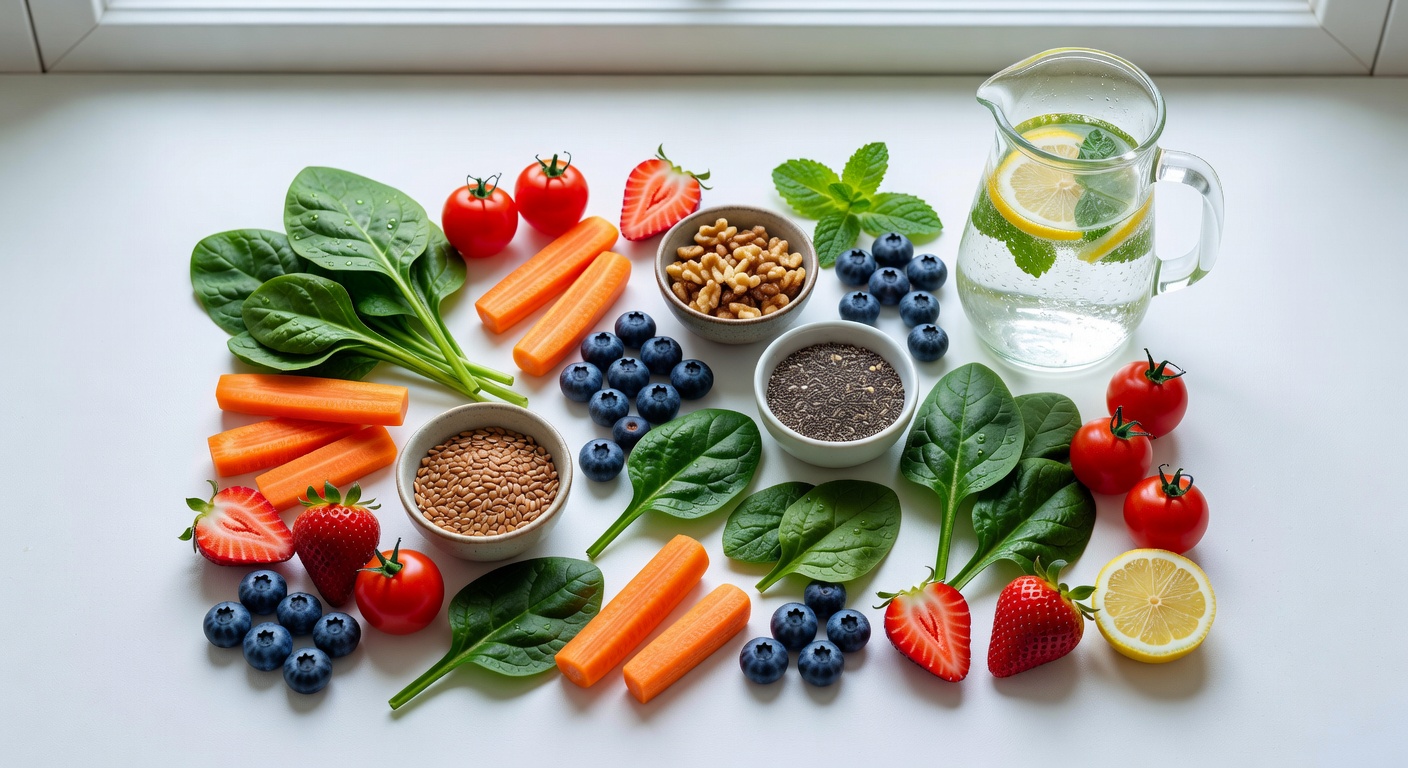
- Fruits and vegetables: Rich in antioxidants and phytochemicals, these foods combat oxidative stress and inflammation, protecting joint tissues. Berries, leafy greens, and cruciferous vegetables are particularly beneficial.
- Whole grains: Provide fiber, which supports gut health and can indirectly reduce systemic inflammation. Examples include oats, brown rice, and quinoa.
- Lean proteins: Essential for tissue repair and immune function, opting for sources like poultry, legumes, and fish over red and processed meats can be beneficial.
Conversely, certain foods are known to promote inflammation and may worsen RA symptoms. These often include highly processed foods, refined sugars, trans fats, and excessive red meat consumption. Identifying and limiting these pro-inflammatory foods is as important as incorporating beneficial ones. The cumulative effect of dietary choices plays a significant role in managing the chronic inflammatory state of RA.
The Gut Microbiome and RA: An Emerging Link
Recent scientific advancements have highlighted the profound connection between the gut microbiome and systemic health, including autoimmune diseases like RA. The gut-joint axis theory suggests that dysbiosis, an imbalance in gut bacteria, can contribute to increased gut permeability (leaky gut), allowing bacterial components and toxins to enter the bloodstream, triggering systemic inflammation and exacerbating autoimmune responses in the joints.
Diet plays a crucial role in shaping the composition and function of the gut microbiome. A diet rich in diverse plant fibers, prebiotics, and probiotics can foster a healthy gut environment, promoting the growth of beneficial bacteria that produce short-chain fatty acids (SCFAs) like butyrate, known for their anti-inflammatory properties. Conversely, a diet high in processed foods, sugar, and unhealthy fats can lead to a less diverse and more pro-inflammatory microbiome.
Subsection: How diet influences gut health in RA
- **Fiber-rich foods:** Found in fruits, vegetables, whole grains, and legumes, dietary fiber acts as a prebiotic, feeding beneficial gut bacteria and supporting SCFA production.
- **Fermented foods:** Kefir, yogurt, sauerkraut, and kimchi are natural sources of probiotics, introducing beneficial bacteria directly into the gut.
- **Polyphenols:** These plant compounds, abundant in berries, dark chocolate, and green tea, are metabolized by gut bacteria, producing anti-inflammatory metabolites.
- **Limiting inflammatory foods:** Reducing intake of refined sugars, artificial sweeteners, and emulsifiers can prevent disruption of the gut barrier and maintain microbial balance.
Targeting the gut microbiome through specific dietary interventions offers a promising avenue for RA management. By optimizing gut health, individuals may experience a reduction in systemic inflammation, leading to improved RA symptoms and potentially reduced reliance on medication. This holistic approach underscores the interconnectedness of diet, gut health, and autoimmune disease progression.
AI-Powered Nutrition Education: A New Approach to Managing RA
Recent advancements in artificial intelligence have enabled the development of personalized nutrition plans tailored to individual needs. AI-powered platforms like diet-for-rheumatoid-arthritis-what-science-says/”>nutrition-education”>AI-Powered Nutrition Education: A New Approach to Managing RA
What is Rheumatoid Arthritis?
You might also like: How AI Can Help Manage PCOS Through Diet
can analyze vast amounts of data, including genetic information, medical history, and dietary habits, to provide evidence-based recommendations for managing RA symptoms.
By leveraging machine learning algorithms and natural language processing, these platforms can:
- Identify potential food sensitivities or intolerances by cross-referencing dietary logs with symptom tracking and genetic markers.
- Recommend nutrient-dense foods and supplements specifically chosen for their anti-inflammatory properties and ability to support joint health.
- Provide personalized meal planning and recipes that adhere to individual preferences, dietary restrictions, and caloric needs, making adherence easier and more enjoyable.
- Monitor progress over time, adapting recommendations based on symptom changes, medication adjustments, and evolving scientific understanding.
The power of AI lies in its ability to process complex biological and lifestyle data far beyond human capacity, offering a level of personalization previously unattainable. This precision nutrition approach moves beyond generic dietary advice to create highly individualized plans that are responsive to each person’s unique physiological responses to food.
How AI Personalizes Nutrition Recommendations for RA
AI’s capability to personalize nutrition plans for RA patients stems from its sophisticated data analysis. It integrates various data points to create a comprehensive profile for each individual, moving beyond a one-size-fits-all approach.
Subsection: Data points utilized by AI for personalization
- **Genetic Information:** AI can analyze genetic markers associated with inflammatory responses, nutrient metabolism, and predisposition to certain food sensitivities, tailoring recommendations to an individual’s unique genetic makeup.
- **Medical History and Medications:** Detailed records of RA progression, co-existing conditions, and current medications allow AI to suggest foods that won’t interact negatively with drugs or exacerbate other health issues.
- **Dietary Habits and Preferences:** Through food diaries, questionnaires, or even smart kitchen appliances, AI learns an individual’s typical eating patterns, likes, and dislikes, ensuring recommended meals are practical and appealing.
- **Lifestyle Factors:** Sleep patterns, stress levels, physical activity, and environmental exposures can all influence RA symptoms. AI can incorporate these factors to provide holistic nutritional advice.
- **Biometric Data:** Integration with wearable devices (e.g., smartwatches) can provide real-time data on inflammation markers, heart rate variability, and activity levels, allowing AI to dynamically adjust dietary suggestions.
- **Gut Microbiome Analysis:** Future AI platforms may integrate microbiome sequencing data to recommend specific prebiotics, probiotics, or dietary fibers to optimize gut health and reduce inflammation.
By continuously learning from user input and outcomes, AI platforms can refine their recommendations, identifying patterns and correlations that might not be obvious to human observation. This iterative process ensures that the nutrition plan remains relevant and effective as an individual’s condition evolves, promoting better long-term management of RA.
Practical Tips for Integrating Diet and AI into RA Management
Successfully incorporating AI-powered nutrition into your RA management strategy requires a thoughtful and consistent approach. Here are practical steps to maximize the benefits:
- **Consult Your Healthcare Team:** Always discuss any significant dietary changes or the use of AI nutrition platforms with your rheumatologist, dietitian, or primary care physician. Dietary interventions are complementary, not a replacement for medical treatment.
- **Start Gradually:** Don’t overhaul your entire diet overnight. Begin by making small, sustainable changes suggested by the AI, such as incorporating more anti-inflammatory foods or eliminating one known trigger.
- **Be Diligent with Data Input:** The accuracy of AI recommendations heavily relies on the quality and completeness of the data you provide. Consistently log your food intake, symptoms, and any other relevant lifestyle factors.
- **Track Your Progress:** Use the AI platform’s tracking features to monitor how specific dietary changes affect your RA symptoms, energy levels, and overall well-being. This feedback loop helps the AI refine its advice.
- **Experiment and Adapt:** While AI provides personalized recommendations, individual responses to foods can vary. Be open to trying different suggestions and note what works best for your body.
- **Focus on Whole Foods:** Regardless of AI recommendations, prioritize a diet rich in whole, unprocessed foods. This forms the foundation of any anti-inflammatory eating plan.
- **Stay Hydrated:** Adequate water intake is crucial for overall health and can help with joint lubrication and detoxification.
- **Combine with Lifestyle Changes:** Diet is one piece of the puzzle. Integrate AI
Frequently Asked Questions
How does AI personalize diet recommendations for managing Rheumatoid Arthritis?
AI analyzes a user’s health data, including RA symptoms, medication, existing conditions, and dietary preferences, to create highly individualized meal plans. It identifies foods that may reduce inflammation and avoid potential triggers specific to that individual, continuously adapting recommendations based on progress and feedback.
What types of dietary changes might an AI system suggest for someone with Rheumatoid Arthritis?
An AI system would likely recommend an anti-inflammatory diet rich in omega-3 fatty acids, fruits, vegetables, and whole grains, while suggesting the reduction of processed foods, red meat, and refined sugars. It might also identify specific food sensitivities or intolerances unique to the individual that could exacerbate RA symptoms.
Is AI-powered dietary advice safe to follow for individuals with Rheumatoid Arthritis, especially if they have other health conditions?
While AI can provide valuable, personalized dietary insights, it is crucial to use it as a supportive tool rather than a replacement for professional medical advice. Individuals with RA, particularly those with co-existing health conditions or on specific medications, should always consult their doctor or a registered dietitian before making significant dietary changes.
Who would benefit most from using AI to help manage their Rheumatoid Arthritis through diet?
Individuals seeking highly personalized and data-driven dietary guidance, those struggling with consistent adherence to a specific diet, or people looking for new ways to identify dietary triggers and anti-inflammatory foods may benefit most. It’s particularly useful for tracking progress and adapting diet plans over time based on symptom changes.
Leave a Reply