
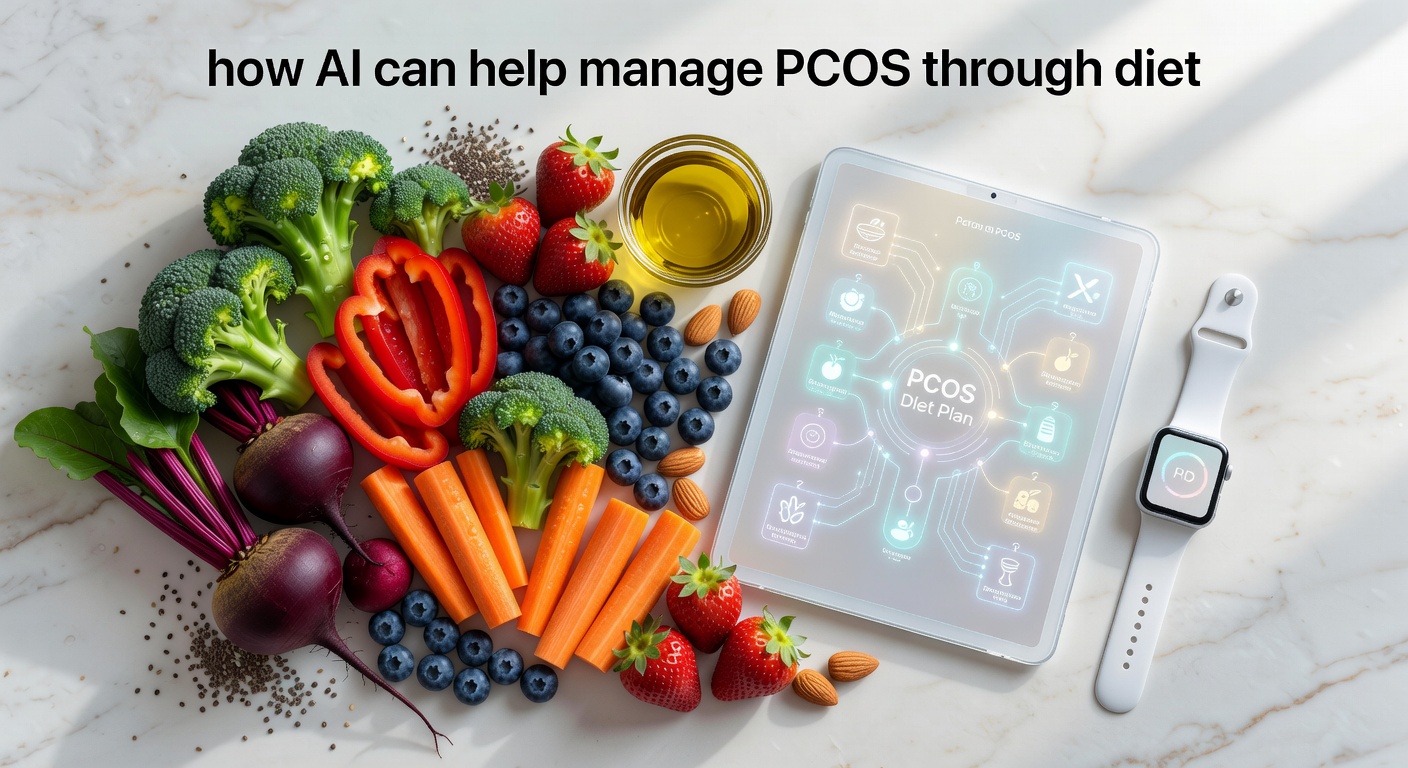
Polycystic ovary syndrome (PCOS) affects millions of women worldwide, impacting their reproductive health, fertility, and overall quality of life. This complex hormonal disorder is a leading cause of infertility and can lead to a range of challenging symptoms, from irregular periods and acne to weight gain and increased risk of type 2 diabetes. With the help of AI-powered nutrition education, individuals with PCOS can now access tailored diet plans and expert guidance to manage their symptoms and improve their well-being, offering a beacon of hope in a condition often characterized by frustration and a lack of personalized care.
Understanding PCOS and the Role of Nutrition
PCOS is a complex endocrine disorder characterized by insulin resistance, hyperandrogenism (excess male hormones), and ovarian dysfunction, often manifesting as polycystic ovaries. These core features contribute to a cascade of symptoms that can vary significantly from person to person, including menstrual irregularities, hirsutism, acne, hair loss, and difficulty conceiving. Research has shown that dietary changes can play a crucial role in managing PCOS symptoms, including weight management, hormonal balance, and fertility, by directly addressing underlying metabolic and hormonal imbalances.
Studies have consistently demonstrated the effectiveness of a balanced diet in reducing insulin resistance, a hallmark of PCOS. Insulin resistance causes the body’s cells to not respond effectively to insulin, leading to higher blood glucose levels and compensatory overproduction of insulin by the pancreas. This excess insulin, known as hyperinsulinemia, further stimulates androgen production in the ovaries, exacerbating PCOS symptoms. A review of 17 studies on dietary interventions for PCOS found that a low-carbohydrate, high-fat diet resulted in significant improvements in insulin sensitivity and weight loss (1). Beyond macronutrient ratios, focusing on whole, unprocessed foods, ample fiber, and anti-inflammatory ingredients can significantly mitigate the systemic inflammation often observed in individuals with PCOS, further improving metabolic health and symptom management.
The Multifaceted Impact of PCOS on Health
Living with PCOS extends beyond reproductive challenges, influencing various aspects of a woman’s health. The chronic inflammation and insulin resistance associated with PCOS increase the risk of developing type 2 diabetes, cardiovascular disease, and non-alcoholic fatty liver disease. Mental health can also be significantly impacted, with higher rates of anxiety, depression, and body image issues reported among women with PCOS due to symptoms like weight gain, acne, and unwanted hair growth. Addressing these broader health implications through a holistic approach, where diet plays a central role, is paramount for long-term well-being.
Key Points:
- Dietary changes can help manage PCOS symptoms, including weight management and hormonal balance.
- Research supports the use of low-carbohydrate, high-fat diets for improving insulin sensitivity in PCOS.
- A focus on whole, unprocessed foods and anti-inflammatory ingredients can further enhance symptom management.
- PCOS impacts metabolic, cardiovascular, and mental health, making holistic dietary interventions crucial.
How AI Can Help Manage PCOS Through Diet
AI-powered nutrition education platforms, like AINUTRY, offer personalized diet plans and expert guidance to help individuals with PCOS manage their symptoms and improve their overall health. These platforms use sophisticated machine learning algorithms to analyze individual nutritional needs and create customized meal plans based on their unique characteristics, moving beyond one-size-fits-all recommendations. This level of personalization is critical for PCOS, given its highly heterogeneous presentation and varying individual responses to dietary interventions.
The Mechanics of AI-Powered Personalization for PCOS
AI’s capability to process vast amounts of data allows for an unprecedented level of dietary personalization. When managing PCOS, AI algorithms consider a multitude of factors provided by the user, including current symptoms (e.g., insulin resistance, hirsutism, irregular cycles), dietary preferences and restrictions (e.g., vegetarian, gluten-free), cultural background, activity levels, existing health conditions, and even genetic predispositions if available. By analyzing patterns within this data, the AI can identify specific nutrient needs and recommend food combinations that are most likely to alleviate symptoms, balance hormones, and improve metabolic markers for that individual. The system continuously learns from user feedback and progress, adapting recommendations over time to optimize results and ensure sustained adherence.
AI-assisted nutrition for PCOS management has several benefits, including:
- Personalized diet plans tailored to individual nutritional needs and goals, considering specific PCOS symptoms and metabolic profiles.
- Expert guidance and support throughout the nutrition planning process, often incorporating virtual coaching and educational resources.
- Access to a vast library of nutrition resources and educational content, empowering individuals with a deeper understanding of their condition and how diet impacts it.
- Automated tracking of food intake, nutrient consumption, and symptom progression, allowing for real-time adjustments and insights.
- Motivation and adherence support through gamification, reminders, and progress reports, fostering consistent healthy habits.
Practical Dietary Strategies for PCOS Management
While AI provides personalized plans, understanding general dietary principles for PCOS can enhance adherence and efficacy. Focus on nutrient-dense, whole foods that stabilize blood sugar and reduce inflammation. Prioritize complex carbohydrates from vegetables, fruits, and whole grains, rather than refined sugars and processed carbs, to manage insulin levels. Incorporate lean proteins at every meal, such as chicken, fish, legumes, and tofu, which promote satiety and support muscle mass. Healthy fats from avocados, nuts, seeds, and olive oil are crucial for hormone production and reducing inflammation. Emphasize fiber-rich foods like leafy greens, berries, and beans to improve gut health, regulate blood sugar, and aid in detoxification processes.
Beyond Macronutrients: Key Micronutrients and Supplements for PCOS
Specific micronutrients and targeted supplements can significantly support PCOS management, often integrated into AI-driven recommendations. **Myo-inositol** and **D-chiro-inositol** are often combined to improve insulin sensitivity and ovarian function, reducing androgen levels and improving menstrual regularity. **Magnesium** plays a role in glucose metabolism and can help with insulin resistance and mood regulation. **Vitamin D** deficiency is common in PCOS and supplementation can improve insulin sensitivity, ovulation, and reduce inflammation. **Omega-3 fatty acids**, found in fatty fish or supplements, are powerful anti-inflammatory agents that can improve hormonal balance and reduce androgen levels. **Chromium** may enhance insulin action, while **N-acetylcysteine (NAC)** offers antioxidant benefits and can improve insulin sensitivity and ovulation. Always consult a healthcare professional before starting any new supplements to ensure they are appropriate for your individual needs and do not interact with existing medications.
Beyond Diet: Lifestyle Pillars for PCOS
Effective PCOS management extends beyond diet to encompass a holistic approach to lifestyle. Regular physical activity, incorporating both cardiovascular exercise and strength training, is vital for improving insulin sensitivity, managing weight, and reducing stress. Aim for at least 150 minutes of moderate-intensity exercise per week. Stress management techniques such as meditation, yoga, deep breathing exercises, and mindfulness can significantly lower cortisol levels, which can otherwise exacerbate hormonal imbalances in PCOS. Prioritizing adequate, quality sleep (7-9 hours per night) is also crucial, as sleep deprivation can worsen insulin resistance and hormonal disruptions. Creating a consistent sleep schedule and optimizing your sleep environment can have profound positive impacts on PCOS symptoms and overall well-being. AI platforms can often integrate these lifestyle factors into their recommendations, providing a more comprehensive support system.
Future Trends: AI, Wearables, and Personalized PCOS Care
The synergy between AI and wearable technology is poised to revolutionize PCOS management. Continuous glucose monitors (CGMs), smartwatches, and other health trackers can provide AI platforms with real-time data on blood sugar levels, heart rate variability, sleep patterns, and activity levels. This continuous stream of physiological data allows AI algorithms to offer even more dynamic and precise dietary and lifestyle adjustments, predicting potential issues before they arise and optimizing interventions. Future AI models may also incorporate genetic and microbiome data more routinely, uncovering personalized pathways to manage PCOS that are truly unique to each individual’s biological makeup. This integrated approach promises a proactive, highly personalized, and continuously adaptive strategy for living well with PCOS.
Key Takeaways
- AI-powered nutrition education can help manage PCOS symptoms through personalized diet plans and expert guidance.
- Research supports the use of low-carbohydrate, high-fat diets for improving insulin sensitivity in PCOS.
- Individuals with PCOS can benefit from AI-assisted nutrition, including personalized meal planning and symptom tracking.
- AI-powered nutrition education platforms, like AINUTRY, offer a comprehensive approach to PCOS management.
- By leveraging AI-assisted nutrition, individuals with PCOS can improve their overall health and well-being.
- Beyond diet, lifestyle factors such as exercise, stress management, and quality sleep are crucial for holistic PCOS care.
- Future advancements in AI and wearable technology will further enhance the personalization and effectiveness of PCOS management strategies.
Frequently Asked Questions
Q: Can AI-powered nutrition education really help manage PCOS symptoms?
A: Yes, research has shown that AI-assisted nutrition can play a crucial role in managing PCOS symptoms, including weight management and hormonal balance, by providing highly personalized and adaptable dietary recommendations based on individual data.
Q: What kind of diet is best for PCOS management?
A: Studies have consistently demonstrated the effectiveness of low-carbohydrate, high-fat diets for improving insulin sensitivity and weight loss in PCOS. However, the “best” diet is highly individual, and AI platforms can help tailor a plan that incorporates whole, unprocessed foods, ample fiber, and anti-inflammatory ingredients, aligning with your unique needs and preferences.
Q: How does AI-powered nutrition education work?
A: AI-powered nutrition education platforms, like AINUTRY, use machine learning algorithms to analyze individual nutritional needs, symptoms, lifestyle, and preferences. This data informs the creation of customized meal plans and provides ongoing guidance, adapting as your body responds and your needs evolve.
Q: Can I access AI-powered nutrition education for PCOS management?
A: Yes, AI-powered nutrition education platforms, like AINUTRY, offer comprehensive nutrition planning and expert guidance to help individuals with PCOS manage their symptoms and improve their overall health. Many platforms are accessible online or via mobile apps.
Q: What are the benefits of AI-assisted nutrition for PCOS management?
A: AI-assisted nutrition for PCOS management offers several benefits, including personalized diet plans, expert guidance, access to a vast library of nutrition resources and educational content, automated tracking, and support for behavioral change, all contributing to better symptom management and improved quality of life.
Q: Are there any specific foods to avoid with PCOS?
A: While individual tolerance varies, generally, it’s beneficial for individuals with PCOS to limit or avoid highly processed foods, refined carbohydrates (white bread, pasta, sugary cereals), excessive added sugars, and unhealthy trans fats. These can exacerbate insulin resistance and inflammation, worsening PCOS symptoms.
Q: How long does it take to see results from dietary changes for PCOS?
A: The timeline for seeing results can vary widely among individuals, depending on the severity of symptoms, consistency with dietary changes, and other lifestyle factors. Some women may notice improvements in energy levels and blood sugar stability within weeks, while more significant changes like menstrual regularity or weight loss might take several months. AI platforms can help track progress and provide realistic expectations.
Conclusion
In conclusion, AI-powered nutrition education can play a crucial role in managing PCOS symptoms through personalized diet plans and expert guidance. By leveraging AI-assisted nutrition, individuals with PCOS can improve their overall health and well-being, transforming a challenging condition into a journey of empowered self-management. The ability of AI to adapt
Frequently Asked Questions
What evidence supports AI’s effectiveness in managing PCOS through diet?
The article (2026) highlights emerging research demonstrating AI’s ability to analyze complex individual data, such as genetics, lifestyle, and dietary responses, to create highly personalized and effective PCOS diet plans. This personalization can lead to improved adherence and better metabolic outcomes compared to generic dietary advice.
Who can benefit most from using AI for PCOS diet management?
Individuals struggling with consistent dietary adherence, those needing highly personalized plans due to unique metabolic profiles, or those seeking data-driven adjustments to their diet may benefit significantly. AI can provide continuous support and adapt recommendations based on real-time progress.
What are the privacy concerns when using AI for PCOS diet recommendations?
Sharing personal health data with AI platforms raises privacy concerns regarding data security and how information is stored or shared. It is crucial to choose reputable AI tools that adhere to strict data protection regulations and have transparent privacy policies.
What are practical tips for integrating AI into my PCOS diet plan?
Begin by selecting a well-vetted AI nutrition platform and accurately inputting your health history, dietary preferences, and goals. Regularly review the AI’s recommendations, track your progress diligently, and consult with a healthcare professional to ensure the plan aligns with your overall health strategy.
Leave a Reply