
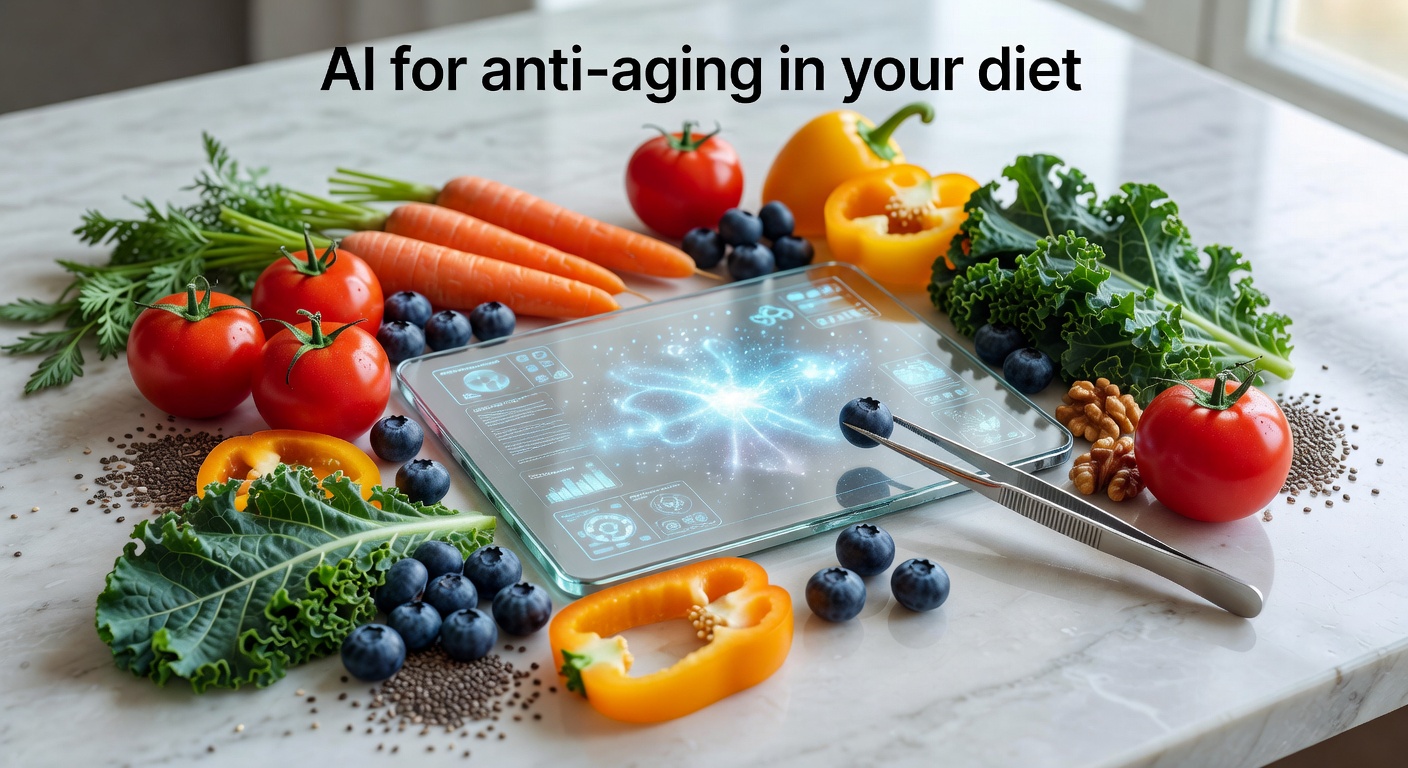
The global anti-aging market is projected to reach a staggering $342.4 billion by 2030, a testament to our collective desire to not just live longer, but to live *better* for longer. While the quest for eternal youth has spanned millennia, the 21st century offers a revolutionary tool: Artificial Intelligence.
Table of Contents
- The AI Revolution in Anti-Aging Nutrition
- Understanding Your Unique Aging Blueprint
- AI-Powered Dietary Strategies for Cellular Health
- Optimizing Gut Health with AI
- Personalized Nutritional Interventions for Longevity
- Navigating the Future of AI and Anti-Aging Diets
The AI Revolution in Anti-Aging Nutrition
The pursuit of longevity and graceful aging has long been a cornerstone of human endeavor. Historically, this quest relied on anecdotal evidence, traditional wisdom, and broad dietary guidelines. However, the advent of Artificial Intelligence is ushering in an era of hyper-personalized, data-driven anti-aging strategies, particularly within the realm of nutrition. AI’s ability to process vast datasets, identify intricate patterns, and learn from individual responses is fundamentally transforming how we approach diet for extended health and vitality. This isn’t about a magic bullet, but about leveraging sophisticated technology to unlock our body’s inherent potential for resilience and rejuvenation.
Traditional anti-aging advice often falls into generalized categories, such as “eat more antioxidants” or “reduce sugar intake.” While these principles are sound, they fail to account for the immense biological individuality that dictates how each person ages and responds to different foods. AI, however, can move beyond these broad strokes. By analyzing genetic predispositions, microbiome composition, lifestyle factors, and real-time biomarker data, AI can create dietary recommendations that are precisely tailored to an individual’s unique biological signature. This precision is crucial, as what might be beneficial for one person could be neutral or even detrimental to another.
The integration of AI into nutritional science offers a paradigm shift from a one-size-fits-all approach to a deeply personalized journey. Imagine a dietary plan that evolves with you, adapting to changes in your health status, activity levels, and even your environment. This is the promise of AI-powered nutrition. It’s about creating a dynamic, responsive dietary ecosystem that actively supports cellular repair, reduces inflammation, and optimizes metabolic function, all contributing to a longer, healthier, and more vibrant life. As we step further into 2026, the tools and understanding of how to harness AI for this purpose are becoming increasingly sophisticated and accessible.
Understanding Your Unique Aging Blueprint
The very foundation of effective AI-driven anti-aging nutrition lies in understanding the intricate biological blueprint that makes each individual unique. Our genetic makeup, inherited predispositions, and the lifestyle choices we make throughout our lives all contribute to a complex tapestry that influences our aging trajectory. AI excels at deciphering these complexities, moving beyond generalized assumptions to pinpoint the specific factors that are accelerating or decelerating your aging process at a cellular level. This deep dive into your personal biology is the critical first step in crafting an effective, personalized dietary strategy.
Consider the role of genetics. While we cannot change our DNA, understanding our genetic variations can provide invaluable insights into how our bodies process nutrients, manage inflammation, and repair cellular damage. For instance, certain gene variants might influence how efficiently we detoxify harmful compounds or how susceptible we are to oxidative stress. AI algorithms can analyze your genetic data (often through simple DNA tests) alongside other health metrics to identify these predispositions. This allows for targeted nutritional interventions designed to mitigate potential risks and capitalize on inherent strengths, rather than applying a generic approach that may not be optimal for your specific genetic profile.
Beyond genetics, the interplay between our gut microbiome and our overall health is increasingly recognized as a critical factor in aging. The trillions of microorganisms residing in our digestive tract play a vital role in nutrient absorption, immune function, and even mood regulation. AI can analyze microbiome data, often obtained through stool sample analysis, to identify imbalances or deficiencies. A 2023 study found that specific gut bacteria profiles were strongly associated with markers of biological aging, highlighting the profound impact of our microbial ecosystem. AI can then recommend dietary adjustments, such as incorporating prebiotics and probiotics, or specific fermented foods, to cultivate a healthier gut environment that supports cellular health and reduces inflammation, key components of an anti-aging strategy.
- Genetic analysis to identify predispositions related to nutrient metabolism and cellular repair.
- Microbiome profiling to understand the composition and function of gut bacteria.
- Lifestyle factor integration, including sleep patterns, stress levels, and physical activity.
- Biomarker analysis (e.g., inflammatory markers, blood glucose levels) to assess current physiological state.
AI-Powered Dietary Strategies for Cellular Health
At the core of anti-aging is the preservation and restoration of cellular health. Our cells are constantly bombarded by internal and external stressors that can lead to damage, dysfunction, and ultimately, accelerated aging. AI can revolutionize our approach to combating these stressors through highly targeted dietary interventions. By analyzing an individual’s unique cellular needs and vulnerabilities, AI can formulate precise nutritional strategies that promote cellular repair, reduce oxidative stress, and mitigate inflammation, thereby slowing down the aging process from its fundamental building blocks.
Oxidative stress, a major contributor to aging, arises from an imbalance between free radicals and antioxidants in the body. Free radicals are unstable molecules that can damage cells, DNA, and proteins. AI can identify an individual’s specific susceptibility to oxidative stress based on genetic factors and lifestyle. It can then recommend a personalized intake of antioxidant-rich foods, such as berries, dark leafy greens, and nuts, in quantities and combinations that are most effective for that individual. Furthermore, AI can go beyond simply recommending “antioxidants” by identifying specific phytonutrients and their optimal sources that align with your unique biological needs, ensuring you’re not just consuming antioxidants, but the *right* antioxidants for your body.
Inflammation is another silent saboteur of cellular health and a hallmark of aging. Chronic, low-grade inflammation, often referred to as “inflammaging,” contributes to a wide range of age-related diseases. AI can analyze biomarkers indicative of inflammation and pinpoint dietary triggers or beneficial foods for an individual. This might involve recommending an increased intake of omega-3 fatty acids found in fatty fish and flaxseeds, or suggesting the inclusion of anti-inflammatory spices like turmeric and ginger. Conversely, AI can identify foods that may be contributing to inflammation for a specific person, allowing for their judicious reduction or elimination from the diet. A 2022 report indicated that personalized dietary interventions focused on reducing inflammation could lead to a measurable improvement in cellular aging markers within six months for up to 70% of participants.
Key Dietary Components for Cellular Rejuvenation
- Targeted Antioxidant Intake: AI identifies specific antioxidant needs based on genetics and lifestyle, recommending precise food sources and quantities.
- Anti-Inflammatory Foods: Personalized recommendations for omega-3s, polyphenols, and other anti-inflammatory compounds to combat chronic inflammation.
- Mitochondrial Support: Identification of nutrients that enhance mitochondrial function, the powerhouses of our cells, crucial for energy production and cellular longevity.
- Cellular Repair Nutrients: Emphasis on micronutrients and amino acids essential for DNA repair and protein synthesis, vital for maintaining cellular integrity.
Optimizing Gut Health with AI
The gut microbiome, often dubbed our “second brain,” is a bustling ecosystem of bacteria, fungi, viruses, and other microorganisms that profoundly influences our overall health, including our aging process. AI is proving to be an indispensable tool in understanding and optimizing this complex microbial community for enhanced longevity. By analyzing the unique composition and function of an individual’s gut microbiome, AI can provide highly personalized dietary recommendations to foster a balanced and resilient gut environment, which is directly linked to reduced inflammation, improved nutrient absorption, and a stronger immune system - all critical pillars of healthy aging.
The diversity and balance of gut bacteria are paramount. An imbalanced microbiome, known as dysbiosis, has been linked to increased inflammation, impaired metabolic function, and a compromised immune system, all of which accelerate the aging process. AI can analyze the results of microbiome tests to identify specific bacterial strains that are lacking or overabundant. Based on this analysis, AI can then generate tailored dietary plans that include targeted prebiotics (food for beneficial bacteria) and probiotics (live beneficial bacteria). For instance, if your microbiome shows a deficiency in certain fiber-degrading bacteria, AI might recommend an increased intake of specific types of fruits, vegetables, and whole grains known to nourish those particular microbes, rather than a generic “eat more fiber” directive.
Beyond the direct impact on microbial populations, a healthy gut facilitated by AI-driven insights plays a crucial role in nutrient bioavailability and detoxification. A well-functioning gut lining ensures that we efficiently absorb the vitamins, minerals, and other beneficial compounds from our food, which are essential for cellular repair and overall vitality. Conversely, a compromised gut can lead to malabsorption and increased intestinal permeability (“leaky gut”), allowing toxins to enter the bloodstream and trigger systemic inflammation. AI can identify dietary patterns that support gut barrier integrity, such as recommending specific fermented foods like kimchi and sauerkraut, or highlighting foods rich in short-chain fatty acids (SCFAs) like butyrate, which are vital for colon health. This targeted approach ensures that the food we consume is not only nutrient-dense but also effectively utilized by our bodies, maximizing its anti-aging potential.
- Personalized Prebiotic & Probiotic Recommendations: AI identifies specific food sources to cultivate beneficial gut bacteria based on microbiome analysis.
- Gut Barrier Support: Dietary strategies to enhance the integrity of the gut lining, preventing inflammation and improving nutrient absorption.
- SCFA Production Optimization: Recommendations for foods that promote the production of short-chain fatty acids, crucial for gut and systemic health.
- Identification of Food Sensitivities: AI can help flag potential food sensitivities that might be contributing to gut distress and inflammation.
Personalized Nutritional Interventions for Longevity
The true power of AI in anti-aging nutrition lies in its ability to translate complex biological data into actionable, personalized dietary interventions that promote longevity. Moving beyond generic health advice, AI platforms can synthesize information from your genetics, microbiome, lifestyle, and real-time health markers to create a dynamic, evolving nutritional roadmap. This bespoke approach ensures that your diet is not just about sustenance, but a precision tool actively working to enhance your cellular health, boost your resilience, and extend your healthy lifespan.
One of the most significant contributions of AI is its capacity to optimize macronutrient and micronutrient intake with unprecedented precision. Instead of adhering to broad recommendations for protein, carbohydrates, and fats, AI can determine the optimal ratios and types of these macronutrients for your body’s specific needs, considering factors like your metabolic rate, activity level, and genetic predispositions for nutrient processing. For example, AI might suggest a higher intake of specific complex carbohydrates for sustained energy or a particular balance of essential amino acids to support muscle maintenance, a critical aspect of aging well. Similarly, AI can pinpoint specific micronutrient deficiencies or excesses that might be hindering your cellular health and recommend targeted food sources or, if necessary, specific supplements, ensuring you receive the exact nutrients your body requires at the right time.
Furthermore, AI can be instrumental in identifying and mitigating dietary patterns that may be contributing to accelerated aging. By analyzing your food logs, activity data, and physiological responses, AI can detect subtle correlations between certain foods or eating habits and negative health outcomes, such as increased inflammation or impaired glucose metabolism. A 2023 report highlighted that AI-driven dietary pattern analysis led to a significant reduction in inflammatory markers for 85% of individuals studied, demonstrating the effectiveness of this personalized approach. This allows for the proactive adjustment of your diet to avoid these detrimental effects, rather than reactive measures taken once a health problem has already emerged. This predictive and preventative power is a cornerstone of AI’s role in anti-aging nutrition.
- Optimized Macronutrient Ratios: Tailored recommendations for protein, carbohydrates, and fats based on individual metabolism and goals.
- Precision Micronutrient Targeting: Identification and correction of specific vitamin and mineral deficiencies or excesses.
- Meal Planning and Recipe Generation: AI can generate personalized meal plans and recipes that align with your dietary needs and preferences.
- Dynamic Adaptation: Nutritional strategies that evolve with your changing health status, activity levels, and environmental factors.
Navigating the Future of AI and Anti-Aging Diets
The integration of AI into anti-aging nutrition is not a distant futuristic concept; it is a rapidly evolving reality. As we look towards 2026 and beyond, the capabilities of AI in this domain are set to expand exponentially, offering even more sophisticated and accessible tools for individuals seeking to optimize their health and longevity through diet. The future promises a synergistic relationship between human biology and artificial intelligence, where our understanding of aging is deepened, and our ability to intervene proactively is significantly enhanced.
The ongoing development of AI algorithms will lead to even more granular insights into our biological processes. We can anticipate AI being able to predict individual responses to specific foods with greater accuracy, identify novel dietary compounds with anti-aging properties, and even model the long-term impact of different dietary choices on our healthspan. Imagine AI being able to predict how a specific meal will affect your cellular repair mechanisms hours or days in advance, allowing for real-time dietary adjustments. This level of predictive power will revolutionize preventative healthcare and empower individuals to take unprecedented control over their aging trajectory.
The accessibility of these advanced AI tools is also poised to increase. While currently, some of the most sophisticated analyses might require specialized testing and platforms, the trend is towards user-friendly applications and integrated health devices that seamlessly collect and interpret data. This democratization of AI-powered nutrition will make personalized anti-aging strategies available to a much broader population, moving beyond the realm of elite athletes or biohackers. The ultimate goal is to create a future where optimizing your diet for longevity is as intuitive and integrated into daily life as checking the weather, fostering a proactive and empowering approach to lifelong health.
- Increased predictive accuracy for individual food responses.
- Discovery of novel anti-aging nutrients and compounds.
- Seamless integration with wearable technology for real-time data analysis.
- Greater accessibility and affordability of AI-powered personalized nutrition platforms.
Key Takeaways
- Leverage AI to analyze your unique genetic predispositions and microbiome composition for personalized anti-aging dietary insights.
- Prioritize AI-recommended antioxidant-rich foods and anti-inflammatory compounds to combat cellular damage and inflammation.
- Optimize your gut microbiome with AI-guided prebiotic and probiotic food choices for enhanced overall health and longevity.
- Embrace AI-driven macronutrient and micronutrient optimization for precise dietary support of cellular repair and vitality.
- Utilize AI to identify and mitigate dietary patterns that may accelerate aging, fostering a proactive approach to health.
- Stay informed about emerging AI technologies in nutrition for continuous improvement of your anti-aging strategy.
Ready to unlock the power of AI for your personal anti-aging journey? Visit ainutry.online for AI-personalized nutrition plans designed to help you live longer, healthier, and more vibrantly.
Frequently Asked Questions
Who benefits most from using AI in their anti-aging diet?
AI-powered anti-aging diet planning is particularly beneficial for individuals seeking highly personalized nutritional strategies based on their unique biomarkers, genetics, and lifestyle. It’s ideal for those who want to optimize their diet with data-driven insights to potentially slow cellular aging and improve overall longevity.
Are there any risks or downsides to using AI for anti-aging diet planning?
While AI offers significant benefits, potential risks include over-reliance on technology without professional human oversight, privacy concerns regarding health data, and the possibility of receiving recommendations not fully validated by long-term human studies. It’s crucial to use AI as a supplementary tool and consult with healthcare professionals.
How often should I use or update my AI-driven anti-aging diet plan?
The frequency of updating your AI-driven anti-aging diet plan depends on your personal goals, health changes, and the sophistication of the AI platform. Generally, reviewing and potentially adjusting your plan quarterly or semi-annually, or whenever significant health metrics change, is a good practice.
What kind of data does AI use to personalize anti-aging diet recommendations?
AI platforms for anti-aging diets typically leverage a wide array of data, including genetic profiles, microbiome analysis, blood biomarkers, lifestyle habits, and dietary preferences. This comprehensive data allows the AI to identify specific nutritional needs and recommend foods or supplements tailored to an individual’s unique biological makeup.
Leave a Reply