
AI-powered nutrition education can help reduce heart disease risk by providing personalized dietary recommendations based on individual health data, genetics, and lifestyle factors. A Mediterranean-style diet rich in fruits, vegetables, whole grains, and healthy fats is consistently linked to lower heart disease rates. AI systems analyze vast datasets to move beyond generic advice, offering actionable insights tailored to each person’s unique biological profile and preferences.
Heart disease remains a leading cause of death worldwide, but what if we could harness the power of artificial intelligence (AI) to improve our nutritional habits and reduce this burden? By leveraging AI-powered nutrition education, individuals can make informed choices that lower their risk of developing heart disease.
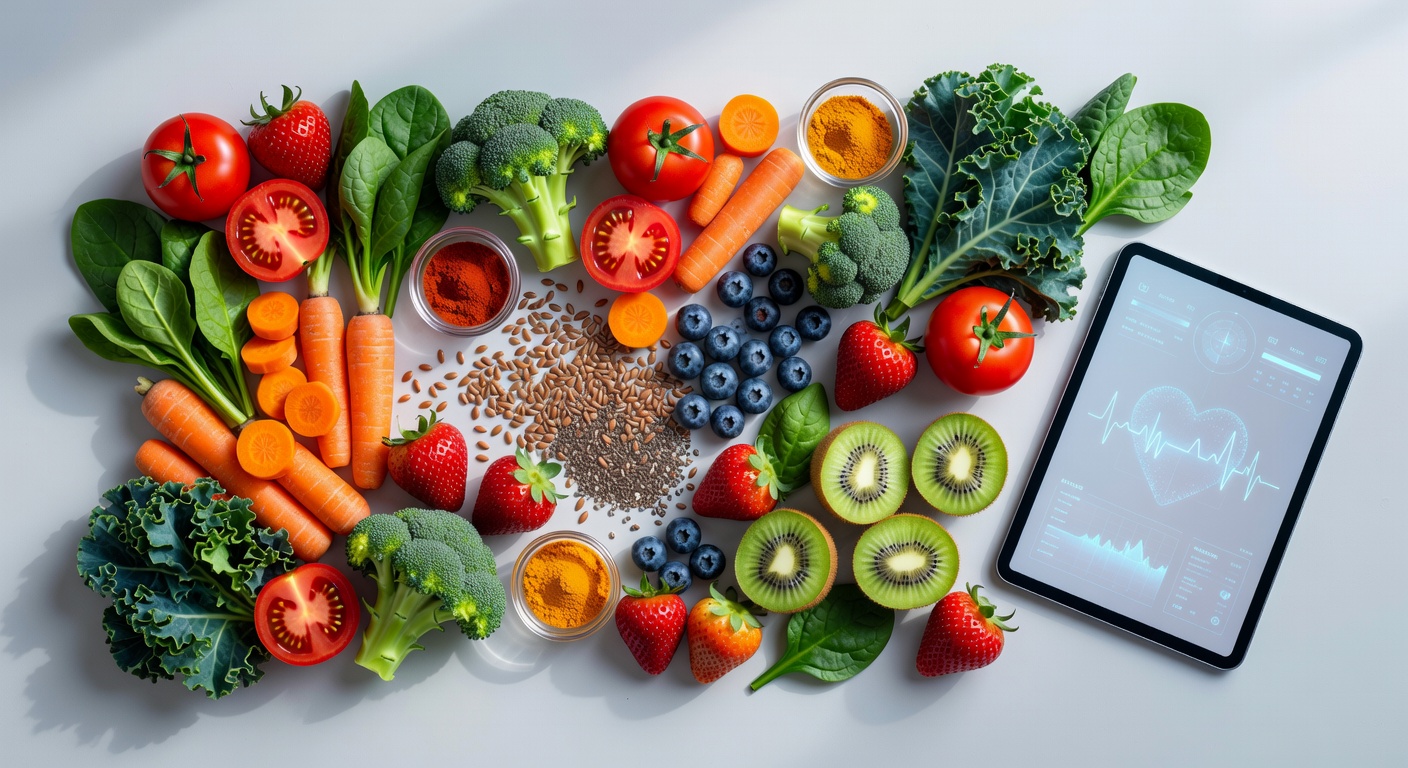
Table of Contents
- The Impact of Nutrition on Heart Disease
- How AI-Powered Nutrition Education Works
- Personalized Nutrition for a Lower Risk
- Real-World Applications and Future Directions
- The Science Behind AI and Cardiovascular Health
- Practical Tips for Incorporating AI Nutrition
- Addressing Common Concerns and Misconceptions
- Key Takeaways
- FAQ
The Impact of Nutrition on Heart Disease
Heart disease is a complex condition influenced by multiple factors, including genetics, lifestyle, and environmental factors. A growing body of evidence suggests that nutrition plays a critical role in both the development and progression of heart disease. Understanding this intricate relationship is the first step toward proactive management and prevention.
The traditional dietary approach to preventing heart disease has focused on reducing saturated fat intake, increasing fiber consumption, and adopting low-fat diets. However, recent studies have shown that this one-size-fits-all approach may not be effective for everyone. The human body is incredibly diverse, and nutritional needs can vary significantly based on individual genetics, metabolic profiles, and existing health conditions. This is where the power of personalized insights becomes crucial.
Key Factors in Nutrition and Heart Disease
- Dietary patterns: A Mediterranean-style diet, rich in fruits, vegetables, whole grains, lean proteins, and healthy fats, is consistently linked to lower rates of heart disease. Conversely, diets high in processed foods, added sugars, and unhealthy fats are associated with increased risk. The cumulative effect of daily food choices creates a profound impact on cardiovascular health over time.
- Macronutrient balance: The optimal balance of carbohydrates, proteins, and fats is crucial. While once the focus was solely on reducing fat, current understanding emphasizes the quality of fats consumed. Unsaturated fats found in avocados, nuts, seeds, and olive oil are beneficial, while saturated and trans fats found in red meat, butter, and processed snacks can raise LDL cholesterol levels.
- Micronutrients and antioxidants: Vitamins, minerals, and antioxidants play vital roles in protecting the heart. For instance, potassium helps regulate blood pressure, magnesium is essential for heart rhythm, and antioxidants found in berries and leafy greens combat oxidative stress, a key contributor to arterial damage.
- Inflammation: Chronic inflammation in the body is a significant driver of atherosclerosis, the hardening and narrowing of arteries. Certain foods can promote inflammation, while others possess anti-inflammatory properties. Anti-inflammatory diets often emphasize omega-3 fatty acids (found in fatty fish), turmeric, ginger, and a wide array of colorful fruits and vegetables.
- Gut microbiome: Emerging research highlights the profound influence of the gut microbiome on cardiovascular health. The trillions of bacteria in our digestive system can affect cholesterol levels, blood pressure, and inflammation. A diet rich in fiber and fermented foods can promote a healthy gut environment, benefiting heart health.
The intricate interplay of these nutritional factors means that simple, generalized advice often falls short. AI’s ability to process vast amounts of data allows for a more nuanced understanding of how these elements interact within an individual’s unique biological system.
How AI-Powered Nutrition Education Works
AI-powered nutrition education platforms like AINUTRY utilize machine learning algorithms to analyze individual data points, including demographic information, dietary habits, and health status. This personalized approach allows for tailored recommendations that cater to each user’s unique needs. The process begins with data input, which can range from self-reported food diaries and activity logs to more advanced biometric data if available.
By leveraging large datasets and sophisticated analytics tools, AI systems can identify patterns and correlations between nutritional factors and heart disease risk. These algorithms are trained on extensive databases of nutritional science, clinical studies, and population health data. This allows them to go beyond basic calorie counting and macronutrient tracking to provide insights into the micronutrient profiles of foods, their impact on specific biomarkers, and their potential interactions with medications. The AI can also consider factors like food allergies, intolerances, cultural preferences, and even cooking skill levels to ensure recommendations are practical and sustainable.
Key Benefits of AI-Powered Nutrition Education
- Personalization: Users receive customized dietary advice based on their specific profile, including genetic predispositions, current health markers (like blood pressure, cholesterol levels, blood sugar), activity levels, and even personal food preferences. This moves away from generic advice to recommendations that are truly relevant and actionable for the individual.
- Data-driven insights: AI algorithms provide actionable recommendations grounded in evidence-based research. Instead of simply telling someone to eat “healthy,” the AI can explain *why* certain foods are recommended or advised against, linking them to specific physiological benefits or risks relevant to cardiovascular health.
- Continuous improvement: The system adapts and learns from user interactions, refining its suggestions over time. As users log their food intake, track their progress, and provide feedback, the AI can further optimize its recommendations. This iterative process ensures that the advice remains relevant and effective as the user’s health status or lifestyle changes.
- Accessibility and Scalability: AI platforms can provide accessible nutrition guidance to a wider population, overcoming barriers such as the cost of personalized consultations with dietitians or the limited availability of such services in certain regions.
- Predictive analytics: Some advanced AI systems can even predict potential health risks based on current dietary patterns, allowing for proactive interventions before significant health issues arise.
Personalized Nutrition for a Lower Risk
Recent studies have demonstrated the efficacy of personalized nutrition in reducing cardiovascular risk factors. For example, research has shown that AI-driven dietary interventions can lead to significant reductions in blood pressure and lipid profiles. These findings are not merely anecdotal; they are backed by rigorous scientific inquiry.
A 2020 meta-analysis published in the Journal of the American Heart Association found that personalized nutrition resulted in greater improvements in cardiovascular risk factors compared to standard dietary advice. This study, which aggregated data from numerous trials, provided strong evidence that tailoring dietary recommendations to an individual’s unique biological makeup and lifestyle is a more effective strategy for managing heart health than generalized guidelines. The meta-analysis highlighted specific areas where personalization showed marked benefits, including reductions in LDL cholesterol, triglycerides, and systolic blood pressure.
Key Takeaways from Personalized Nutrition Research
- AI-powered nutrition education can lead to significant reductions in cardiovascular risk factors. This includes improvements in blood pressure, cholesterol levels (both LDL and HDL), triglycerides, and blood glucose control, all of which are critical markers for heart disease risk.
- Personalization is key: Tailored recommendations based on individual data points can outperform one-size-fits-all approaches. This emphasizes the importance of considering genetics, metabolism, gut microbiome, and lifestyle when formulating dietary advice.
- Ongoing research continues to validate the effectiveness of AI-driven dietary interventions for heart disease prevention and management. As AI technology advances and more data becomes available, the precision and efficacy of these interventions are expected to increase further.
- Beyond risk factors: Personalized nutrition can also empower individuals with knowledge about how specific foods affect their bodies, fostering a deeper understanding and better adherence to healthier eating habits.
Real-World Applications and Future Directions
The integration of AI-powered nutrition education into clinical settings, community programs, and public health initiatives has shown promise in reducing heart disease risk factors. Healthcare providers are beginning to recognize the potential of these tools to supplement traditional care, offering patients more continuous and personalized support. For example, AI platforms can be used in cardiology clinics to help patients manage their diets post-event or as part of a long-term prevention strategy.
In community settings, AI nutrition tools can be deployed through public health campaigns to educate broader populations about heart-healthy eating, making complex nutritional information more accessible and engaging. Future research should focus on further refining AI algorithms to optimize nutritional recommendations and exploring novel applications for this technology. This includes developing AI that can integrate with wearable devices for real-time feedback, creating more sophisticated predictive models for cardiovascular events, and exploring AI’s role in behavioral change strategies to improve dietary adherence.
As our understanding of the complex interplay between nutrition and heart disease continues to evolve, so too will the role of AI-powered nutrition education in addressing this pressing global health issue. The future likely holds AI-driven personalized meal planning, AI-powered grocery shopping assistants that highlight heart-healthy options, and AI-guided cooking tutorials to make healthy eating more enjoyable and convenient. The ultimate goal is to make proactive cardiovascular health management an accessible and integral part of daily life for everyone.
The Science Behind AI and Cardiovascular Health
The application of AI in understanding and managing cardiovascular health is rooted in its ability to process and interpret complex biological and lifestyle data. Machine learning algorithms, a core component of AI, excel at identifying subtle patterns that human analysis might miss. In the context of heart disease, this translates to understanding how specific dietary components interact with an individual’s genetic makeup and physiological responses.
Genomic Data and AI
One of the most exciting frontiers is the integration of genomic data with AI-driven nutrition. Certain genetic variations can influence how our bodies metabolize fats, carbohydrates, and even respond to specific vitamins and minerals. AI can analyze an individual’s genetic profile alongside their dietary intake to predict their susceptibility to certain cardiovascular risks and recommend foods that can mitigate these risks or optimize nutrient absorption. For example, some individuals may have genetic predispositions that require a higher intake of omega-3 fatty acids or a more careful approach to saturated fat consumption. AI can pinpoint these needs with a precision previously unattainable.
Biomarker Analysis and AI
AI’s ability to analyze trends in biomarkers such as cholesterol levels (LDL, HDL, triglycerides), blood pressure, blood glucose, C-reactive protein (an indicator of inflammation), and homocysteine levels is crucial. By correlating changes in these markers with dietary adjustments suggested by the AI, users and their healthcare providers can gain a clearer picture of what works best for their unique physiology. AI can identify not just which foods are generally healthy but which specific foods or dietary patterns are most effective in improving an individual’s particular biomarker profile, leading to more targeted and effective interventions.
Nutrient-Drug Interactions
For individuals managing heart disease, medication is often a critical component of treatment. However, certain nutrients can interact with medications, potentially altering their efficacy or increasing the risk of side effects. AI can be programmed to consider these potential interactions, providing dietary recommendations that complement, rather than interfere with, prescribed treatments. This adds another layer of safety and efficacy to AI-driven nutritional guidance, ensuring that dietary advice is holistic and integrated with the user’s overall medical management plan.
Practical Tips for Incorporating AI Nutrition
Integrating AI-powered nutrition into your daily life doesn’t have to be daunting. The key is to start with accessible tools and gradually build upon your understanding and engagement.
Choosing the Right AI Platform
When selecting an AI nutrition platform, consider its features and your specific needs. Look for platforms that emphasize personalization, are backed by scientific research, and offer user-friendly interfaces. Some platforms might focus more on general wellness, while others are specifically designed for managing chronic conditions like heart disease. Read reviews, check for evidence-based claims, and consider whether the platform integrates with other health apps or devices you use.
Consistent Data Input
The effectiveness of any AI system relies heavily on the quality and consistency of the data it receives. Be diligent in logging your meals, snacks, water intake, and physical activity. The more data the AI has, the more accurate and personalized its recommendations will become. Consider using a food journaling app that syncs with your AI nutrition platform to streamline this process. Even small amounts of consistent data can begin to reveal valuable insights over time.
Engage with Recommendations
Don’t just passively receive advice; actively engage with the recommendations provided by the AI. Understand the rationale behind each suggestion. If the AI recommends increasing your intake of leafy greens, try to learn why - perhaps it’s for their potassium content, fiber, or antioxidant properties. This deeper understanding fosters better adherence and empowers you to make more informed food choices independently.
Collaborate with Healthcare Professionals
AI-powered nutrition is a powerful tool, but it should complement, not replace, professional medical advice. Share the insights and recommendations from your AI platform with your doctor or a registered dietitian. They can help interpret the data in the context of your overall health, flag any potential concerns, and ensure that the AI’s suggestions align with your medical treatment plan. This collaborative approach maximizes the benefits of both AI technology and expert human guidance.
Addressing Common Concerns and Misconceptions
As with any emerging technology, there are often questions and concerns surrounding AI in healthcare, particularly in nutrition. Addressing these can help build trust and encourage broader adoption.
Is AI Replacing Human Nutritionists?
No, AI is designed to augment, not replace, the role of human nutritionists and dietitians. AI can provide data-driven insights and personalized recommendations at scale, which can be incredibly valuable for everyday guidance. However, the empathy, clinical judgment, and ability to address complex psychological and behavioral factors that a human professional offers are irreplaceable. AI can free up nutritionists to focus on these higher-level aspects of patient care.
Data Privacy and Security
Concerns about data privacy are valid. Reputable AI nutrition platforms prioritize data security and comply with relevant privacy regulations (like GDPR or HIPAA). It’s essential to choose platforms that are transparent about their data usage policies and employ robust security measures to protect your personal health information. Always review the privacy policy before signing up.
“Black Box” Problem
Some users may feel that AI algorithms are a “black box” - meaning they don’t understand how the recommendations are generated. While the underlying algorithms can be complex, many platforms are working to increase transparency by explaining the reasoning behind their advice, citing the scientific evidence, and providing educational content. The goal is to empower users with knowledge, not just provide directives.
Over-reliance and Loss of Intuition
There’s a concern that relying too heavily on AI might diminish one’s own intuition about food and hunger cues. It’s important to use AI as a guide and educational tool, not as an absolute dictator of what to eat. Listen to your body, enjoy your food, and use the AI’s insights to make more informed choices rather than blindly following instructions. The aim is to build a healthier relationship with food, not to create dependence.
Key Takeaways
- AI-powered nutrition education can help prevent and manage heart disease by providing personalized dietary advice.
- Personalized nutrition has been shown to be more effective than traditional one-size-fits-all approaches in reducing cardiovascular risk factors.
- Ongoing research continues to validate the effectiveness of AI-driven dietary interventions for heart disease prevention and management.
- The integration of AI-powered nutrition education into clinical settings, community programs, and public health initiatives has shown promise in reducing heart disease risk factors.
- AI can analyze complex datasets, including genetic and biomarker information, to offer highly tailored nutritional guidance for cardiovascular health.
- Practical application involves choosing the right platform, consistent data input, active engagement with recommendations, and collaboration with healthcare professionals.
- AI is a tool to augment human expertise, not replace it, and concerns about data privacy and transparency are being addressed by the industry.
FAQ
- Q: Can AI-powered nutrition education guarantee a reduction in cardiovascular risk?
A: No. While AI-driven dietary interventions have shown promise, they should not be considered a substitute for medical treatment or professional advice. They are powerful tools for risk reduction and management, but individual outcomes can vary. - Q: Is personalized nutrition only effective for individuals with pre-existing heart disease conditions?
A: No. Personalized nutrition can also help prevent cardiovascular risk factors in healthy individuals by identifying predispositions and guiding proactive dietary choices to maintain optimal heart health throughout life. - Q: Can AI-powered nutrition education be used to develop tailored meal plans for specific dietary needs, such as vegan or gluten-free diets?
A: Yes. Many AI-powered nutrition education platforms offer customization options for users with specific dietary requirements or restrictions, ensuring that recommendations are practical and adhere to personal needs. - Q: How does AI-powered nutrition education differ from traditional nutritional advice or apps?
A: AI-driven nutrition education is grounded in evidence-based research and provides personalized recommendations based on individual data points, whereas many traditional nutritional apps rely on generic advice or one-size-fits-all approaches. AI’s ability to learn and adapt to user data offers a dynamic and continuously optimized experience. - Q: What kind of data does AI nutrition analysis typically use?
A: AI nutrition analysis can utilize a range of data, including demographic information, self-reported dietary habits, physical activity levels, biometric data (like blood pressure, cholesterol levels, blood sugar), and sometimes even genetic information. - Q:
Frequently Asked Questions
Can AI-powered nutrition plans for heart disease include specific supplement recommendations, and if so, what dosages are generally advised?
Yes, AI can analyze your health data to suggest personalized supplement regimens for heart disease. Dosages will vary greatly based on individual needs and existing conditions, but AI can help identify evidence-based ranges for common heart-healthy supplements like omega-3s or CoQ10.
What is the typical timing for AI-recommended meals and supplements when managing heart disease?
AI-driven plans often optimize meal timing for better nutrient absorption and blood sugar control, which is crucial for heart health. Supplement timing is also considered, with some nutrients best taken with food while others might be recommended at specific times of day to maximize their benefits.
Are AI nutrition plans for heart disease safe for individuals with multiple comorbidities or on various medications?
AI can be a powerful tool for safety by cross-referencing dietary recommendations with your medication list and other health conditions. However, it’s essential to discuss any AI-generated plan with your healthcare provider to ensure it’s appropriate and doesn’t interact negatively with your current treatments.
How does AI determine the effectiveness of specific nutrients or supplements for heart disease prevention and management?
AI algorithms analyze vast datasets of scientific research, clinical trials, and real-world health outcomes to identify patterns and correlations. This allows them to predict which nutrients and supplements have the strongest evidence base for improving cardiovascular markers and reducing risk.
Leave a Reply