
AI nutrition uses algorithms to analyze individual health data and provide personalized dietary recommendations for managing high cholesterol. Research shows that omega-3 fatty acids found in fatty fish, flaxseeds, and walnuts can reduce triglycerides and increase HDL cholesterol, while soluble fiber in oats, barley, and beans helps lower LDL levels by binding to cholesterol in the digestive system. AI platforms excel at identifying precise nutrient types and quantities tailored to each person’s dietary restrictions and genetic factors.
Table of Contents
- nutrition
- Key Findings on AI and Nutrition for High Cholesterol
- Benefits of Using AI in Dietary Planning
- Future Directions for AI Nutrition Research
What is AI Nutrition?
AI nutrition refers to the application of artificial intelligence and machine learning in dietary planning. This innovative approach uses complex algorithms to analyze an individual’s nutritional needs, health goals, and lifestyle preferences, providing tailored recommendations for a balanced diet
AI-powered platforms, such as AINUTRY, utilize vast databases of nutritional information and scientific research to inform their recommendations. By integrating data from wearable devices, genetic testing, and other sources, AI nutrition can offer a more holistic understanding of an individual’s nutritional needs than traditional dietary planning methods. This advanced analysis allows for a level of personalization previously unattainable, considering not just macro and micronutrient requirements but also the complex interplay between diet, genetics, and individual metabolic responses.
Key Benefits of AI Nutrition
- Personalization: AI nutrition offers customized dietary plans tailored to an individual’s unique needs and preferences. This goes beyond basic calorie counting to consider specific allergies, intolerances, taste preferences, budget constraints, and even cultural dietary practices.
- Data-Driven Insights: AI platforms analyze vast amounts of data to provide actionable recommendations for improved nutritional health. This includes identifying patterns in food intake, correlating them with health markers, and predicting potential outcomes of dietary changes.
- Convenience: AI-powered nutrition education is accessible through mobile apps, online platforms, and wearable devices. This makes it easier for individuals to access reliable information and track their progress anytime, anywhere.
- Dynamic Adjustments: AI systems can adapt recommendations in real-time based on user feedback, changes in activity levels, or updated health metrics, ensuring the plan remains relevant and effective over time.
How Does AI Help with High Cholesterol?
High cholesterol, particularly elevated levels of low-density lipoprotein (LDL) cholesterol, is a significant risk factor for cardiovascular disease, including heart attacks and strokes. AI nutrition can revolutionize the management of high cholesterol by providing highly personalized dietary recommendations that actively promote heart health. Instead of generic advice, AI analyzes an individual’s specific cholesterol profile, genetic predispositions, and lifestyle to pinpoint the most effective dietary strategies.
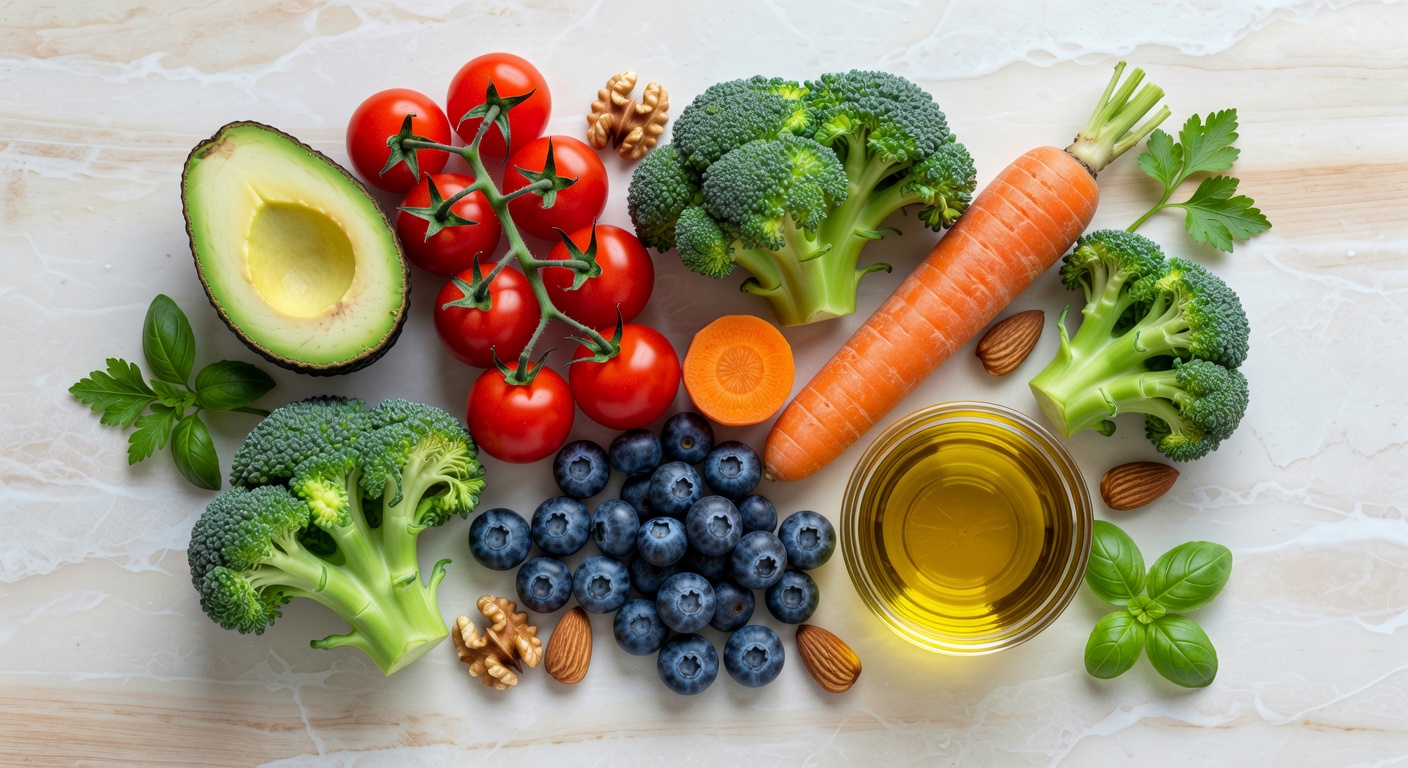
Research has consistently shown that certain nutrients play a crucial role in managing cholesterol levels. For instance, omega-3 fatty acids, abundant in fatty fish, flaxseeds, and walnuts, are known to reduce triglycerides and may help increase high-density lipoprotein (HDL) cholesterol, often referred to as “good” cholesterol. Similarly, soluble fiber, found in oats, barley, beans, and fruits like apples and citrus, can bind to cholesterol in the digestive system and prevent its absorption into the bloodstream, thereby lowering LDL levels. AI-powered platforms excel at identifying the precise types and quantities of these beneficial nutrients that an individual needs, taking into account their unique dietary restrictions (e.g., vegetarian, vegan, gluten-free), current eating habits, physical activity levels, and even genetic factors that might influence how their body processes fats and cholesterol.
Understanding Cholesterol and Diet
Cholesterol is a waxy, fat-like substance that your body needs to build healthy cells. However, high levels of certain types of cholesterol in the blood can increase your risk of heart disease. There are two main types of cholesterol relevant to heart health: LDL (low-density lipoprotein) and HDL (high-density lipoprotein). LDL cholesterol is often called “bad” cholesterol because it can build up in the arteries, forming plaque and narrowing them, which is a primary contributor to atherosclerosis and subsequent cardiovascular events. HDL cholesterol, on the other hand, is known as “good” cholesterol because it helps carry excess cholesterol from the arteries back to the liver for removal from the body.
Diet plays a pivotal role in influencing both LDL and HDL cholesterol levels. Foods high in saturated and trans fats, such as red meat, full-fat dairy products, fried foods, and many processed snacks, tend to raise LDL cholesterol. Conversely, a diet rich in fruits, vegetables, whole grains, lean proteins, and healthy fats can help lower LDL and, in some cases, raise HDL. AI nutrition tools can meticulously map these dietary influences to an individual’s specific cholesterol numbers, providing a clear, actionable roadmap for dietary improvement.
AI in Identifying Cholesterol-Lowering Foods
AI algorithms can process extensive food databases, cross-referencing them with scientific literature on their impact on cholesterol levels. This allows AI to generate personalized shopping lists and meal plans that prioritize foods proven to lower LDL cholesterol and support overall cardiovascular health. For example, an AI might recommend incorporating specific types of nuts known for their phytosterol content, or suggest recipes that maximize the intake of psyllium husk for its potent soluble fiber benefits. The AI can also identify hidden sources of saturated fats or trans fats in a user’s current diet and suggest healthier alternatives, making the process of dietary modification more manageable and effective.
Key Findings on AI and Nutrition for High Cholesterol
A growing body of research has investigated the potential benefits of AI-powered nutrition education and dietary planning in managing high cholesterol. These studies are beginning to demonstrate tangible improvements in user adherence and health outcomes. Key findings from this emerging research include:
- Improved Adherence: Studies have consistently shown that individuals who utilize AI-powered nutrition platforms are more likely to adhere to their prescribed dietary recommendations compared to those following generic advice or traditional diet plans. The personalization, convenience, and interactive nature of these platforms contribute to sustained engagement.
- Nutrient Optimization: AI algorithms can precisely optimize nutrient intake to reduce the risk factors associated with cardiovascular disease, including high cholesterol. This involves not just identifying beneficial nutrients but also ensuring a balanced intake of all essential vitamins and minerals, which can indirectly support cholesterol management by improving overall metabolic health.
- Reduced Healthcare Costs: By promoting effective preventive care and enabling early intervention through lifestyle modifications, AI-powered nutrition education has the potential to significantly reduce long-term healthcare costs associated with managing high cholesterol and its complications. This includes fewer doctor visits, reduced need for cholesterol-lowering medications, and a lower incidence of costly cardiovascular events.
- Enhanced User Engagement: AI platforms often incorporate gamification, progress tracking, and personalized feedback mechanisms, which significantly boost user engagement and motivation. This sustained engagement is critical for long-term dietary changes required to manage chronic conditions like high cholesterol.
- Early Detection of Dietary Risks: AI can analyze dietary patterns to identify potential risks or deficiencies that might not be immediately apparent to the individual, allowing for proactive adjustments before they negatively impact cholesterol levels.
Benefits of Using AI in Dietary Planning
The advantages of integrating AI into dietary planning for high cholesterol management extend beyond just providing a list of “good” and “bad” foods. These benefits empower individuals and contribute to more sustainable health improvements:
- Improved Nutrition Knowledge: AI-powered platforms act as sophisticated educational tools, providing evidence-based nutrition information tailored to the user’s specific condition and needs. This empowers individuals to understand the ‘why’ behind dietary recommendations, fostering informed decision-making and a deeper understanding of their health.
- Increased Adherence and Motivation: The highly personalized nature of AI-generated plans, coupled with regular monitoring, feedback loops, and progress visualization, significantly increases adherence to dietary goals. This consistent reinforcement helps individuals stay motivated and overcome common challenges associated with dietary changes.
- Enhanced Health Outcomes: By meticulously guiding users towards a balanced, heart-healthy diet and promoting associated healthy lifestyle choices, AI-powered nutrition education can directly contribute to improved health outcomes for individuals with high cholesterol. This includes measurable reductions in LDL cholesterol, improved triglyceride levels, and a decreased overall risk of cardiovascular events.
- Time Efficiency and Convenience: AI can automate many of the complex calculations and research involved in creating a personalized diet plan, saving individuals significant time and effort. Accessing these plans through user-friendly apps makes healthy eating more convenient than ever.
- Identification of Subtle Dietary Triggers: Beyond macronutrient and micronutrient analysis, AI can potentially identify less obvious dietary triggers for inflammation or adverse lipid profiles based on complex pattern recognition within a user’s food diary and health data.
Scientific Basis of AI Nutrition for Cholesterol
The efficacy of AI in nutrition for cholesterol management is grounded in established scientific principles of dietetics and cardiovascular health. AI algorithms are trained on extensive datasets that include peer-reviewed scientific studies, nutritional databases, and clinical trial results. These datasets contain information on the biochemical effects of various foods and nutrients on lipid profiles, inflammatory markers, and overall cardiovascular function.
For instance, AI can leverage research demonstrating the impact of plant sterols and stanols, compounds found in many plant-based foods, on cholesterol absorption. Studies have shown that consuming around 2 grams of plant sterols or stanols per day can lower LDL cholesterol by 5-15%. AI can identify foods rich in these compounds and integrate them into personalized meal plans, ensuring users achieve the recommended intake. Similarly, the role of dietary fiber, particularly beta-glucans found in oats and barley, in reducing cholesterol absorption is well-documented. AI can quantify the fiber content of user-selected foods and suggest optimal sources to meet daily targets, often exceeding 25-30 grams of fiber per day for cardiovascular benefits.
Furthermore, AI can analyze the glycemic index and glycemic load of foods, which are important considerations for individuals with metabolic syndrome or insulin resistance, conditions often co-occurring with high cholesterol. By recommending low-glycemic index foods, AI can help improve insulin sensitivity and reduce triglyceride levels, further supporting heart health. The ability of AI to synthesize and apply this vast body of scientific knowledge to an individual’s unique biological context is what makes it a powerful tool in the fight against high cholesterol.
Practical Implementation Strategies
Integrating AI-powered nutrition into daily life for managing high cholesterol requires a practical, step-by-step approach. Users are encouraged to actively engage with the technology and view it as a supportive partner in their health journey.
Getting Started with an AI Nutrition Platform
- Initial Data Input: Begin by providing accurate and comprehensive information to the AI platform. This typically includes your current weight, height, age, activity level, any diagnosed health conditions (including your cholesterol levels and whether you are on medication), dietary preferences, allergies, and intolerances. The more detailed the input, the more precise the AI’s recommendations will be.
- Setting Realistic Goals: Work with the AI to set achievable short-term and long-term goals. For cholesterol management, this might involve a target reduction in LDL cholesterol, an increase in HDL, or a specific weight loss goal if overweight. Breaking down larger goals into smaller, manageable steps can enhance motivation.
- Daily Logging: Consistently log your food intake, water consumption, and physical activity. Many AI platforms integrate with or offer their own tracking tools, which can be linked to wearable devices for automated data capture. Accurate logging is crucial for the AI to provide timely and relevant feedback.
- Reviewing Recommendations: Take time to understand the meal suggestions, recipes, and nutritional advice provided by the AI. Don’t hesitate to explore the educational resources offered by the platform to deepen your knowledge about the foods you are consuming and their impact on your cholesterol.
- Providing Feedback: Engage with the AI by providing feedback on the meal suggestions. If a meal is not to your liking, or if you found it difficult to prepare, inform the system. This feedback helps the AI learn your preferences and refine future recommendations.
- Regular Check-ins: Schedule regular check-ins with your healthcare provider to monitor your cholesterol levels and discuss your progress. While AI is a powerful tool, it should complement, not replace, professional medical advice.
Tips for Success
- Be Patient: Dietary changes take time to show significant results. Be patient with the process and focus on consistency rather than immediate perfection.
- Embrace Variety: AI platforms can help introduce you to a wider range of healthy foods and recipes you might not have considered otherwise. Be open to trying new things.
- Stay Hydrated: Ensure you are drinking an adequate amount of water throughout the day, as hydration is essential for overall health and metabolic processes.
- Prioritize Sleep and Stress Management: While diet is crucial, other lifestyle factors like adequate sleep and stress management also play a role in cholesterol levels. Some AI platforms may offer guidance on these areas as well.
- Don’t Be Afraid to Ask for Help: If you encounter challenges or have questions, utilize the support features of the AI platform or consult with a registered dietitian or your doctor.
Future Directions for AI Nutrition Research
The field of AI nutrition is rapidly evolving, with researchers continuously exploring innovative ways to leverage machine learning and artificial intelligence for enhanced dietary planning and health management. As the technology matures and more data becomes available, several exciting future directions are on the horizon:
- Integrating Wearable Data and Biosensors: Researchers are actively investigating ways to more deeply integrate real-time data from wearable devices and advanced biosensors into AI-powered nutrition platforms. This includes continuous glucose monitoring, heart rate variability, sleep tracking, and even emerging technologies that can measure specific nutrient levels or metabolic markers in real-time. This integration will allow for hyper-personalized and dynamically adjusting dietary recommendations that respond instantaneously to the body’s physiological state.
- Developing Highly Personalized Nutrition Plans: Future AI algorithms will be optimized to create even more individualized nutrition plans by considering a wider array of personal data. This includes detailed genetic profiles (nutrigenomics), microbiome analysis (gut health), and advanced metabolic profiling. The goal is to move beyond population-level recommendations to truly bespoke dietary strategies that are optimized for an individual’s unique biological makeup and predispositions.
- Predictive Health Analytics: AI will increasingly be used for predictive health analytics, forecasting an individual’s risk of developing chronic diseases like high cholesterol based on their current dietary habits, genetic predispositions, and lifestyle factors. This proactive approach will enable early interventions and personalized prevention strategies before conditions fully manifest.
- AI-Powered Food Production and Supply Chain Optimization: Beyond individual dietary planning, AI could play a role in optimizing food production and supply chains to make healthier food options more accessible and affordable. This could involve AI predicting demand for nutrient-rich foods and guiding agricultural practices.
- Behavioral Economics Integration: Future AI nutrition tools may incorporate principles of behavioral economics to design interventions that are more effective in promoting long-term adherence to healthy eating habits. This could involve understanding user motivations, decision-making biases, and developing nudges that encourage healthier choices.
- Enhanced Natural Language Processing for User Interaction: Advancements in natural language processing (NLP) will allow for more intuitive and conversational interactions with AI nutrition platforms. Users will be able to ask complex questions in plain language and receive comprehensive, easy-to-understand answers and guidance.
Key Takeaways
- AI-powered nutrition education offers a cutting-edge approach to dietary planning, leveraging machine learning algorithms and vast nutritional databases to provide personalized recommendations for managing high cholesterol.
- Research has shown that AI-powered nutrition can significantly help manage high cholesterol by promoting heart-healthy diets and lifestyles, improving user adherence, and optimizing nutrient intake.
- The benefits of using AI in dietary planning for high cholesterol include improved nutrition knowledge, increased adherence and motivation, enhanced health outcomes, and greater convenience.
- Future directions for AI nutrition research include deeper integration of wearable data and biosensors, the development of highly personalized nutrition plans based on genetics and microbiome analysis, and predictive health analytics for proactive disease prevention.
- AI nutrition tools are designed to complement, not replace, traditional medical advice and should be used in conjunction with guidance from healthcare professionals.
FAQ
Learn more about AI nutrition with these frequently asked questions:
-
Q: Is AI-powered nutrition education a replacement for traditional dietary planning methods?
A: No, AI nutrition is a complementary approach that can be used in conjunction with traditional methods, such as consulting with a registered dietitian or doctor, to provide more personalized, data-driven, and effective guidance. It enhances and supports existing healthcare strategies.
-
Q: Can AI-powered nutrition platforms help me manage my high cholesterol?
A: Yes, research and the principles of AI nutrition strongly suggest that AI-powered nutrition education can promote heart-healthy diets and lifestyles, potentially reducing the risk of cardiovascular disease associated with high cholesterol by providing tailored recommendations for nutrient intake and food choices.
-
Q: How do I get started with AI-powered nutrition education?
A: To get started, you can visit AINUTRY’s website or download our mobile app to access a range of
Frequently Asked Questions
Who should consider using AI nutrition for high cholesterol?
Individuals seeking highly personalized and data-driven dietary strategies to manage high cholesterol may benefit from AI nutrition. It is particularly useful for those who find generic dietary advice ineffective or wish to optimize their food choices based on their unique health profile and lifestyle.
Is AI nutrition for high cholesterol scientifically proven to be safe and effective?
The safety and effectiveness of AI nutrition for high cholesterol depend on the underlying scientific models and data used by the specific AI platform. While AI can provide evidence-based, personalized recommendations, it should always complement, not replace, professional medical guidance and regular cholesterol monitoring.
How does AI nutrition personalize dietary recommendations for individuals with high cholesterol?
AI nutrition platforms analyze a vast array of individual data, including genetics, current diet, lifestyle, and health markers, to generate highly tailored meal plans and food suggestions. This personalization aims to optimize nutrient intake and food choices specifically to help lower LDL cholesterol and improve overall lipid profiles.
Can AI nutrition provide specific supplement dosages or timing recommendations for high cholesterol?
While some advanced AI nutrition platforms may suggest beneficial supplements based on your profile, their primary focus is typically on whole food dietary patterns rather than specific supplement dosages. For precise supplement recommendations, including dosage and timing, it is crucial to consult with a healthcare professional or a registered dietitian.
Leave a Reply