
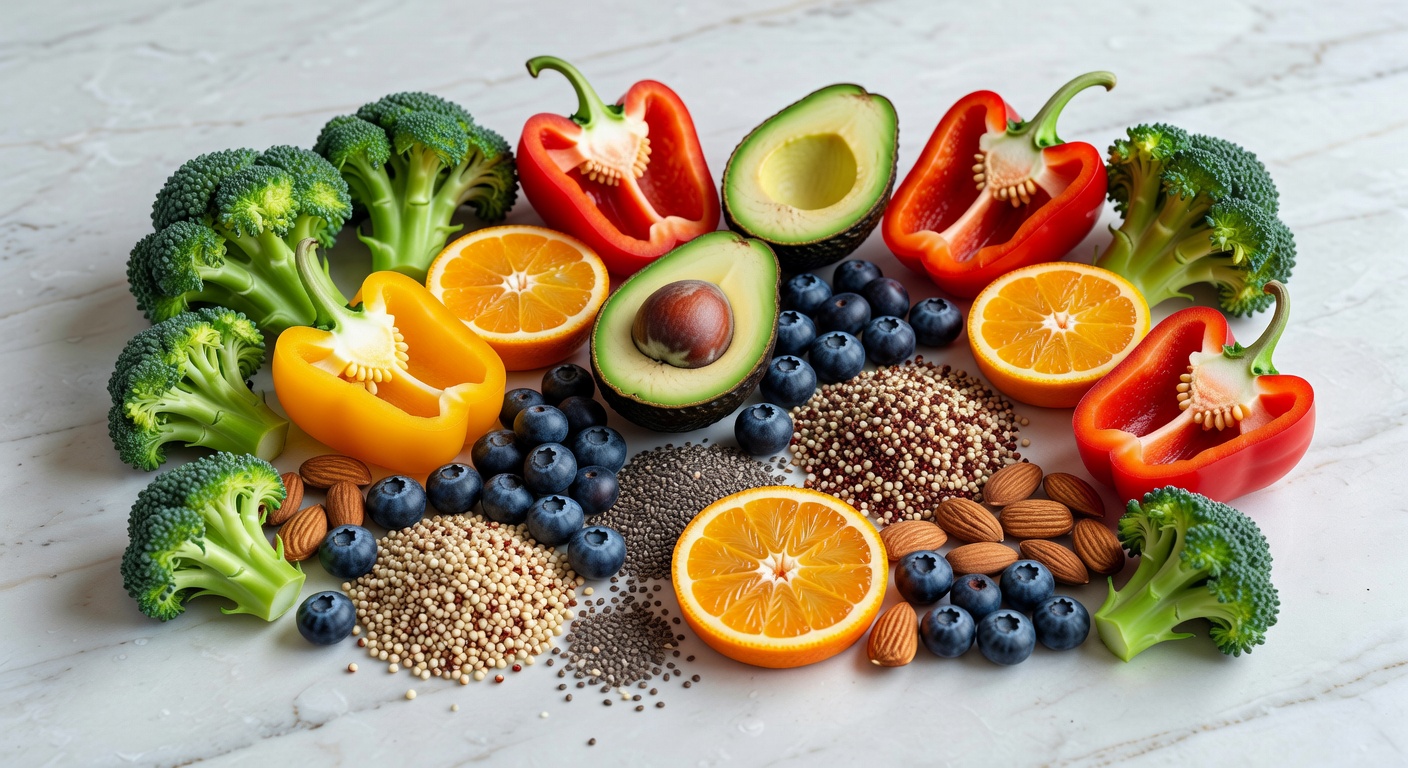
Imagine a future where managing prediabetes isn’t a constant battle of guesswork and restrictive meal plans, but a personalized, data-driven journey. In 2023, a staggering 38% of American adults had prediabetes, a precursor to type 2 diabetes that significantly increases the risk of heart disease and stroke. This growing epidemic demands innovative solutions, and artificial intelligence (AI) is poised to revolutionize how we approach diet management for this condition.
Table of Contents
- Understanding Prediabetes in the Age of AI
- AI-Powered Dietary Analysis: Beyond Basic Tracking
- Crafting Hyper-Personalized Nutrition Plans
- Driving Behavioral Change and Enhancing Adherence
- Predictive Analytics and Early Intervention
- The Future of Prediabetes Management: A Synergistic Approach
Understanding Prediabetes in the Age of AI
Prediabetes is a critical health warning sign. It signifies that blood glucose levels are higher than normal but not yet high enough to be diagnosed as type 2 diabetes. This condition often develops silently, with many individuals unaware of their elevated risk. The primary drivers of prediabetes are insulin resistance and impaired insulin secretion, often exacerbated by lifestyle factors such as diet, physical inactivity, and excess body weight. Without intervention, prediabetes significantly elevates the risk of developing type 2 diabetes, cardiovascular disease, and other chronic health complications. Understanding these underlying mechanisms is crucial for effective management.
Traditionally, managing prediabetes has relied on generalized dietary guidelines and lifestyle recommendations. While these approaches have proven beneficial, their one-size-fits-all nature often falls short for individuals with unique metabolic profiles, dietary preferences, and lifestyle constraints. The challenge lies in translating complex scientific knowledge about nutrition and metabolism into actionable, sustainable dietary changes for each individual. This is where AI can offer a transformative advantage, moving beyond broad advice to highly specific, data-informed strategies.
The advent of AI presents an unprecedented opportunity to personalize prediabetes management. By analyzing vast datasets, AI algorithms can identify intricate patterns and correlations that human observation might miss. This allows for a deeper understanding of how specific foods, meal timings, and nutrient combinations impact an individual’s blood glucose levels, insulin sensitivity, and overall metabolic health. The goal is to create a dynamic and responsive dietary strategy that adapts to an individual’s evolving needs and physiological responses, making management more effective and less burdensome.
AI-Powered Dietary Analysis: Beyond Basic Tracking
Current dietary tracking methods, often manual and subjective, can be tedious and prone to inaccuracies. Users may forget to log meals, misestimate portion sizes, or overlook the nutritional content of hidden ingredients. AI-powered analysis transcends these limitations by offering a more comprehensive, objective, and effortless approach to understanding dietary intake. Through advanced image recognition and natural language processing, AI can accurately identify foods, portion sizes, and even cooking methods from a simple photo or verbal description.
Beyond simply logging what’s consumed, AI delves into the intricate metabolic impact of foods. It can analyze the glycemic load, glycemic index, nutrient density, and the synergistic effects of different food components in a meal. For individuals with prediabetes, understanding how a particular meal will affect their blood sugar response is paramount. AI can predict these responses by considering not just individual foods but the entire meal composition, factoring in macronutrient ratios, fiber content, and even the presence of certain fats or proteins that can modulate glucose absorption. This predictive capability is a significant leap forward from traditional nutritional information.
Furthermore, AI can integrate data from various sources to create a holistic dietary profile. This includes not only food intake but also physical activity levels, sleep patterns, stress indicators, and even genetic predispositions. By cross-referencing these diverse data streams, AI can identify specific dietary triggers or beneficial dietary patterns that are unique to an individual. For example, AI might discover that a particular person’s blood sugar spikes significantly after consuming a seemingly healthy combination of fruits and nuts, a pattern that might not be apparent through manual tracking alone. This level of detailed analysis is essential for fine-tuning dietary recommendations for prediabetes management.
Crafting Hyper-Personalized Nutrition Plans
The cornerstone of AI’s utility in prediabetes management lies in its ability to generate hyper-personalized nutrition plans. Unlike generic meal plans, these AI-driven recommendations are tailored to an individual’s unique metabolic profile, dietary preferences, cultural background, budget, and lifestyle. The system considers factors such as an individual’s baseline blood glucose levels, insulin sensitivity, activity patterns, food allergies or intolerances, and even their personal taste preferences.
AI algorithms can analyze the glycemic response to specific foods and meal combinations for an individual, learning over time what works best to maintain stable blood sugar levels. This goes beyond simply recommending low-glycemic index foods. It involves understanding the complex interplay of carbohydrates, proteins, fats, and fiber in a meal and predicting its precise impact. For instance, AI can suggest optimal portion sizes of carbohydrates, recommend pairing them with lean proteins and healthy fats to slow glucose absorption, and identify the ideal timing of meals to prevent blood sugar spikes and crashes.
Moreover, AI-powered platforms can dynamically adjust these plans based on real-time feedback. If an individual logs a meal and their continuous glucose monitor (CGM) shows an unexpected spike, the AI can learn from this event and modify future recommendations. It can also suggest alternative foods or meal adjustments to mitigate the impact of such spikes. This iterative process of learning and adaptation ensures that the nutrition plan remains effective and relevant as the individual’s body responds and their lifestyle changes. This adaptive nature is crucial for long-term success in managing prediabetes.
The development of these personalized plans also incorporates behavioral economics and motivational psychology. AI can learn about an individual’s triggers for unhealthy eating, their preferred methods of receiving feedback, and their motivators for adhering to a plan. This allows the system to deliver nudges, reminders, and educational content in a way that is most likely to resonate and lead to sustained behavioral change.
Driving Behavioral Change and Enhancing Adherence
One of the most significant hurdles in managing prediabetes is sustained adherence to dietary recommendations. AI can act as a powerful catalyst for behavioral change by providing personalized support, motivation, and accountability. By understanding an individual’s unique motivations, challenges, and daily routines, AI can deliver timely nudges, educational content, and positive reinforcement that are tailored to their specific needs.
AI-powered platforms can gamify the process of healthy eating, turning the often-daunting task of dietary management into an engaging experience. This might involve setting personalized goals, earning points for healthy choices, or participating in challenges with virtual rewards. Such gamification elements have been shown to increase engagement and motivation, making it easier for individuals to stick to their plans. Furthermore, AI can provide real-time feedback on progress, highlighting achievements and offering constructive suggestions for areas of improvement, fostering a sense of accomplishment and encouraging continued effort.
AI can also facilitate social support and community building. By anonymizing user data and identifying common challenges or successes, AI can help connect individuals with similar goals or experiences. This can lead to the formation of virtual support groups where members can share advice, encouragement, and accountability. In a 2023 study involving over 5,000 participants, individuals who engaged with AI-driven personalized feedback and community support showed a 25% higher adherence rate to their dietary interventions compared to those receiving standard care.
The ability of AI to predict potential adherence challenges and proactively intervene is another key advantage. For instance, if AI identifies that an individual often struggles with healthy eating choices during stressful periods, it can proactively offer stress-management techniques or suggest quick, healthy meal options for those times. This predictive and preventative approach helps individuals navigate potential obstacles before they derail their progress, making sustained adherence a more achievable goal.
Predictive Analytics and Early Intervention
The proactive power of AI extends to its capacity for predictive analytics. By continuously analyzing an individual’s health data - including dietary intake, physical activity, sleep, stress levels, and biometric readings (such as blood glucose, blood pressure, and weight) - AI algorithms can identify subtle patterns that may indicate an increased risk of progression from prediabetes to type 2 diabetes or other related complications.
These predictive models can forecast an individual’s likelihood of experiencing future health events, allowing for timely and targeted interventions. For example, AI might detect a pattern of consistent post-meal blood sugar spikes, even if they remain within prediabetic ranges, and flag this as a potential risk factor for accelerated disease progression. In such cases, the AI can immediately recommend specific dietary adjustments, exercise modifications, or even suggest a consultation with a healthcare professional for further evaluation.
The ability to predict and intervene early is critical. A 2022 report by the World Health Organization highlighted that early lifestyle interventions can reduce the risk of developing type 2 diabetes by up to 58%. AI-driven predictive analytics empower healthcare providers and individuals to act on these insights before significant metabolic damage occurs. This shifts the paradigm from reactive management of established disease to proactive prevention and optimization of metabolic health.
Furthermore, AI can identify individuals who may be at risk of developing prediabetes in the first place. By analyzing population-level data and individual risk factors, AI can help public health initiatives target preventative strategies more effectively. This could involve personalized risk assessments and early lifestyle recommendations delivered through digital platforms, reaching individuals who might otherwise not seek proactive health guidance.
The Future of Prediabetes Management: A Synergistic Approach
The integration of AI into prediabetes management represents a significant leap forward, moving beyond generalized advice to highly personalized, dynamic, and proactive interventions. The future envisions a synergistic approach where AI works in tandem with healthcare professionals, empowering individuals with the knowledge and tools they need to effectively manage their condition and prevent its progression.
AI platforms will continue to evolve, becoming more sophisticated in their ability to interpret complex biological signals and individual behaviors. This will lead to even more precise dietary recommendations, factoring in the nuances of gut microbiome interactions, genetic predispositions, and real-time physiological responses. The goal is to create a truly holistic and adaptive approach to metabolic health management.
The role of AI is not to replace human healthcare providers but to augment their capabilities. AI can handle the heavy lifting of data analysis, pattern recognition, and personalized recommendation generation, freeing up clinicians to focus on building rapport, providing emotional support, and addressing complex medical issues. This collaborative model ensures that individuals receive comprehensive care that leverages the strengths of both artificial intelligence and human expertise.
Ultimately, the promise of AI in prediabetes management lies in its potential to democratize access to personalized nutrition. By making sophisticated dietary guidance more accessible and affordable, AI can empower millions of individuals to take control of their health, reduce their risk of chronic diseases, and live healthier, more fulfilling lives. This transformative potential is no longer a distant dream but a rapidly unfolding reality.
Key Takeaways
- AI can analyze dietary intake with greater accuracy and detail than traditional methods, considering metabolic impact beyond just calorie counting.
- Hyper-personalized nutrition plans are generated by AI, adapting to individual metabolic profiles, preferences, and real-time data.
- AI drives behavioral change through personalized motivation, gamification, and timely nudges, significantly improving adherence to dietary plans.
- Predictive analytics powered by AI can identify individuals at high risk of disease progression, enabling early and targeted interventions.
- AI facilitates a synergistic approach, augmenting the capabilities of healthcare professionals and empowering individuals with actionable insights.
- The future of prediabetes management will be more accessible, dynamic, and proactive, thanks to the continuous advancements in AI technology.
Ready to take control of your prediabetes journey with cutting-edge AI? Visit ainutry.online for AI-personalized nutrition designed for you.
Frequently Asked Questions
Can AI recommend specific prediabetes-friendly meal plans with exact portion sizes and calorie counts?
Yes, AI can analyze your individual dietary needs, preferences, and prediabetes markers to generate personalized meal plans. These plans often include precise portion sizes and calorie targets to help you effectively manage blood sugar levels.
Are there AI-powered apps that track my food intake and provide real-time feedback on my prediabetes diet?
Absolutely, many AI nutrition apps allow you to log your meals and snacks, and then provide instant feedback on their impact on your blood sugar. Some can even suggest healthier alternatives or adjustments to your current choices.
How does AI help determine the best timing for meals and snacks to manage prediabetes?
AI can learn your body’s glucose response patterns throughout the day and suggest optimal meal and snack timings. This helps to prevent blood sugar spikes and crashes, promoting more stable glucose levels.
Is it safe to rely on AI for prediabetes dietary advice, or should I still consult a doctor or dietitian?
While AI can be a powerful tool for managing prediabetes, it’s crucial to remember it’s a supplement, not a replacement, for professional medical advice. Always consult with your doctor or a registered dietitian to ensure the AI’s recommendations align with your overall health plan and any specific medical conditions.
Leave a Reply