
Table of Contents
- What is Anemia and How Can AI Help?
- AI-Powered Nutrition Education for Anemia Management
- Personalized Meal Planning for Anemia Prevention
- Benefits of AI-Driven Anemia Management
- Understanding Anemia Further: Causes, Types, and Symptoms
- The Science Behind AI in Nutrition
- Practical AI Tools and Features for Anemia Management
- Integrating AI into Your Daily Life for Anemia Management
- The Future of AI and Anemia Care
- Key Takeaways
- FAQ
- Conclusion
What is Anemia and How Can AI Help?
Anemia is a condition characterized by a decrease in the number of red blood cells or the amount of hemoglobin in the blood. Hemoglobin is a protein within red blood cells responsible for carrying oxygen from the lungs to the body’s tissues. When red blood cell count or hemoglobin levels are insufficient, the body’s organs and tissues may not receive adequate oxygen, leading to a range of symptoms. According to the World Health Organization (WHO), anemia affects approximately 1.5 billion people worldwide, with the majority being women and children. This widespread prevalence underscores the critical need for effective management and prevention strategies.
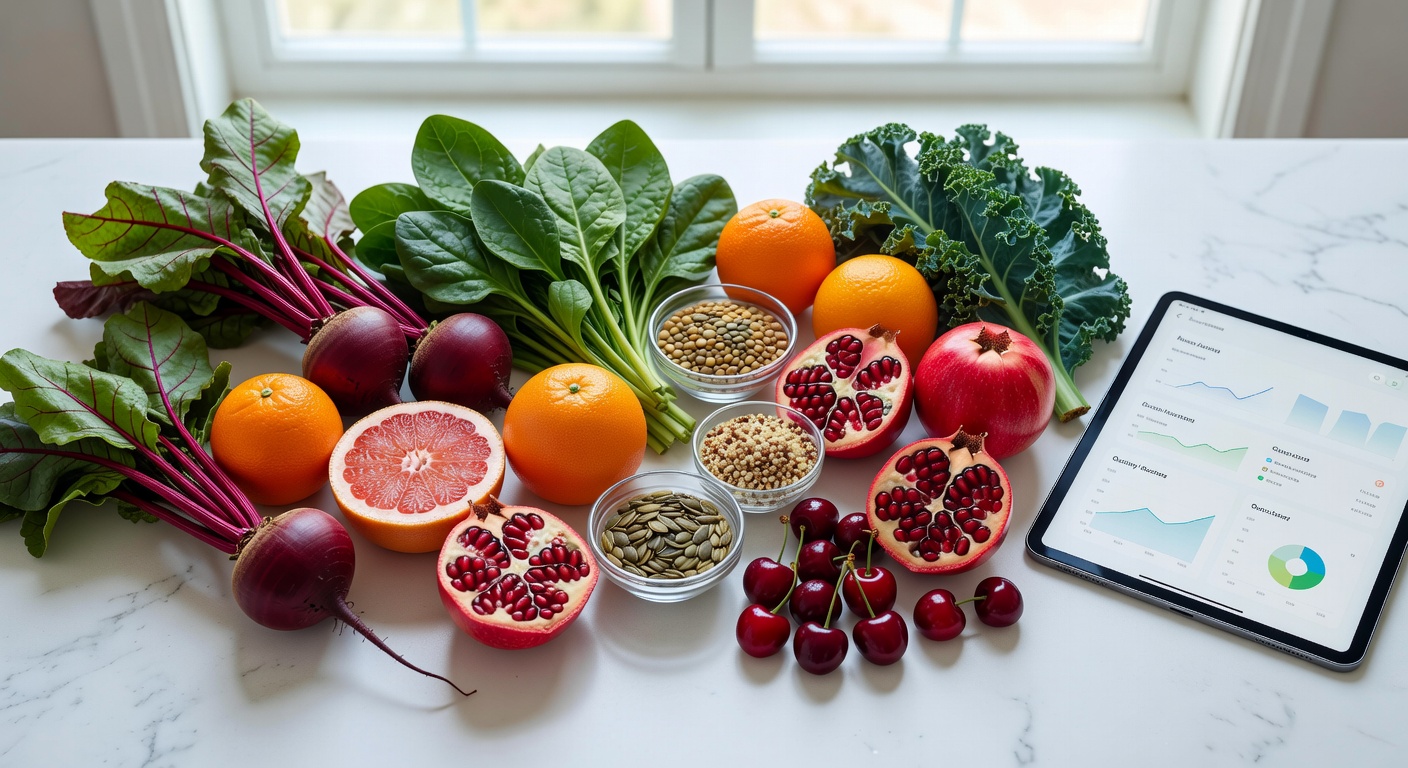
Traditional methods of managing anemia often focus on treating the symptoms and addressing immediate complications rather than delving deeply into the root causes, particularly those related to dietary habits. However, Artificial Intelligence (AI) is emerging as a transformative force, capable of bridging this gap by providing highly personalized nutrition education and meticulously tailored meal planning, all designed to meet an individual’s unique physiological and lifestyle needs. AI can analyze vast amounts of data to identify dietary deficiencies and suggest precise interventions.
Understanding Anemia Basics
- Anemia is a common nutritional disorder that affects millions of people worldwide, impacting energy levels and overall health.
- It can be caused by a variety of factors, including insufficient intake of key nutrients like iron, vitamin B12, or folate, as well as chronic diseases that affect red blood cell production or survival.
- Anemia can manifest in symptoms such as persistent fatigue, profound weakness, shortness of breath, pale skin, dizziness, and cold hands and feet, significantly diminishing quality of life.
AI-Powered Nutrition Education for Anemia Management
AI-powered nutrition education platforms, such as AINUTRY, are revolutionizing how we approach anemia management. These platforms go beyond generic advice, offering highly personalized meal planning and nutrition guidance that is intricately tailored to an individual’s specific dietary preferences, daily lifestyle, and unique health goals. At their core, these platforms employ sophisticated machine learning algorithms. These algorithms are designed to meticulously analyze an individual’s current nutritional intake, identify potential deficiencies, and then provide precise, actionable recommendations for managing anemia effectively. The goal is to empower individuals with knowledge and practical strategies to improve their condition through diet.
For instance, AINUTRY’s advanced AI engine can perform a detailed analysis of an individual’s existing diet. Based on this analysis, it can then generate specific suggestions for increasing the consumption of iron-rich foods. This might include recommending the inclusion of lean red meat, poultry, fish, or fortified cereals and grains, all presented in a way that aligns with the user’s taste and dietary restrictions. The AI doesn’t just list foods; it can suggest how to prepare them, integrate them into existing meal structures, and even recommend complementary foods that enhance nutrient absorption.
How AI-Powered Nutrition Education Works
- AINUTRY’s AI engine utilizes advanced machine learning algorithms to meticulously analyze an individual’s dietary data, including food logs, nutrient intake, and meal patterns.
- The platform then generates highly personalized meal plans and provides targeted nutrition advice that directly addresses the specific nutritional needs of individuals managing anemia, considering factors like iron, vitamin B12, and folate requirements.
- Crucially, AINUTRY’s AI engine is dynamic; it continuously learns and adapts to an individual’s evolving nutritional needs, dietary adherence, and even their reported symptom changes, refining recommendations over time for optimal efficacy.
Personalized Meal Planning for Anemia Prevention
Personalized meal planning stands as a cornerstone of effective AI-driven anemia management. By moving away from one-size-fits-all dietary advice and offering recommendations precisely tailored to an individual’s unique needs, AI plays a pivotal role in both preventing anemia from developing and effectively managing its symptoms once present. This level of customization ensures that individuals are not only meeting their nutritional requirements but are doing so in a way that is sustainable and enjoyable for them.
For example, AINUTRY’s intelligent AI engine can identify iron-rich foods that are not only nutrient-dense but also readily accessible and easy to incorporate into an individual’s daily meals. This might include recommending the regular consumption of dark leafy greens like spinach and kale, legumes such as beans and lentils, or even incorporating fortified bread and pasta into their diet. The AI can also consider factors like individual absorption rates and potential interactions with other nutrients or medications, ensuring that the dietary advice is as effective as possible.
Benefits of Personalized Meal Planning
- Personalized meal planning is instrumental in preventing anemia by ensuring consistent and adequate intake of essential nutrients like iron, vitamin B12, and folate, which are crucial for red blood cell production.
- It can significantly aid in managing existing anemia symptoms by providing tailored recommendations for food intake that directly support increased hemoglobin levels and improved energy.
- Beyond anemia management, personalized meal planning contributes to improved overall health and well-being by promoting balanced nutrition, encouraging healthier eating habits, and potentially reducing the risk of other diet-related conditions.
Benefits of AI-Driven Anemia Management
AI-driven anemia management offers a suite of distinct advantages over traditional, more generalized approaches. This modern methodology promises enhanced precision, greater personalization, and ultimately, more effective outcomes for individuals seeking to combat anemia through dietary interventions. The integration of AI into nutritional guidance transforms a complex health challenge into a manageable, data-informed journey.
The increased accuracy and effectiveness stem from AI’s ability to process vast datasets and identify subtle patterns that might be missed by human analysis alone. This leads to more precise nutritional interventions. Furthermore, the deeply personalized nature of AI-driven recommendations ensures that dietary advice is not only scientifically sound but also practical and sustainable for each individual, considering their unique circumstances, preferences, and biological needs. This enhanced management strategy contributes significantly to improved overall health and well-being by proactively addressing anemia and its associated symptoms, thereby boosting energy levels and enhancing the quality of life.
Understanding Anemia Further: Causes, Types, and Symptoms
Anemia is not a single disease but rather a symptom of an underlying issue, with various causes and classifications. The most prevalent form globally is iron-deficiency anemia, which occurs when the body lacks sufficient iron to produce adequate amounts of hemoglobin. This deficiency can arise from inadequate dietary intake, poor iron absorption, or blood loss (e.g., heavy menstruation, gastrointestinal bleeding). Beyond iron deficiency, other common types include vitamin deficiency anemia, primarily due to insufficient B12 or folate intake, both critical for red blood cell formation. Pernicious anemia is a specific type of B12 deficiency caused by an autoimmune condition that impairs the absorption of this vital vitamin. Anemia of chronic disease, also known as anemia of inflammation, is linked to long-term illnesses like kidney disease, cancer, rheumatoid arthritis, and inflammatory bowel disease, where the disease process interferes with red blood cell production or iron metabolism. Hemolytic anemias are a group of disorders characterized by the premature destruction of red blood cells, which can be inherited (like sickle cell anemia or thalassemia) or acquired due to infections, certain medications, or autoimmune responses. Aplastic anemia is a rare but serious condition where the bone marrow fails to produce enough new blood cells.
The symptoms of anemia can vary widely depending on the severity and the underlying cause, but common indicators include persistent fatigue and weakness, which are often the most noticeable signs. This is because the body’s tissues are not receiving enough oxygen. Pale or yellowish skin can be observed due to reduced hemoglobin levels. Shortness of breath, particularly during exertion, is another common symptom as the lungs work harder to compensate for the reduced oxygen-carrying capacity of the blood. Headaches and dizziness can occur due to reduced oxygen supply to the brain. Cold hands and feet are also frequently reported, along with brittle nails and even unusual cravings for non-food items like ice or dirt (a condition called pica), which is often linked to iron deficiency. In more severe cases, irregular heartbeats or chest pain might develop as the heart works harder to pump oxygenated blood throughout the body. For children, anemia can lead to developmental delays and learning difficulties. Recognizing these diverse symptoms is the first step in seeking appropriate diagnosis and management.
The Science Behind AI in Nutrition
The application of AI in nutrition, particularly for managing complex conditions like anemia, is grounded in sophisticated data analysis and machine learning principles. At its core, AI algorithms are trained on vast datasets that encompass nutritional science, food composition databases, individual health records (anonymized and with consent), and even behavioral patterns related to eating. Machine learning models, such as deep learning neural networks and support vector machines, are employed to identify complex relationships between dietary intake, nutrient levels, physiological markers, and health outcomes. For anemia management, AI can analyze a user’s reported food intake, cross-referencing it with their body’s specific needs for iron, B12, and folate. It can then predict potential deficiencies or excesses and recommend dietary adjustments with a high degree of specificity.
For example, AI can learn to distinguish between heme iron (found in animal products, highly absorbable) and non-heme iron (found in plant sources, less absorbable). It can then advise on combining non-heme iron sources with vitamin C-rich foods (like citrus fruits or bell peppers) to significantly enhance absorption, a crucial piece of dietary advice that might be overlooked in generic plans. Furthermore, AI can consider individual metabolic rates, activity levels, and even genetic predispositions (if data is available) to fine-tune nutrient recommendations. The predictive power of AI also extends to anticipating potential nutritional challenges. For instance, it can flag individuals at higher risk of B12 deficiency based on their dietary patterns (e.g., strict veganism without supplementation) or medical history (e.g., previous gastric surgery). This proactive approach allows for early intervention and personalized strategies to prevent the onset or worsening of anemia.
Practical AI Tools and Features for Anemia Management
Modern AI-powered nutrition platforms offer a range of practical features designed to make anemia management through diet more accessible and effective. One of the most valuable is the intelligent food logging system. Users can simply input their meals, and the AI analyzes the nutritional content, providing an immediate breakdown of key nutrients like iron, B12, and folate. This feature helps users visualize their intake and identify gaps in their diet in real-time. Beyond simple logging, many platforms offer automated meal plan generation. Based on user profiles, dietary preferences, allergies, and specific anemia management goals, the AI constructs balanced weekly or daily meal plans complete with recipes and shopping lists. These plans are not static; they can be adjusted based on user feedback or changes in health status.
Another crucial feature is personalized nutrient tracking and goal setting. The AI monitors the user’s progress towards their daily recommended intake of essential nutrients for anemia management and provides visual feedback and alerts. This can include reminders to consume specific foods or supplements known to aid iron absorption or B12 intake. Advanced platforms may also incorporate symptom tracking. Users can log their symptoms (e.g., fatigue levels, paleness), and the AI can correlate these with dietary patterns, helping to identify food triggers or beneficial dietary changes. Furthermore, AI can provide educational modules that explain the science behind anemia, the role of specific nutrients, and the rationale behind the recommended dietary changes, empowering users with knowledge. These tools collectively transform the often overwhelming task of dietary management into a structured, guided, and personalized experience.
Integrating AI into Your Daily Life for Anemia Management
Incorporating AI-driven tools into your daily routine for anemia management is a straightforward process that can yield significant benefits. The first step is to choose a reputable AI nutrition platform, like AINUTRY, that aligns with your needs and preferences. Once you’ve signed up, dedicate a few minutes to completing your profile thoroughly. This includes providing details about your dietary restrictions, allergies, food dislikes, cooking skills, available time for meal preparation, and your specific health goals related to anemia. The more accurate and detailed your profile, the more personalized and effective the AI’s recommendations will be.
Next, commit to consistent use of the platform’s features. This means diligently logging your meals, snacks, and beverages. Even if you miss a meal, try to log it later or estimate as best as possible. This consistent data input is what allows the AI to learn your habits and provide accurate feedback. Actively engage with the meal plans generated by the AI. Review them, make minor adjustments if necessary based on your preferences, and try to follow them as closely as you can. Utilize the shopping list feature to streamline your grocery trips. Don’t hesitate to explore the educational content provided by the platform; understanding *why* certain foods are recommended can enhance your motivation and adherence. If the platform includes symptom tracking, make it a habit to log your symptoms regularly. This data can provide valuable insights into how your diet is impacting your well-being. Finally, be patient and persistent. Dietary changes take time to show effects, and AI tools are designed to support a long-term, sustainable approach to health. Regularly review your progress and adjust your approach as needed, leveraging the AI’s continuous learning capabilities.
The Future of AI and Anemia Care
The trajectory of AI in healthcare, and specifically in nutrition for conditions like anemia, points towards an even more integrated and sophisticated future. We can anticipate AI systems becoming more adept at real-time biometric monitoring. Imagine wearables that not only track activity but also provide continuous, non-invasive measurements of hemoglobin levels or iron saturation. This data could feed directly into AI nutrition platforms, allowing for immediate, automated adjustments to dietary recommendations based on physiological changes. Furthermore, AI could move beyond general recommendations to highly individualized advice based on genetic predispositions for nutrient absorption or metabolism. This would enable the creation of truly personalized nutritional blueprints for anemia prevention and management.
The development of AI-powered virtual nutritionists or chatbots could also revolutionize accessibility. These intelligent assistants could provide instant support, answer complex questions about diet and anemia, offer motivational coaching, and even help users navigate challenges like eating out or managing social events while adhering to their dietary plan. Integration with electronic health records (EHRs) is another significant frontier. AI could seamlessly access a patient’s medical history, lab results, and prescribed medications, providing a holistic view that informs even more precise and safe dietary recommendations. This would allow healthcare providers to leverage AI as a powerful clinical decision support tool, enhancing the care they offer for anemia patients. The ultimate goal is to create a proactive, predictive, and highly personalized system where AI acts as a constant, intelligent companion in maintaining optimal health and preventing nutrient-related deficiencies like anemia.
Key Takeaways
- AI can revolutionize anemia management through diet by offering highly personalized nutrition education and meticulously tailored meal planning, moving beyond generic advice.
- AI-powered nutrition education platforms like AINUTRY leverage machine learning to analyze individual dietary data, identifying nutrient gaps and providing actionable recommendations for managing anemia effectively.
- Personalized meal planning, facilitated by AI, is crucial for both preventing anemia by ensuring adequate nutrient intake and managing its symptoms by optimizing food choices for better red blood cell production and oxygen transport.
- AI-driven anemia management offers significant benefits, including increased accuracy and effectiveness due to data-driven insights, enhanced personalization that considers individual needs and preferences, and ultimately, improved overall health and well-being for those affected by anemia.
- AINUTRY’s AI engine continuously learns and adapts to an individual’s evolving nutritional requirements and lifestyle, making it a dynamic and effective tool for long-term anemia management.
- Understanding the diverse causes and symptoms of anemia is vital, and AI can help individuals navigate these complexities by providing targeted dietary strategies.
- The science behind AI in nutrition involves sophisticated data analysis and machine learning, enabling precise predictions and recommendations for nutrient intake and absorption.
- Practical AI tools like intelligent food logging, automated meal planning, and symptom tracking empower users to actively manage their anemia through diet.
- Integrating AI into daily life for anemia management requires consistent data input, active engagement with recommendations, and a commitment to long-term healthy eating habits.
- The future of AI in anemia care promises even greater integration with biometric monitoring, personalized genetic insights, virtual coaching, and seamless EHR integration for comprehensive health management.
FAQ
What is anemia, and how can AI help manage it?
Anemia is
Frequently Asked Questions
Can AI recommend specific iron supplement dosages for anemia based on my blood test results?
While AI can analyze your blood test data to identify iron deficiency, it cannot prescribe specific supplement dosages. Consult your doctor or a registered dietitian for personalized iron supplement recommendations and monitoring.
What are the best foods AI suggests for increasing iron absorption to manage anemia?
AI can identify foods rich in heme iron (like red meat and poultry) and non-heme iron (like spinach and lentils), and also suggest pairing them with vitamin C-rich foods (like citrus fruits and bell peppers) to enhance absorption.
How can AI help track my dietary intake to ensure I’m getting enough nutrients for anemia management?
AI-powered apps can log your meals and provide insights into your daily intake of iron, vitamin B12, and folate, helping you identify any shortfalls and adjust your diet accordingly.
Is it safe to rely on AI for anemia management without consulting a healthcare professional?
AI can be a valuable tool for information and tracking, but it is not a substitute for professional medical advice. Always consult with your doctor for diagnosis, treatment, and personalized management plans for anemia.
Leave a Reply