
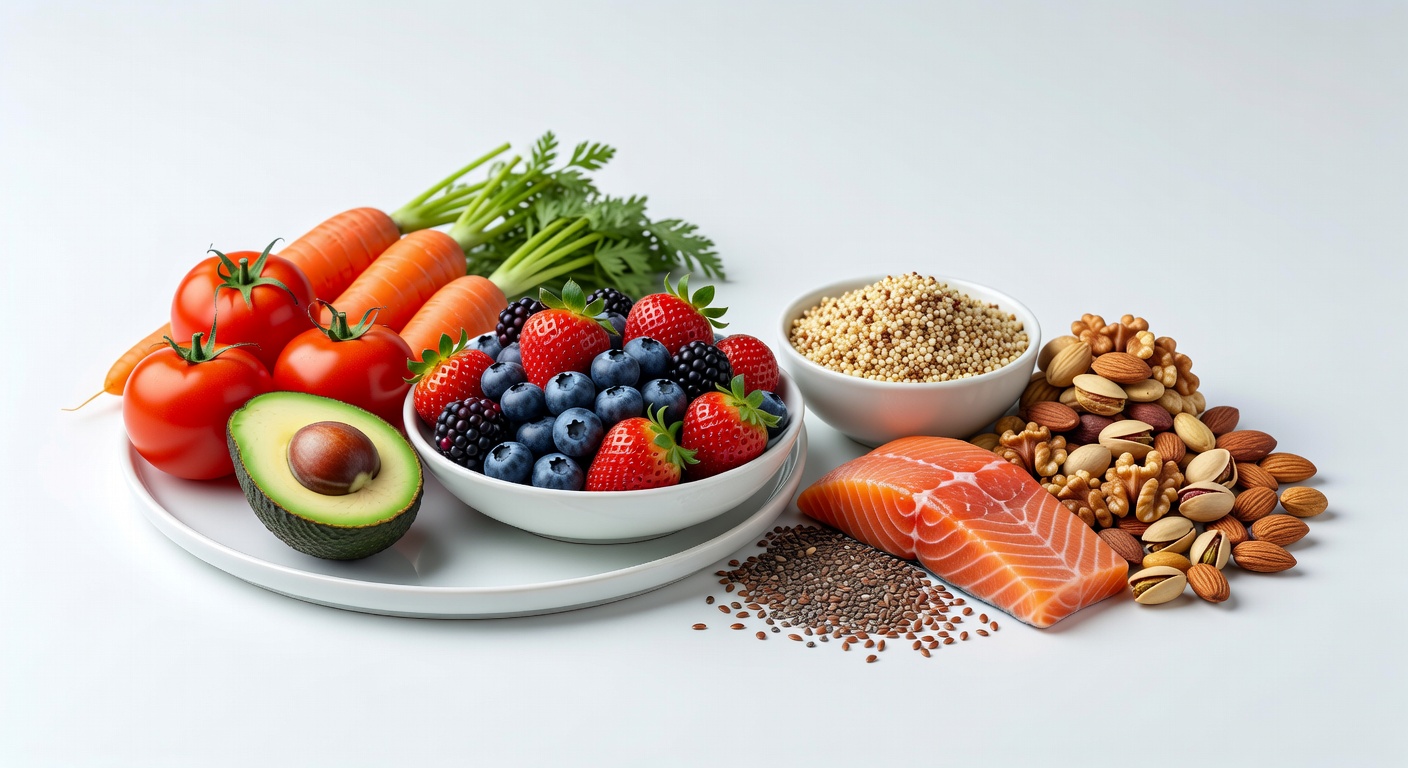
A well-planned diet can significantly reduce heart disease risk, with research showing dietary interventions improve blood pressure and lipid profiles. AI-powered platforms like AINUTRY create personalized meal plans by analyzing individual data, identifying nutrient gaps like insufficient potassium or magnesium, and continuously adapting recommendations based on user progress. This customized approach moves beyond generic dietary advice to provide more effective cardiovascular disease management.
Heart disease is one of the leading causes of death globally, with millions affected each year. However, research suggests that a well-planned diet can significantly reduce the risk of developing cardiovascular conditions.
Table of Contents
- nutrition
- Benefits of Personalized Nutrition for Heart Health
- Addressing Dietary Challenges and Limitations
- Key Takeaways
- FAQ
- Conclusion
The Role of Nutrition in Heart Disease Prevention
Heart disease is often linked to unhealthy lifestyle choices, including a diet high in saturated fats, sugars, and sodium. However, research indicates that nutrition can play a crucial role in preventing cardiovascular conditions. The intricate relationship between what we eat and the health of our cardiovascular system is undeniable. From the cellular level to the overall functioning of our heart and blood vessels, dietary choices have a profound and lasting impact. Understanding these connections is the first step towards proactive heart disease management.
Key Components of a Heart-Healthy Diet
- A diet rich in fruits, vegetables, and whole grains
- High intake of omega-3 fatty acids and polyunsaturated fats
- Limited consumption of red meat and processed foods
Beyond these core components, a heart-healthy diet also emphasizes lean protein sources, healthy fats like those found in avocados and nuts, and adequate hydration. The emphasis is on nutrient-dense foods that provide essential vitamins, minerals, and fiber, while minimizing those that contribute to inflammation and plaque buildup in the arteries. For instance, the fiber in fruits, vegetables, and whole grains helps to lower cholesterol levels and improve blood sugar control, both critical for cardiovascular health. Omega-3 fatty acids, abundant in fatty fish, flaxseeds, and walnuts, are renowned for their anti-inflammatory properties and their ability to reduce triglycerides, a type of fat in the blood. Conversely, diets high in saturated and trans fats, often found in red meat, fried foods, and baked goods, can raise LDL (bad) cholesterol, increasing the risk of atherosclerosis, the hardening and narrowing of arteries.
How AI-Powered Platforms like AINUTRY Can Help
AINUTRY’s AI-powered nutrition education platform uses machine learning algorithms to provide personalized dietary recommendations based on individual needs and health goals. By analyzing user data, including lifestyle habits and medical history, AINUTRY can create tailored meal plans that address specific risk factors for heart disease. This sophisticated approach moves beyond generic advice, offering a level of customization that was previously unattainable for most individuals. The platform’s ability to process vast amounts of data allows it to identify subtle patterns and correlations that might be missed by traditional methods, leading to more effective and precise dietary guidance.
Personalized Nutrition Insights
- Identifying nutrient deficiencies and areas of improvement
- Generating customized meal plans to promote heart health
- Tracking progress and adjusting recommendations as needed
The process begins with a comprehensive intake of user information. This can include dietary preferences, allergies, intolerances, current eating habits, physical activity levels, and existing health conditions. AI algorithms then process this data, cross-referencing it with extensive nutritional databases and scientific literature. This enables the platform to pinpoint specific nutrient gaps, such as insufficient intake of potassium or magnesium, which are vital for blood pressure regulation. It can also identify foods that might be contributing to elevated cholesterol or inflammation. Based on these insights, AINUTRY generates highly personalized meal plans. These plans are not static; they are dynamic and adaptable. As users log their food intake, track their progress, and provide feedback, the AI continuously learns and refines its recommendations. This iterative process ensures that the dietary advice remains relevant and effective, adapting to changes in the user’s health status, lifestyle, or even seasonal food availability. The ability to track progress visually, with charts and graphs illustrating improvements in key health markers, provides powerful motivation and reinforces adherence to the plan.
Deeper Dive into AI Algorithms
The core of AINUTRY’s effectiveness lies in its sophisticated AI algorithms. Machine learning, a subset of artificial intelligence, allows the platform to learn from data without being explicitly programmed. For heart disease management, this means the AI can analyze millions of data points from scientific studies, clinical trials, and user interactions to identify optimal dietary patterns. Natural Language Processing (NLP) might be used to understand user input, such as descriptions of meals or symptoms, enabling more nuanced interactions. Recommendation engines, similar to those used by streaming services, are adapted to suggest foods and recipes that align with a user’s specific cardiovascular goals and preferences. Predictive analytics can even forecast potential nutritional imbalances or areas where adherence might be challenging, allowing for proactive interventions.
Benefits of Personalized Nutrition for Heart Health
Research suggests that personalized nutrition can be more effective in promoting heart health than general dietary advice. The shift from one-size-fits-all dietary guidelines to individualized plans is a paradigm shift in preventative healthcare. Personalized nutrition leverages the unique biological makeup, lifestyle, and preferences of an individual to create a dietary strategy that is not only effective but also sustainable. This tailored approach addresses the complexity of human physiology and the myriad factors that influence cardiovascular well-being.
Dietary Interventions and Cardiovascular Risk Reduction
- Weight management and improved body composition
- Blood pressure regulation and lipid profile improvement
- Inflammation reduction and antioxidant intake optimization
Personalized plans can lead to more effective weight management by precisely calculating caloric needs and macronutrient ratios tailored to an individual’s metabolism and activity level. This can result in improved body composition, with a reduction in body fat and an increase in lean muscle mass, both of which are beneficial for heart health. For blood pressure regulation, AI can identify specific dietary adjustments, such as optimal sodium intake and increased consumption of potassium-rich foods, which are crucial for maintaining healthy blood pressure levels. Similarly, lipid profiles, including LDL cholesterol, HDL cholesterol, and triglycerides, can be significantly improved through personalized recommendations for fat intake, fiber consumption, and the inclusion of specific heart-healthy ingredients. The anti-inflammatory effects of a well-designed diet are also paramount. By optimizing the intake of antioxidants and anti-inflammatory compounds found in fruits, vegetables, and certain spices, and by reducing the consumption of pro-inflammatory foods, personalized nutrition can help mitigate chronic inflammation, a key driver of atherosclerosis and other cardiovascular diseases.
Scientific Validation of Personalized Nutrition
The growing body of scientific evidence supports the efficacy of personalized nutrition. Studies are increasingly demonstrating that interventions based on individual genetics, microbiome composition, and metabolic responses yield better outcomes than generic dietary advice. For example, research into the gut microbiome has revealed how different bacteria can influence nutrient absorption, inflammation, and even the production of compounds that affect cardiovascular health. AI platforms can integrate this complex information to create dietary recommendations that are not only macro- and micronutrient-balanced but also microbiome-friendly. Furthermore, advancements in wearable technology and biosensors allow for real-time monitoring of physiological markers, providing continuous feedback loops that AI can utilize to further refine dietary plans, making them incredibly responsive to individual needs.
Addressing Dietary Challenges and Limitations
While AI-powered platforms like AINUTRY offer a promising approach to heart disease prevention, it’s essential to acknowledge the challenges and limitations of dietary interventions. For example, socioeconomic factors can impact access to healthy food options and meal planning resources. The ideal dietary plan is only effective if it is accessible and sustainable for the individual. This means considering not only nutritional science but also practical realities.
Dietary Accessibility and Equity
- Addressing food deserts and limited access to nutritious foods
- Providing culturally sensitive and tailored nutrition education
- Supporting individuals with dietary restrictions or preferences
Food deserts, areas with limited access to affordable and nutritious food, pose a significant barrier for many. AI platforms can help by suggesting affordable, nutrient-dense alternatives or by providing recipes that utilize readily available ingredients. Culturally sensitive education is also vital. What constitutes a healthy meal can vary significantly across different cultures and traditions. AINUTRY aims to incorporate cultural food practices into its recommendations, ensuring that dietary changes are not only healthy but also enjoyable and culturally relevant. For individuals with specific dietary restrictions, such as vegetarians, vegans, or those with gluten intolerance, AI can efficiently generate meal plans that meet their needs without compromising nutritional adequacy. The platform’s ability to adapt to preferences, whether it’s avoiding certain textures or incorporating favorite cuisines, is crucial for long-term adherence and overall satisfaction with the dietary plan.
Practical Implementation and Adherence
Beyond accessibility, adherence is a major hurdle in any dietary intervention. Life is often unpredictable, and sticking to a strict meal plan can be challenging. AI can address this by offering flexibility, suggesting quick and easy meal options for busy days, or providing strategies for navigating social eating situations. Gamification elements, such as progress tracking, rewards, and community support features, can also enhance motivation and adherence. The platform’s ability to provide just-in-time support, such as reminding users to drink water or suggesting a healthy snack when energy levels are low, can make a significant difference in maintaining consistent healthy habits. Furthermore, AI can help users develop better cooking skills and meal preparation strategies, empowering them to take control of their nutrition in a practical and sustainable way.
The Future of AI in Cardiovascular Nutrition
The integration of AI into cardiovascular nutrition is rapidly evolving. We are moving towards a future where dietary interventions are not only highly personalized but also predictive and proactive. Imagine AI systems that can predict your risk of a cardiovascular event based on your diet, genetics, and real-time physiological data, and then automatically adjust your nutritional plan to mitigate that risk. Wearable devices are becoming more sophisticated, capable of monitoring blood glucose, blood pressure, and even stress levels. AI can synthesize this data to provide instant feedback and personalized recommendations, such as suggesting a calming meal or a specific nutrient to stabilize blood sugar. Furthermore, AI-powered chatbots can provide ongoing support, answering questions, offering encouragement, and helping users overcome obstacles. The potential for AI to revolutionize heart disease management through diet is immense, promising a future where personalized, data-driven nutrition plays a central role in preventative and therapeutic healthcare.
Key Takeaways
- A well-planned diet can significantly reduce the risk of heart disease.
- AI-powered platforms like AINUTRY offer personalized nutrition education and tailored meal plans.
- Research suggests that dietary interventions can improve cardiovascular risk factors and overall health outcomes.
- Addressing dietary challenges and limitations is crucial for promoting heart health equity.
- A balanced diet rich in fruits, vegetables, whole grains, and omega-3 fatty acids is essential for heart health.
FAQ
Q: Is AINUTRY a replacement for medical treatment?
A: No, AINUTRY’s platform is designed to complement medical care and provide personalized nutrition education. Consult with your healthcare provider before making any changes to your diet or exercise routine.
Q: How does AINUTRY handle dietary restrictions and preferences?
A: Our AI-powered platform takes into account individual needs, including dietary restrictions and preferences, when generating personalized meal plans.
Q: Can I use AINUTRY if I have a history of food allergies or intolerances?
A: Yes, our platform is designed to accommodate individuals with food allergies or intolerances. Please consult with your healthcare provider and ensure that you have the necessary medical documentation on file.
Q: How often should I update my nutrition plan using AINUTRY?
A: We recommend updating your nutrition plan every 6-12 months, or as needed, to reflect changes in your lifestyle, health goals, and other factors that may impact your dietary needs.
Q: What kind of data does AINUTRY collect, and how is it used?
A: AINUTRY collects data such as your dietary habits, health goals, medical history (if provided), and lifestyle information. This data is used exclusively to generate personalized nutrition recommendations and educational content. We adhere to strict data privacy policies to protect your information.
Q: Can AI-powered nutrition plans help manage specific heart conditions like atrial fibrillation or congestive heart failure?
A: While AINUTRY focuses on general heart health and risk reduction, personalized nutrition plays a vital role in managing specific cardiac conditions. For instance, sodium restriction is critical for heart failure patients, and specific dietary patterns may be beneficial for arrhythmias. It is crucial to discuss any specific conditions with your healthcare provider, who can then guide you on how to best utilize AI-driven nutrition tools like AINUTRY to complement your medical management plan.
Q: How does AINUTRY ensure the scientific accuracy of its recommendations?
A: AINUTRY’s recommendations are based on extensive research, clinical guidelines, and peer-reviewed scientific literature. Our AI algorithms are trained on vast datasets of nutritional information and health outcomes. We continuously update our knowledge base to reflect the latest scientific advancements in nutrition and cardiovascular health.
Frequently Asked Questions
Who should consider using AI for managing heart disease through diet?
Individuals diagnosed with heart disease, those at high risk due to factors like high cholesterol or blood pressure, and anyone seeking highly personalized and evidence-based dietary guidance to support cardiovascular health can benefit from AI tools. These platforms offer tailored meal plans and real-time adjustments, making diet management more effective.
Is it safe to rely solely on AI for heart-healthy diet recommendations?
AI tools for diet management are designed as supportive resources and are generally safe when used under the guidance of healthcare professionals. It’s crucial to remember that AI should complement, not replace, advice from cardiologists or registered dietitians, ensuring recommendations align with your specific medical needs.
What specific benefits does AI offer for diet management in heart disease?
AI provides highly personalized dietary plans by analyzing individual health data, genetic predispositions, and lifestyle factors, which can lead to more effective heart disease management. It also offers continuous tracking, real-time feedback, and adaptive recommendations, helping users adhere to their diet and make informed choices for better cardiovascular health.
What are the alternatives to using AI for managing heart disease through diet?
Traditional methods include consulting with a registered dietitian or nutritionist for personalized meal plans, working closely with a cardiologist for medical dietary advice, and self-monitoring diet through manual tracking or food diaries. These approaches rely on human expertise and individual effort to manage dietary needs for heart health.
Conclusion
Heart disease remains a significant global health challenge, but the power of nutrition, amplified by artificial intelligence, offers a beacon of hope. AI-powered platforms like AINUTRY are revolutionizing how we approach heart health by providing personalized, data-driven dietary guidance. By understanding the intricate link between food and cardiovascular well-being, and by leveraging the capabilities of AI, individuals can take proactive steps towards preventing and managing heart disease, leading healthier, longer lives. The future of heart health lies in the intelligent integration of science, technology, and personalized care, with nutrition at its core.
🛒 Recommended by AINutry
We’ve selected the best evidence-based nutrition products for you:
💊 Multivitamin
🐟 Omega-3
💪 Protein Powder
🌿 Probiotic- { “@context”: “https://schema.org”, “@type”: “Article”, “headline”: “How AI Can Help Manage Heart Disease Through Diet (2026)”, “description”: “Discover how AI nutrition technology can help with how ai can help manage heart disease through diet. Evidence-based insights and practical guidance.”, “url”: “https://ainutry.online/how-ai-can-help-manage-heart-disease-through-diet/”, “datePublished”: “2026-03-23T13:38:12”, “dateModified”: “2026-05-01T13:40:01”, “author”: { “@type”: “Person”, “name”: “AINutry Editorial Team” }, “publisher”: { “@type”: “Organization”, “name”: “AINutry”, “url”: “https://ainutry.online”, “logo”: { “@type”: “ImageObject”, “url”: “https://ainutry.online/wp-content/uploads/2025/06/ainutry-avatar.webp”, “width”: 512, “height”: 512 } }, “image”: { “@type”: “ImageObject”, “url”: “https://ainutry.online/wp-content/uploads/2025/06/ainutry-avatar.webp” }, “mainEntityOfPage”: { “@type”: “WebPage”, “@id”: “https://ainutry.online/how-ai-can-help-manage-heart-disease-through-diet/” } }
Leave a Reply