
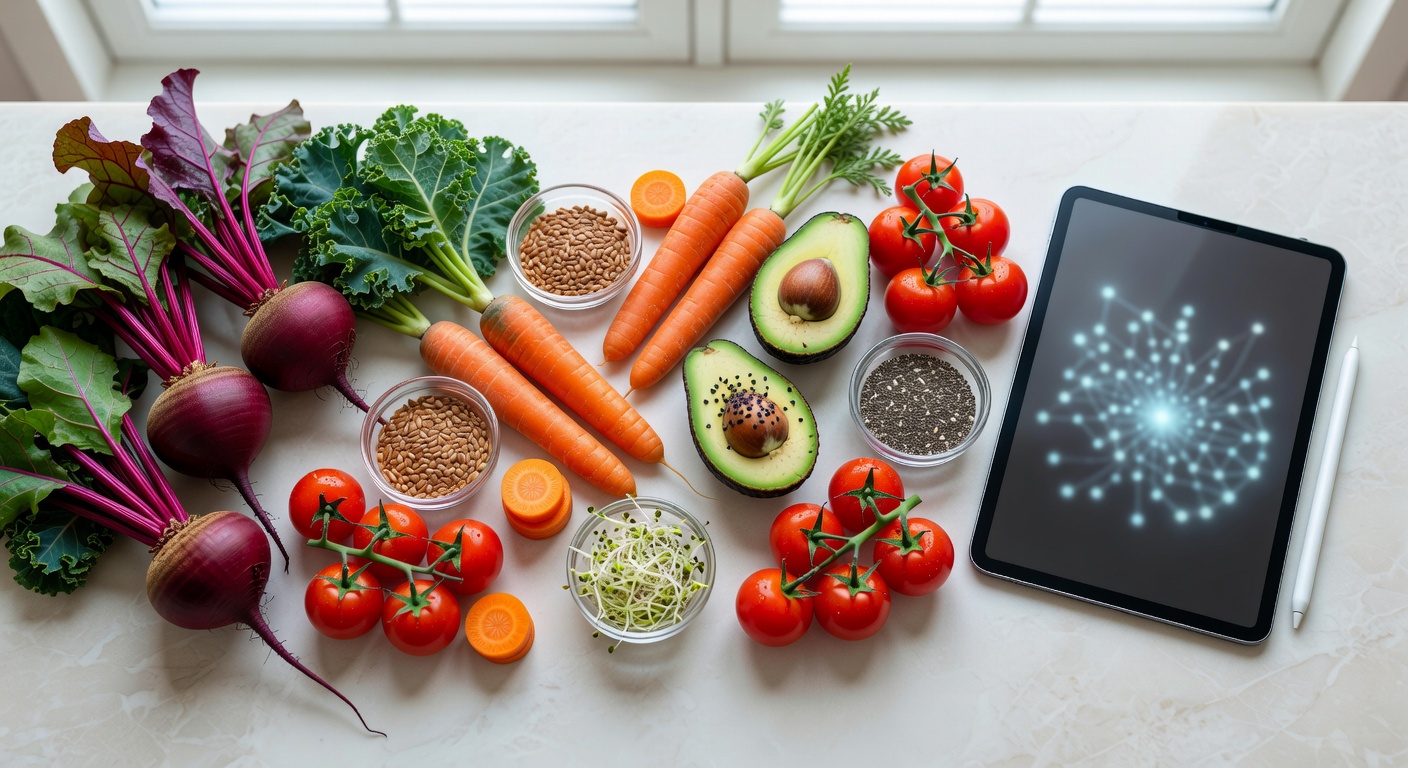
diet. Learn the latest research and tips to support your thyroid health.” EXCERPT=”Hypothyroidism is a common endocrine disorder that affects millions worldwide. Fortunately, AI-powered nutritionHow AI Can Help Manage Hypothyroidism Through Diet
Hypothyroidism is a complex condition that requires a comprehensive treatment approach. While medication is often the primary treatment, research suggests that diet and lifestyle modifications can play a significant role in managing the condition. Recent studies have shown that AI-powered nutrition education platforms can help individuals with hypothyroidism make informed dietary choices and achieve better health outcomes.
This endocrine disorder, characterized by an underactive thyroid gland, can lead to a wide range of symptoms including fatigue, weight gain, cold intolerance, constipation, dry skin, and hair loss. Millions worldwide are affected, with many experiencing a significant impact on their quality of life. The thyroid gland produces hormones that regulate nearly every bodily function, from metabolism and energy levels to heart rate and body temperature. When these hormones are insufficient, the body’s processes slow down, leading to the diverse symptoms associated with hypothyroidism. A well-managed diet, coupled with medical treatment, can significantly mitigate these symptoms and improve overall well-being.
The study found that participants who followed a diet rich in fruits, vegetables, whole grains, and lean protein sources experienced significant improvements in thyroid function and quality of life. This emphasizes the critical interplay between nutritional intake and endocrine health, highlighting diet as a powerful tool in the holistic management of hypothyroidism.
Why Diet Matters in Hypothyroidism
- A diet rich in fiber and antioxidants can help reduce inflammation and improve thyroid function. Chronic inflammation is a known contributor to autoimmune thyroid conditions like Hashimoto’s, which is the most common cause of hypothyroidism. Antioxidants combat oxidative stress, protecting thyroid cells from damage.
- Avoiding foods high in sugar, salt, and unhealthy fats can help manage symptoms of hypothyroidism. These processed foods can exacerbate inflammation, contribute to weight gain, and disrupt blood sugar regulation, all of which can worsen thyroid symptoms and hinder hormone conversion.
- A well-planned diet can help regulate blood sugar levels and improve insulin sensitivity. Stable blood sugar prevents spikes and crashes that can stress the adrenal glands and impact thyroid hormone conversion, particularly the conversion of inactive T4 to active T3.
- Adequate intake of specific micronutrients is crucial for thyroid hormone synthesis and function. Deficiencies in key vitamins and minerals can impair the thyroid’s ability to produce or utilize its hormones effectively.
- Supporting gut health through diet directly impacts the immune system and nutrient absorption, both vital for managing hypothyroidism, especially in autoimmune forms.
Essential Nutrients for Optimal Thyroid Function
To effectively manage hypothyroidism through diet, it is vital to focus on specific nutrients that play direct roles in thyroid hormone production, conversion, and overall thyroid health. Ensuring adequate intake of these micronutrients can support thyroid function and alleviate symptoms.
Iodine
Iodine is an indispensable component of thyroid hormones T3 and T4. Without sufficient iodine, the thyroid cannot produce enough hormones, leading to hypothyroidism. Good dietary sources include iodized salt, seaweed (nori, kelp, wakame), fish, dairy products, and eggs. However, excessive iodine intake, particularly from supplements, can also be detrimental and worsen thyroid function in some individuals, especially those with autoimmune thyroid disease. An AI nutrition platform can help balance iodine intake, preventing both deficiency and excess.
Selenium
Selenium is a powerful antioxidant and a key cofactor for enzymes involved in thyroid hormone metabolism, particularly the deiodinase enzymes that convert inactive T4 into active T3. It also helps protect the thyroid gland from oxidative damage. Excellent sources of selenium include Brazil nuts (just one or two a day can provide the daily requirement), tuna, sardines, eggs, and sunflower seeds. Studies suggest that selenium supplementation may reduce thyroid antibodies in individuals with Hashimoto’s thyroiditis.
Zinc
Zinc is essential for the synthesis of thyroid hormones and plays a role in the conversion of T4 to T3. A zinc deficiency can lead to reduced thyroid function and impaired metabolism. Rich sources of zinc include oysters, beef, chicken, beans, nuts, and whole grains. Maintaining adequate zinc levels is important for overall immune function, which is often compromised in autoimmune conditions.
Iron
Iron is crucial for the activity of thyroid peroxidase, an enzyme involved in thyroid hormone synthesis. Iron deficiency anemia is common in individuals with hypothyroidism and can exacerbate symptoms like fatigue. Incorporate iron-rich foods such as lean red meat, poultry, fish, spinach, lentils, and fortified cereals into your diet. Pairing iron sources with Vitamin C can enhance absorption.
Vitamin D
Vitamin D deficiency is frequently observed in individuals with hypothyroidism, particularly those with Hashimoto’s thyroiditis, suggesting a link between the vitamin and immune regulation. Adequate Vitamin D levels are important for immune system modulation and reducing inflammation. Sunlight exposure is the primary source, but fatty fish (salmon, mackerel), fortified dairy products, and egg yolks also contribute. Supplementation may be necessary, especially in regions with limited sunlight.
B Vitamins
B vitamins, especially B12 and folate, are vital for energy production and nerve function. Many people with hypothyroidism experience fatigue, and B vitamin deficiencies can exacerbate this. Animal products like meat, fish, and dairy are rich in B12, while leafy greens, legumes, and whole grains provide folate. These vitamins support cellular metabolism and can help manage common symptoms like low energy.
Foods to Embrace and Foods to Limit for Thyroid Health
Strategic dietary choices are fundamental to supporting thyroid function and mitigating symptoms. Understanding which foods to prioritize and which to consume in moderation can make a significant difference.
Foods to Embrace
- Fruits and Vegetables: Focus on a wide variety of colorful fruits and vegetables, rich in antioxidants, vitamins, and fiber. Berries, leafy greens (spinach, kale), bell peppers, and citrus fruits are excellent choices. These foods help reduce inflammation and support overall cellular health.
- Lean Proteins: Include sources like chicken, turkey, fish, eggs, and legumes. Protein is essential for transporting thyroid hormones throughout the body and for maintaining muscle mass, which can be challenging with a slowed metabolism.
- Healthy Fats: Incorporate monounsaturated and polyunsaturated fats from avocados, olive oil, nuts, and seeds (chia, flax, pumpkin). Omega-3 fatty acids found in fatty fish (salmon, mackerel) are particularly beneficial for reducing inflammation.
- Whole Grains: Opt for gluten-free whole grains like quinoa, brown rice, oats, and buckwheat, especially if you have gluten sensitivity or Hashimoto’s. These provide fiber, B vitamins, and sustained energy.
- Legumes: Beans and lentils are great sources of fiber, plant-based protein, and essential minerals like zinc and iron.
Foods to Limit or Avoid
- Processed Foods and Sugary Drinks: These are often high in unhealthy fats, added sugars, and sodium, contributing to inflammation, weight gain, and blood sugar dysregulation, all of which can worsen thyroid symptoms.
- Excessive Gluten: While not everyone with hypothyroidism needs to avoid gluten, a significant portion of individuals with Hashimoto’s thyroiditis find improvement in symptoms and antibody levels by adopting a gluten-free diet. Gluten can trigger an immune response in susceptible individuals, exacerbating autoimmune activity.
- Soy: Soy contains isoflavones that can interfere with thyroid hormone absorption and function, particularly if iodine intake is insufficient. While moderate consumption of fermented soy (tempeh, miso) may be acceptable for some, it’s generally advisable to consume soy products in moderation and away from thyroid medication.
- Certain Cruciferous Vegetables (Raw): Vegetables like broccoli, cauliflower, cabbage, and kale contain goitrogens, compounds that can interfere with thyroid hormone production if consumed in very large, raw quantities, especially in individuals with iodine deficiency. However, cooking these vegetables significantly reduces their goitrogenic effect, and their overall health benefits usually outweigh this concern. Most people can safely enjoy cooked cruciferous vegetables in moderation.
- High-Glycemic Foods: Foods that cause rapid spikes in blood sugar can exacerbate insulin resistance and inflammation, negatively impacting thyroid function. These include refined carbohydrates like white bread, pastries, and sugary cereals.
Using AI to Optimize Diet for Hypothyroidism
AI-powered nutrition education platforms like AINUTRY can help individuals with hypothyroidism create personalized meal plans and track their nutrient intake. By analyzing data from food diaries, lab results, and other sources, AI can identify areas where dietary changes can be made to support thyroid health.
Beyond simply tracking food, AI algorithms can process complex information, including individual metabolic rates, activity levels, existing health conditions, food preferences, allergies, and even medication schedules to provide truly tailored guidance. This level of personalization far surpasses generic diet advice, making it highly effective for a nuanced condition like hypothyroidism. The AI can adapt recommendations over time, learning from user input, progress, and evolving health data, ensuring the dietary plan remains relevant and effective.
For example, AINUTRY’s algorithm can analyze a user̵
Frequently Asked Questions
How does AI personalize diet plans for individuals managing hypothyroidism?
AI analyzes a user’s unique health data, including thyroid hormone levels, symptoms, existing conditions, and dietary preferences. It then uses this information to generate highly personalized meal plans and food recommendations designed to support thyroid function and manage symptoms effectively.
Is AI-driven dietary advice safe and effective for managing hypothyroidism?
AI can be a valuable tool for providing evidence-based dietary recommendations, enhancing adherence, and tracking progress, which can contribute to effective management. However, it should be used as a supplementary tool under the guidance of healthcare professionals to ensure safety and address individual medical complexities.
Can AI replace a human dietitian or doctor for hypothyroidism diet management?
No, AI is designed to augment, not replace, the expertise of human dietitians and doctors. While AI can offer personalized insights and streamline diet planning, complex medical conditions like hypothyroidism require professional diagnosis, ongoing monitoring, and nuanced advice from qualified healthcare providers.
What specific types of dietary recommendations can AI provide for hypothyroidism management?
AI can recommend specific nutrient-rich foods that support thyroid health, such as those high in iodine, selenium, and zinc, while identifying foods that might interfere with thyroid function or medication absorption. It can also suggest personalized meal timings and portion sizes to optimize metabolic health and symptom management.
Leave a Reply