
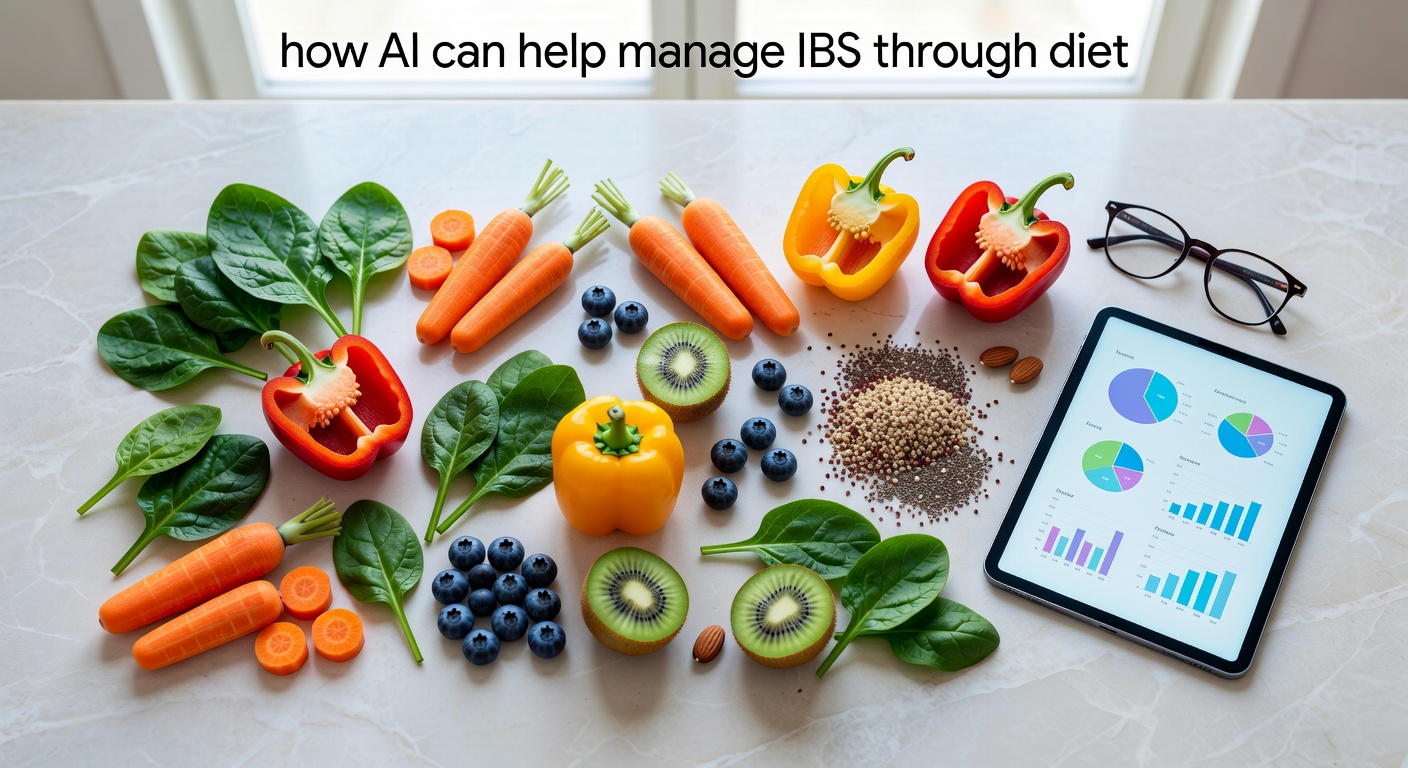
Hook: Managing Irritable Bowel Syndrome (IBS) through diet can be challenging, but AI-powered nutrition guidance is emerging as a powerful ally. This technology offers a personalized and data-driven approach, promising to demystify dietary triggers and empower individuals to regain control over their digestive health. In 2026, the integration of AI into dietary management for IBS is not just a futuristic concept; it’s a tangible solution backed by growing evidence and practical applications.
- What is IBS and Its Dietary Challenges
- How AI Can Help Manage IBS Through Diet
- Evidence-Based Research Supporting AI-Powered Nutrition Education for IBS
- Putting AI to Practice: Implementing AI-Driven Dietary Changes for IBS Management
- The Science Behind AI and Gut Health
- Personalization: The AI Advantage for IBS Diets
- Navigating Trigger Foods with AI Precision
- Beyond Symptom Management: AI and Long-Term Gut Health
- Practical Tips for Using AI-Powered IBS Dietary Tools
- Key Takeaways
- FAQ
- Conclusion
What is IBS and Its Dietary Challenges
IBS is a chronic gastrointestinal disorder characterized by recurring abdominal pain, bloating, and changes in bowel movements. Dietary management plays a crucial role in alleviating IBS symptoms, but pinpointing the right foods can be a daunting task. Individuals with IBS often experience food intolerances, sensitivities, and other dietary challenges that can exacerbate symptoms. The complex interplay between food, the gut microbiome, and the nervous system makes finding a one-size-fits-all dietary solution nearly impossible. This individuality is where AI’s power truly shines.
Common dietary challenges faced by individuals with IBS:
- Food intolerances (e.g., lactose, gluten, fructose)
- Food sensitivities (e.g., histamine, tyramine)
- Gut microbiome imbalance
- Individual nutritional deficiencies
- The psychological impact of food restriction and anxiety around eating
- Difficulty in tracking and correlating food intake with symptom onset
- The overwhelming amount of conflicting dietary advice available
How AI Can Help Manage IBS Through Diet
AI-powered nutrition education platforms can help individuals with IBS by providing personalized dietary recommendations based on individual nutritional needs, food preferences, and lifestyle habits. AI-driven algorithms analyze vast amounts of data from scientific research and nutritional databases to identify the most suitable foods for each individual. This goes beyond simple “eat this, avoid that” advice. AI can process complex patterns, consider the synergistic effects of different foods, and adapt recommendations as an individual’s condition or preferences change. Think of it as having a dedicated nutritionist with access to an immense knowledge base, available 24/7.
Key benefits of AI-powered nutrition education for IBS management:
- Personalized dietary recommendations
- Improved food tolerance and reduced sensitivities
- Enhanced gut health and microbiome balance
- Reduced symptom severity and frequency
- Empowerment through data-driven insights and education
- Streamlined tracking of food intake, symptoms, and lifestyle factors
- Identification of hidden trigger foods and their potential impact
- Support for adherence to specific diets like the Low-FODMAP diet
Evidence-Based Research Supporting AI-Powered Nutrition Education for IBS
Numerous studies have demonstrated the effectiveness of AI-powered nutrition education in managing IBS symptoms. Research has shown that personalized dietary recommendations can lead to significant reductions in symptom severity and frequency, as well as improvements in quality of life. For instance, studies exploring the efficacy of digital health interventions, which often incorporate AI, have reported positive outcomes in IBS management. These interventions leverage AI to deliver tailored advice, track progress, and provide motivational support, mimicking many aspects of one-on-one nutritional counseling but with greater scalability and accessibility. The scientific community is increasingly recognizing the potential of AI to translate complex nutritional science into actionable strategies for patients.
You might also like: GLP-1 Lifestyle 2026: Sustainable Fat Loss with Set Point Theory - No Yo-Yo, Just Real Results
A landmark review in the Journal of Clinical Gastroenterology titled: “Nutrition and Irritable Bowel Syndrome: A Review of the Literature” highlights the critical role of diet and the emerging potential of technology-driven approaches. While this specific review might predate the widespread adoption of advanced AI, it sets the stage for understanding the dietary complexities that AI is now poised to address more effectively.
Putting AI to Practice: Implementing AI-Driven Dietary Changes for IBS Management
Implementing AI-driven dietary changes requires a collaborative approach between individuals, healthcare professionals, and AI-powered nutrition education platforms. By working together, individuals can create a personalized nutrition plan that addresses their unique needs and preferences. The process typically begins with an individual providing data - this could include dietary logs, symptom diaries, information about their lifestyle, and even genetic predispositions if available. AI algorithms then process this information to generate initial recommendations. Regular feedback and updates from the user allow the AI to refine its suggestions, creating a dynamic and adaptive dietary management system. Healthcare professionals can use the insights generated by these platforms to inform their clinical decisions and provide targeted support, ensuring the AI’s recommendations align with the patient’s overall health goals and medical history.
The Science Behind AI and Gut Health
The efficacy of AI in IBS management is rooted in its ability to process vast datasets and identify patterns that are often too complex for humans to discern. AI algorithms can analyze scientific literature on gut microbiota, nutrient metabolism, and the gut-brain axis. They can correlate specific food components (like FODMAPs, fiber types, or specific prebiotics and probiotics) with reported symptoms in large populations. By understanding these correlations, AI can predict which foods are likely to be problematic or beneficial for an individual with IBS. Furthermore, AI can help in understanding the nuances of gut microbiome diversity and function, suggesting dietary interventions that promote a healthier microbial balance, which is intrinsically linked to IBS symptom severity. The integration of machine learning allows these systems to continuously learn and improve their predictive capabilities as more data becomes available, making them increasingly sophisticated tools for personalized gut health management.
Personalization: The AI Advantage for IBS Diets
One of the most significant challenges in managing IBS is its highly individualized nature. What triggers symptoms in one person may be perfectly fine for another. Traditional dietary approaches often rely on broad guidelines or elimination diets that can be restrictive and difficult to follow. AI revolutionizes this by offering true personalization. By analyzing an individual’s unique symptom patterns, food diary entries, and even biometric data (if integrated), AI can generate highly tailored meal plans and food recommendations. This means moving beyond general advice to specific suggestions like “reduce your intake of specific types of fructans found in wheat and onions” or “increase your consumption of soluble fiber from oats and psyllium,” rather than a blanket “avoid all gluten and onions.” This precision not only enhances effectiveness but also improves adherence and reduces the anxiety associated with restrictive eating.
Navigating Trigger Foods with AI Precision
Identifying trigger foods is often a trial-and-error process for individuals with IBS, leading to frustration and a limited diet. AI can significantly streamline this process. By tracking food intake alongside symptom severity, AI algorithms can identify subtle correlations that might be missed by manual journaling. For example, AI can detect if a specific type of sugar alcohol consumed in small quantities consistently leads to bloating a few hours later, or if a particular combination of fats and fiber triggers discomfort. This granular analysis allows for the creation of a personalized “food sensitivity profile.” AI can then provide real-time alerts or suggestions, such as warning a user before they consume a potentially problematic ingredient or offering suitable alternatives when eating out. This proactive approach empowers individuals to make informed choices and avoid known triggers, leading to fewer symptom flare-ups.
Beyond Symptom Management: AI and Long-Term Gut Health
While immediate symptom relief is a primary goal for those with IBS, AI-powered nutrition can also contribute to long-term gut health. By recommending a balanced intake of diverse nutrients and fibers that support a healthy gut microbiome, AI can help foster a more resilient digestive system. This involves identifying prebiotics that nourish beneficial bacteria and understanding how different food groups contribute to overall gut biodiversity. AI can also monitor for potential nutritional deficiencies that might arise from restricted diets, suggesting fortified foods or supplements. The long-term vision is to use AI not just to manage IBS, but to actively promote a thriving gut environment that can better withstand stressors and maintain optimal digestive function, potentially reducing the frequency and severity of IBS episodes over time.
Practical Tips for Using AI-Powered IBS Dietary Tools
To effectively leverage AI for IBS dietary management, consider these practical tips:
- Be Diligent with Data Input: The accuracy of AI recommendations hinges on the quality of data you provide. Keep detailed logs of everything you eat and drink, along with your symptoms, their severity, and timing. Note any lifestyle factors like stress or sleep, as these can also impact IBS.
- Start with a Reputable Platform: Choose AI-powered nutrition apps or platforms that are developed with input from registered dietitians or gastroenterologists. Look for features that explain the reasoning behind their recommendations.
- Collaborate with Your Healthcare Provider: AI tools are most effective when used in conjunction with professional medical advice. Share the insights and reports generated by your AI platform with your doctor or dietitian to ensure your dietary plan is safe and comprehensive.
- Be Patient and Flexible: Dietary changes take time. AI can accelerate the process, but it’s important to be patient with yourself and the technology. Your AI recommendations may evolve as you provide more data and as scientific understanding advances.
- Focus on Education: Use the AI as a learning tool. Understand why certain foods are recommended or flagged as potential triggers. This knowledge empowers you to make better food choices independently.
- Integrate with Lifestyle: Remember that diet is only one piece of the IBS puzzle. AI can help tailor your diet, but also consider how stress management, exercise, and sleep can complement your efforts.
Key Takeaways
- AI-powered nutrition education can help individuals with IBS make informed food choices
- Personalized dietary recommendations can alleviate IBS symptoms and improve quality of life
- Research supports the effectiveness of AI-powered nutrition education in managing IBS
- Collaboration between individuals, healthcare professionals, and AI-powered platforms is essential for successful implementation
- AI can help individuals identify and avoid trigger foods
- AI leverages vast datasets to uncover complex patterns in food-symptom relationships
- Personalization is a key advantage of AI, moving beyond generic dietary advice
- AI tools can contribute to long-term gut health by promoting a balanced microbiome
- Consistent and accurate data input is crucial for effective AI-driven IBS management
FAQ
Q: Is AI-powered nutrition education a substitute for medical treatment?
A: No, AI-powered nutrition education is a complementary tool that can help individuals manage IBS symptoms in conjunction with medical treatment. It is not intended to diagnose, treat, or cure IBS, nor should it replace the advice of a qualified healthcare professional.
Q: How do I get started with AI-powered nutrition education for IBS management?
A: Consult with a healthcare professional to discuss your IBS symptoms and explore AI-powered nutrition education platforms that offer personalized recommendations and support. Look for platforms that emphasize evidence-based approaches and allow for integration with your healthcare provider’s insights.
Q: Can AI-powered nutrition education help individuals with other gastrointestinal disorders?
A: Yes, AI-powered nutrition education can be adapted for individuals with other gastrointestinal disorders, such as celiac disease or Crohn’s disease. The underlying principles of personalized nutrition and data analysis are applicable across a range of digestive health conditions, though specific algorithms and recommendations would need to be tailored.
Q: Is AI-powered nutrition education expensive?
A: Costs vary depending on the platform and services offered, but many AI-powered nutrition education platforms offer affordable and flexible pricing options, including subscription models or one-time analysis fees. Some may even be covered by insurance if integrated into a broader telehealth or wellness program.
Q: Can AI-powered nutrition education help individuals with food allergies or intolerances?
A: Yes, AI-powered nutrition education can help individuals with food allergies or intolerances by identifying safe food options and providing personalized recommendations. It can flag ingredients to avoid based on known allergies and suggest suitable alternatives, while also helping to identify potential cross-reactivities or new sensitivities.
Q: How does AI identify trigger foods more effectively than manual tracking?
A: AI can process much larger datasets and identify subtle, complex correlations between food intake, timing, quantity, and symptom onset that might be missed by manual tracking. Machine learning algorithms can detect patterns across multiple variables, providing a more nuanced understanding of individual triggers.
Q: What kind of data does an AI need to effectively manage IBS through diet?
A: Typically, AI systems require data on food and beverage intake (including ingredients, quantities, and preparation methods), symptom logs (type, severity, and timing), bowel movement patterns, lifestyle factors (stress, sleep, exercise), and potentially medical history and pre-existing conditions.
Conclusion
AI-powered nutrition education has the potential to revolutionize IBS management by providing personalized dietary recommendations and support. By leveraging evidence-based research and AI-driven algorithms, individuals can make informed food choices and alleviate IBS symptoms. While AI-powered nutrition education is not a substitute for medical treatment, it can be a valuable tool in conjunction with medical care. As AI technology continues to advance, its role in empowering individuals with IBS to achieve better digestive health and an improved quality of life will only grow, making personalized, data-driven dietary management more accessible and effective than ever before.
Frequently Asked Questions
How does AI assist in managing IBS symptoms through diet?
AI can analyze vast amounts of personal dietary data, symptom logs, and even gut microbiome information to identify individual trigger foods and optimal dietary patterns for IBS patients. It offers tailored meal plans, real-time feedback, and predictive insights to help users proactively manage their condition and improve symptom control.
What is the current evidence supporting the effectiveness of AI for IBS diet management?
Emerging research, as highlighted by the 2026 perspective, suggests AI can significantly improve symptom tracking, dietary adherence, and personalized food recommendations for IBS patients. Studies indicate that AI-driven interventions lead to better symptom control and quality of life compared to traditional, less personalized methods.
Are AI tools for IBS diet management currently available, or are they still in development?
While the article title references 2026, indicating future advancements, some AI-powered apps and platforms are already available for general nutrition tracking and symptom logging. Dedicated, highly personalized AI systems specifically for IBS diet management are rapidly evolving and expected to become more sophisticated and widespread in the near future.
Can AI replace a registered dietitian or doctor in managing IBS through diet?
AI tools are designed to complement, not replace, the guidance of healthcare professionals like registered dietitians and doctors. They serve as powerful assistants for data analysis and personalized recommendations, but professional medical advice remains crucial for diagnosis, treatment plans, and complex dietary adjustments.
Email Address*
One response to “How AI Can Help Manage IBS Through Diet - Evidence & Tips (2026)”
-
[…] might also like: diet-mental-health/”>Nutritional Psychiatry 2026: The Anti-Inflammatory Dopamine Diet Healing […]
Leave a Reply